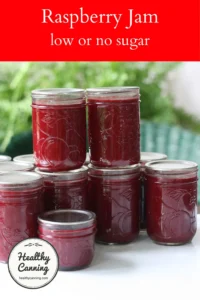

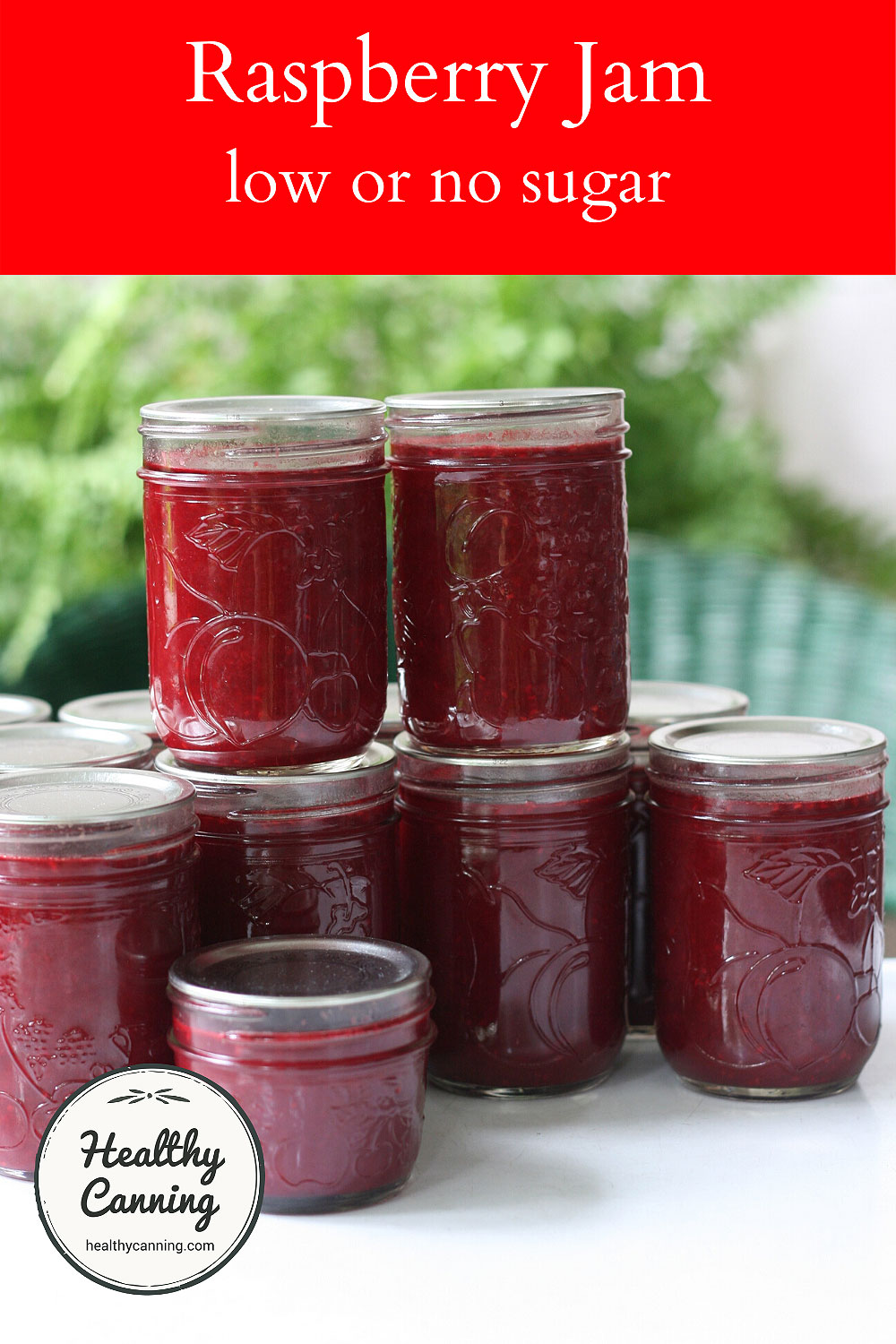
The landscape of home food preservation has undergone a significant transformation in recent years, moving away from traditional high-sugar recipes toward methods that prioritize nutritional value and dietary flexibility. Central to this shift is the utilization of specialized ingredients such as Pomona’s Universal Pectin, which allows for the creation of shelf-stable fruit spreads without the massive quantities of sucrose required by conventional pectins. This technical report details the methodology for producing raspberry jam using low-methoxyl pectin, providing a comprehensive overview of the science, safety protocols, and nutritional implications of modern home canning.
Technical Overview of Low-Methoxyl Pectin Preservation
Traditional jam making relies on high-methoxyl (HM) pectin, which requires a specific environment to create a gel: a high concentration of sugar (usually 55% to 85%) and a precise level of acidity. Without these exact conditions, the jam will fail to set. In contrast, the recipe featured here utilizes Pomona’s Universal Pectin, a low-methoxyl (LM) pectin derived from citrus peels. LM pectin is unique because it is calcium-activated rather than sugar-activated. By introducing a calcium solution to the fruit mixture, a molecular "bridge" is formed that creates a firm gel regardless of the sugar content.
This chemical property offers home canners the versatility to use various sweeteners, including honey, maple syrup, agave, or artificial sweeteners like sucralose and stevia. It also permits the production of "no-sugar-added" jams, which are essential for individuals managing glycemic levels or those seeking to reduce caloric intake.
Comprehensive Recipe Specifications
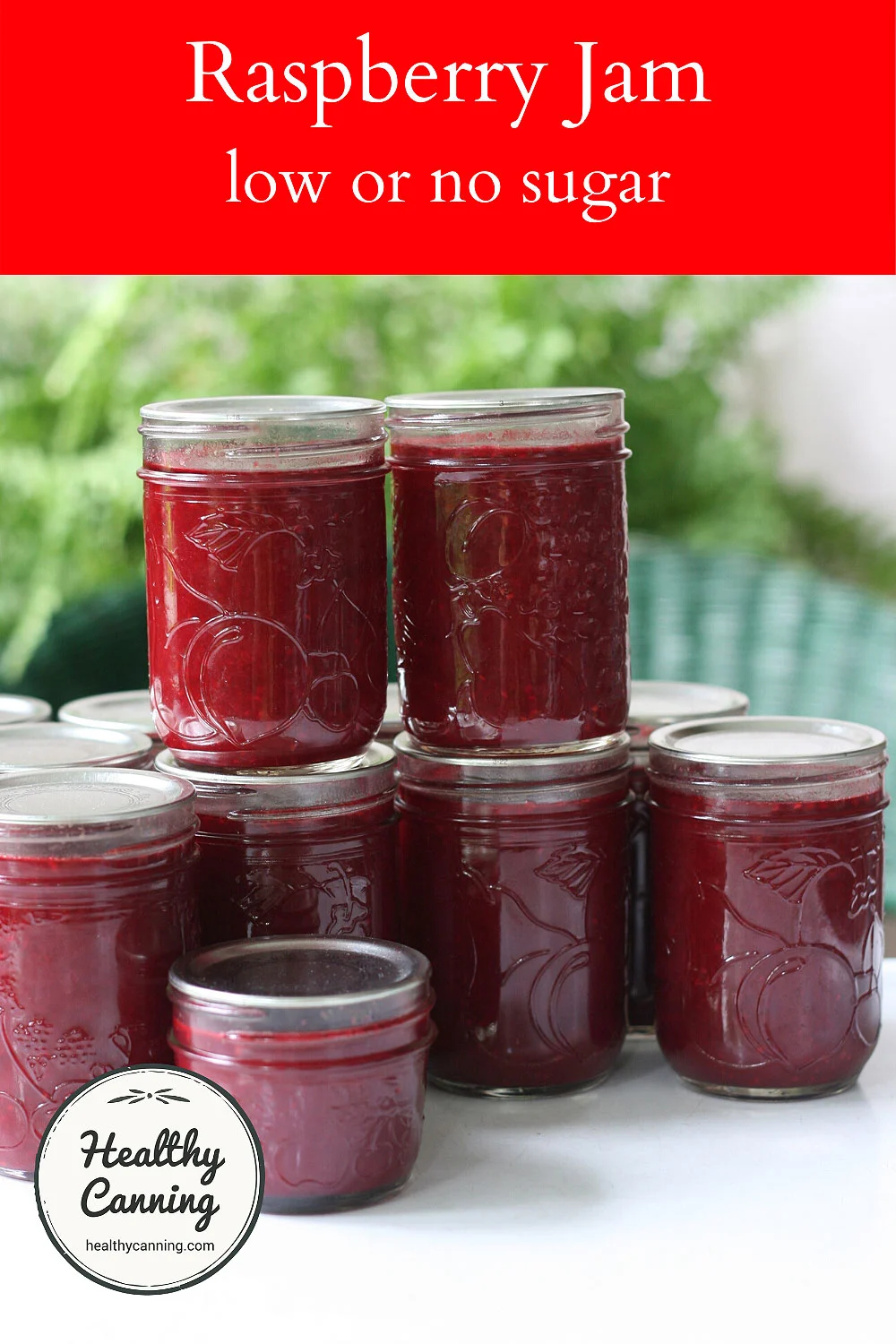
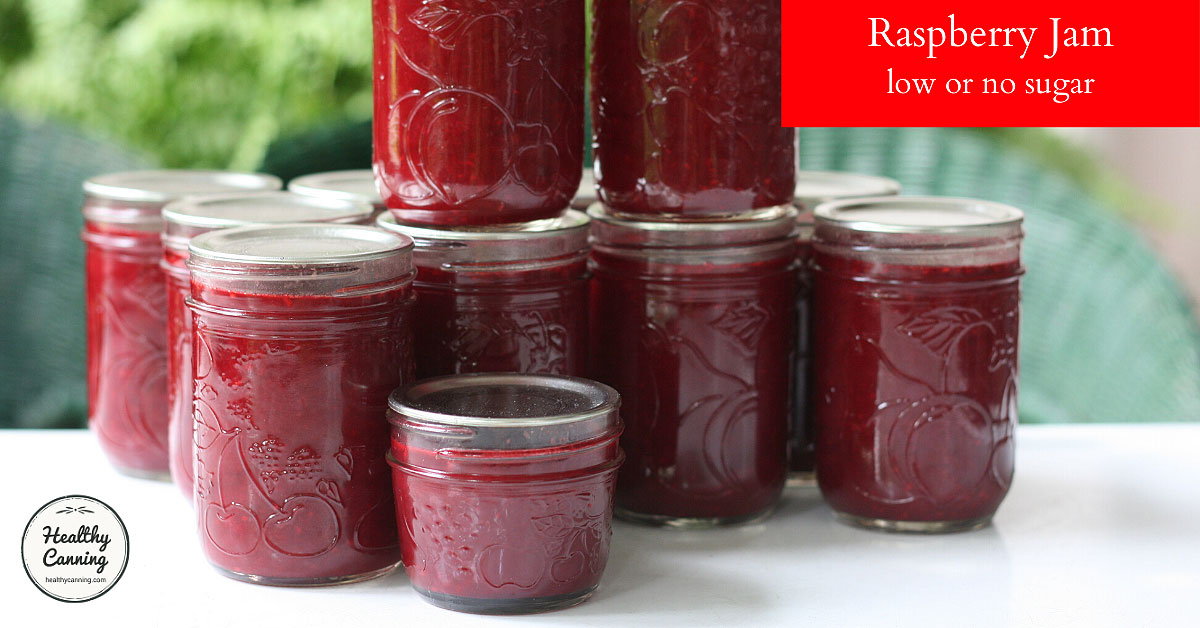
The following specifications are designed for a standard yield of four quarter-litre (250 ml / 8 oz) jars. The recipe is scalable, though experts recommend not exceeding double batches to ensure uniform heat distribution during the cooking process.
Ingredient Requirements
- Fruit Base: 4 cups (approximately 1 liter) of mashed raspberries. These may be fresh or frozen; if using frozen, they should be thawed before measuring to ensure accurate volume.
- Calcium Water: 2 teaspoons of the prepared calcium water (included in Pomona Pectin kits).
- Pectin: 2 teaspoons of Pomona’s Universal Pectin powder.
- Sweetener Options:
- Granulated Sugar: 1 cup (200 g) for a low-sugar profile.
- Honey: 1/2 cup to 1 cup (125 ml to 250 ml) for a natural alternative.
- Granulated Splenda (Sucralose): 1 cup (25 g).
- Liquid Stevia: 2 teaspoons.
- Optional Enhancements: Ascorbic acid or citric acid may be added to preserve color and enhance tartness, particularly if the fruit is overripe.
Processing Parameters
- Jar Sizes: 125 ml (4 oz) or 250 ml (8 oz).
- Headspace: 1 cm (1/4 inch) to allow for expansion during processing.
- Processing Time: 10 minutes (at altitudes of 0–300 meters/1,000 feet).
- Method: Boiling water bath or atmospheric steam canning.
Chronology of the Preservation Process
The production of home-canned raspberry jam follows a strict chronological sequence to ensure both the quality of the set and the safety of the final product.
- Preparation of Equipment: Jars are inspected for nicks or cracks and washed in hot, soapy water. They are kept warm to prevent thermal shock when filled with hot jam. The canning pot (water bath or steam canner) is prepared with sufficient water.
- Fruit Preparation: Raspberries are rinsed and mashed. For a seedless variety, the pulp is passed through a fine-mesh sieve or a food mill. This reduction in solids may slightly decrease the total yield but results in a more refined texture.
- Calcium Integration: The calcium water (prepared by mixing the calcium powder provided in the pectin kit with water) is stirred into the cold or room-temperature fruit mash.
- Sweetener-Pectin Blend: In a separate bowl, the pectin powder is thoroughly mixed into the chosen dry sweetener. If using a liquid sweetener like honey or stevia, the pectin must be mixed into a small amount of the sweetener or a portion of the fruit to prevent clumping.
- The Initial Boil: The fruit mixture is brought to a full boil in a large, non-reactive saucepan.
- Incorporation of Pectin: The sweetener-pectin mixture is added to the boiling fruit. The mixture is stirred vigorously for 1 to 2 minutes while returning to a boil to ensure the pectin is fully dissolved and the calcium reaction is initiated.
- Final Boil and Jarring: Once the jam returns to a full "rolling" boil that cannot be stirred down, it is removed from the heat. The hot jam is immediately funneled into the prepared jars, leaving the specified 1 cm of headspace.
- Sealing: The jar rims are wiped clean with a damp paper towel to ensure no residue interferes with the seal. Lids are applied and bands are tightened to "finger-tip tight."
- Thermal Processing: Jars are placed in the canner. For water bath canning, they must be covered by at least 2.5 cm (1 inch) of water. Once the water returns to a boil, the 10-minute timer begins.
- Cooling and Verification: After processing, the jars are removed and placed on a towel-lined surface to cool for 12 to 24 hours. The seals are verified by pressing the center of the lid; a lid that does not flex or "pop" indicates a successful vacuum seal.
Nutritional Analysis and Comparative Data
The caloric and carbohydrate content of raspberry jam varies significantly based on the sweetener used. Raspberries themselves are nutrient-dense, providing high levels of Vitamin C, Manganese, and dietary fiber.
Nutritional Profile (Per 1 Tablespoon Serving with 1 Cup Sugar):
- Calories: 21 kcal
- Total Carbohydrates: 5 g
- Sugars: 4 g
- Fiber: 1 g
- Protein: 1 g
- Sodium: 3 mg
- Vitamin C: 4 mg (approx. 7% DV)
Comparative Caloric Impact:
When substituting granulated sugar with Splenda, the caloric density drops to approximately 10 calories per tablespoon, and the carbohydrate count is reduced to 2 grams. This represents a 50% reduction in caloric intake compared to the low-sugar version, and an even more dramatic reduction (nearly 75%) compared to traditional "full-sugar" jams, which typically contain 50–60 calories per tablespoon.
Safety Protocols and Altitude Adjustments
Safety is the primary concern in home canning. Because raspberries are naturally high-acid fruits (with a pH typically ranging from 3.2 to 4.0), they are well-suited for water bath and steam canning. The acidity prevents the growth of Clostridium botulinum spores, which cannot thrive in environments with a pH below 4.6.
However, the 10-minute processing time must be adjusted for altitude to account for the lower boiling point of water at higher elevations. Failure to adjust processing times can lead to under-processing and potential food spoilage.
Altitude Adjustment Table:
- 0 – 300 m (0 – 1,000 ft): 10 minutes
- 301 – 1,000 m (1,001 – 3,000 ft): 15 minutes
- 1,001 – 1,800 m (3,001 – 6,000 ft): 20 minutes
- Above 1,800 m (6,000 ft): 25 minutes
Industry Reactions and Expert Perspectives
The move toward low-sugar canning has been met with widespread approval from health organizations and food safety experts. Master Food Preserver groups, which operate under the aegis of various university extension programs in the United States and Canada, have increasingly highlighted Pomona’s Pectin as a reliable tool for safe, low-sugar preservation.
Expert analysts suggest that the popularity of these recipes is driven by a "DIY" food movement that seeks to bypass the preservatives and high-fructose corn syrup found in many commercial jams. "Consumers are looking for transparency in their food supply," says one food safety consultant. "Being able to control the sweetener type and quantity while ensuring a shelf-stable product is a significant empowerment for the home cook."
Furthermore, the flexibility to use frozen fruit has been lauded as an economic benefit. It allows households to preserve gluts of seasonal fruit or to take advantage of bulk sales on frozen produce during the off-season, effectively "decoupling" the canning process from the narrow harvest windows of fresh berries.
Implications for Home Food Security
The ability to produce high-quality, low-sugar preserves has broader implications for food security and waste reduction. Raspberries are highly perishable, with a shelf life often measured in days. By converting "gluts" of fruit into shelf-stable jam, households can extend the utility of their harvests for 12 to 18 months.
The shelf life of home-canned goods is generally cited as one year for optimal quality, though the vacuum seal can maintain food safety for much longer. Over time, the color of low-sugar jams may fade more quickly than high-sugar versions, as sugar acts as a color preservative. However, the use of Pomona pectin ensures that the texture remains consistent even as the vibrancy of the fruit’s pigment naturally declines.
In conclusion, the methodology for raspberry jam using Pomona pectin represents the intersection of traditional preservation and modern nutritional science. It offers a robust framework for creating customizable, safe, and healthy food stores that cater to the evolving dietary needs of the 21st-century consumer. Through adherence to tested recipes and rigorous safety standards, home canners can produce professional-grade results that rival or exceed commercial alternatives.