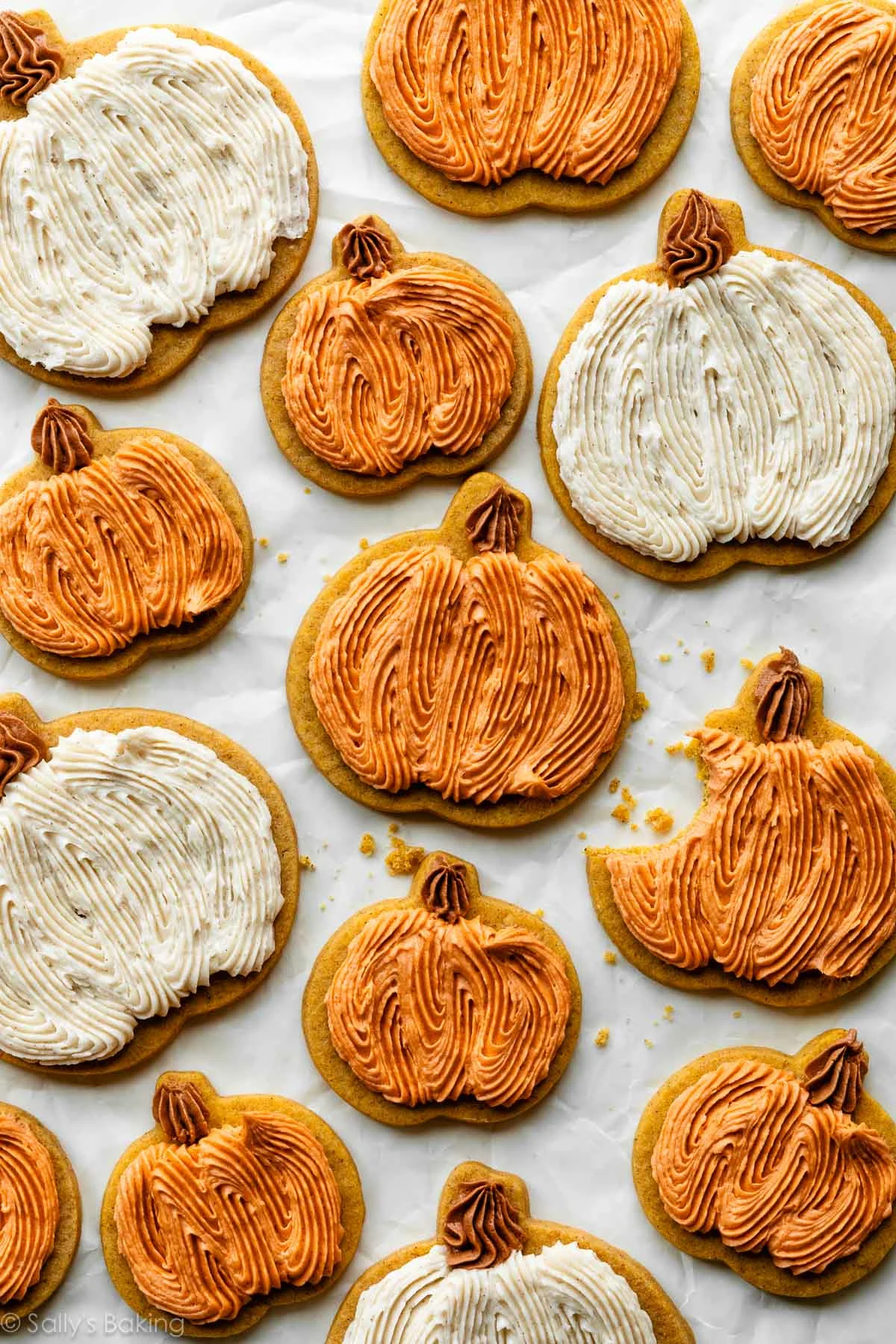

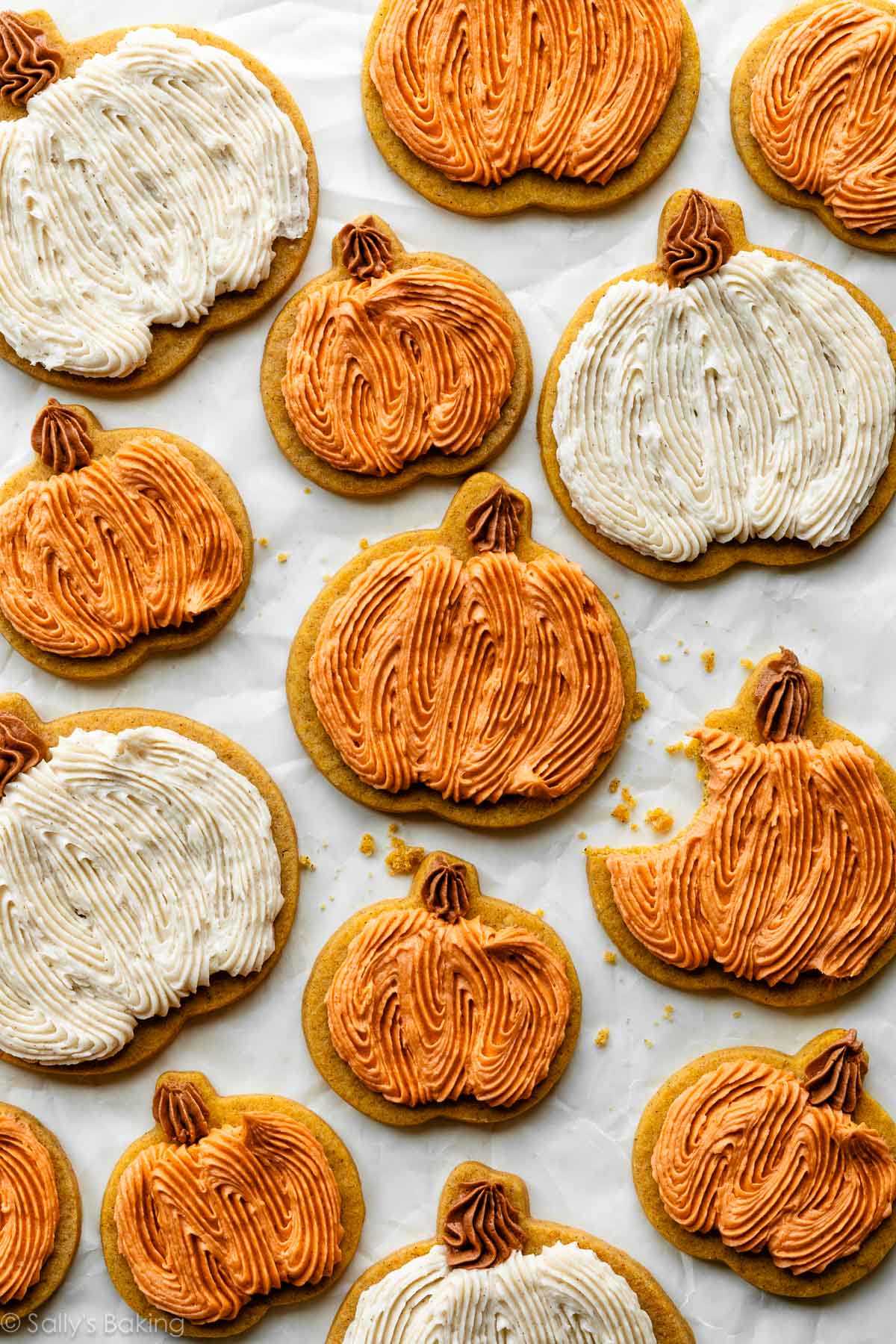
The culinary landscape of the autumn season is defined by a distinct shift in consumer preferences toward warming spices and seasonal produce, with pumpkin serving as the primary anchor for food production. As the demand for thematic, high-quality baked goods grows during the months of September through November, home bakers and professional pastry chefs alike are tasked with reconciling the delicate balance between the high moisture content of fresh pumpkin and the structural integrity required for decorative, cut-out cookies. Recent developments in recipe formulation have introduced a standardized method for managing this moisture, allowing for the creation of pumpkin-infused sugar cookies that maintain sharp, professional-grade edges while delivering a distinct flavor profile.
The Science of Moisture Management in Dough
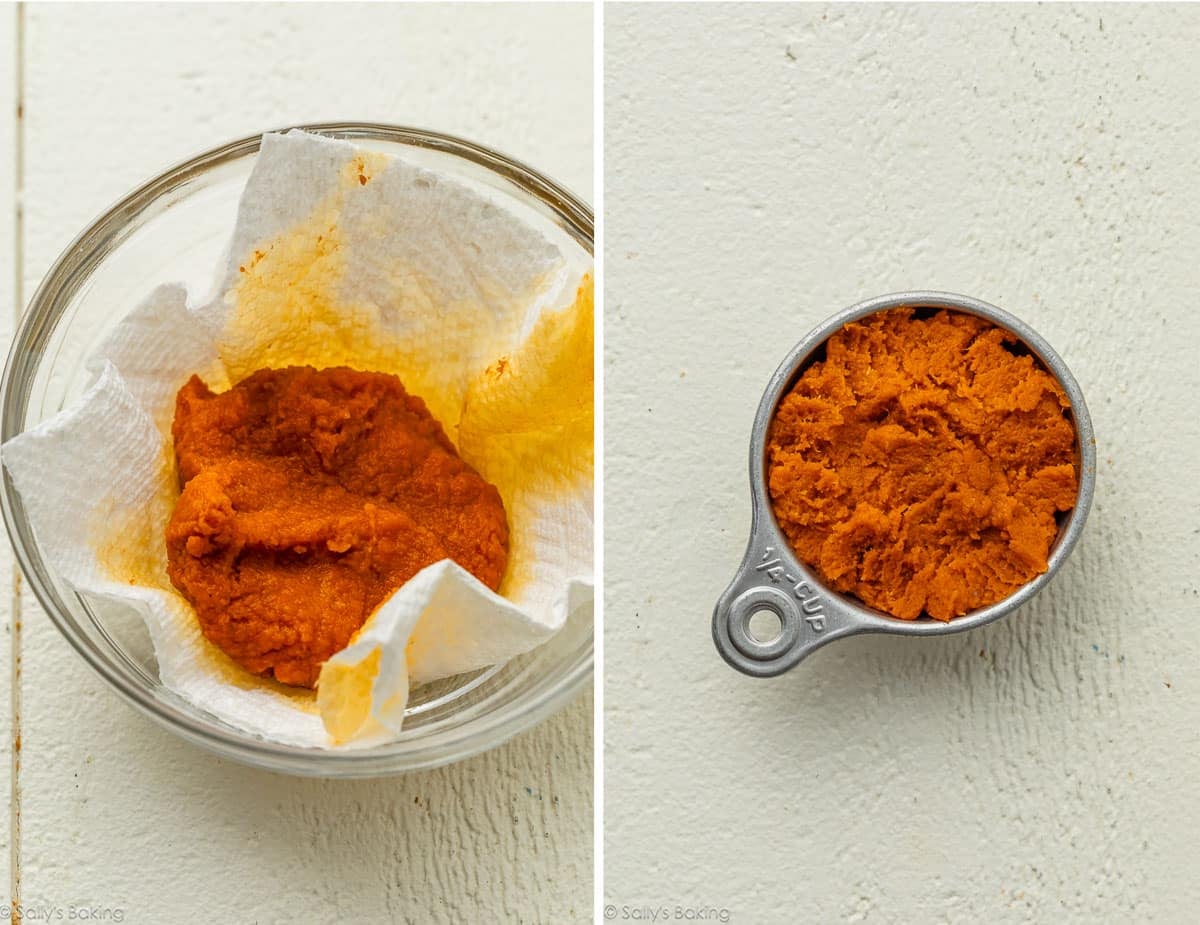
The inherent challenge in incorporating pumpkin puree into traditional sugar cookie dough lies in the fruit’s chemical composition. Pumpkin is roughly 90% water. When introduced to standard flour-and-fat ratios, this excess liquid acts as a softening agent, leading to excessive spreading during the baking process and the loss of intricate shapes cut by cookie cutters. To mitigate this, culinary research indicates that the "blotting" technique—the mechanical removal of liquid via absorbent materials—is the most effective way to stabilize the emulsion.
Data from food science laboratories suggests that by reducing the water activity of the pumpkin puree by approximately 15% to 20% before it is combined with the butter and sugar, the resulting dough retains the elasticity necessary for rolling and cutting without compromising the final crumb texture. This process transforms the pumpkin from a potential structural liability into a flavoring component that enhances the aromatic profile of the cookie without sacrificing the professional finish required for intricate seasonal decorations.
Chronology of Development and Standardized Techniques
The transition from traditional vanilla-based cut-out cookies to their pumpkin-flavored counterparts has been a multi-year effort in recipe optimization. Historical trends in the baking industry show that initial attempts to incorporate squash-based purees resulted in "cakey" textures that failed to satisfy the market’s desire for the crisp, clean snap associated with high-end sugar cookies.
The current standard, refined throughout the 2024 and 2025 baking cycles, involves a multi-step preparation timeline:
- Initial Preparation: Careful measurement of dry ingredients and the aeration of butter and sugar to create a stable base.
- Moisture Extraction: The critical intervention where pureed pumpkin is blotted to achieve a target consistency.
- Dough Consolidation: The blending of ingredients under controlled temperatures to prevent the butter from melting prematurely.
- Thermal Stabilization: The mandatory resting period of the dough. Industry experts emphasize that a minimum of two hours of refrigeration is required to allow for the crystallization of fats, which is the primary factor in preventing the cookie from losing its shape in a 350-degree Fahrenheit oven.
Market Context and Consumer Demand
The surge in interest for "fall-themed" baking is not merely a cultural trend but a significant driver of consumer behavior in the home-baking sector. According to seasonal retail data, sales of specialized cookie cutters—specifically those shaped as pumpkins, oak leaves, and acorns—see a consistent 40% increase during the pre-Halloween window. The demand for recipes that bridge the gap between traditional sugar cookies and seasonal flavors reflects a broader consumer desire for "premiumization" in home cooking, where the aesthetics of the finished product are as important as the nutritional or flavor profile.
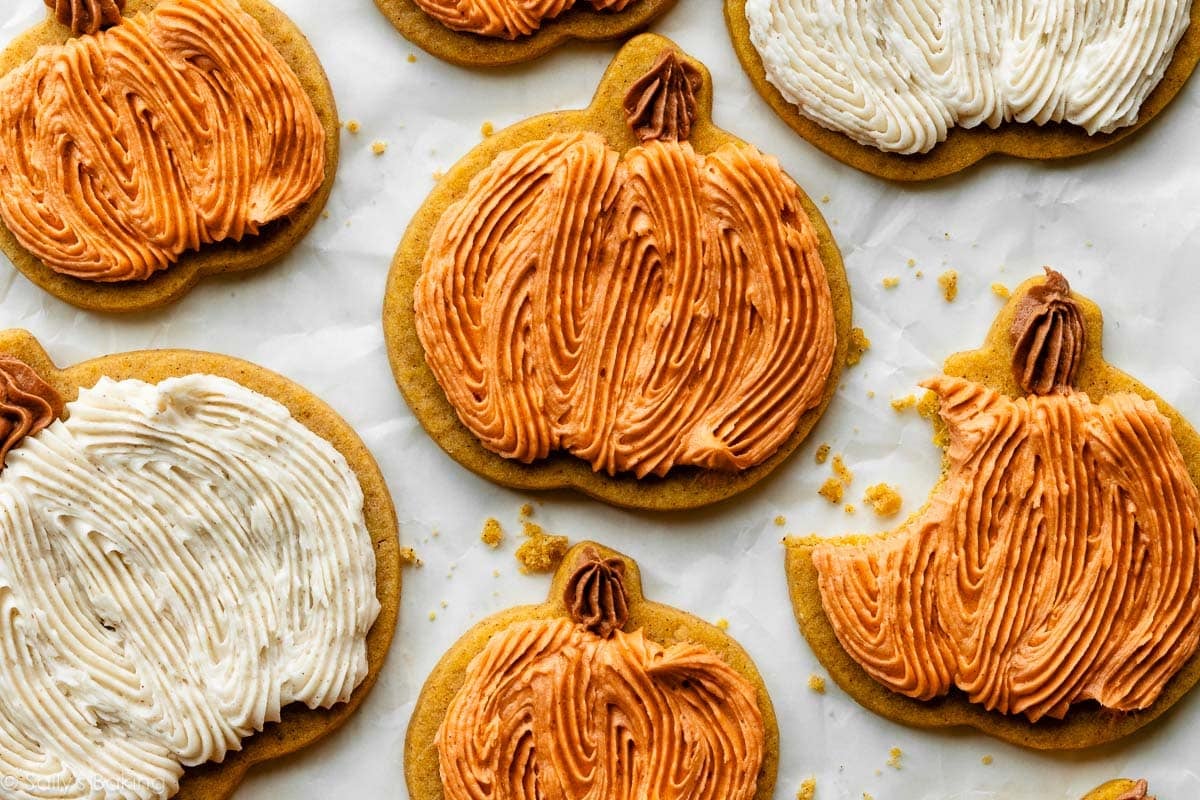
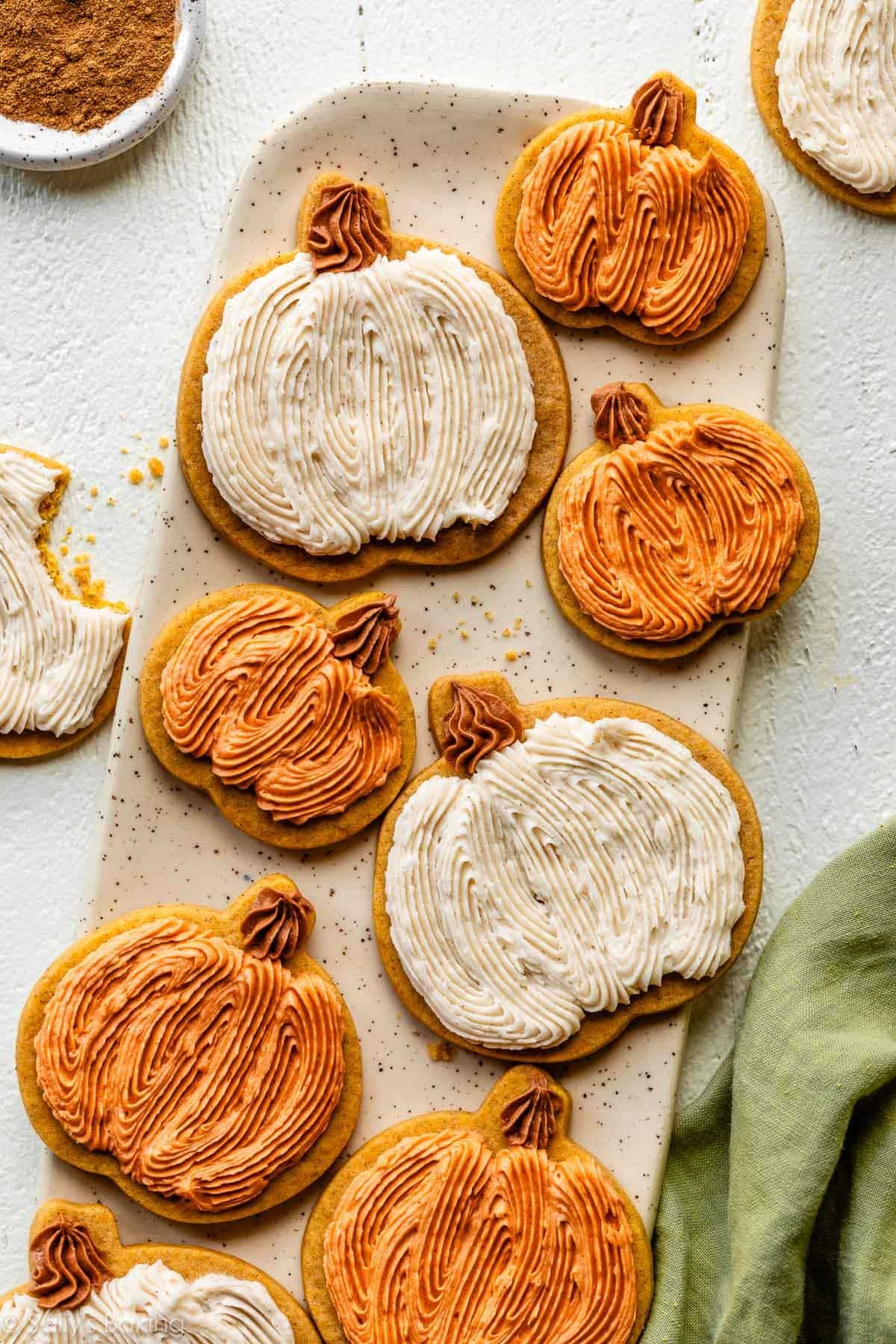
Professional pastry consultants note that the rise of social media-driven baking culture has elevated the standard for home-decorated cookies. Consequently, the ability to produce a cookie with a "smooth, flat top" has become a competitive benchmark for home bakers. The development of this specific recipe addresses this demand by ensuring the surface area remains consistent, allowing for the precise application of royal icing or buttercream, which are the industry standards for professional-grade finishings.
Structural Integrity and Ingredient Profiles
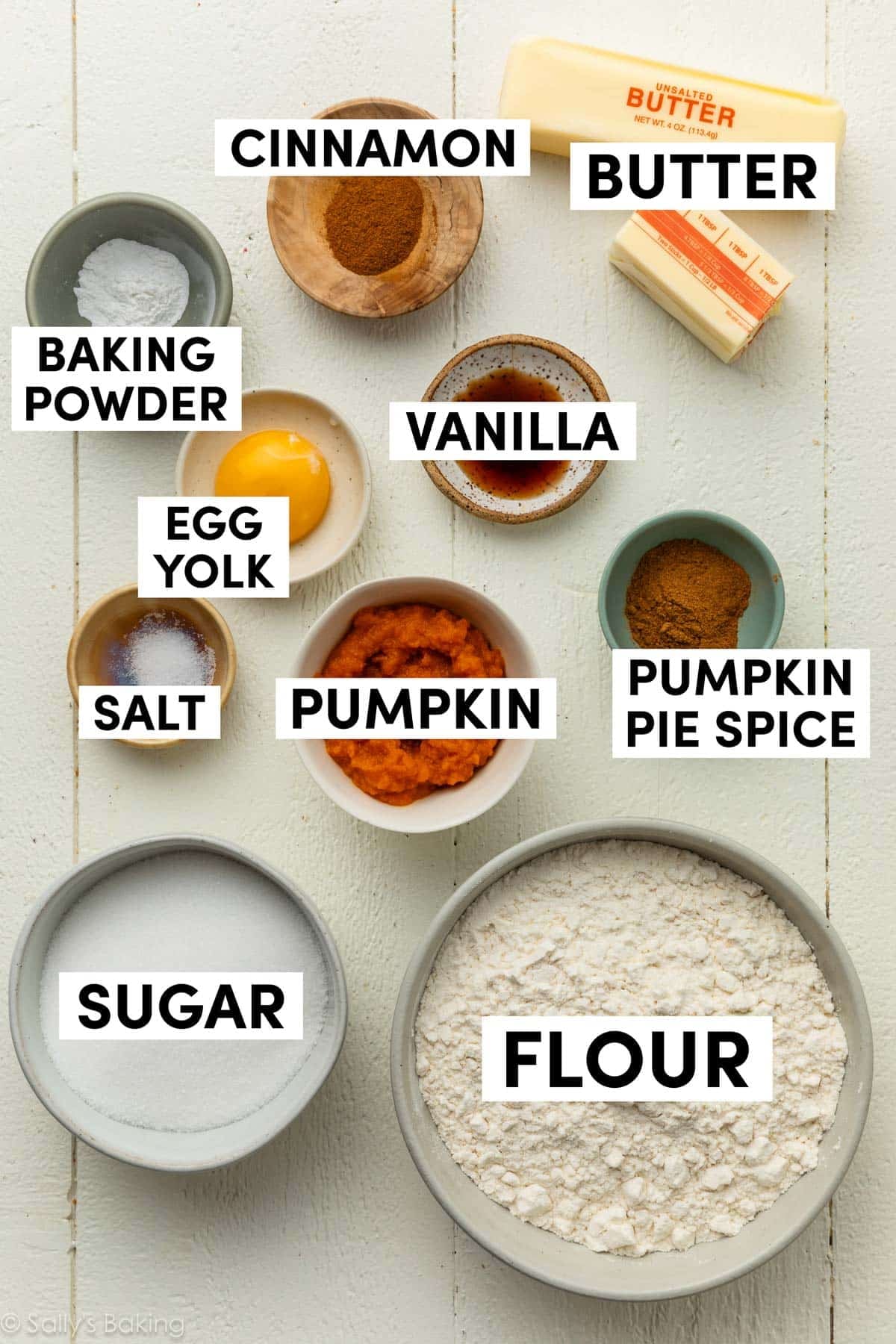
The success of this specific iteration of the pumpkin sugar cookie relies on the synergistic relationship between the pumpkin pie spice blend and the fat content of the butter. When the moisture is successfully removed, the proteins in the flour are able to form a structure that supports the weight of the cookie.
Ingredients essential to this structural balance include:
- Unsalted Butter: Acts as the primary fat source for flavor and texture.
- Granulated Sugar: Provides the base for sweetness and contributes to the crisp edges.
- Pumpkin Puree: The flavoring agent, which, once blotted, provides the characteristic color and subtle earthy sweetness.
- Pumpkin Pie Spice: A proprietary blend, typically consisting of cinnamon, nutmeg, ginger, and cloves, which masks the vegetal notes of the pumpkin while amplifying the traditional autumnal flavor profile.
Broader Implications for Seasonal Baking
The shift toward standardized, moisture-controlled baking techniques signifies a maturation in the home-baking industry. As consumers gain access to professional-grade tools and techniques, the margin between commercial bakery output and home-kitchen production continues to shrink.
The widespread adoption of these methods—specifically the emphasis on chilling dough and moisture-blotting—has implications for recipe developers and food media. The focus has moved away from simple "one-bowl" recipes toward more rigorous, process-oriented instructions. This trend suggests that modern bakers are willing to invest more time in the pre-baking phases (such as the mandatory 2-day chilling limit) in exchange for a higher quality, more aesthetically pleasing final product.
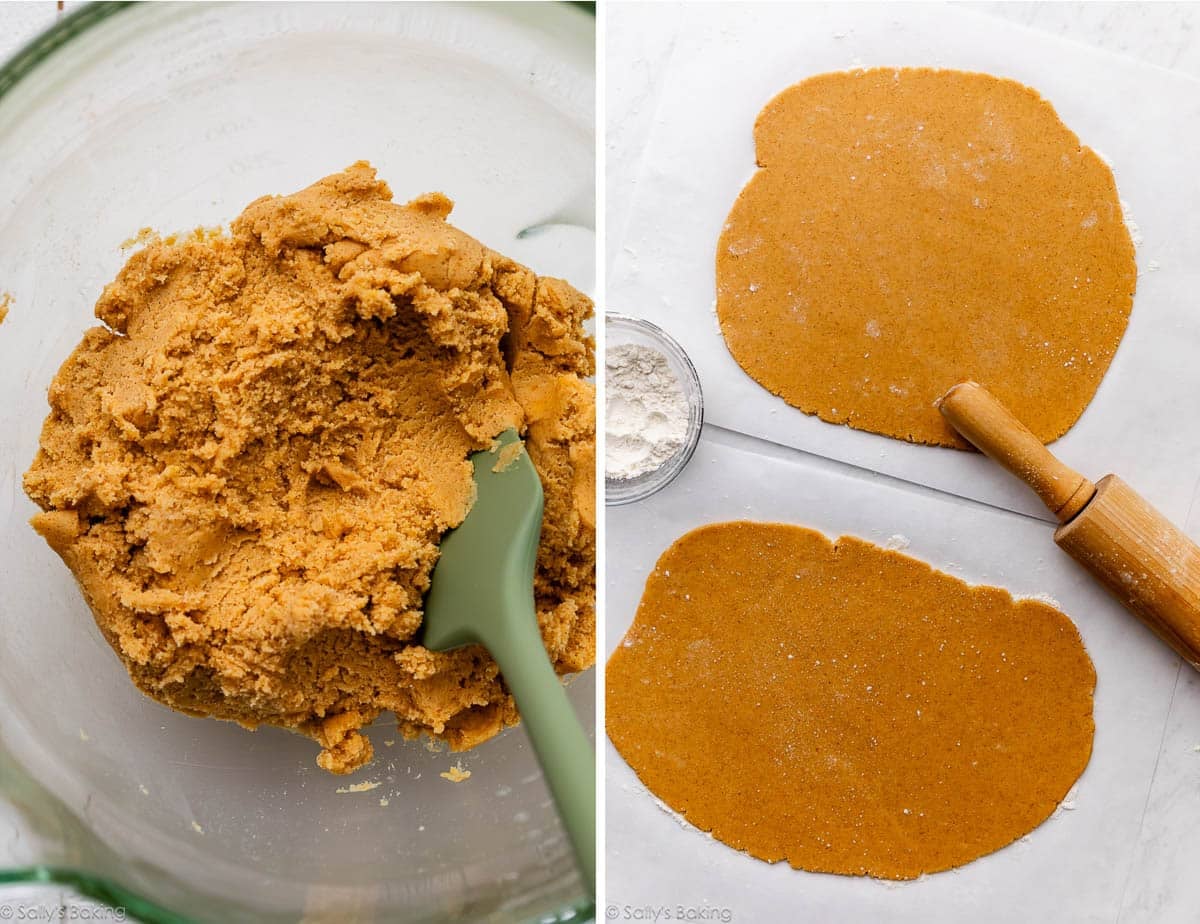
Furthermore, the versatility of these cookies—ranging from simple glazing with white chocolate to complex royal icing designs—highlights the cookie’s role as a canvas for creative expression. As the sector continues to evolve, it is likely that future recipe iterations will explore additional fruit and vegetable integrations, applying the same principles of moisture management established by this pumpkin-based innovation.
Ultimately, the technical success of the pumpkin sugar cookie serves as a case study in how simple mechanical adjustments—like blotting pumpkin puree—can overcome inherent culinary challenges. By adhering to these rigorous guidelines, the home baker is able to maintain the high standards of a traditional sugar cookie while embracing the flavor profile of the harvest season, resulting in a product that is both structurally sound and seasonally appropriate. The continued interest in these methods ensures that the culinary craft of decorative baking remains a vibrant and evolving component of the autumn retail and home-cooking market.