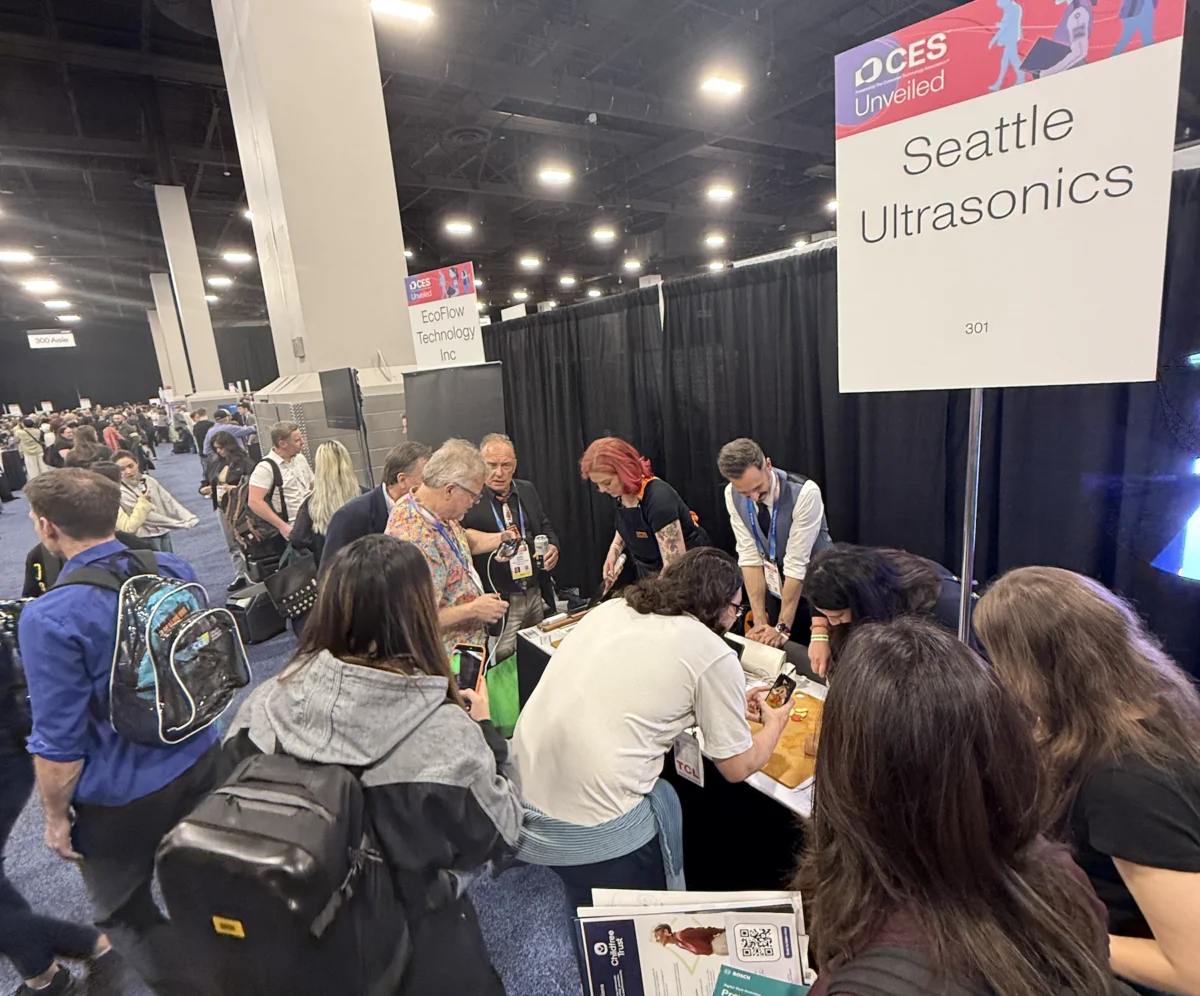

This week at CES, a revolutionary ultrasonic chef’s knife, poised to redefine culinary preparation, captured significant media attention. Debuting at CES Unveiled, the exclusive press event kicking off the Consumer Electronics Show in Las Vegas, the C-200 vibrating knife garnered write-ups in prominent tech publications like The Verge and Mashable, among others. Despite the widespread coverage and the culmination of six years of dedicated development, the product’s inventor, Scott Heimendinger, found himself unable to personally witness this pivotal moment in his product’s journey. The reason? A sudden and severe health complication that necessitated an emergency surgery, an intervention he ultimately chose to undergo over attending the industry’s premier technology showcase.
The absence of Heimendinger, who had meticulously planned his presence at CES as a cornerstone of his product’s launch strategy, was a poignant illustration of how unforeseen circumstances can dramatically alter even the most carefully laid plans. His journey to bring the ultrasonic knife from a conceptual idea to a tangible consumer product spanned a considerable six years, a testament to his perseverance and vision. However, life intervened in the form of excruciating pain stemming from cervical radiculopathy, a debilitating condition where nerves in the neck become compressed by issues such as herniated discs or bone spurs. The discomfort reached such an unbearable level that when an opportunity arose to expedite his scheduled surgery by two months in December, Heimendinger made the difficult decision to accept.
This choice was not made lightly. In the preceding autumn, Heimendinger found himself in a candid conversation with his long-time friend and early investor, Rand Fishkin. Fishkin, observing Heimendinger’s struggle to balance his demanding work with his deteriorating health, expressed his strong disapproval of Heimendinger’s approach to self-care. "I was laid up in bed, and all I could do was take out a laptop, totally just drowned in high-dose pain and nerve meds and stuff, and Rand and I had a little video chat," Heimendinger recounted during a recent Zoom interview from his home in Seattle. "And (Rand) basically threatened to speak at my early funeral if I didn’t take better care of myself. Like, actually focus on my health."
The inherent nature of launching a new consumer hardware product, especially one that Heimendinger had largely spearheaded himself, fostered a mindset of relentless dedication and pushing through discomfort. This "power-through mode," as he described it, had been a lifelong modus operandi. "That’s a hard thing for me to do," Heimendinger admitted. "I’ve kind of been in power-through mode forever, right? Like my whole life, it’s just like, ‘Oh, what do you do? You power through.’" Nevertheless, recognizing the validity of Fishkin’s stark warning, Heimendinger began to shift his focus toward prioritizing his well-being.
This recalibration involved making pragmatic arrangements for his small, dedicated team – comprising a single marketing lead and a part-time public relations representative – to manage the booth operations at CES Unveiled in his stead. The prospect of missing this critical event weighed heavily on him. CES represented the first opportunity for many journalists to experience the ultrasonic knife firsthand, a stark contrast to its initial online unveiling in the fall. Heimendinger understood the potential for a small team to become overwhelmed by the sheer volume of approximately 2,000 journalists who typically cycle through the three-hour Unveiled event.
It was during a conversation with Fishkin about his profound disappointment at missing CES and the immense personal significance of this moment that Fishkin presented an unexpected and generous offer. He proposed that he and his wife would attend in Heimendinger’s place. "And, you know, normally I would just say, like, ‘Oh, that’s so nice of you guys, thanks so much, but no, it’ll be fine,’" Heimendinger shared. However, embracing his newfound commitment to accepting help, he responded, "But I said, I’m going to try something new and try accepting a little more help when it’s offered. And I said, ‘Actually, if you’re serious, that would be incredible.’"
The proposition made perfect sense given the circumstances. As Heimendinger’s initial investor and the sole member of his company’s board, Fishkin possessed an intimate understanding of the product and its compelling narrative. Furthermore, Fishkin is a seasoned marketer renowned for his ability to create viral content that demystifies complex technological and business trends. His wife, Geraldine DeRuiter, is a professional author with a robust background in communications, further bolstering their collective ability to represent the product effectively. "So they’re well-versed in how to talk about the knife and can do so authentically," Heimendinger explained. "And so I said yes and accepted their help, and they were serious and made good on it."

The Technology Behind the Vibrating Blade
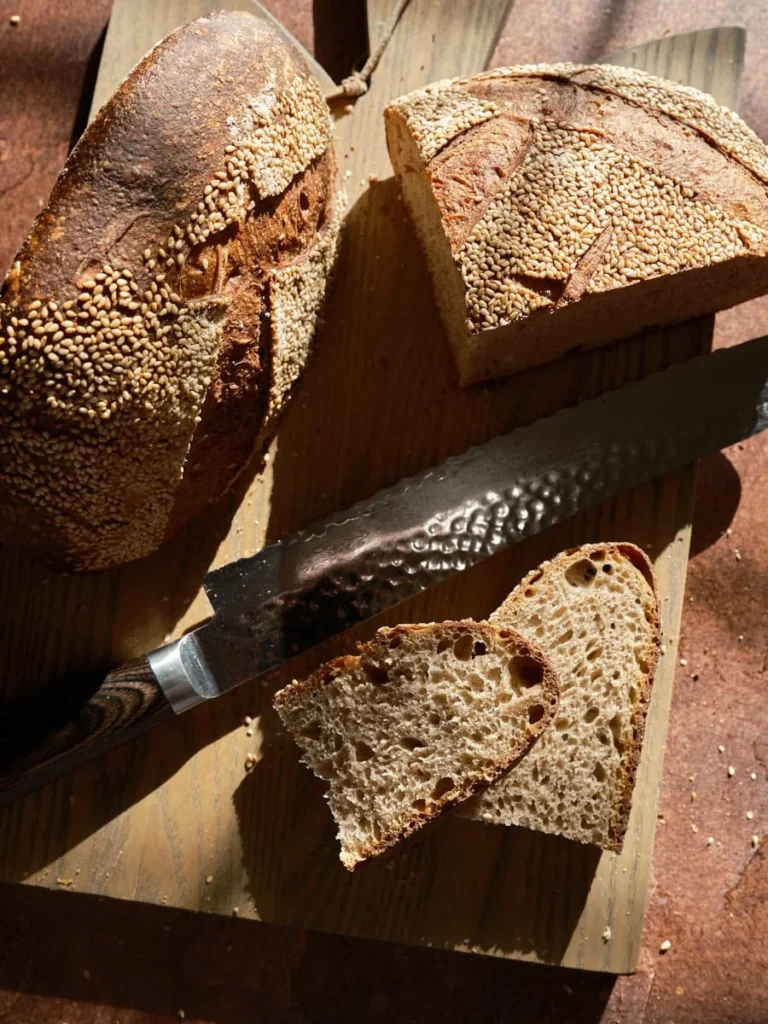
The C-200 ultrasonic chef’s knife represents a significant leap forward in kitchenware technology. At its core, the knife utilizes high-frequency vibration, oscillating at an astonishing 40,000 times per second. This rapid oscillation significantly reduces friction between the blade and the food, allowing for an exceptionally smooth and effortless cutting experience. Heimendinger claims that this innovative technology can reduce the perceived cutting effort by as much as 50 percent. When the ultrasonic function is deactivated, the knife performs as a premium, high-quality chef’s knife, offering versatility and exceptional craftsmanship.
Constructed from Japanese AUS-10 san mai stainless steel, the C-200 is designed for durability and longevity. It can be re-sharpened using conventional methods, ensuring it remains a reliable tool for years to come. The knife is currently available for pre-order at a price point of $499, with initial deliveries anticipated to commence in January 2026. This pricing positions the C-200 as a premium offering, targeting serious home cooks and culinary professionals seeking cutting-edge tools.
CES Unveiled: A Platform for Innovation
CES Unveiled serves as a crucial prelude to the main CES event, offering a curated environment for startups and established companies to showcase their latest innovations to a select group of media and industry analysts. Held annually in Las Vegas, it provides an exclusive platform for new products to generate early buzz and secure vital pre-show media coverage. This year, the event saw hundreds of companies presenting a diverse array of technologies, from artificial intelligence and smart home devices to advanced robotics and innovative kitchen gadgets.
The sheer density of media presence at Unveiled creates a unique opportunity for product launches. Journalists actively seek out groundbreaking technologies and compelling stories, making it a prime venue for inventors to connect with potential customers and investors. For Heimendinger, the presence of his small team, supported by the unexpected but invaluable assistance of Fishkin and DeRuiter, was a testament to the power of collaboration and the importance of a strong support network, especially when faced with personal challenges.
The Broader Implications: Health, Entrepreneurship, and Delegation
Heimendinger’s experience highlights a critical, often overlooked, aspect of entrepreneurship: the paramount importance of personal health. The relentless drive required to bring a complex product to market can easily lead to burnout and physical deterioration. His journey underscores the difficult but necessary realization that sustained success often hinges not just on individual effort, but on the ability to delegate, trust others, and prioritize well-being.
The willingness of Rand Fishkin and Geraldine DeRuiter to step in at such a crucial juncture speaks volumes about their belief in Heimendinger and his product. Fishkin’s background in marketing and DeRuiter’s expertise in communication provided a potent combination to effectively represent the C-200. This act of support not only ensured the product received the attention it deserved at CES but also allowed Heimendinger the space to focus on his recovery, a decision that ultimately benefits his long-term ability to lead and innovate.
While the C-200 did not have its inventor physically present at the unveiling, the product itself made a significant impression. Journalists were drawn to the innovative technology, leading to swift media coverage and generating the kind of sustained interest Heimendinger had envisioned. This outcome suggests that a well-conceived product, coupled with a capable and supportive team, can overcome the absence of its creator, even at a high-stakes event like CES.
For a product that has been in development for six years, the CES debut did not unfold precisely as Scott Heimendinger might have initially imagined. However, his experience serves as a powerful reminder that for even the most driven individuals who have spent a lifetime "powering through," sometimes the most significant step forward involves recognizing the wisdom of stepping back and allowing others to share the load. In this instance, the responsibility of presenting the knife, a tool designed to revolutionize culinary tasks, was entrusted to capable hands, ensuring that Heimendinger’s vision continued to move forward, even as he focused on his own vital recovery. The story of the ultrasonic knife at CES is not just about technological advancement; it is also a compelling narrative about the human element of innovation, the resilience of the entrepreneurial spirit, and the profound impact of friendship and support.