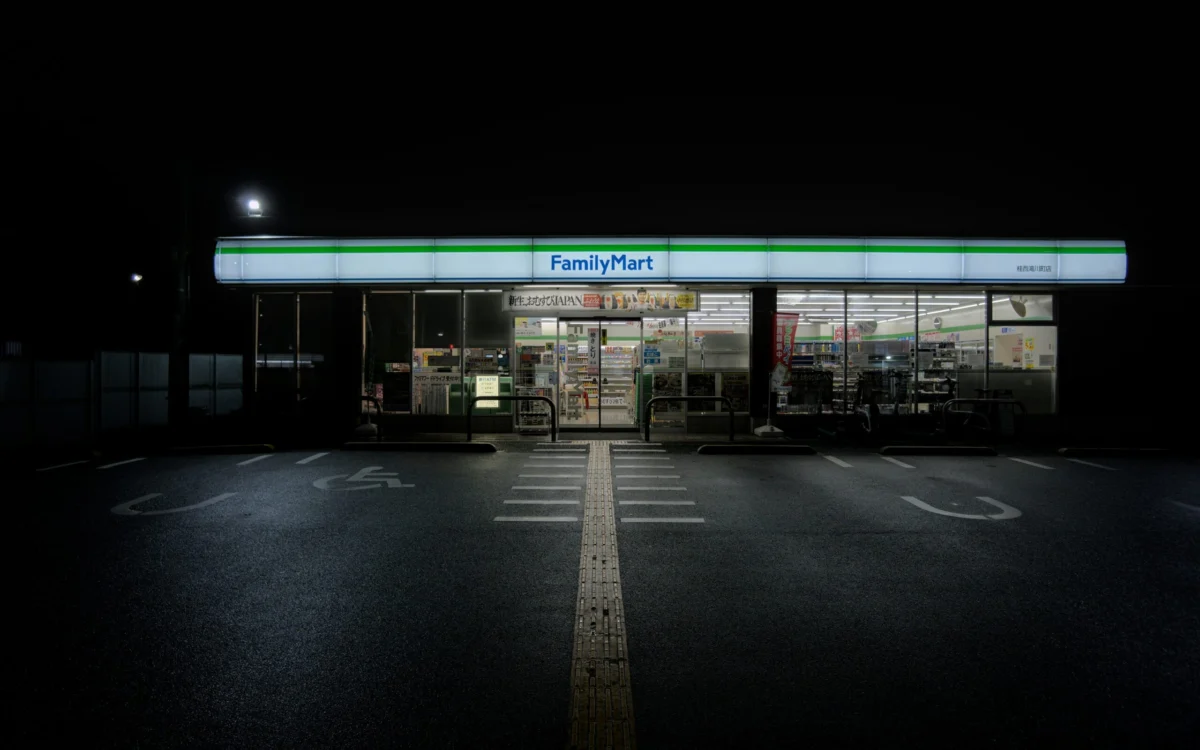

The ubiquitous convenience store, long a symbol of the quick, often uninspired, roadside meal, is poised for a radical transformation. Gone are the days of limited selections dominated by chips, beef jerky, and pre-packaged sandwiches that have sat on shelves for days. Danish food entrepreneur Daniel Baven is spearheading a revolution, aiming to redefine the highway dining experience by turning retail locations into dynamic, digitally-enabled food hubs. His company, Noahs, is building a platform that leverages digital ordering, modular kitchen infrastructure, and a rotating portfolio of culinary brands to offer fresh, in-house prepared meals, fundamentally altering the landscape of convenience food.
Baven’s vision is rooted in a keen observation of current market dynamics. He posits that traditional brick-and-mortar restaurants are increasingly strained by the economics of third-party delivery platforms, which often consume significant portions of their revenue. Simultaneously, retailers, particularly service stations and supermarkets, possess underutilized assets – space, staff, and even existing equipment – that can be repurposed to tap into the burgeoning digital food economy. This presents a dual opportunity: providing retailers with a vital new revenue stream and enabling them to embrace digital transformation.
The "Spotify of Food": A New Model for Retail Food Service
Noahs’ core offering is a sophisticated technological and operational framework that empowers retailers to host multiple distinct food concepts from a single physical location. Baven frequently likens this model to a "streaming service for restaurant brands," a concept he elaborates on by stating, "We want to be the broker of great brands where we can slot in famous brands to the retailers." While the "Spotify for X" analogy has been applied to numerous startups across various sectors, in this context, it effectively captures the essence of offering a diverse and adaptable culinary catalog. The system allows retailers to seamlessly integrate and switch between various food offerings – from pizza and tacos to gourmet sandwiches and specialized chicken dishes – with minimal disruption to their existing operations.
A key advantage of Noahs’ approach is its ability to minimize capital expenditure for retailers. In many instances, new food brands can be launched using equipment that service stations or supermarkets already possess. "We have a chicken brand where most service stations already have the equipment to run it," Baven explained. "So they don’t need any capex investment, and they can immediately go in and capture that sale." This eliminates a significant barrier to entry for retailers looking to diversify their offerings and capitalize on evolving consumer preferences.
Addressing Shifting Consumer Habits and Declining Traditional Revenue Streams
The traditional convenience store model is facing increasing pressure from several converging trends. A significant factor is the demographic shift in consumer habits, particularly among younger generations who are consuming less alcohol and tobacco than previous cohorts. These categories have historically represented a substantial portion of convenience store revenue. Furthermore, the accelerating adoption of electric vehicles (EVs) poses a long-term challenge to the fuel sales that have long been a cornerstone of service station business models.
Baven identifies fresh, high-quality food as the crucial antidote to these declining revenue streams. By offering diverse and appealing food options, convenience stores can attract a broader customer base and generate new income streams. This strategic pivot aligns with a broader industry trend towards experiential retail, where consumers seek more than just transactional purchases. The convenience store, once primarily a pit stop for necessities, can evolve into a destination for quality food experiences.
Noahs’ Growth Trajectory and Global Ambitions
Noahs has already established a significant presence in its native Denmark and is actively expanding across Europe. The company has ambitious growth targets, projecting an operational footprint of 600 locations by the end of 2026. While the majority of these locations are expected to be in Europe, Baven has clearly articulated plans for a substantial United States expansion within the next 12 months. This strategic push into the U.S. market signals Noahs’ confidence in its model’s global scalability and its potential to reshape American highway and suburban retail food offerings.

The company’s expansion timeline suggests a phased approach, with initial focus on densely populated corridors and areas with high traffic volume. The U.S. market, with its vast highway network and established convenience store infrastructure, presents a significant opportunity for Noahs to implement its vision on a large scale.
The Technological Backbone: Digital Ordering and Modular Kitchens
At the heart of Noahs’ innovation lies its proprietary technology stack. The platform integrates a seamless digital ordering system that allows customers to browse menus, place orders, and pay via mobile apps or in-store kiosks. This digital interface is directly linked to the modular kitchen units, which are designed for efficiency and adaptability. These modular kitchens can be configured to accommodate a variety of cooking styles and cuisines, enabling retailers to quickly introduce new brands or menu items based on local demand and seasonal trends.
This technological integration is crucial for optimizing operations. It allows for real-time inventory management, reduces order errors, and provides valuable data insights into customer preferences and sales performance. This data can then be used to further refine menu offerings and marketing strategies, creating a feedback loop that drives continuous improvement and profitability for both Noahs and its retail partners.
A Glimpse into the Future: The Hyper-Localized Food Hub
The implications of Noahs’ model extend beyond mere convenience. It heralds the emergence of the "hyper-localized food hub," where a single retail location can serve as a culinary nexus for an entire community. Imagine a truck stop offering not only gasoline but also a rotating selection of authentic Thai curries, artisanal pizza, and freshly prepared salads, all available for dine-in, takeout, or delivery. This diversification could revitalize struggling retail spaces and provide consumers with unprecedented access to a wide array of high-quality food options, regardless of their location.
Furthermore, the Noahs model has the potential to foster entrepreneurship within the food industry. By providing a ready-made infrastructure and a platform for distribution, Noahs can enable smaller, innovative food brands to reach a wider audience without the significant overhead associated with opening multiple physical locations. This could lead to a more vibrant and diverse culinary ecosystem, benefiting both consumers and food creators.
The transformation of the convenience store from a purveyor of snacks to a dynamic food hub represents a significant evolution in how we access and consume food. Daniel Baven and Noahs are at the forefront of this change, offering a compelling vision for a future where delicious, freshly prepared meals are as accessible as a bag of chips, even in the most remote locations. The success of this model could very well redefine the roadside dining experience for generations to come.
[Video Embed: The Spoon’s complete interview with Daniel Baven, titled "Why the Future of Highway Food Might Look More Like a Food Court."]