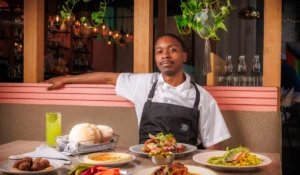

A comprehensive meta-analysis of the modern culinary landscape, derived from years of longitudinal interviews with hundreds of the world’s most influential chefs, has identified a specific set of psychological and operational traits that define sustainable success in the high-stakes world of professional gastronomy. Emmanuel Laroche, host of the podcast Flavors Unknown and author of "Conversations Behind The Kitchen Door," has synthesized these findings into a framework that transcends geographic borders and culinary styles. His research, which spans from Michelin-starred urban centers in the United States to the remote vanilla plantations of Madagascar, suggests that culinary excellence is less a product of innate genius and more a result of rigorous discipline, cultural rootedness, and a profound ethical commitment to the supply chain.
The Evolution of the Professional Kitchen: A Chronological Context
The professional kitchen has undergone a radical transformation over the last half-century. In the mid-20th century, the "brigade de cuisine" system, established by Georges Auguste Escoffier, prioritized military-style hierarchy and rigid adherence to classical French techniques. By the late 1990s and early 2000s, the "celebrity chef" era shifted the focus toward individual personality and avant-garde experimentation. However, Laroche’s findings indicate a third wave of evolution: the era of the "Conscious Practitioner."
This contemporary period, accelerated by the global pandemic and a shifting labor market, has forced a return to fundamentals while demanding a more humane and sustainable approach to leadership. The modern chef is no longer just a cook but a storyteller, an environmental steward, and a community leader. The eight traits identified by Laroche reflect this shift from the chef as a technician to the chef as a holistic professional.
The Eight Pillars of Modern Gastronomy
1. Technical Mastery as the Foundation of Innovation
A recurring theme among elite practitioners, such as Chef Tim Hollingsworth, is the belief that craft must precede creativity. Hollingsworth, who spent over a decade at the world-renowned French Laundry under Thomas Keller, epitomizes the "discipline first" mindset. In these high-pressure environments, repetition is not viewed as monotony but as the path to perfection. Data from culinary educational institutions suggests that students who master foundational knife skills and heat management are 40% more likely to retain executive positions within five years compared to those who prioritize "signature dishes" early in their careers.
2. The Ethical and Gastronomic Respect for Ingredients
The relationship between the chef and the producer has moved from a transactional model to a collaborative one. Laroche’s observations in Madagascar highlight the immense labor involved in producing staples like vanilla and cacao. This "Respect for Ingredients" is not merely aesthetic; it is an acknowledgment of the human labor and ecological health required to produce quality food. Figures like Farmer Lee Jones have been instrumental in this shift, advocating for a "soil-to-plate" philosophy that requires chefs to adapt their menus to the ingredient’s peak season rather than forcing nature to meet a static menu’s demands.
3. Cultural Authenticity and Personal Narrative
In an increasingly globalized world, the most successful chefs are those who leverage their specific cultural heritage. Chef Carlo Lamagna’s work with Filipino cuisine at Magna Kusina serves as a primary case study. Instead of conforming to Western culinary expectations, Lamagna and his contemporaries are using food to explore migration, family history, and identity. This shift has led to a more diverse and vibrant global food scene, moving away from the "Euro-centric" standard of fine dining toward a more pluralistic definition of excellence.
4. Intellectual Curiosity and Lifelong Learning
The most resilient chefs are those who maintain a state of "restless curiosity." This involves stepping outside the kitchen to study anthropology, history, and science. This trait prevents the creative stagnation that often plagues long-running restaurants. By remaining "students of the world," chefs can reinterpret traditional dishes through new lenses, ensuring their work remains relevant in a rapidly changing market.
5. Resilience in the Face of Systemic Failure
The restaurant industry is notoriously volatile, with the National Restaurant Association reporting that approximately 30% of new restaurants fail within their first year. Laroche notes that the differentiator for elite chefs like Alex Harrell is their response to such setbacks. The closure of a restaurant is often framed not as a terminal end but as a "culinary pivot." This resilience allows chefs to analyze failures—whether financial, critical, or creative—and integrate those lessons into subsequent ventures.
6. The Shift Toward Collaborative Leadership
The "authoritarian chef" archetype is being systematically replaced by leaders who prioritize mentorship. Chef Gabriel Kreuther is a vocal advocate for this evolution, emphasizing a kitchen culture where the "brigade" is a support system rather than a hierarchy of fear. Modern data on kitchen retention suggests that restaurants with collaborative cultures see a 25% lower turnover rate, a critical factor in maintaining the consistency required for Michelin or James Beard recognition.
7. The Synthesis of Innovation and Tradition
Innovation is most effective when it is grounded in an understanding of what came before. Chef Chris Shepherd’s "One/Fifth" concept in Houston demonstrated this by changing culinary themes annually. By mastering the traditions of various cultures before attempting to modernize them, Shepherd ensured that his innovations were respectful and informed rather than superficial.
8. Gastronomy as a Tool for Social Impact
Perhaps the most significant finding is the emergence of "Purpose Beyond the Plate." Leading chefs now view their platforms as tools for social and environmental change. This includes everything from reducing food waste and supporting local biodiversity to advocating for fair wages and community food security.
Supporting Data and Economic Realities
The importance of these traits is underscored by the current economic climate of the hospitality industry. According to recent industry reports:
- Labor Costs: Professional kitchens are seeing a 15-20% increase in labor costs, making the "Leadership" and "Mentorship" traits essential for operational efficiency.
- Consumer Trends: 68% of diners in the "fine-casual" and "fine-dining" segments report that the "story" or "origin" of ingredients significantly influences their dining choices, reinforcing the "Respect for Ingredients" pillar.
- Sustainability: Restaurants that actively promote sustainable sourcing and waste reduction see an average 5-7% increase in brand loyalty among Gen Z and Millennial demographics.
Industry Reactions and Expert Analysis
Culinary critics and industry analysts suggest that Laroche’s findings represent a "professionalization" of the chef’s role. "We are seeing the end of the chef as a cloistered artist," says one industry consultant. "The modern chef must be a polymath—part scientist, part historian, and part CEO."
Furthermore, culinary schools are beginning to integrate these soft skills into their curricula. Traditionally, culinary education focused almost exclusively on "Craft." Now, programs are adding modules on "Leadership Psychology," "Supply Chain Ethics," and "Cultural Anthropology" to better prepare students for the realities described in Flavors Unknown.
Broader Implications for the Future of Food
The identification of these eight traits has implications that reach far beyond the walls of professional kitchens. As the world faces challenges such as climate change, food insecurity, and the erosion of cultural traditions, the chef emerges as a pivotal figure in the global ecosystem.
By prioritizing "Craft Before Creativity," chefs ensure the survival of traditional skills. By fostering "Curiosity" and "Respect for Ingredients," they become the primary advocates for biodiversity. Most importantly, by embracing "Purpose Beyond the Plate," they transform the act of eating from a simple biological necessity into a profound act of connection and preservation.
Laroche’s work suggests that the future of gastronomy will not be defined by a single technique or a specific "it" ingredient. Instead, it will be defined by a generation of chefs who possess the emotional intelligence to lead, the technical skill to execute, and the moral clarity to understand their impact on the world. As the culinary world continues to evolve, these eight traits will likely serve as the definitive benchmark for what it means to achieve true excellence in the 21st century.