
The casual dining landscape is witnessing a significant transformation as Johnny Carino’s, a brand once synonymous with mid-2000s Italian dining, unveils its first ground-up prototype in nearly a decade. Located in Laredo, Texas, the new 6,000-square-foot restaurant represents the culmination of a meticulous 30-month development process aimed at reconciling the brand’s storied legacy with the demands of a modern, experience-driven consumer base. This launch marks a pivotal moment for the chain, which has navigated a turbulent decade characterized by financial restructuring, ownership changes, and a strategic retrenchment of its physical footprint.
The development of the Laredo prototype was not an overnight endeavor; rather, it was a two-and-a-half-year journey of architectural and conceptual refinement. Bluestone Hospitality Group, which acquired Johnny Carino’s in 2017, spent this period analyzing consumer shifts and the evolving competitive set within the full-service restaurant (FSR) sector. The goal was to move away from the heavy, often dark "Old World" aesthetics typical of late-90s Italian chains toward a bright, open, and beverage-forward environment. This 30-month timeline allowed the leadership team to survive the disruptions of the COVID-19 pandemic while simultaneously refining a design that could serve as a blueprint for future expansion.
A Decade of Turbulence and the Bluestone Acquisition
To understand the significance of the Laredo opening, one must look back at the brand’s precarious position ten years ago. Johnny Carino’s, originally founded as Carino’s Italian Grill, was a powerhouse in the casual dining sector during the mid-2000s, boasting a peak of 173 locations. However, the brand struggled to maintain consistency and relevance as consumer preferences shifted and the market became oversaturated with Italian concepts.
The chain’s financial instability led to two separate Chapter 11 bankruptcy filings within a three-year window—the first in 2014 and the second in 2016. These filings resulted in the closure of numerous underperforming locations and a loss of momentum that left the brand’s future in doubt. In 2017, Bluestone Hospitality Group stepped in to acquire the concept. Unlike previous owners, Bluestone brought a diverse portfolio of experience, operating as a multi-unit franchisee for high-volume brands like Popeyes and Burger King, as well as maintaining a presence in the hospitality and hotel segments.
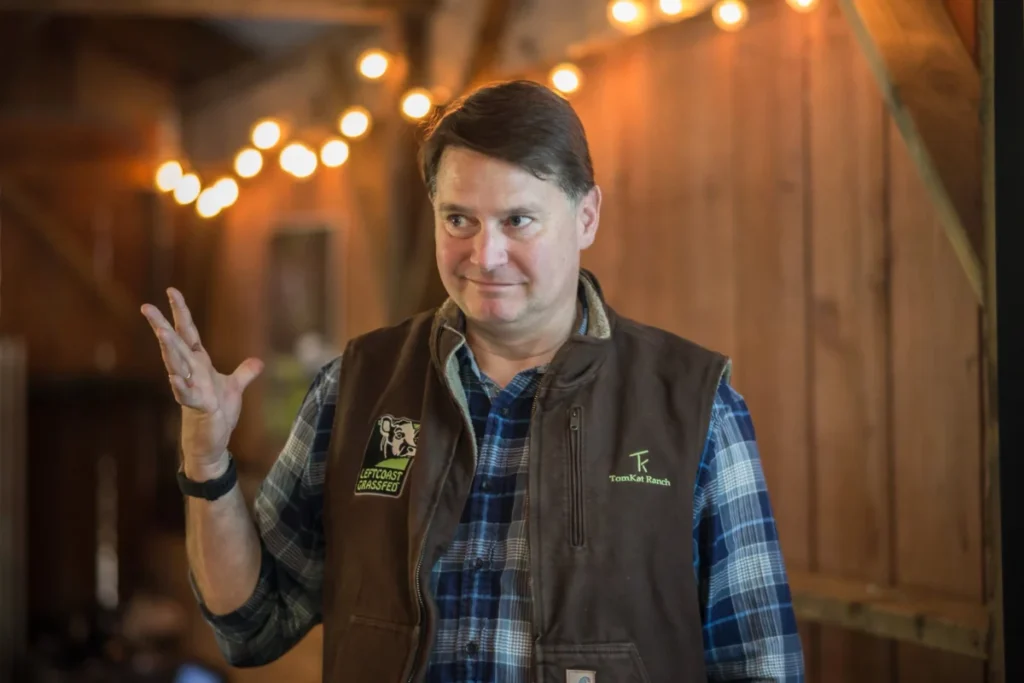
Under the leadership of CEO Allan Gantes, Bluestone’s approach was one of "long-term commitment." Gantes recognized that while the brand had suffered from financial turmoil, the core product—the "amazing food and recipes"—retained a loyal following. The challenge lay in the delivery and the environment. Gantes noted that even the strongest brands require time to reassess their audience in a market that is constantly moving. The acquisition began a period of "right-sizing," where the company focused on maintaining profitable locations while allowing outdated leases to expire naturally, eventually stabilizing the brand at its current 24-unit footprint.
The Laredo Prototype: Design and Aesthetic Evolution
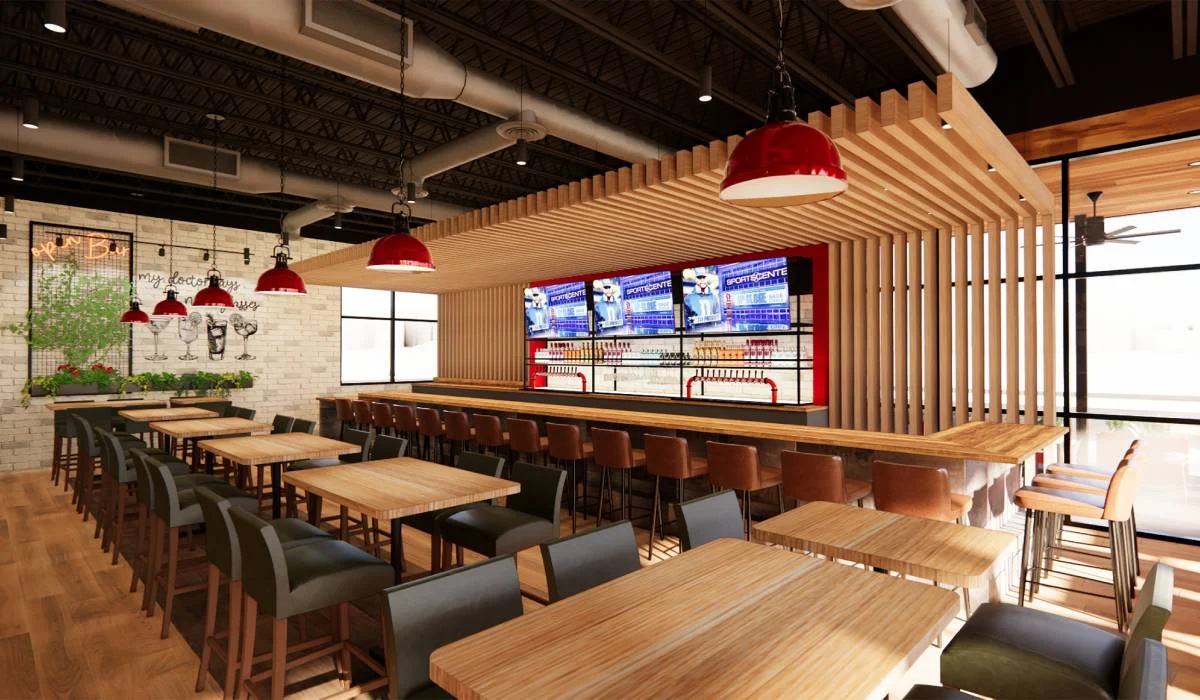
The new Laredo location is a physical manifestation of the brand’s "evolutionary" vision. Spanning 6,000 square feet, the building utilizes an open-concept layout designed to feel communal and energetic. A central feature of this new iteration is the significantly expanded bar area. In an era where quick-service restaurants (QSR) and fast-casual brands are capturing more of the "convenience" market, Johnny Carino’s is leaning into the "experience" factor that only full-service dining can provide.

The bar presence is bolstered by a revamped beverage program, which includes 20 draft beers and a sophisticated lineup of craft cocktails. Signature drinks like the Hibiscus Rosato Paloma and the Roma Mule are intended to appeal to a younger, more diverse demographic while offering a premium accompaniment to the brand’s traditional pasta and grill items. The inclusion of multiple high-definition televisions and a dedicated happy hour program further signals the brand’s intent to compete as a social destination rather than just a traditional dinner-only venue.
Beyond the bar, the design incorporates elements that celebrate the brand’s Italian heritage through a modern lens. A signature red Vespa scooter is displayed prominently, serving as a nod to the brand’s roots. The restaurant also features an outdoor patio equipped with fire pits, catering to the growing consumer demand for al fresco dining options. For the business community and social planners, the prototype includes a private dining space designed to accommodate a range of events, from corporate micro-meetings to large family brunches.
Strategic Market Selection and Consumer Sentiment
The decision to debut this prototype in Laredo was highly intentional. The city previously hosted a Johnny Carino’s location that was tragically lost in a fire. In the years following that loss, the brand observed a sustained level of "brand passion" from the local community on social media and through consumer inquiries.
"If you read our Facebook post from Laredo, the town is just wonderful," Gantes said, emphasizing that the brand chose a market where it already had high brand equity and a built-in audience. This strategy allows the company to gather high-quality consumer feedback in a "friendly" environment before scaling the design to other regions. By placing the prototype just three and a half hours from the company’s corporate headquarters in Austin, the leadership team can maintain a hands-on approach to operational monitoring during the critical first months of service.
The company is currently operating in ten states: Texas, California, Idaho, Kentucky, Indiana, New Mexico, Oklahoma, Oregon, South Dakota, and Tennessee. While the brand’s footprint is significantly smaller than its 2006 peak, the focus is now on quality and operational excellence rather than rapid, unchecked growth.
Operational Excellence and Future Expansion Strategy
For the immediate future, Johnny Carino’s is prioritizing "operational excellence" over new construction. The next several months will be dedicated to listening to guest feedback and ensuring that the assumptions made during the 30-month design phase translate into a superior guest experience. Gantes has been vocal about the need to appeal to both "legacy guests" and the "future customer," acknowledging the generational shifts in dining habits that have occurred since the brand’s heyday.
Once the Laredo model is proven, the strategy for expansion will focus on the central United States, particularly Texas and Oklahoma. There is also a secondary focus on the West Coast, specifically California, where the brand currently operates six locations.

The real estate strategy for future growth is notably flexible. While the Laredo site is a ground-up 6,000-square-foot build, the company has developed plans for prototypes ranging from 4,000 to 6,000 square feet. This allows the brand to adapt to different "Designated Market Areas" (DMAs) and real estate opportunities, such as high-traffic endcaps or smaller suburban plots. This flexibility is key to Bluestone’s goal of identifying "whitespace" on the map where the experience of polished casual dining is currently undervalued or missing.
Analysis: Navigating the Polished Casual Segment
The revitalization of Johnny Carino’s comes at a time of significant transition for the American casual dining sector. The "sea of brands" that Gantes referenced includes many aging concepts that have struggled to keep pace with the efficiency of fast-casual competitors like Chipotle or the premium experience of high-end independent eateries.
By positioning Johnny Carino’s as a "polished and premium" experience that remains affordable, Bluestone is attempting to carve out a niche in the "value-experience" gap. The brand is not looking to compete with the massive media budgets of Darden Restaurants or Brinker International. Instead, the focus is on a localized, high-touch experience.
Industry analysts suggest that the success of this turnaround will depend on the brand’s ability to maintain the "affordable luxury" perception. With inflation impacting food and labor costs, the commitment to refining kitchen processes—as mentioned by Gantes—will be critical. Delivering a high-quality product at a price point that remains relevant to middle-class families is the central challenge of the 2024 dining market.
Conclusion: A Defining Moment for the Brand
The opening of the Laredo prototype is more than just a new restaurant launch; it is a declaration of intent for Johnny Carino’s. After a decade of survival, the brand is shifting back into a growth mindset, albeit a cautious and calculated one. The 30-month investment in design reflects a belief that the brand’s future lies in its ability to offer something more substantial than a quick meal.
"We’re trying to fit a place in your life where we’re not having 2,000 restaurants on every corner," Gantes explained. By focusing on regional strength and a modernized, beverage-forward atmosphere, Johnny Carino’s aims to distinguish itself from the "clutter" of the modern restaurant landscape. As the brand looks toward the next decade, the success of the Laredo prototype will serve as the benchmark for whether this legacy Italian chain can truly reclaim its place in the hearts and habits of American diners.