
The intersection of household economic management and health-conscious meal preparation has led to a significant resurgence in "from-scratch" pantry staples, a movement recently highlighted by the release of specialized dry-mix formulations designed for long-term storage and cost efficiency. As inflationary pressures continue to impact the global food supply chain, domestic culinary experts are advocating for a shift away from pre-packaged commercial mixes in favor of DIY alternatives that offer "pennies on the dollar" savings. One such innovation is a high-yield, cake-style brownie mix that prioritizes both financial frugality and dietary flexibility, allowing consumers to toggle between traditional granulated sugar and sugar-free alternatives like sucralose. This strategic approach to baking not only provides the convenience of a ready-to-use product but also grants the consumer total transparency regarding ingredient quality and caloric density.

Economic and Nutritional Foundations of the DIY Movement
The primary driver behind the adoption of homemade dry mixes is the stark disparity in price-per-unit when compared to branded supermarket offerings. Commercial brownie mixes often carry a premium price tag attributed to packaging, marketing, and the inclusion of preservatives meant to extend shelf life in retail environments. By contrast, the DIY brownie mix formulation produces a substantial yield of approximately one kilogram (8 cups) of dry base, which is sufficient for five full pans of brownies. When broken down by volume, the cost of the raw ingredients—flour, cocoa, leavening agents, and sweeteners—represents a fraction of the cost of five equivalent store-bought boxes.
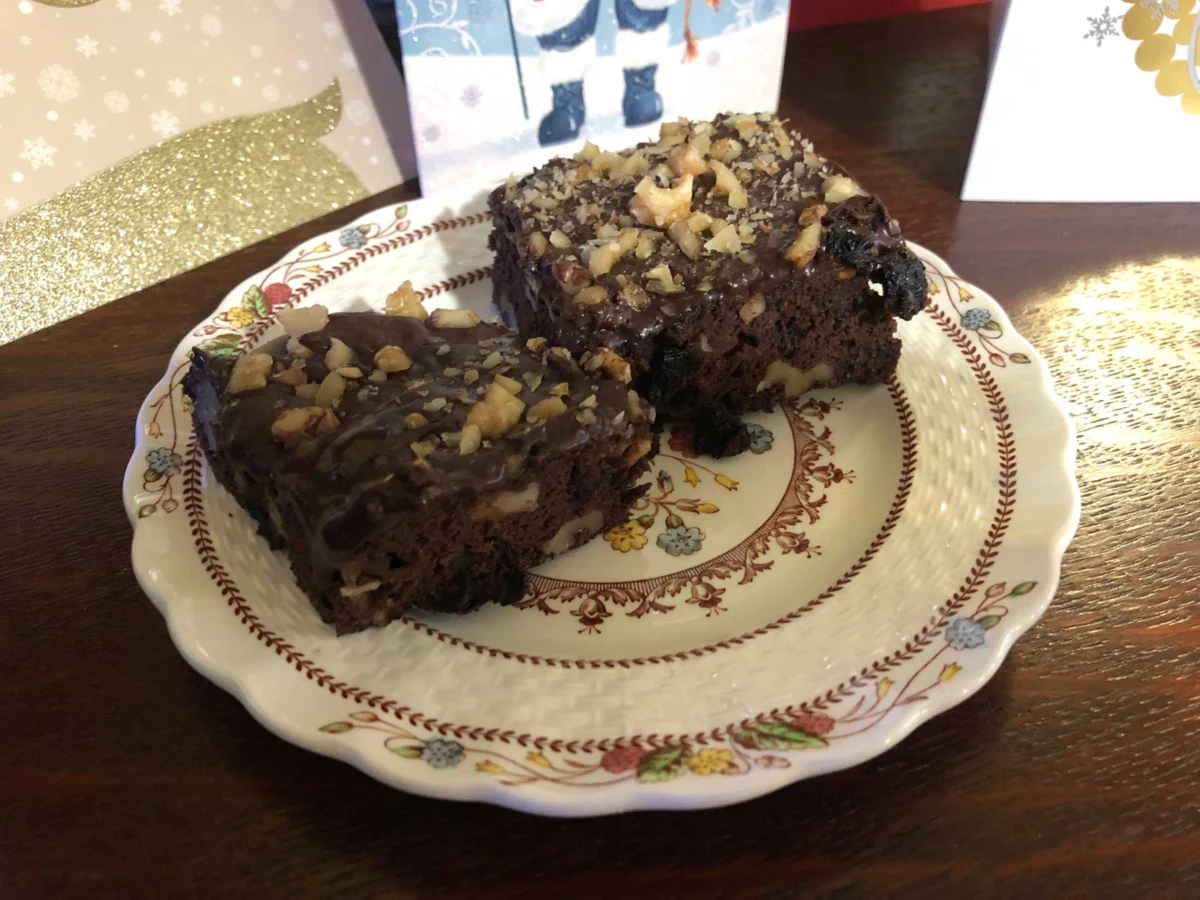
Nutritionally, the DIY approach addresses a growing demand for low-glycemic and weight-management-friendly desserts. The base recipe, which has been analyzed using Splenda (a brand-name sucralose) and low-fat margarine, yields a brownie square of approximately 50 grams containing only 116 calories and 8 grams of fat. For participants in structured weight loss programs, such as Weight Watchers, this translates to a modest 2 SmartPoints per serving. This level of caloric control is rarely achievable with commercial mixes, which typically rely on high-fructose corn syrup and hydrogenated oils to maintain texture and flavor.

Chronology of Development and the Evolution of the Brownie
The brownie, a quintessential American dessert, has undergone several iterations since its inception in the late 19th century. Historically, the first recorded "brownie" appeared in the 1896 Boston Cooking-School Cook Book, though it was more akin to a molasses cake. The modern chocolate-based version gained prominence in the early 1900s, eventually splitting into two distinct culinary camps: the "fudgy" brownie, which is dense and high in fat, and the "cake-style" brownie, which utilizes a higher flour-to-fat ratio and leavening agents for a lighter crumb.
The specific formulation of the DIY Brownie Mix currently circulating in food preservation circles originated from a single-batch recipe developed by sweetener manufacturers in early 2021. Recognizing the need for bulk preparation, culinary researchers adapted the single-serve instructions into a scalable dry mix. This transition mirrors the mid-20th-century "Convenience Era," where companies like General Mills and Duncan Hines revolutionized the American kitchen with "just add eggs" kits. However, the 2020s have seen a reversal of this trend, as consumers move back toward bulk-ingredient storage to mitigate supply chain disruptions and rising retail costs.
Technical Specifications and Preparation Protocols
The DIY Brownie Mix is engineered for stability and ease of use. A standard 1-kilogram batch is designed to be stored in an airtight container, ready to be deployed for individual baking sessions. The preparation of a single pan requires the measurement of specific volumes of the dry mix, which are then combined with wet ingredients such as eggs, vanilla, and a fat source (butter, margarine, or oil).
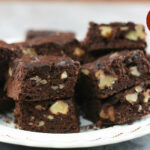
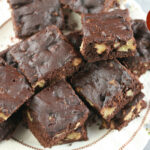
For those seeking to customize the recipe, the mix is highly adaptable. While the base recipe is optimized for sucralose, it can be reverted to a traditional sugar-based mix by substituting 4 cups (approximately 900 grams) of granulated white sugar for the artificial sweetener. Furthermore, the inclusion of walnuts or other mix-ins is encouraged, though it alters the nutritional profile, increasing the caloric count to approximately 131 calories per square.

A critical, often overlooked component of the preparation process is the safety protocol regarding raw flour. In recent years, health organizations such as the Centers for Disease Control and Prevention (CDC) have issued warnings regarding the consumption of raw flour, which can be contaminated with pathogens like E. coli or Salmonella during the milling process. The DIY instructions explicitly state that raw flour should be treated with the same caution as raw meat. Bakers are advised to wash hands and sanitize all surfaces after handling the dry mix to prevent foodborne illness, as the pathogens are only neutralized during the baking process.
Supporting Data: Cost-Benefit and Health Analysis
Quantitative analysis of the DIY Brownie Mix reveals significant benefits across multiple metrics. In a comparative study of retail prices versus bulk ingredient costs, the DIY mix provides a 60% to 75% reduction in cost per serving. This is particularly relevant for large families or community organizations that frequently host social events where baked goods are required.
From a chemical perspective, the use of sucralose in a dry mix requires careful balancing. Unlike sugar, which provides volume and "bulk" to a recipe, high-intensity sweeteners are often much lighter. The DIY formulation accounts for this by adjusting the ratios of flour and cocoa to ensure that the structural integrity of the cake-style brownie remains intact. The result is a dessert that maintains the sensory expectations of a traditional brownie—sweetness, chocolate intensity, and a soft crumb—without the metabolic impact of refined sugars.
Expert Responses and Market Implications
Nutritionists have largely responded positively to the DIY mix trend, noting that it empowers individuals with dietary restrictions, such as Type 2 diabetes, to enjoy desserts that fit within their carbohydrate-controlled plans. "The ability to control the type and amount of sweetener in a staple mix is a game-changer for long-term dietary adherence," says one clinical dietitian specializing in diabetic care.

On the economic front, market analysts suggest that the rise of DIY mixes is a symptom of a larger shift in consumer behavior. As the "middle aisle" of the grocery store becomes increasingly expensive, consumers are migrating toward the "perimeter" or the bulk sections. This shift is forcing major food corporations to reconsider their pricing strategies and ingredient transparency, as they now compete not just with other brands, but with the consumer’s own pantry.
Broader Impact and Future Outlook
The implications of the DIY Brownie Mix extend beyond the kitchen. This movement represents a broader push toward food sovereignty and sustainability. By creating mixes at home, consumers significantly reduce the amount of single-use plastic and cardboard packaging entering the waste stream. Furthermore, the ability to store large quantities of dry mix enhances household food security, providing a shelf-stable dessert option that does not rely on frequent trips to the grocery store.

Looking ahead, the DIY trend is expected to expand into other categories, including homemade pancake mixes, muffin bases, and savory seasoning blends. The success of the brownie mix serves as a proof-of-concept for the modern "digital pantry," where recipes are shared via online communities and adapted to meet the specific needs of diverse populations. As long as economic volatility and health consciousness remain top-of-mind for the public, the transition from store-bought convenience to home-made efficiency is likely to accelerate, redefining the standards of the contemporary American diet.