
Las Vegas, NV – The Consumer Electronics Show (CES) 2026, often a harbinger of technological futures, may well be etched in history as the year the robotics revolution truly captured the imagination of attendees. Across the sprawling Las Vegas Convention Center, an array of sophisticated humanoid robots demonstrated remarkable capabilities, from folding laundry and meticulously boxing goods to engaging in complex games and delivering product pitches with the polish of seasoned marketing professionals. This pervasive presence of advanced robotics set a compelling stage for a critical discussion on the future of automation within one of the most fundamental human domains: the kitchen.
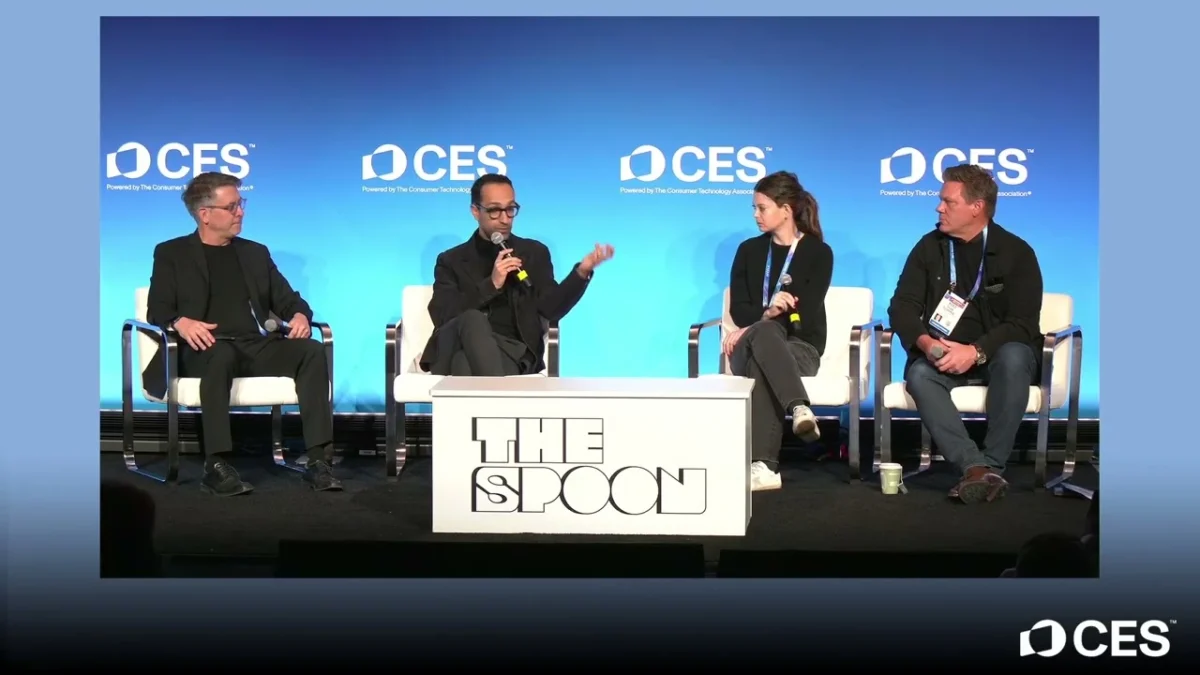
On the esteemed food tech stage, a pivotal session titled "Robot vs. Chef: Will AI Augment or Replace the Cook?" brought together a distinguished panel to dissect the burgeoning role of artificial intelligence and robotics in both domestic and professional culinary environments. Moderated by the author, the discussion featured renowned television chef Tyler Florence, a celebrated figure in culinary arts, alongside two leading minds in robotics development: Nicole Maffeo, representing Gambit Robotics, and Ali Kashani, of Serve Robotics. The objective was to move beyond the sensationalism of the show floor and delve into the practical, ethical, and societal implications of integrating robots into food preparation.
The overarching sentiment from the outset was a resounding rejection of the notion that AI and robotics are poised to render human chefs obsolete. Chef Tyler Florence, drawing from his extensive experience in crafting culinary experiences, articulated a nuanced perspective on AI, characterizing it not as an independent creative entity but rather as a responsive tool. "As great as AI is right now," Florence remarked, "it’s really all about the prompts. It’s not going to do anything if it’s just sitting there by itself." This statement underscored the fundamental dependence of AI on human direction and creativity, positioning it as an enhancement rather than a replacement for human ingenuity.
The Rise of Augmentation: Robots as Culinary Allies
The consensus among the panelists leaned heavily towards a collaborative future, where AI and robotics would serve as invaluable partners to human cooks and chefs. The primary focus for automation, they agreed, would be on undertaking tasks that are inherently repetitive, mundane, or physically demanding – the very aspects that can drain time and energy from culinary professionals, detracting from the creative and guest-facing elements of their work.
Ali Kashani elaborated on this point, highlighting the inherent inefficiencies and risks associated with certain kitchen tasks. "If you have that job, like coring an avocado, that’s not a great job," he explained. "It’s actually dangerous. People cut their fingers." Kashani argued that by delegating such high-risk, low-reward tasks to robots, the food industry could significantly reduce workplace injuries and, crucially, liberate human workers to engage in more stimulating and fulfilling aspects of their roles, such as recipe development, plating artistry, and direct customer interaction. This perspective positions robots not as usurpers of jobs, but as facilitators of improved working conditions and enhanced job satisfaction.
Beyond Humanoids: The Practicality of Specialized Robotics
The striking visual spectacle of advanced humanoids performing a multitude of tasks on the CES show floor stood in stark contrast to the panelists’ practical vision for kitchen robotics. When questioned about the relevance of human-like form factors in culinary applications, a unified response emerged: humanoids are unlikely to become commonplace in restaurants or home kitchens in the foreseeable future.
"No one wants a man coming out of their closet to come and cook them dinner and then going back in," quipped Kashani, illustrating the often-unsettling implications of anthropomorphic robots in domestic settings. Nicole Maffeo echoed this sentiment, emphasizing the need for practical solutions over perceived novelty. "We don’t need someone coming out and doing all these things for us," she stated. "Just help us solve these simple pain points that waste so much of our time."
Maffeo advocated for a more distributed and specialized approach to robotics. She posited that for the next decade, the industry would likely see greater success with robots designed for specific, single-purpose functions. These specialized units, she argued, are not only more cost-effective to develop and deploy but also more practical for integration into existing kitchen workflows. This strategic focus on utility over form factor suggests a measured and pragmatic evolution of kitchen automation.
The Enduring Value of Human Craftsmanship

In an era of accelerating technological advancement, the question naturally arises regarding the future of culinary artistry as exemplified by figures like Tyler Florence, whose career has been built on the foundation of human skill and intuition. Florence offered a compelling counter-narrative: as robotics and AI become increasingly ubiquitous, the intrinsic value of human-crafted food is poised to escalate. He predicted a future where the "human touch" in food preparation becomes a distinct mark of luxury and authenticity.
"Human-made will become the new luxury item," Florence declared. "Things that feel like this is made by a human being, thought of by a human being, produced by a human being." This sentiment suggests a potential bifurcation in the food market, with mass-produced, efficiently prepared meals coexisting alongside premium offerings that emphasize human origin, creativity, and artisanal quality. In high-end dining establishments, he foresaw automation remaining largely behind the scenes, allowing for enhanced operational efficiency while elevating the human interaction and personalized service that patrons increasingly seek and are willing to pay a premium for.
Intelligence in the Home: Enhancing Domestic Culinary Experiences
While the professional culinary world was a focal point, the discussion also ventured into the realm of home kitchens. The vast majority of meals are prepared and consumed within domestic spaces, making the integration of automation and AI here a critical consideration. Kashani projected a future where everyday kitchen appliances will be imbued with intelligence derived from technologies such as computer vision, the Internet of Things (IoT), and advanced automation.
"Every step of that process, we can be assisting people with the help of AI and robots," Kashani affirmed, envisioning a seamless integration that aids in meal planning, minimizes food waste, and simplifies food preparation for households. This future promises a more efficient, sustainable, and less burdensome domestic culinary experience.
Kashani also highlighted the significant potential for automation and AI to support aging-in-place initiatives. As populations age, technologies that can assist with daily tasks, including meal preparation and management, become increasingly vital. Maffeo concurred, anticipating greater integration of smart technologies within pantries and refrigerators to proactively assist individuals with meal planning and inventory management, thereby promoting healthier eating habits and greater independence.
Societal and Cultural Implications: A Cautiously Optimistic Outlook
As the panel drew to a close, the conversation broadened to encompass the long-term societal and cultural implications of widespread robotics and AI adoption in the food sector. Surprisingly, a prevailing sense of cautious optimism permeated the discussion. Kashani drew upon historical precedent, arguing that technological advancements, while disruptive, have historically led to the creation of new job categories rather than outright mass unemployment. "Every such prediction in the past has been wrong," he asserted, referencing the consistent pattern of employment growth alongside technological evolution.
While acknowledging the potential for job displacement in certain sectors, the author offered a counterpoint, suggesting that the transition would not be without its challenges, though a deeper exploration of concepts like universal basic income was beyond the scope of the session.
Chef Florence introduced a significant cultural dimension, emphasizing the profound connection between food, memory, and identity. "We’re all defined by what our grandparents cooked," he stated, underscoring the role of culinary traditions in shaping personal and collective heritage. This perspective highlights the intangible yet deeply human aspects of food that technology may struggle to replicate, further bolstering the argument for the enduring value of human culinary expression.
The session concluded with a robust exchange of ideas, providing valuable insights into a future where the lines between human and robotic assistance in the kitchen continue to blur. The discussions served as a vital counterpoint to the dazzling, yet sometimes speculative, displays on the CES show floor, grounding the conversation in practical applications, human-centric benefits, and the enduring cultural significance of food. The full session, available for viewing, offers a comprehensive exploration of this transformative intersection of technology and gastronomy.