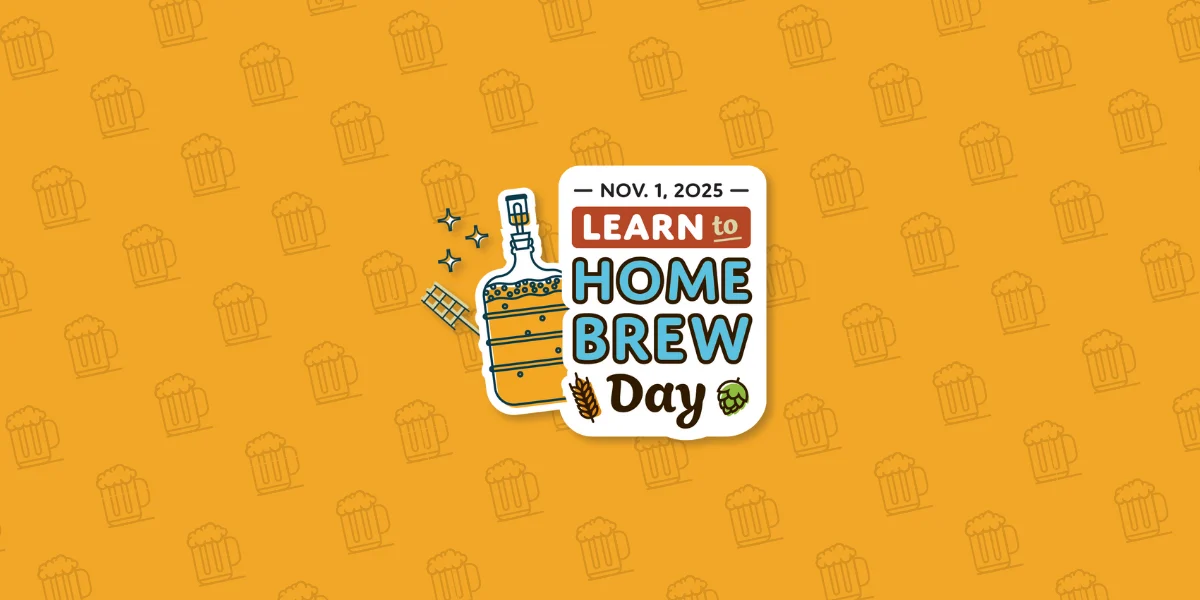

The American Homebrewers Association (AHA) has officially designated Saturday, November 1, 2025, as the 27th annual Learn to Homebrew Day, a global initiative designed to introduce newcomers to the craft of fermentation and celebrate the vibrant community of amateur brewers. Established in 1999, the event serves as a focal point for the homebrewing calendar, encouraging enthusiasts to share their technical knowledge, equipment, and finished products with the public. This year’s celebration arrives at a pivotal moment for the hobby, as the AHA continues to modernize its resources and expand its reach to a diverse, international audience of beer, cider, and mead makers.
By providing official recipes and comprehensive educational resources, the AHA aims to lower the barrier to entry for prospective brewers while offering seasoned veterans an opportunity to refine their skills. The 2025 event will feature a dual-recipe approach, catering to different skill levels and equipment setups, ensuring that anyone with a kitchen stove and a curiosity for fermentation can participate. As the craft beer industry continues to evolve, the AHA remains committed to its foundational mission: promoting the community of homebrewers and protecting the right to brew at home.
The Historical Trajectory of Learn to Homebrew Day
The origins of Learn to Homebrew Day are deeply rooted in the broader American craft beer revolution. In 1999, the AHA established the first Saturday in November as a dedicated day for education, strategically placed just before the holiday season when many individuals consider taking up new hobbies or purchasing starter kits. Since its inception, the event has grown from a handful of small gatherings in American garages to a worldwide phenomenon, with organized events spanning across Europe, South America, and Asia.
The timeline of homebrewing in the United States is a narrative of grassroots advocacy. While the 21st Amendment repealed Prohibition in 1933, it failed to explicitly legalize homebrewing at the federal level. It was not until 1978 that President Jimmy Carter signed H.R. 1337, which created an exemption from taxation for beer brewed at home for personal or family use. This legislative milestone paved the way for the founding of the AHA by Charlie Papazian that same year. Learn to Homebrew Day stands as a modern tribute to this hard-won legality, serving as an annual reminder of the freedom to create fermented beverages at home.
The 2025 Program: Official Recipes and Educational Support
For the 2025 iteration of the event, the American Homebrewers Association has curated two official recipes designed to showcase specific brewing techniques and flavor profiles. These recipes are traditionally selected to balance accessibility for beginners with enough complexity to engage experienced brewers. While the specific ingredients vary annually, they often highlight seasonal availability or emerging hop varieties, providing a snapshot of current trends in the brewing world.
To support these recipes, the AHA provides a suite of digital resources, including step-by-step instructional videos, equipment checklists, and troubleshooting guides. These materials address the primary challenges faced by novice brewers, such as sanitation protocols, temperature control, and yeast management. By standardizing the recipes for the day, the AHA creates a "global brew-in" effect, where thousands of individuals are essentially making the same batch of beer simultaneously, facilitating a massive, decentralized data-sharing event through social media and community forums.
Economic Impact and the Pipeline to Professional Brewing
Homebrewing is far more than a recreational pastime; it is a significant economic driver and the primary incubator for the professional craft beer industry. According to data from the Brewers Association, the parent organization of the AHA, a substantial majority of professional craft brewers in the United States began their careers as homebrewers. This "hobbyist-to-professional" pipeline has been responsible for the explosion of the American craft beer market, which contributed billions of dollars to the U.S. economy in recent years.
The homebrewing supply industry itself represents a robust market segment. Retailers specializing in malted barley, hops, yeast, and specialized hardware—ranging from simple plastic buckets to sophisticated, automated electric brewing systems—depend on events like Learn to Homebrew Day to stimulate seasonal sales. Industry analysts note that during the fourth quarter, there is typically a surge in the purchase of "starter kits," as Learn to Homebrew Day events demystify the process for consumers who may have previously found the technical aspects of brewing intimidating.
The Role of Homebrew Clubs and Community Organizations
At the heart of Learn to Homebrew Day are the more than 1,500 registered homebrew clubs worldwide. These organizations serve as the local engines for the event, hosting public demonstrations at local breweries, home improvement stores, and community centers. These gatherings provide a hands-on environment where interested individuals can see the boiling process, smell the aromatic addition of hops, and understand the vital role of sanitation in real-time.
Statements from club leaders often emphasize the social fabric of the hobby. "Homebrewing is inherently a social activity," notes one regional AHA representative. "While the act of brewing can be done alone, the joy of the hobby comes from the feedback of peers and the shared experience of creating something unique. Learn to Homebrew Day is our biggest recruitment tool, but more importantly, it is our way of giving back to the community by sharing the science and art of what we do."
In addition to clubs, professional craft breweries often participate by hosting "Big Brew" events, where they allow homebrewers to set up their portable rigs on the brewery floor or in the parking lot. This synergy between the professional and amateur sectors reinforces the collaborative nature of the brewing industry, where information and techniques are frequently shared across the "pro-am" divide.
Technical Advancements and the Modernization of the Hobby
The 2025 celebration also highlights the technological shift that has occurred within the hobby over the last decade. While traditional homebrewing often required a complex setup of propane burners, heavy kettles, and cooling coils, the modern era is defined by the rise of All-In-One (AIO) electric brewing systems. These devices, which integrate heating elements and digital controllers, have made brewing more accessible to apartment dwellers and those with limited space.
Furthermore, the science of homebrewing has become more sophisticated. Amateur brewers now have access to laboratory-grade yeast strains, advanced water chemistry calculators, and digital fermentation monitors that provide real-time data to smartphones. The AHA has adapted its educational content to reflect these changes, offering webinars on advanced topics like hazy IPA stabilization, sour beer microbiology, and the use of ancient grains. Learn to Homebrew Day 2025 will serve as a showcase for these technologies, demonstrating that the "art" of brewing is increasingly supported by high-level "science."
Broader Implications and Global Influence
The influence of the American Homebrewers Association and Learn to Homebrew Day extends well beyond U.S. borders. The AHA’s guidelines for beer styles are used as the gold standard for competitions globally, and the educational framework established by the association has been adopted by international brewing guilds. By promoting a specific day for learning, the AHA helps to standardize brewing education, ensuring that best practices in safety and quality are disseminated worldwide.
There is also a significant cultural implication to the growth of homebrewing. In many regions, homebrewing has led to a revival of traditional or "forgotten" beer styles. Amateur brewers are often more willing to experiment with non-commercial ingredients—such as local fruits, spices, or wild yeast cultures—than large-scale commercial operations. This experimentation frequently influences commercial trends, as seen with the rise of the Gose and Saison styles, which were kept alive by homebrewers long before they became staples on craft brewery tap lists.
Future Outlook: Sustainability and Diversity in Brewing
Looking ahead to the November 1st event, the AHA is also placing an increased emphasis on sustainability and diversity within the brewing community. New initiatives encourage brewers to consider their environmental footprint by optimizing water usage and repurposing spent grain as animal feed or compost. Additionally, the AHA has launched programs aimed at increasing participation among underrepresented groups in the brewing community, recognizing that a more diverse membership leads to a richer variety of perspectives and flavors.
As Learn to Homebrew Day 2025 approaches, the association is preparing for record digital engagement. Through the use of dedicated hashtags and live-streamed brewing sessions, the AHA expects to connect tens of thousands of participants. This digital integration ensures that even those in remote areas or regions without active homebrew clubs can participate in the collective experience.
Conclusion: The Enduring Legacy of DIY Fermentation
Learn to Homebrew Day is more than an annual event; it is a celebration of human ingenuity and the ancient tradition of fermentation. Since its establishment in 1999, it has evolved into a comprehensive educational platform that supports a global industry and a passionate community. On November 1, 2025, as kettles begin to boil from Tokyo to Topeka, the American Homebrewers Association will once again prove that the art of making beer is a universal language.
Whether motivated by the desire to save money, the pursuit of a specific flavor profile, or the simple satisfaction of creating something by hand, new brewers will join the ranks of a community that has defined the modern beverage landscape. With the support of the AHA’s recipes and resources, the next generation of brewers is well-positioned to continue the legacy of innovation and excellence that has characterized the homebrewing movement for nearly half a century. Through education and community, Learn to Homebrew Day ensures that the kettle remains full and the spirit of DIY brewing continues to thrive.