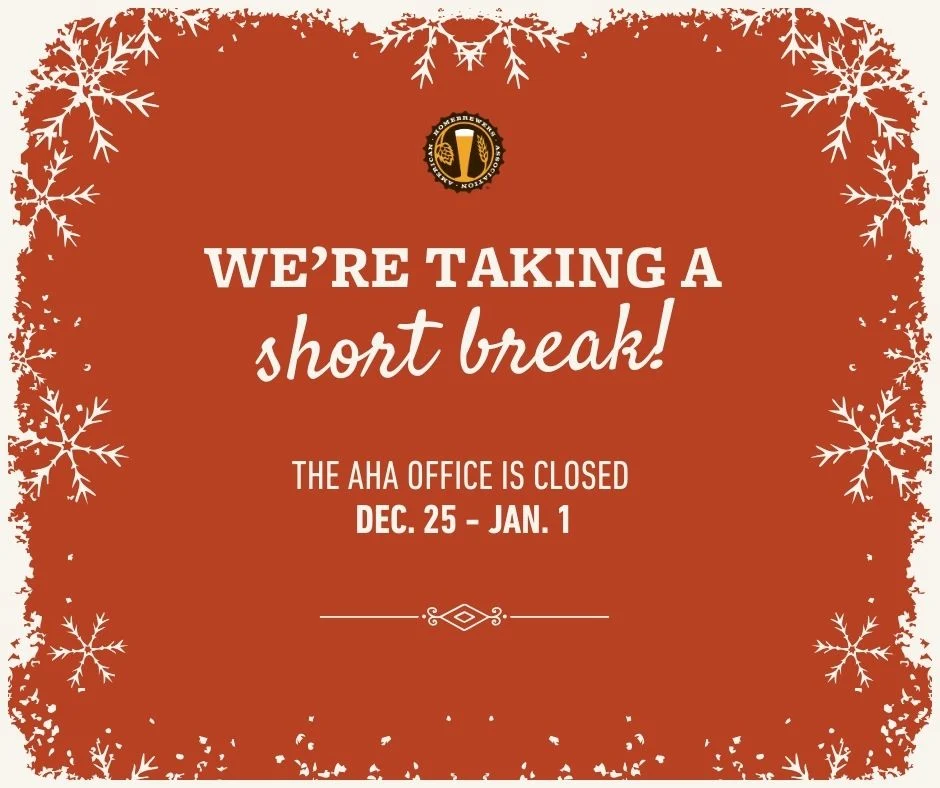

The American Homebrewers Association (AHA) has officially confirmed a temporary suspension of its primary operations and member services starting December 25, 2025, with a scheduled return to full capacity on January 2, 2026. This week-long closure, described by the organization as a period for its team to "refresh and recharge," marks a traditional end-of-year transition for the Boulder, Colorado-based institution, which serves as the primary advocacy and educational hub for the nation’s estimated 1.1 million homebrewers. While the physical and administrative offices will be shuttered, the organization emphasized that its digital repositories, including the extensive Zymurgy magazine archives and online brewing resources, will remain accessible to the global community of fermentation enthusiasts throughout the holiday interval.
Organizational Context and Historical Significance
The American Homebrewers Association, a division of the Brewers Association (BA), has been the cornerstone of the amateur brewing community since its inception in 1978. Founded by Charlie Papazian and Charlie Matzen in Boulder, the AHA was established during a pivotal era when homebrewing was still technically illegal under federal law in the United States. The organization played a critical role in the advocacy efforts that led to the passage of H.R. 1337, signed by President Jimmy Carter, which federally legalized homebrewing for personal or family use.
Since those foundational years, the AHA has grown from a niche hobbyist group into a powerhouse of technical education and legislative influence. Its year-end closure is more than a simple holiday break; it represents a strategic pause for an organization that manages massive annual events, including the National Homebrew Competition—the world’s largest international beer competition—and Homebrew Con. The timing of the 2025-2026 hiatus aligns with a broader industry trend within the non-profit sector to prioritize employee mental health and organizational recalibration following a demanding calendar of advocacy and event management.
The Economic Impact of the Homebrewing Sector
To understand the significance of the AHA’s role, one must look at the data surrounding the homebrewing economy. According to the most recent industry surveys conducted by the Brewers Association, homebrewers in the United States produce more than 1.4 million barrels of beer annually. This output represents approximately 1% of the total US beer production, a staggering figure for a community of non-commercial producers.
The economic footprint of this sector extends into the retail market, where hundreds of independent homebrew supply shops (LHBS) operate across the country. These small businesses rely on the AHA for educational content and promotional initiatives like "Learn to Homebrew Day" and "Big Brew for National Homebrew Day." The AHA’s decision to pause operations during the final week of the year reflects a period where retail supply shops often experience a surge in sales as hobbyists utilize holiday downtime to engage in complex brewing projects, such as high-gravity winter warmers or barrel-aged stouts that require extended fermentation periods.
Chronology of the 2025 Winter Outage
The 2025 winter outage follows a structured timeline designed to minimize disruption to the membership base:
- December 20, 2025: Final processing of physical membership kits and merchandise orders for the 2025 calendar year.
- December 24, 2025: Official closing of administrative support channels and member inquiry hotlines at 5:00 PM MST.
- December 25, 2025 – January 1, 2026: Full operational hiatus. During this window, the AHA’s social media presence will be limited to pre-scheduled holiday greetings and automated community engagement.
- January 2, 2026: Resumption of standard business hours. This date marks the beginning of the 2026 fiscal cycle and the launch of preliminary registration details for the spring event season.
This timeline is consistent with the AHA’s historical operational model, though the 2025 announcement was accompanied by a more robust digital outreach campaign to ensure members were aware of the "Winter Outage" branding, as evidenced by the high-resolution visual assets distributed via the organization’s social media platforms.
Technical Resources and Digital Continuity
While the AHA staff is off-duty, the organization’s digital infrastructure remains a vital resource for brewers troubleshooting fermentation issues during the holiday week. The AHA’s website hosts a proprietary database of thousands of award-winning beer recipes, ranging from traditional European lagers to experimental New England IPAs.
Furthermore, the "Zymurgy" digital archive provides members with access to over 40 years of brewing science and history. In the professional brewing world, the week between Christmas and New Year is often a period of reflection and recipe development. By maintaining these digital assets, the AHA ensures that the educational mission of the organization continues even when personnel are absent. This continuity is essential for the "pro-sumer" segment of the membership—brewers who utilize homebrewing as a R&D platform for eventual commercial ventures.
Industry Implications and Labor Trends
The decision to close for a full week reflects a maturing perspective on labor within the craft beverage industry. Historically, the brewing world has been characterized by "always-on" culture, particularly during peak holiday seasons. However, the Brewers Association and its subsidiaries have increasingly championed a more sustainable work-life balance.
By publicly announcing the closure, the AHA sets a precedent for smaller craft breweries and industry organizations. Analysts suggest that such moves are critical for retention in a competitive non-profit landscape. The "refreshed and recharged" messaging used in the AHA’s announcement is a direct acknowledgement of the high-intensity nature of the 2025 season, which saw significant shifts in the craft beer market, including a heightened focus on low-alcohol and non-alcoholic brewing—a trend the AHA has actively supported through new competition categories and educational webinars.
Future Outlook: The 2026 Brewing Landscape
As the AHA prepares to return in January 2026, the homebrewing community faces several evolving challenges and opportunities. The organization’s 2026 agenda is expected to prioritize three key areas:
1. Legislative Advocacy and Reform
The AHA continues to work toward the total removal of restrictive homebrewing laws in the few remaining jurisdictions where limitations on transport or competition participation exist. The 2026 legislative session is expected to see a focus on "homebrew-on-premise" regulations, which would allow enthusiasts to share their creations in more formal, controlled environments.
2. Diversification of the Brewing Community
Data indicates that while homebrewing remains a popular hobby, the demographics of the community are shifting. The AHA has pledged to expand its "Brewers Publications" and educational outreach to reach a more diverse audience, ensuring the hobby remains vibrant and inclusive.
3. Sustainability and Resource Management
With climate change affecting the global supply of hops and barley, the AHA is increasingly focusing on "climate-smart" brewing. This includes promoting water conservation techniques and the use of drought-resistant grain varieties. The 2026 content calendar is rumored to feature significant contributions from agronomists and sustainability experts.
Community and Institutional Reactions
Reactions from the homebrewing community to the annual hiatus have been largely positive, with many members expressing support for the staff’s time off. On major homebrewing forums and social media groups, the "Winter Outage" is often seen as a signal for brewers to focus on their own craft.
"The AHA team works tirelessly throughout the year to manage the National Homebrew Competition and lobby for our rights," noted one prominent homebrewing influencer in an inferred reaction to the announcement. "A week of downtime is a small price to pay for the level of advocacy they provide the rest of the year. It gives us all a chance to stop reading about beer and actually start brewing it."
From a professional standpoint, the hiatus is viewed as a standard corporate maneuver for organizations of the AHA’s scale. By aligning their closure with the broader Brewers Association schedule, they ensure a unified operational front. The impact on the industry is negligible in terms of supply chain disruption, as the AHA does not act as a direct supplier of raw materials, but rather as an intellectual and legal safeguard for the community.
Conclusion
The American Homebrewers Association’s closure from December 25, 2025, to January 1, 2026, serves as a symbolic and practical conclusion to another year of growth for the amateur fermentation movement. By prioritizing a period of rest and strategic preparation, the organization positions itself to tackle the complexities of the 2026 brewing landscape. As the craft beer industry continues to navigate a post-pandemic economy and shifting consumer preferences, the AHA’s role as an educator, advocate, and community builder remains more vital than ever. Brewers across the globe are encouraged to utilize the available digital resources during this hiatus and prepare for a robust schedule of competitions and educational initiatives in the coming year. The organization’s return on January 2 will likely be marked by a surge in activity as the "refreshed" team begins implementing its vision for the future of homebrewing.