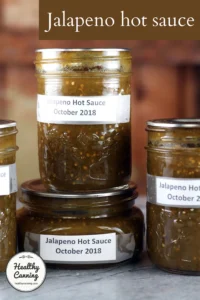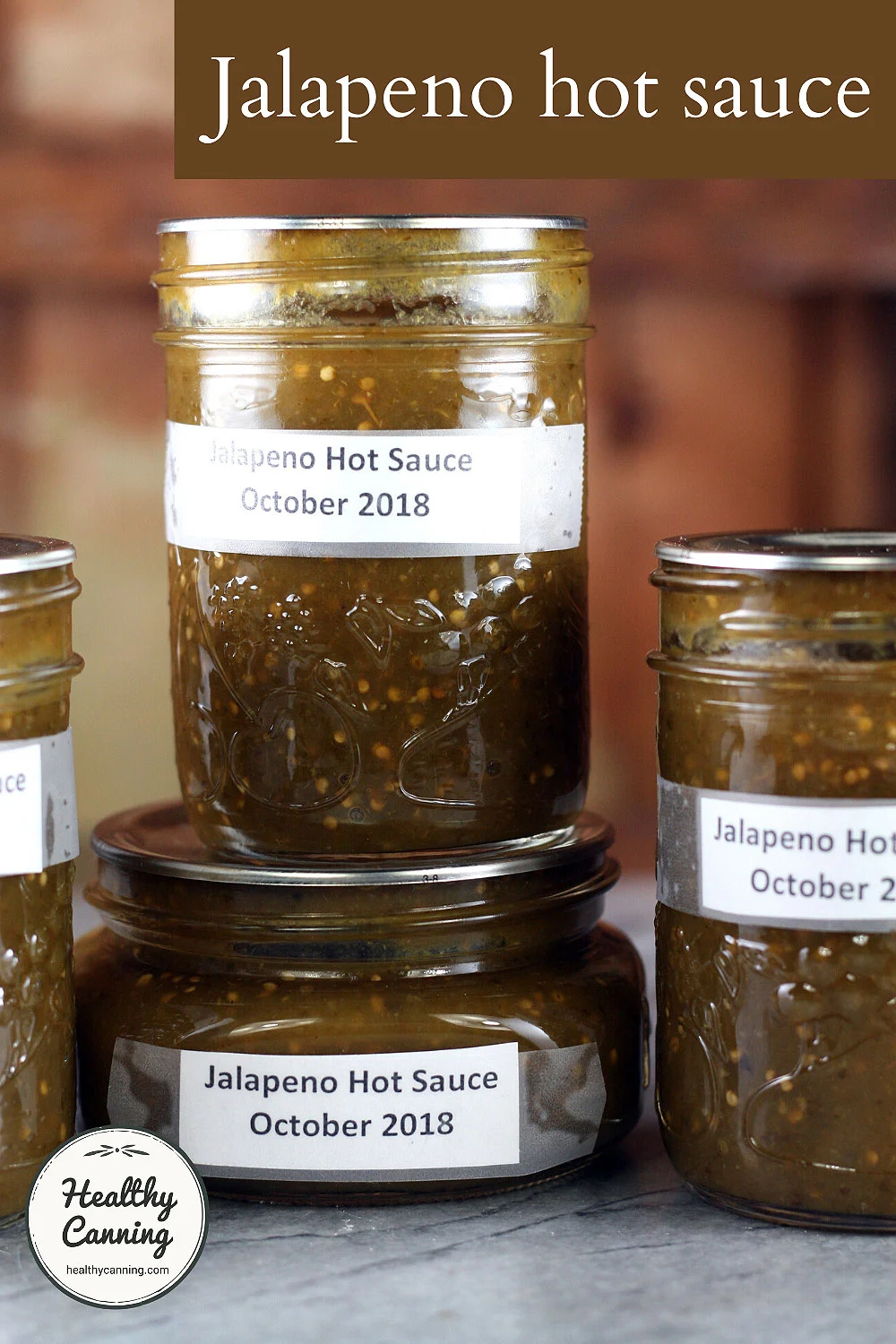

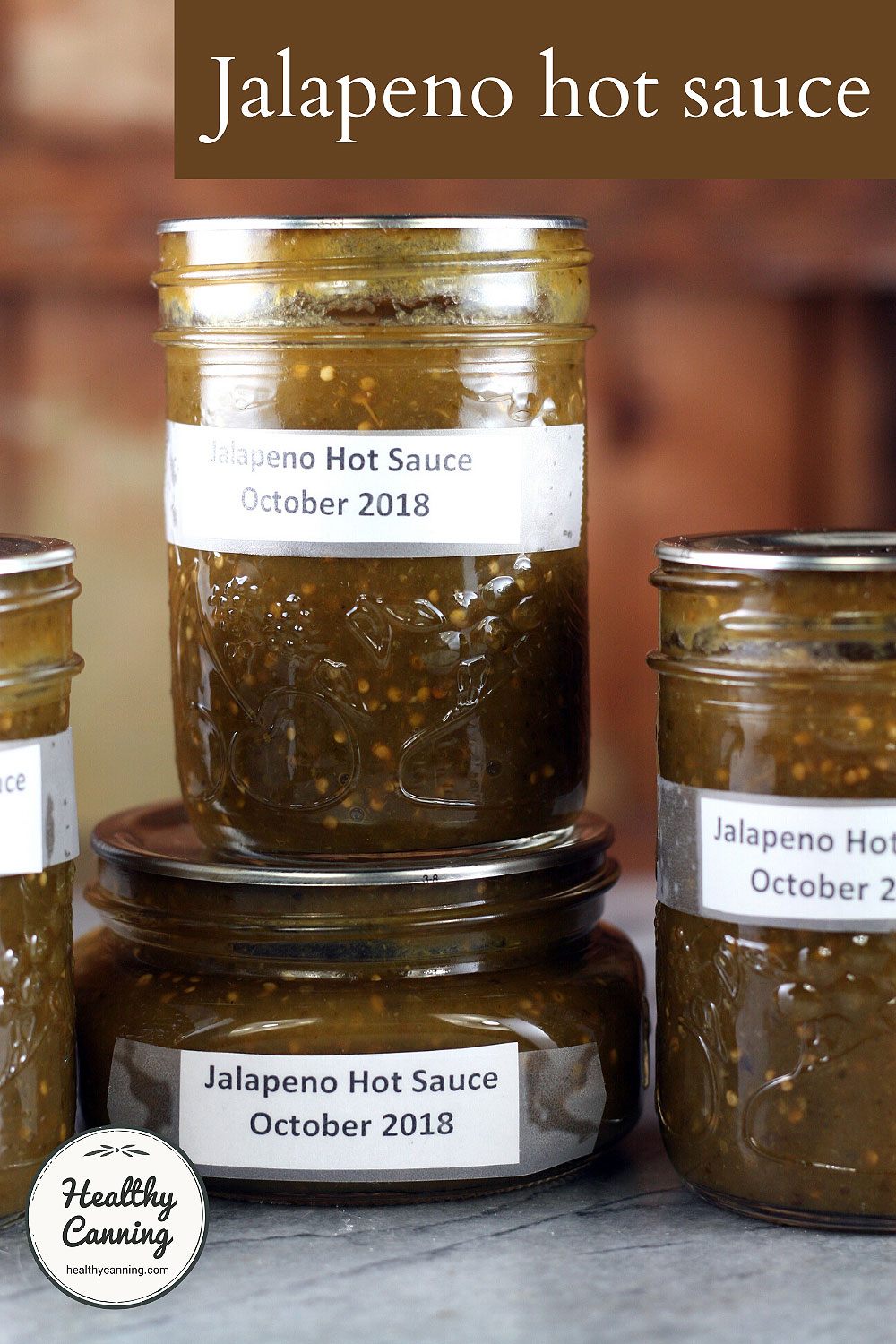
The landscape of home food preservation has undergone a significant transformation in the 21st century, moving from a necessity of rural survival to a sophisticated culinary craft practiced by urban and suburban enthusiasts alike. Central to this movement is the demand for high-quality, shelf-stable condiments that rival commercial artisanal products in both flavor and safety. One such standout is the Jalapeño Hot Sauce, a thick, spoonable green condiment that utilizes a scientifically-backed foundation provided by the United States Department of Agriculture (USDA). By adapting the traditional Cayenne Pepper Sauce recipe to incorporate tomatillos and green jalapeños, home canners can produce a vibrant, piquant sauce that meets rigorous safety standards while catering to modern palates.
The Foundation of Safe Home Preservation
The safety of home-canned products rests on the delicate balance of thermal processing and atmospheric chemistry. The Jalapeño Hot Sauce recipe is an adaptation of the USDA’s Cayenne Pepper Sauce, a staple in the "Complete Guide to Home Canning." In the world of food science, substitutions are often discouraged due to the risk of altering the pH levels of the final product. However, the swap of tomatillos for tomatoes and jalapeños for cayenne peppers is recognized as safe by food safety experts. This is because tomatillos generally possess a higher natural acidity than many modern tomato cultivars, and peppers are treated as interchangeable in these specific acidified recipes provided the total volume remains constant.
For the home canner, the primary objective is the prevention of Clostridium botulinum growth. In low-acid environments, these bacteria can produce lethal toxins. However, by utilizing a high-acid base—specifically 5% acidity vinegar—the environment becomes hostile to such pathogens. This Jalapeño Hot Sauce relies heavily on this acidification, ensuring that the final product can be safely processed in a boiling water bath or a steam canner rather than requiring the higher temperatures of a pressure canner.
Technical Specifications and Yield
Precision is the hallmark of successful preservation. This recipe is designed to produce a substantial yield, typically filling five half-liter (US pint) jars. For smaller households, experts recommend performing the mathematical conversions on paper prior to beginning the process to ensure that the ratio of acid to solids remains perfectly intact.

The recipe accommodates three primary jar sizes: 125 ml (4 oz), 250 ml (8 oz), and 500 ml (16 oz). Regardless of the jar size chosen within this range, the processing time remains a consistent 10 minutes at sea level. This uniformity simplifies the workflow for the canner but necessitates a strict adherence to headspace requirements. A headspace of 2 cm (1/2 inch) is critical; it allows for the expansion of the sauce during the boiling process and ensures that a proper vacuum seal is formed as the jars cool.
The Evolution of the Recipe: From Cayenne to Jalapeño
The transition from a traditional red cayenne sauce to a green jalapeño version reflects broader shifts in North American flavor preferences. While the original USDA recipe produces a thinner, vinegar-forward red sauce, the inclusion of tomatillos changes the texture entirely. Tomatillos contain high levels of pectin, a natural thickening agent found in the cell walls of fruits. When simmered and processed, this pectin breaks down and creates a "spoonable" consistency, making the sauce more of a relish-style condiment than a liquid dash-sauce.
The jalapeño pepper (Capsicum annuum) brings a distinct flavor profile characterized by bright, grassy notes and a moderate heat level. On the Scoville Scale, jalapeños typically range from 2,500 to 8,000 Scoville Heat Units (SHU). When compared to the cayenne pepper, which sits between 30,000 and 50,000 SHU, the jalapeño version might seem milder. However, the National Center for Home Food Preservation (NCHFP) warns that this specific formulation remains "very hot" due to the concentration of peppers used. The heat is further intensified by the thermal processing, which can distribute the capsaicin more thoroughly throughout the tomatillo base.
Chronology of the Canning Process
A successful canning session is a multi-hour commitment requiring preparation, execution, and a cooling phase. The timeline for the Jalapeño Hot Sauce generally follows this trajectory:
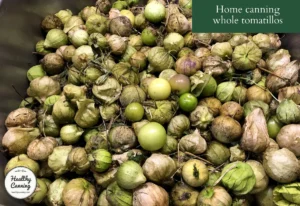
- Preparation (1 Hour): This phase involves washing and dicing the produce. Tomatillos must be removed from their papery husks and washed to remove the sticky residue on their skin. Jalapeños are typically de-stemmed; depending on the desired heat level, seeds may be retained or removed.
- Cooking and Reduction (3 Hours): The ingredients are combined with vinegar and spices, then brought to a simmer. The long cook time is essential for breaking down the fibrous structures of the peppers and allowing the tomatillos to release their pectin, resulting in the signature thick texture.
- Filling and Processing (30 Minutes): Hot sauce is funneled into sterilized jars, leaving the requisite 1/2 inch of headspace. After wiping the rims to ensure a clean seal, lids are applied.
- Thermal Processing (10 Minutes + Cooling): Jars are submerged in a water bath or placed in a steam canner. Once the processing time is complete, jars must sit undisturbed for 12 to 24 hours to ensure the vacuum seal is permanent.
Supporting Data: The Importance of Vinegar Strength
A critical variable often overlooked by novice canners is the strength of the vinegar. In the United States and Canada, standard white distilled vinegar is sold at 5% acidity. However, in regions such as Australia and New Zealand, retail vinegar may be sold at 4% acidity. This 1% difference is statistically significant in the context of food safety. Using a 4% acidity vinegar in a recipe designed for 5% can result in a final pH that is too high, potentially allowing for spoilage or bacterial growth. Experts advise that if 5% vinegar is unavailable, the recipe must be adjusted or the product must be stored in the refrigerator rather than the pantry.
Official Responses and Expert Commentary
The National Center for Home Food Preservation, the leading authority on domestic canning in the United States, rarely adds subjective commentary to its published recipes. However, for this specific hot sauce formulation, they provide a rare advisory regarding its potency. The NCHFP notes that the sauce is exceptionally versatile but should be used with caution by those sensitive to spice.
Suggested applications from agricultural extension specialists include:
- As a flavor enhancer for gravies and meat sauces.
- Added to cocktail sauces for seafood.
- Mixed into melted butter for basting grilled poultry or corn.
- Incorporated into mayonnaise or sour cream for a spicy dip.
Master Food Preserver groups, which operate under the umbrella of various university extension programs, emphasize the importance of altitude adjustments. As altitude increases, the boiling point of water decreases. Consequently, those living 1,000 feet or more above sea level must increase their processing time to ensure the internal temperature of the jar reaches the necessary threshold for sterilization.
Broader Impact and Economic Implications
The resurgence of interest in home canning such as this Jalapeño Hot Sauce is part of a larger economic trend toward food sovereignty and waste reduction. During the peak harvest season, peppers and tomatillos are often available in surplus at farmers’ markets or in home gardens. By converting these perishables into shelf-stable condiments, consumers reduce food waste and decrease their reliance on global supply chains.
Furthermore, the "hot sauce boom" has become a multi-billion dollar global industry. By producing high-quality sauces at home, individuals participate in a DIY culture that values ingredient transparency—knowing exactly how much sugar, salt, and preservative is in their food. This particular recipe, with only 8 calories per tablespoon and negligible fat content, represents a health-conscious alternative to many sugar-laden commercial condiments.
Nutritional Analysis and Health Benefits
From a nutritional standpoint, the Jalapeño Hot Sauce is a low-calorie, nutrient-dense addition to a diet. A single tablespoon serving contains:
- Calories: 8 kcal
- Carbohydrates: 1.6g
- Fiber: 0.3g
- Protein: 0.3g
- Sugar: 0.8g (primarily natural sugars from the tomatillos)
Beyond the basic macronutrients, the jalapeño peppers provide a significant dose of capsaicin. Clinical studies have suggested that capsaicin can aid in metabolic health, provide pain relief through the depletion of Substance P in nerves, and act as an anti-inflammatory agent. The tomatillos contribute Vitamin C, Vitamin K, and niacin, making the sauce a functional food as well as a condiment.
Conclusion: The Future of the Pantry
The Jalapeño Hot Sauce stands as a testament to the durability of scientific canning methods. By taking a legacy USDA recipe and applying modern culinary substitutions, the home canner bridges the gap between traditional preservation and contemporary flavor. As long as the fundamental laws of acidity and thermal processing are respected, the possibilities for home-canned innovations are nearly limitless. For those seeking to stock their pantries with safe, flavorful, and artisanal-quality goods, this green hot sauce provides a perfect entry point into the rewarding world of home food preservation.