
In an economic environment where consumer discretionary spending is under intense scrutiny, LongHorn Steakhouse has emerged as a dominant force within the casual dining sector, spearheading a period of robust growth for its parent company, Darden Restaurants. The brand’s third-quarter performance highlights a significant shift in consumer behavior, where the demand for high-quality dining experiences and tangible value has insulated the steakhouse chain from the broader fluctuations impacting the hospitality industry. By maintaining a streak of positive comparable sales that stretches back to 2021, LongHorn has not only outperformed its internal peers but has also set a high benchmark for the industry at large.
The third-quarter fiscal results for Darden Restaurants reveal that LongHorn Steakhouse achieved a 7.2 percent increase in same-store sales. This growth was not merely the result of inflationary price adjustments; rather, it was underpinned by a healthy 3.3 percent rise in guest traffic and a 3.9 percent increase in the average guest check. While a 0.5 percent negative impact from menu mix was noted—suggesting a slight shift in how customers are navigating the menu—the overall momentum remains formidable. LongHorn has now reported comparable store sales growth exceeding 5 percent in five of the last six quarters, maintaining a consistent upward trajectory that has avoided negative territory since the third quarter of 2021.
Financial Performance and Portfolio Impact
LongHorn Steakhouse’s financial contributions to the Darden portfolio during this period were substantial. The brand reported systemwide sales of $854.2 million for the quarter, a marked increase from the $768.1 million recorded during the same period in the previous fiscal year. This represents the most significant year-over-year improvement across all of Darden’s diverse holdings. Profitability followed a similar trend, with the brand posting a profit of $159 million, up from $151.6 million in the prior year’s third quarter.
CFO Raj Venam provided further context to these figures during an earnings call, noting that LongHorn’s same-store sales outperformed the industry average by 8.4 percent. Furthermore, the brand’s same-store traffic exceeded the industry benchmark by 6.4 percent. These figures suggest that LongHorn is effectively capturing market share from competitors who may be struggling to balance price increases with guest satisfaction.
The brand’s physical footprint also saw expansion, finishing the third quarter with 608 company-owned restaurants. This reflects a net gain of 22 units year-over-year, the highest unit growth across the Darden enterprise. This aggressive expansion strategy indicates management’s confidence in the brand’s scalability and its ability to maintain high operational standards across a growing number of locations.
Operational Excellence and Cultural Foundation
Darden CEO Rick Cardenas attributed the steakhouse chain’s sustained success to a "strict adherence to their strategy rooted in quality, simplicity, and culture." This operational philosophy is manifested in a rigorous commitment to training and culinary standards. During the third quarter, Darden implemented a comprehensive recertification process for every manager within the LongHorn system, focusing specifically on culinary execution. Furthermore, directors of operations completed specialized culinary training designed to enhance their ability to assess and coach the "right behaviors" within the kitchen environment.
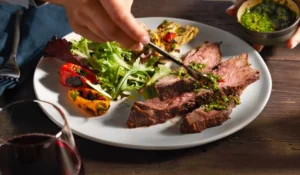
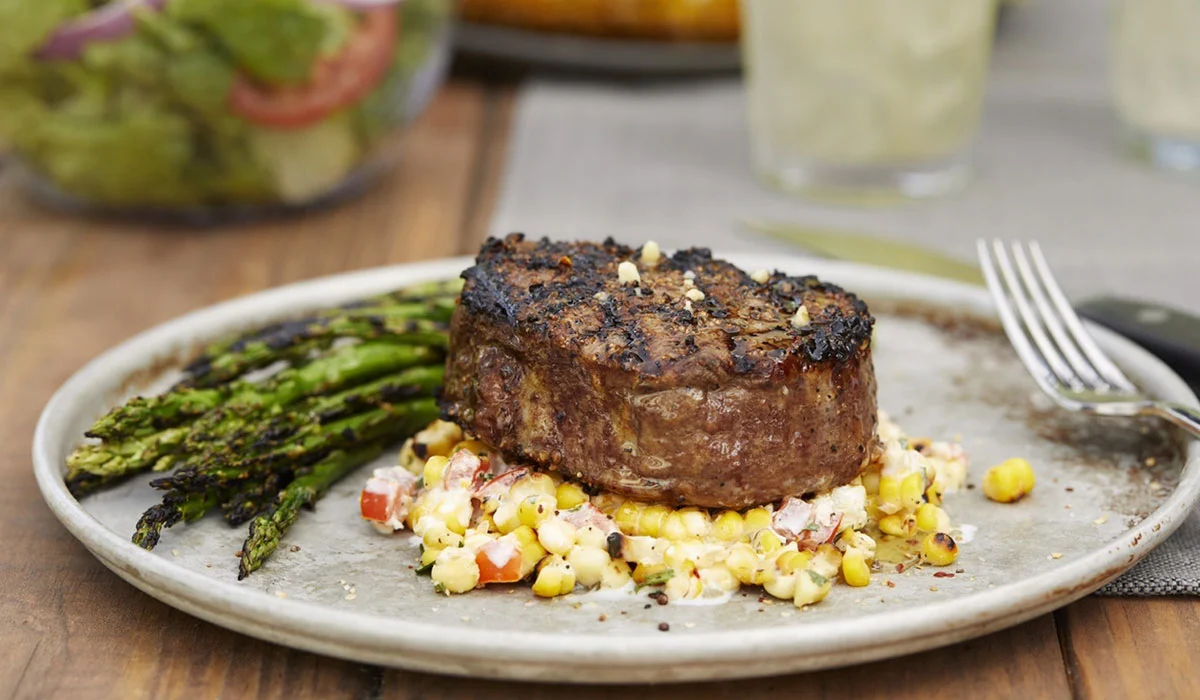
The focus on the "back of house" is a deliberate move to ensure consistency. Cardenas emphasized that the brand’s value proposition is tied directly to its ability to execute. "If you can’t cook a great steak, why are you open?" Cardenas remarked, noting that LongHorn achieves its quality standards close to 100 percent of the time. In instances where errors occur, the brand’s protocol focuses on immediate guest recovery to maintain long-term loyalty.
Employee retention and internal culture have also been identified as critical drivers of performance. LongHorn was recently recognized by Glassdoor as one of the best places to work, a distinction based entirely on anonymous employee feedback. This internal stability is exemplified by the "Grill Master Legends" program. In the third quarter, five additional employees reached this milestone, a title reserved for those who have grilled more than one million steaks over their careers—a feat that typically requires more than two decades of service. This level of expertise at the grill is viewed as a competitive advantage that is difficult for rivals to replicate.
Strategic Pricing and Beef Inflation Management
One of the most notable aspects of LongHorn’s recent performance is its ability to maintain an 18.6 percent profit margin despite significant headwinds from beef inflation. The brand has intentionally kept its price increases below the level of inflation seen in the beef market. This strategy is designed to position a restaurant-quality steak as an attractive alternative to cooking at home, where grocery store prices for premium cuts of meat have risen sharply.
By absorbing some of the cost pressures rather than passing them entirely to the consumer, LongHorn has strengthened its "value" perception. Cardenas suggested that this pricing strategy has triggered a consumer shift, encouraging diners to opt for the professional execution of a steakhouse rather than dealing with the high costs and effort of home preparation. This "quality-to-price" ratio is a cornerstone of the brand’s current appeal.
Performance Across the Darden Portfolio
While LongHorn Steakhouse was the standout performer, Darden Restaurants reported positive growth across its entire portfolio for the second consecutive quarter. Olive Garden, the company’s largest brand, saw same-store sales rise by 3.2 percent. This growth was achieved despite the brand running three fewer weeks of price-point-heavy promotions compared to the previous year.
Olive Garden’s success was attributed to strong operational execution and a focus on menu innovation. The brand reached an all-time high in guest satisfaction scores for service and matched its best-ever scores for overall satisfaction. The rollout of a new "lighter portions" menu, featuring dishes under $15, has resonated with budget-conscious diners, as has the return of popular items like Four-Cheese Manicotti and Braised Beef Tortelloni.
However, Olive Garden did face some headwinds, with a 0.4 percent decline in traffic. Management noted that this figure would have been approximately 2 percent higher if not for the impact of severe inclement weather during the quarter. To regain traffic momentum, Olive Garden recently reintroduced its "Buy One, Take One" (BOTO) promotion, supported by an additional week of marketing and increased media spending. The brand also saw a significant jump in its delivery business, which accounted for 4.7 percent of sales in the third quarter, up from just 0.8 percent a year ago.
Darden’s other segments also contributed to the positive quarter. The "Other Business" segment—which includes Yard House, Seasons 52, and Cheddar’s Scratch Kitchen—saw a 3.9 percent increase in same-store sales. The fine dining segment, comprised of The Capital Grille, Eddie V’s, and the recently acquired Ruth’s Chris Steak House, grew by 2.1 percent.
The Fine Dining Resurgence
The positive same-store sales across The Capital Grille, Eddie V’s, and Ruth’s Chris marked a significant turning point for Darden’s fine dining division. Cardenas noted that it had been some time since all three brands posted positive growth simultaneously. While Valentine’s Day provided a seasonal boost, it contributed less than one percent to the overall growth.
The real drivers were private dining events and strategic menu offerings. The Capital Grille and Eddie V’s saw a resurgence in corporate and private event bookings, while Ruth’s Chris benefited from a three-course prix fixe menu. This promotional offering was successful in re-engaging lapsed customers and providing a clear entry point for new diners seeking a premium experience at a predictable price point.
Industry Implications and Future Outlook
The performance of Darden Restaurants, and LongHorn Steakhouse in particular, serves as a bellwether for the casual dining industry. As consumers become more selective, the "bifurcation" of the restaurant industry is becoming more apparent. Well-capitalized brands with strong operational foundations and clear value propositions are gaining ground, while struggling chains face a precarious future.
Cardenas offered a candid assessment of the industry landscape, suggesting that restaurants unable to maintain margins or traffic will eventually succumb to rising costs and rent obligations. "Some of those will close, and the good brands will kind of pick up the slack and add restaurants," Cardenas said. "We’re just going to keep performing the way we have… if restaurants close, we’ll be the beneficiaries."
Darden’s strategy moving forward appears to be one of steady expansion and operational refinement. By focusing on "quality, simplicity, and culture," the company aims to insulate itself from broader economic volatility. The success of LongHorn Steakhouse demonstrates that even in a high-inflation environment, consumers are willing to spend if the perceived value and quality of the experience meet their expectations.
As Darden moves into the final quarter of the fiscal year, the focus will remain on sustaining the momentum of LongHorn while leveraging the scale of Olive Garden and the premium appeal of its fine dining assets. With a robust pipeline of new restaurant openings and a proven ability to manage commodity volatility, Darden is positioned to remain a leader in the competitive landscape of American dining.