
As the arrival of spring breathes new life into landscapes and traditions, Easter celebrations globally are often marked by a rich array of culinary delights, with desserts holding a particularly cherished place. Beyond the main meal, the finale of an Easter gathering is frequently a vibrant display of confections that echo the season’s freshness, often incorporating bright, light, and invigorating flavors. Culinary experts and published authors, such as Sally McKenney of Sally’s Baking Addiction, highlight how these seasonal treats, ranging from lush lemon tarts to fluffy coconut cakes and juicy berry-infused creations, form an integral part of the festive experience. The emphasis on accessible, dependable recipes underscores a broader trend towards empowering home bakers to create show-stopping desserts with confidence, ensuring delicious outcomes on the first attempt.
The Historical and Cultural Significance of Easter Baking
Easter, a holiday deeply rooted in both religious observance and the celebration of spring’s renewal, has historically influenced culinary practices worldwide. Many traditional Easter foods symbolize aspects of the season or the holiday itself. Eggs, for instance, are universal symbols of new life and rebirth, transitioning from dyed decorations to edible delights like chocolate eggs and egg-shaped candies. The lamb, often a centerpiece of the main meal, also finds symbolic representation in various forms. The very act of baking and sharing sweet treats during this period reinforces community bonds and family traditions, creating memories through shared culinary experiences.

The evolution of Easter desserts reflects centuries of cultural exchange and agricultural cycles. Early European Easter breads, such as the widely recognized Hot Cross Buns, date back to at least the 12th century, with their spiced dough and iconic cross representing religious significance. These buns, traditionally eaten on Good Friday, exemplify the enduring nature of certain Easter baked goods. Over time, as ingredients became more accessible and baking techniques advanced, the repertoire expanded to include more elaborate cakes, puddings, and confections. The arrival of fresh fruits like berries and citrus in spring, coupled with the availability of dairy products, naturally led to the incorporation of these elements into festive baking. This historical trajectory explains the continued popularity of flavors like lemon and coconut, which evoke freshness and often tropical associations, fitting perfectly with the idea of renewal.
Contemporary Trends and Expert Insights in Easter Confections
In the modern culinary landscape, the demand for high-quality, reliable recipes has surged, particularly with the rise of digital platforms and culinary influencers. Baking cookbook authors like Sally McKenney play a pivotal role in demystifying complex recipes and making gourmet-level baking achievable for the home cook. McKenney’s approach, emphasizing "light and fresh springtime flavors" and the surprising ease of homemade treats, resonates with a broad audience seeking both quality and convenience. Her curation of "highest-rated Easter dessert recipes," spanning "show-stopping cakes to easy kid-approved goodies," reflects a comprehensive understanding of diverse consumer needs and skill levels.
The shift towards fresh, seasonal ingredients is not merely a preference but a dominant trend in contemporary baking. Consumers are increasingly seeking desserts that highlight the natural vibrancy of spring produce. This is evident in the popularity of lemon-infused desserts, which offer a zesty counterpoint to rich meals, and berry-laden cakes and pies that burst with natural sweetness. Coconut, with its unique texture and subtly sweet flavor, also continues to be a favorite, often used to create whimsical "nest" themed cakes or to add a tropical flair.
Moreover, the increasing awareness of dietary needs has led to a greater demand for adaptable recipes. The inclusion of gluten-free options, as highlighted in McKenney’s collection, is a testament to this trend, ensuring that celebrations can be inclusive for all guests. This demonstrates a broader industry response to consumer health and lifestyle choices, moving beyond traditional recipes to offer alternatives without compromising on flavor or festive appeal.
A Deeper Dive into Popular Easter Dessert Categories

Easter desserts can be broadly categorized into several popular types, each offering unique textures and flavor experiences.
1. Classic Cakes and Layered Creations:
Cakes often serve as the grand finale of an Easter meal, providing both visual spectacle and delightful taste.
- Carrot Cake: A perennial Easter favorite, carrot cake stands out for its deep moisture, often enriched with warming spices like cinnamon, ginger, and nutmeg, and studded with toasted pecans. The signature tangy cream cheese frosting is an indispensable component, perfectly balancing the cake’s sweetness. Its origins are often linked to medieval times when sweeteners were scarce, and carrots provided natural sweetness.
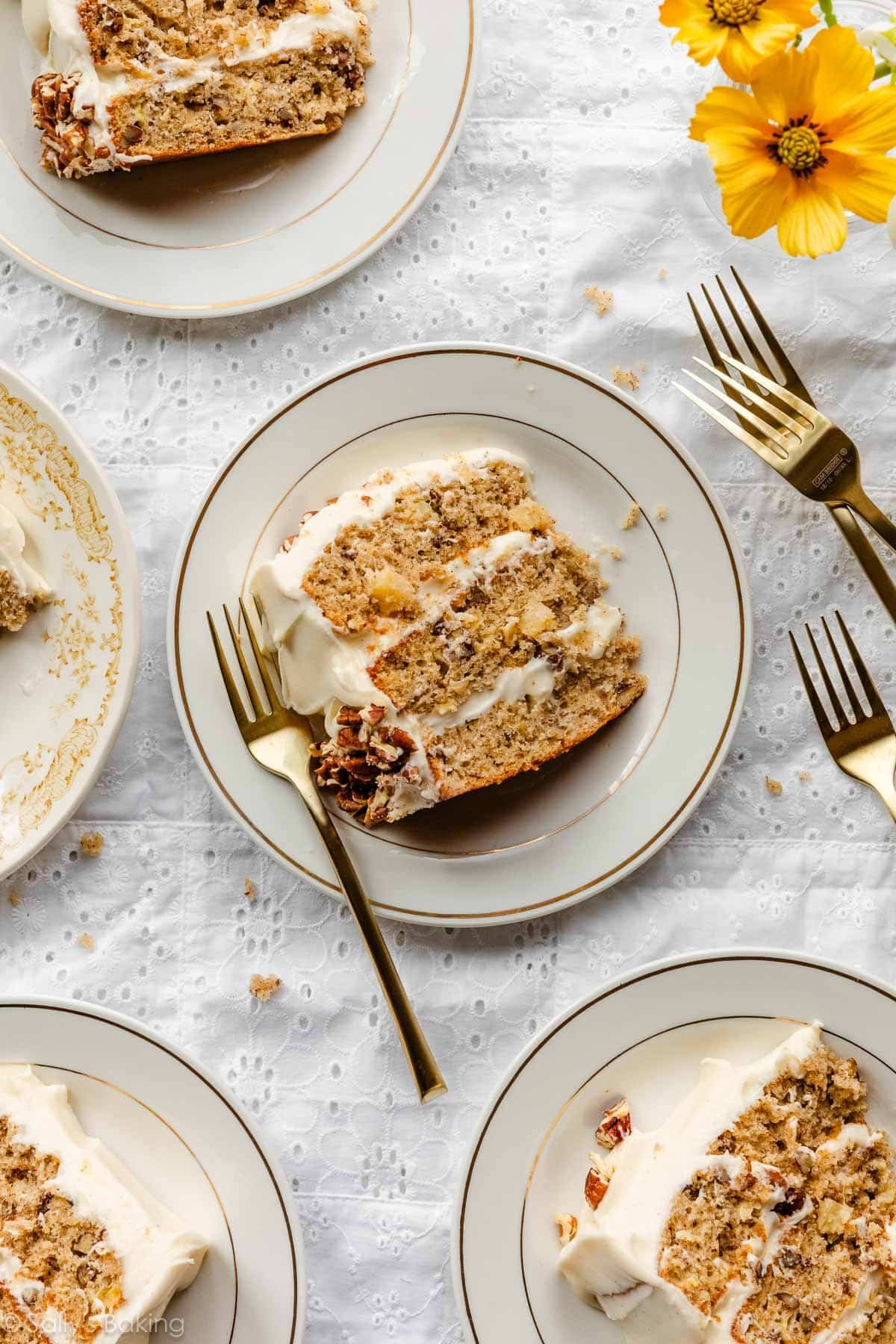
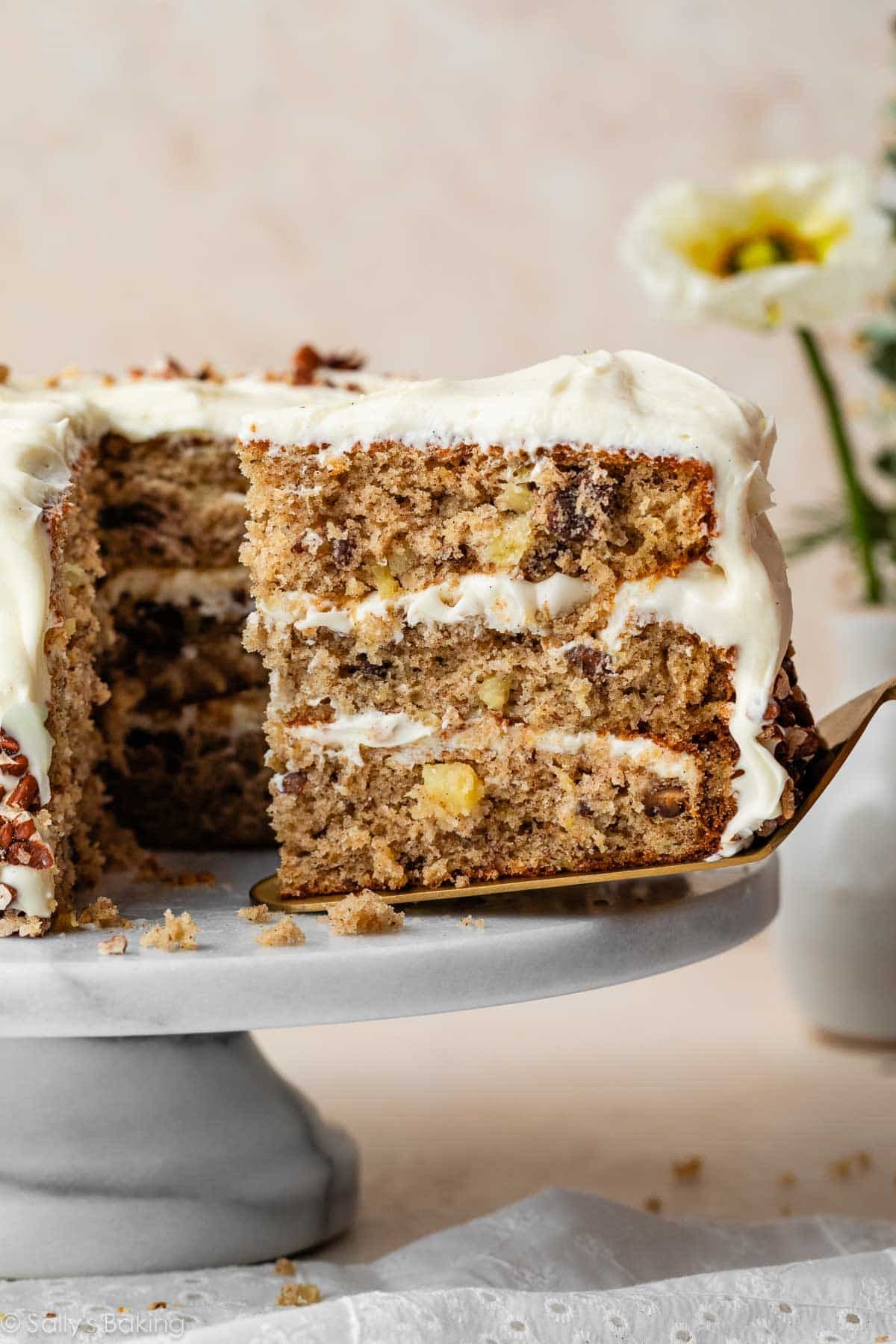
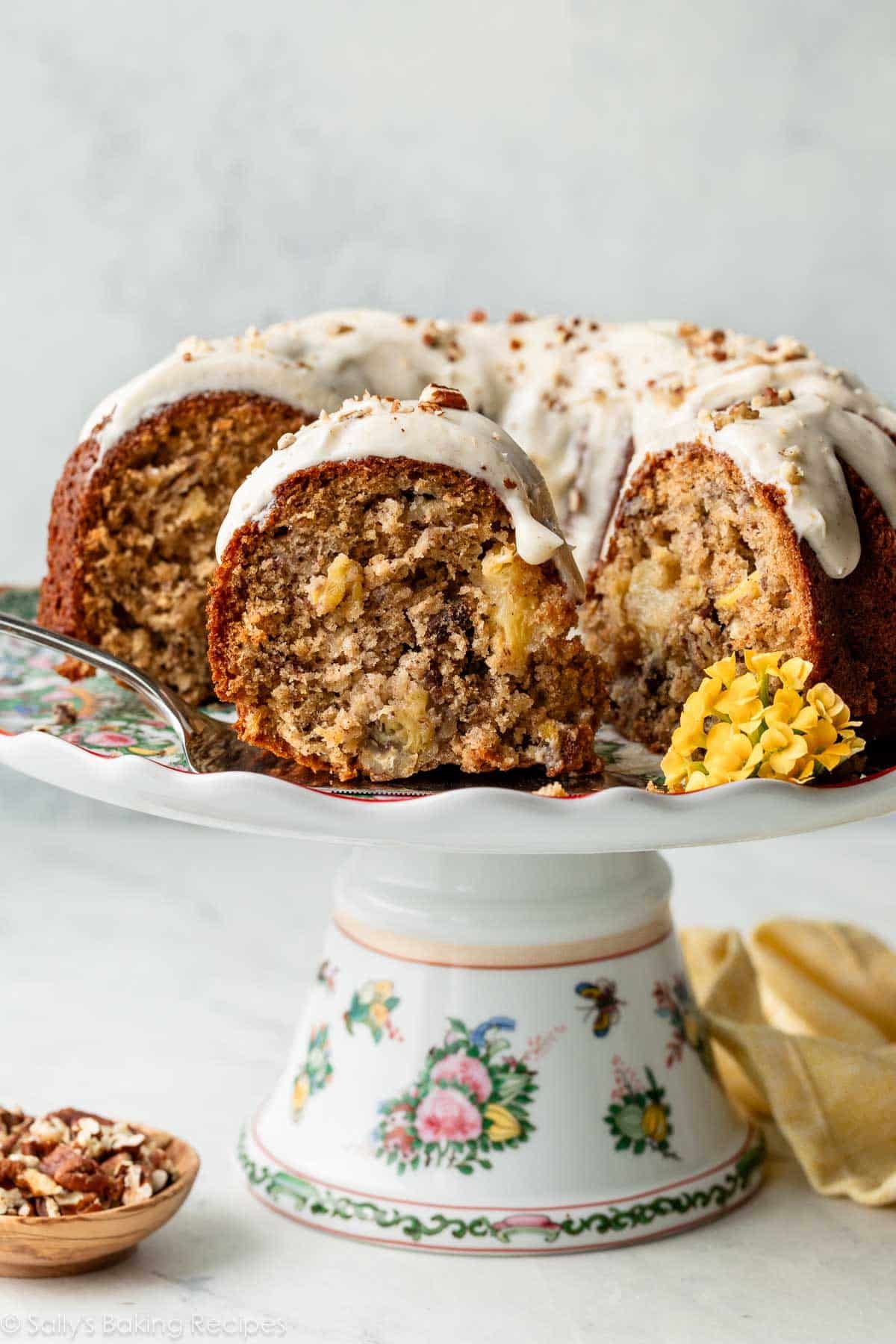
- Hummingbird Cake: This Southern classic is celebrated for its ultra-moist crumb, incorporating ripe bananas, crushed pineapple, and warm spices, typically finished with a luscious cream cheese frosting. Its tropical notes and dense texture make it a comforting yet sophisticated choice. Variations include the Hummingbird Bundt Cake, offering a simpler presentation without sacrificing flavor.
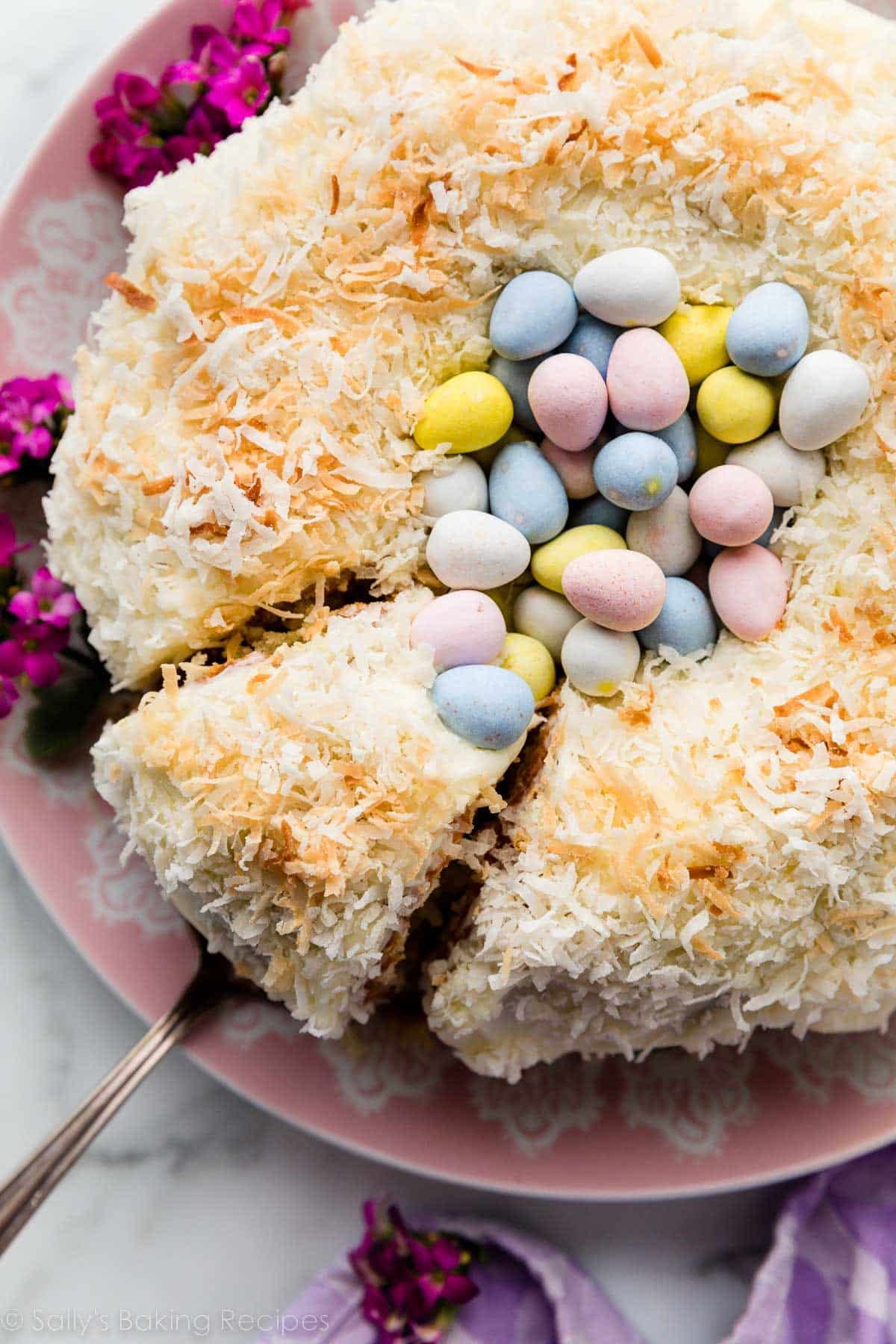
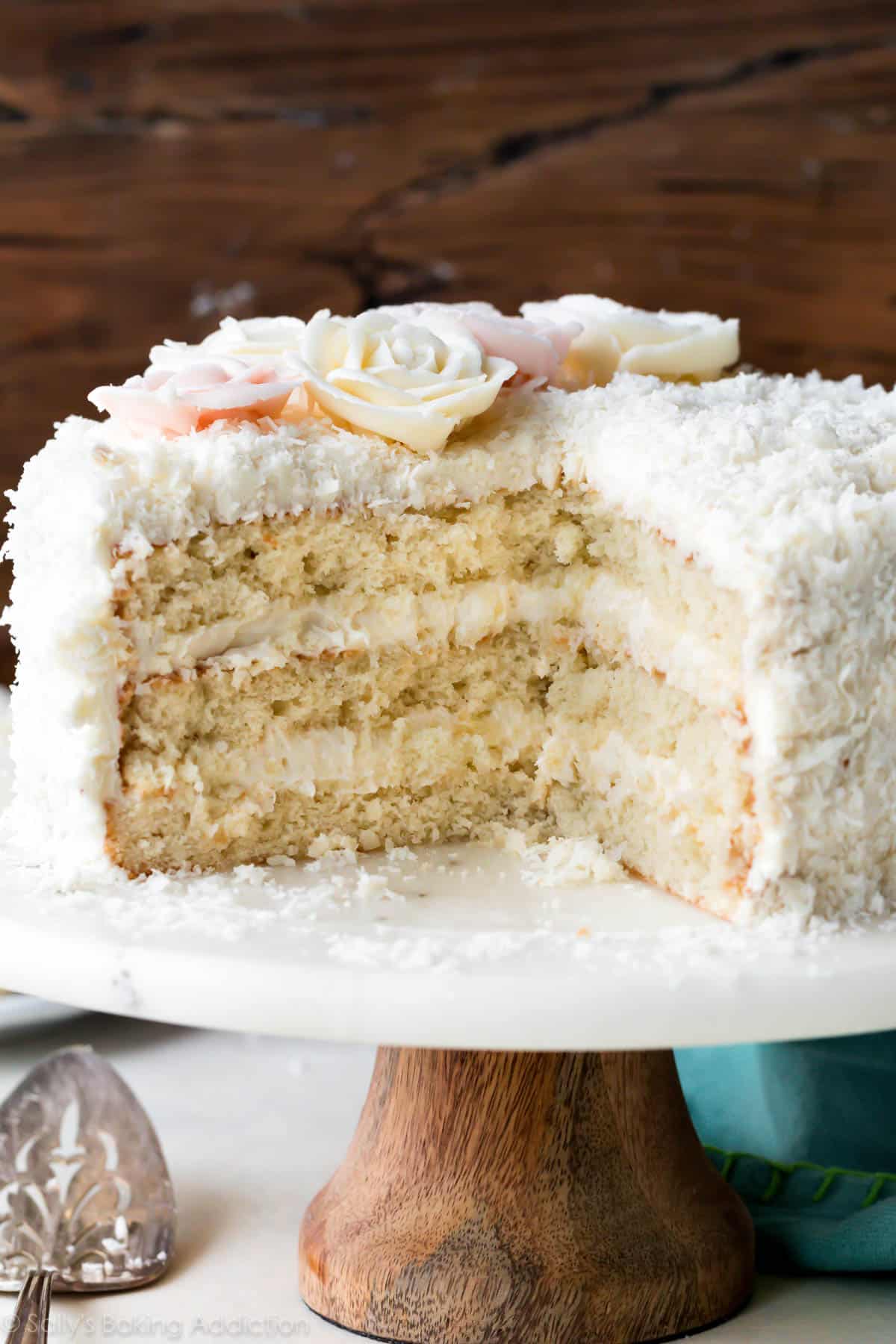
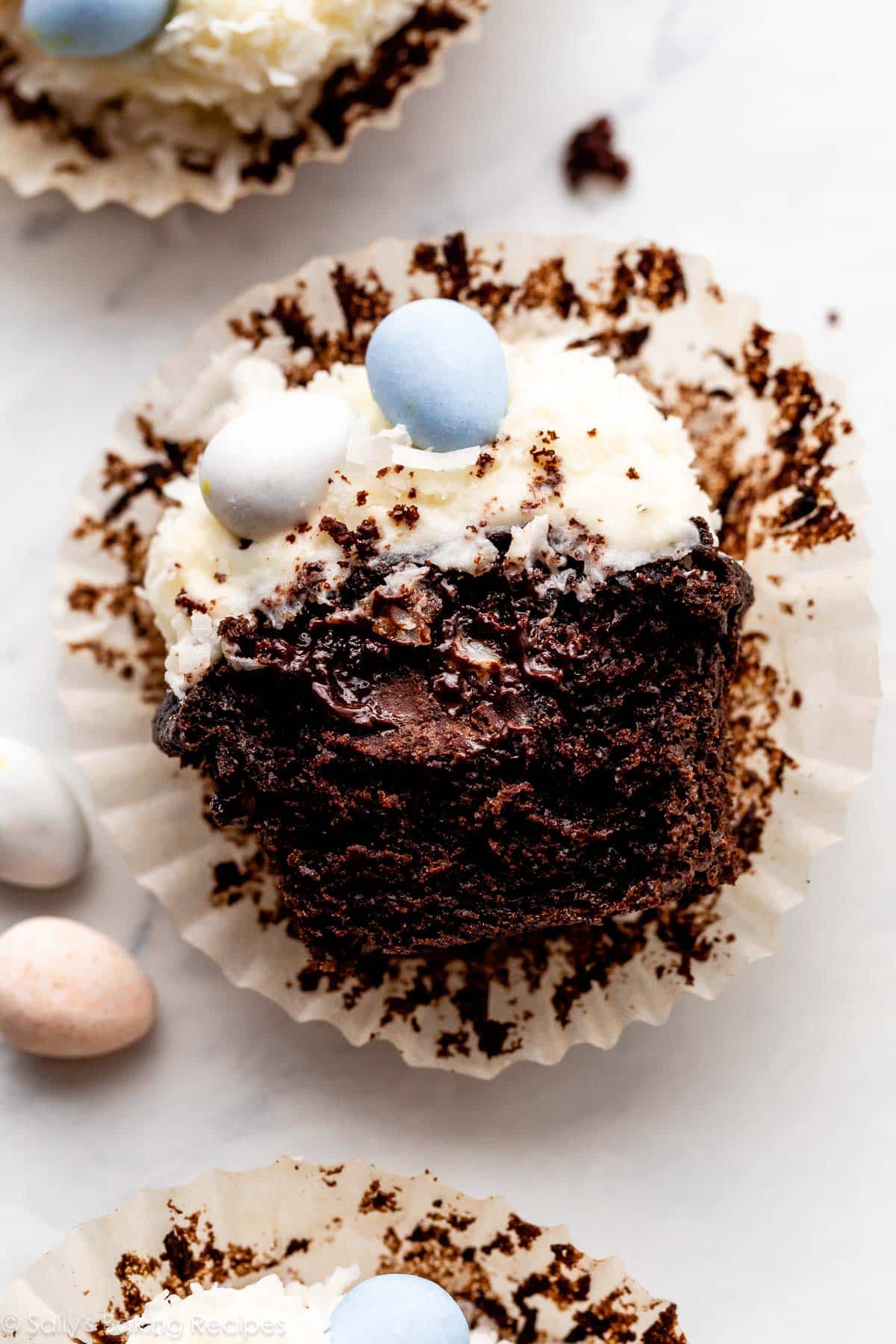
- Coconut Cakes: Embodying the fresh, light spirit of spring, coconut cakes are cherished for their fluffy texture and distinct tropical flavor. A Coconut Easter Nest Cake, often a Bundt cake adorned with lemon cream cheese frosting, sweetened coconut flakes, and candy-coated chocolate eggs, combines flavor with festive decoration, making it a family-friendly activity. The Fluffy & Moist Coconut Cake is a purist’s delight, focusing on the rich, authentic taste of coconut.
- Lemon Blueberry Layer Cake: This cake marries the zing of lemon with the sweetness of blueberries, resulting in a moist, soft cake often described as a hybrid between a vanilla layer cake and a pound cake. A silky cream cheese frosting, reminiscent of spreadable cheesecake, completes this vibrant dessert, making it a popular choice for spring gatherings.
2. Decadent Pies and Bars:
For those who prefer a different texture or a more traditional dessert, pies and bars offer equally compelling options.
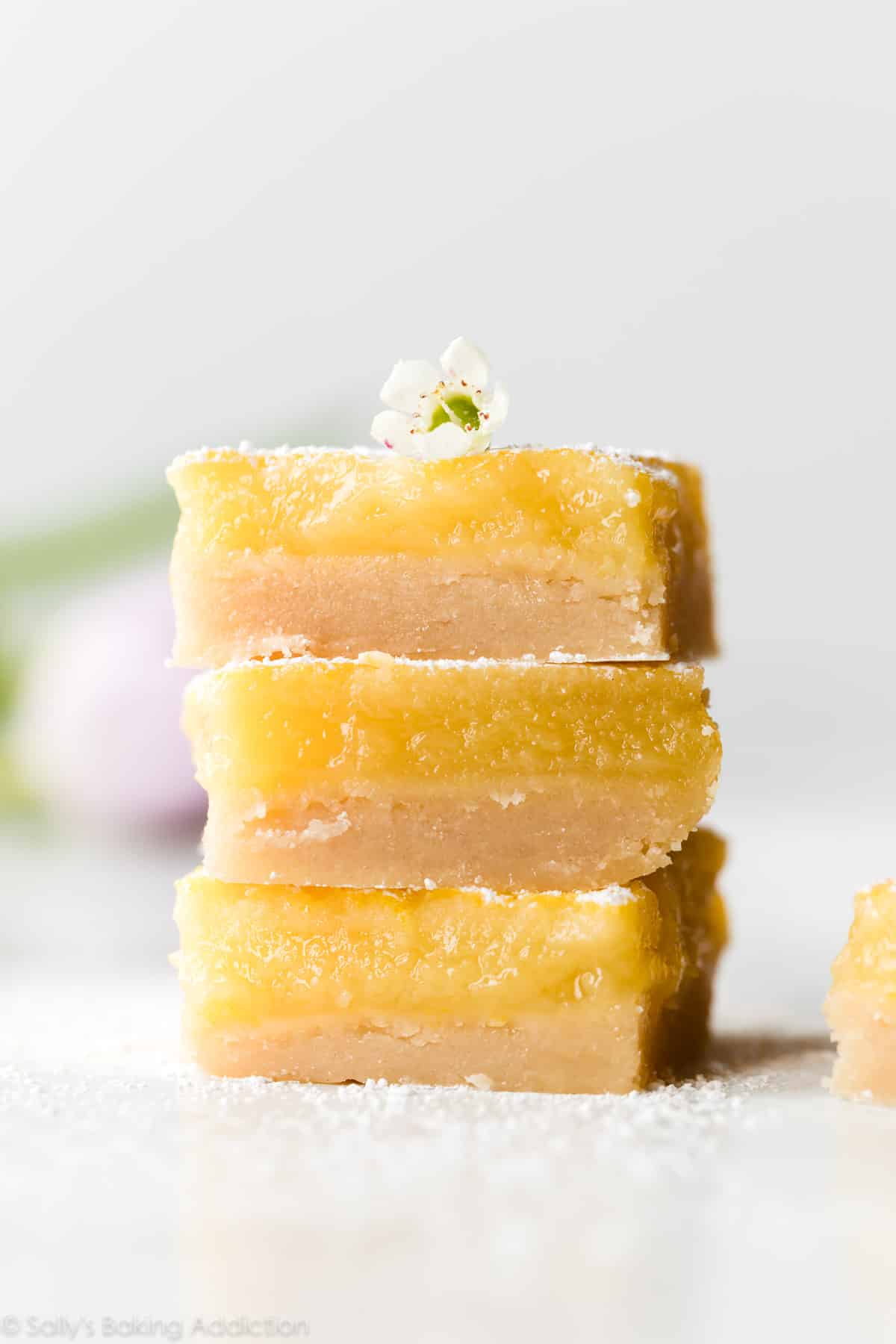
- Lemon Bars: These quintessential spring treats feature a buttery shortbread crust topped with a thick, creamy, and intensely tart lemon curd filling. Their bright flavor and ease of preparation make them a crowd-pleaser, often requiring no stovetop cooking for the filling.
- Lemon Meringue Pie: A visually stunning dessert, lemon meringue pie combines a crisp, flaky pie crust, a perfectly balanced sweet-tart lemon filling, and a towering, billowy, and toasted meringue topping. It is a showstopper that consistently impresses.
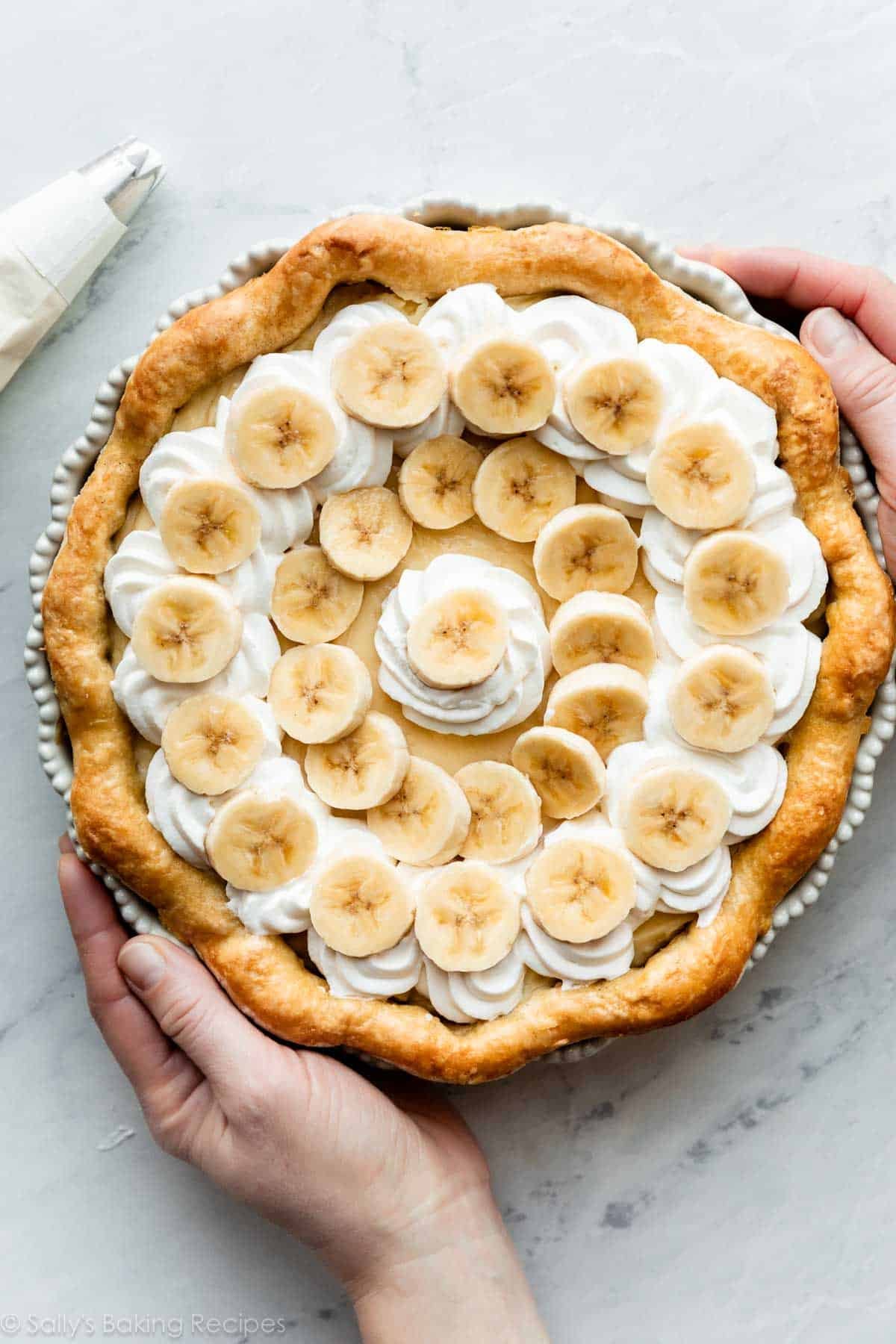
- Homemade Banana Cream Pie: This dessert boasts a creamy, smooth, from-scratch custard, layered with fresh bananas, a buttery flaky pie crust, and generous dollops of whipped cream. It’s an excellent make-ahead option, requiring time to set before serving, enhancing its convenience for holiday hosting.
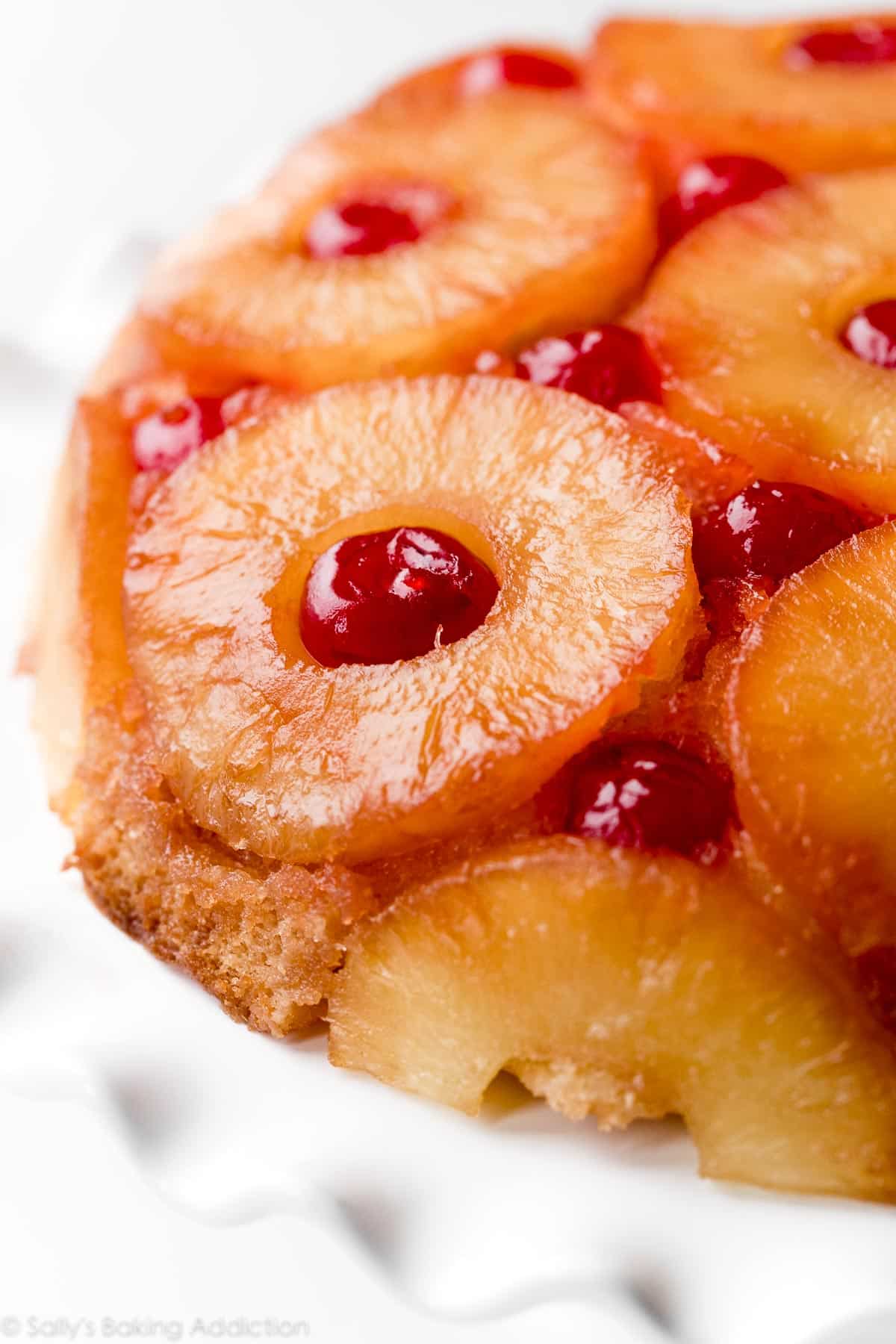
- Pineapple Upside Down Cake: A fun, retro favorite, this cake features caramelized brown sugar and pineapple rings baked directly into the bottom of the pan, which become the top when inverted. The fruit juices seep into the soft, buttery cake, creating an incredibly moist and flavorful dessert.
3. Artisan Cookies and Handheld Treats:
Cookies offer versatility, from elaborate decorated pieces to simple, comforting bites, often serving as excellent interactive baking projects.
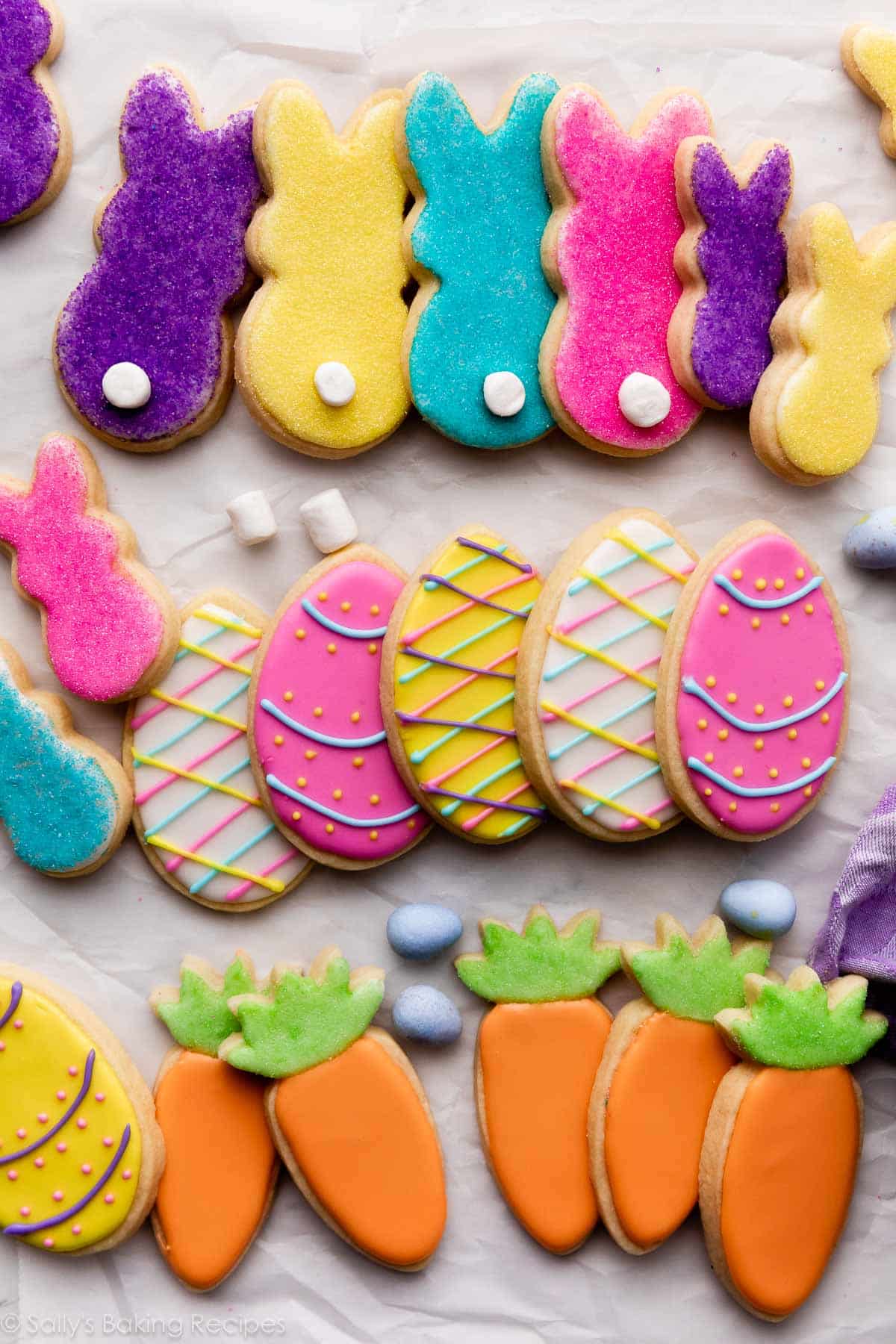
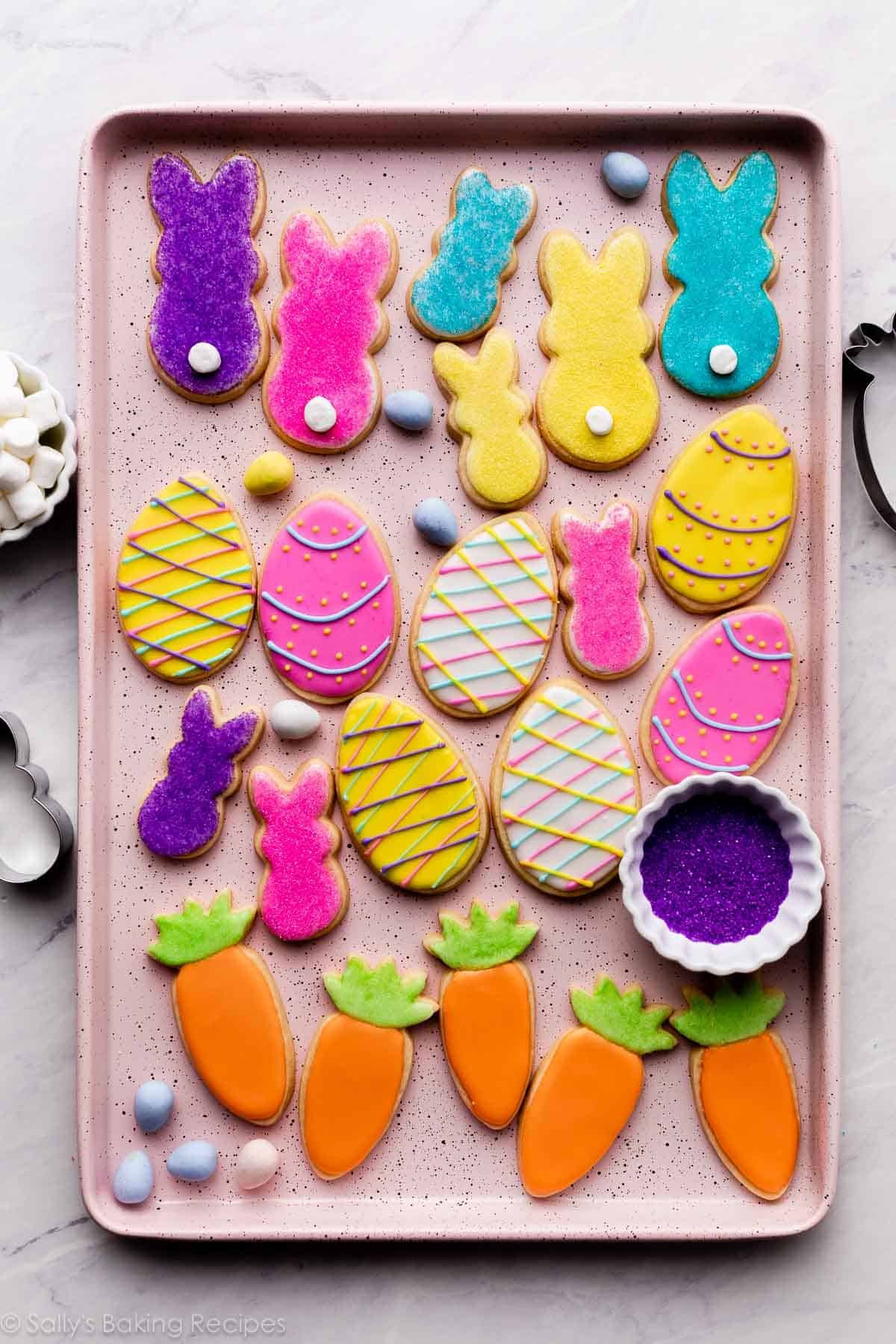
- Easter Sugar Cookies: These soft, buttery cookies, often flavored with vanilla and almond, are a canvas for festive decoration. Adorned with pastel royal icing, they can be shaped into bunnies with marshmallow tails, intricate Easter eggs, or cheerful carrots, making them perfect for family baking sessions.
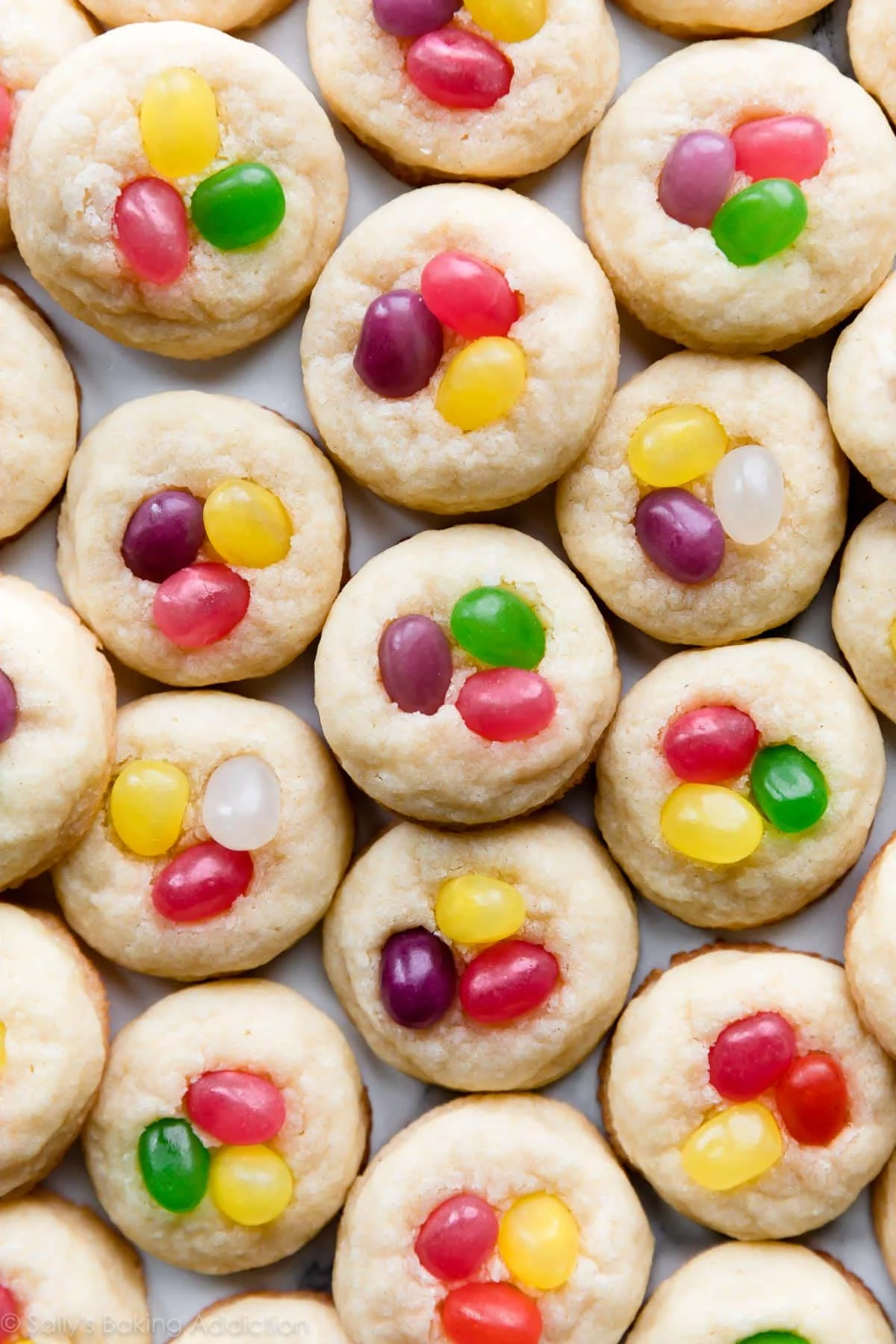
- Jelly Bean Sugar Cookies: A simpler, yet equally festive option, these drop sugar cookies require minimal effort. With just a few ingredients, jellybeans are pressed into the warm cookies after baking, creating a colorful and appealing treat that "nobunny could resist."
4. Homemade Confections and Candies:
The appeal of homemade chocolates and candies for Easter is undeniable, offering a personalized touch.
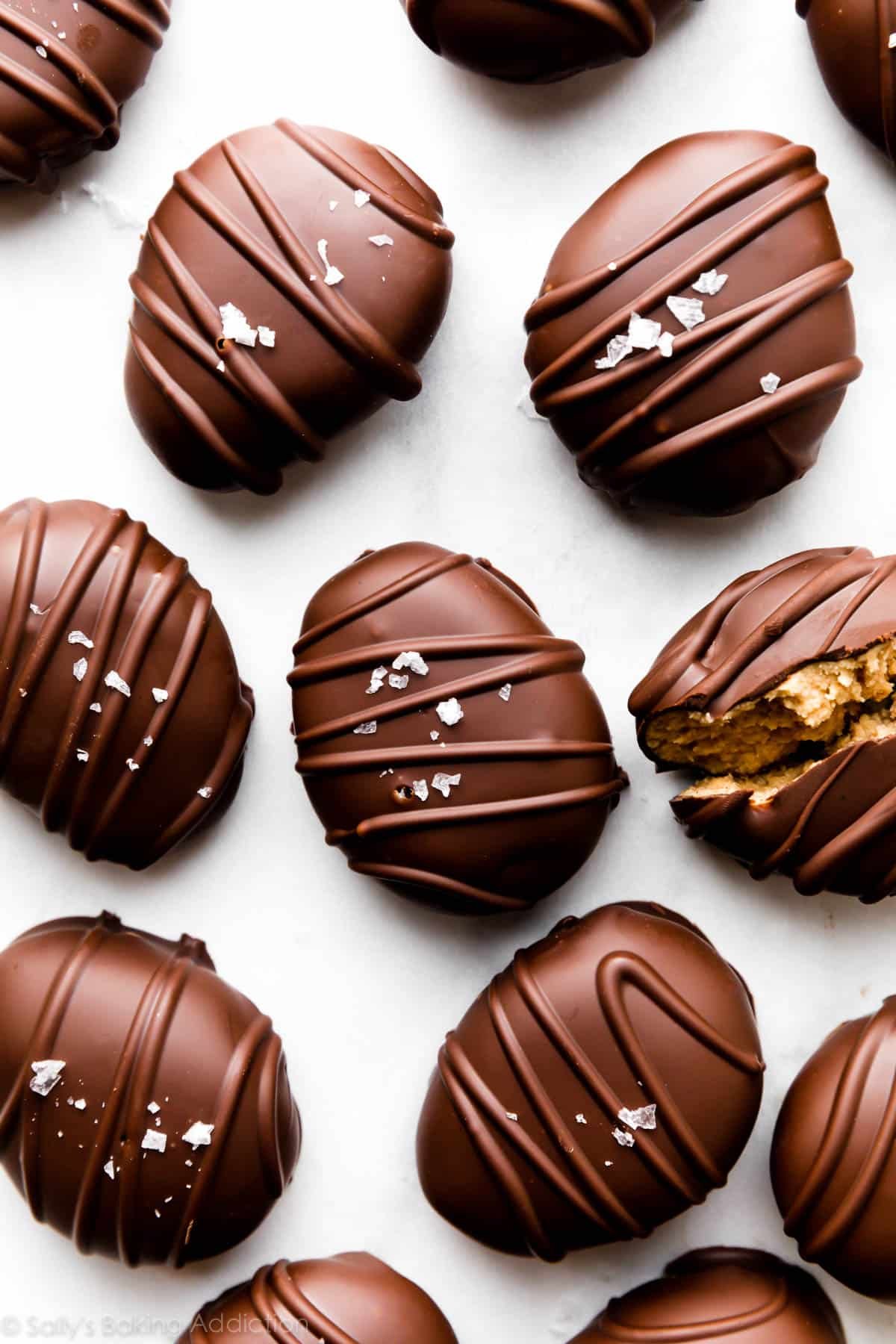
- Easter Egg Peanut Butter Candies (GF): These no-bake, gluten-free treats combine the beloved flavors of chocolate and peanut butter. They offer a softer, sweeter homemade version of popular commercial peanut butter eggs, often enhanced with a sprinkle of coarse salt.
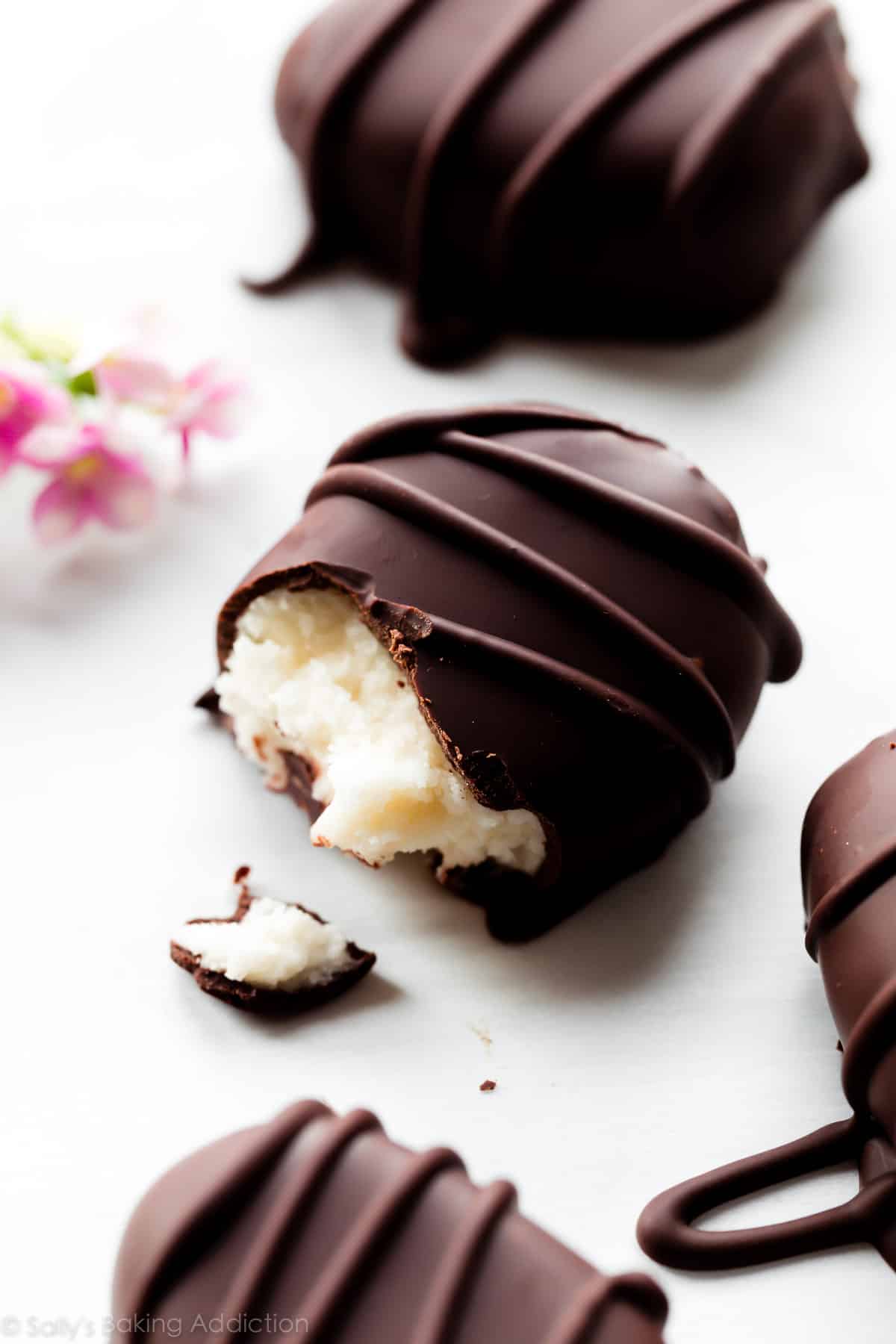
- Easter Egg Buttercream Candies (GF): A delightful alternative to peanut butter, these gluten-free candies feature a customizable buttercream filling, which can be flavored with various extracts or even shredded coconut. Dipped in chocolate, they provide a melt-in-your-mouth experience.
5. Other Notable Desserts and Breads:
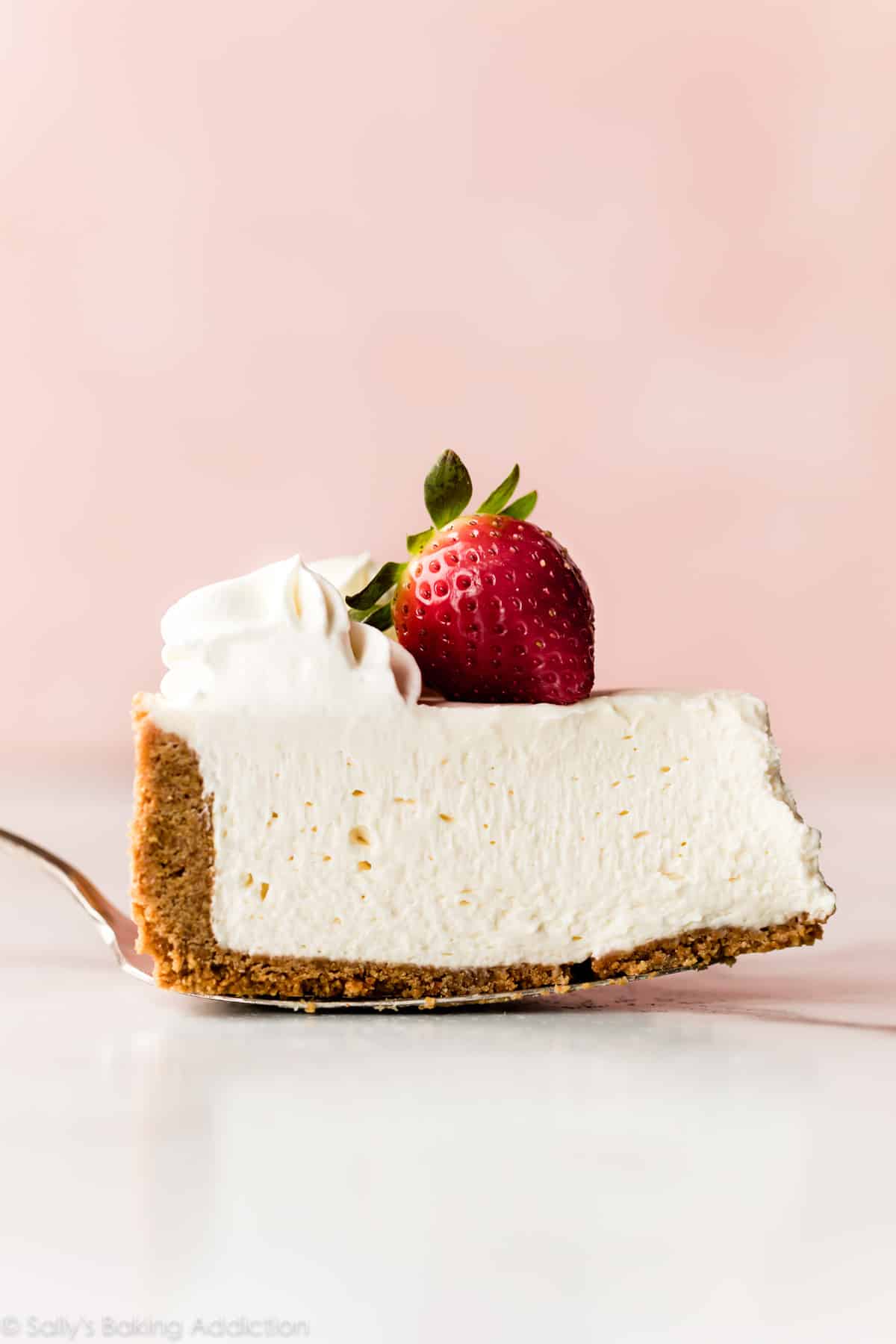
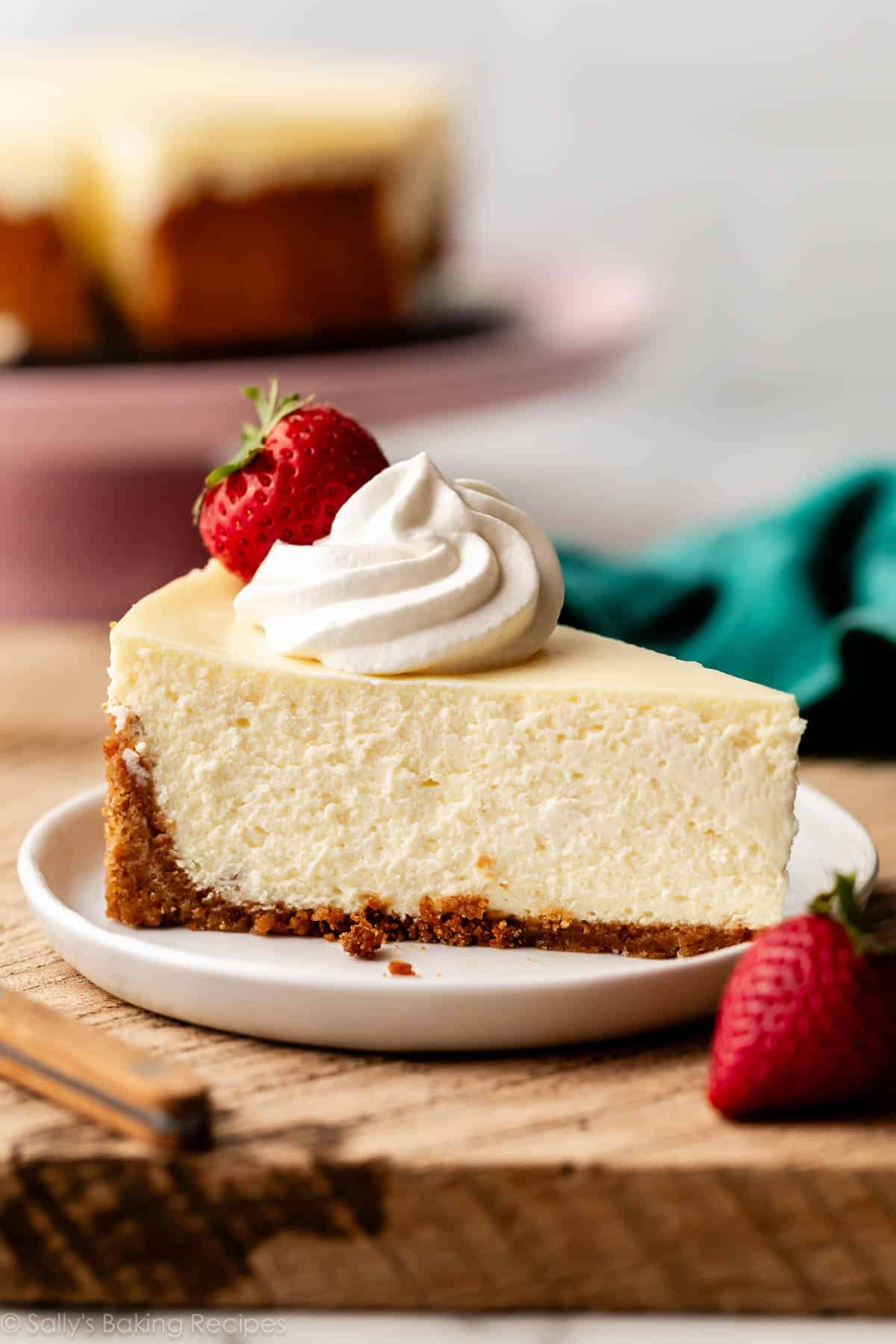
- Cheesecakes (Classic, No-Bake, Mini): Cheesecakes provide a rich, creamy option for Easter. A Classic Cheesecake is a timeless staple, known for its smooth texture and decadent flavor. For ease, a Perfect No-Bake Cheesecake Recipe offers a light, creamy dessert that sets beautifully in the refrigerator, ideal for make-ahead convenience. Mini Cheesecakes are perfect for entertaining crowds, providing individual, easily portioned servings that can be effortlessly "thrown together."
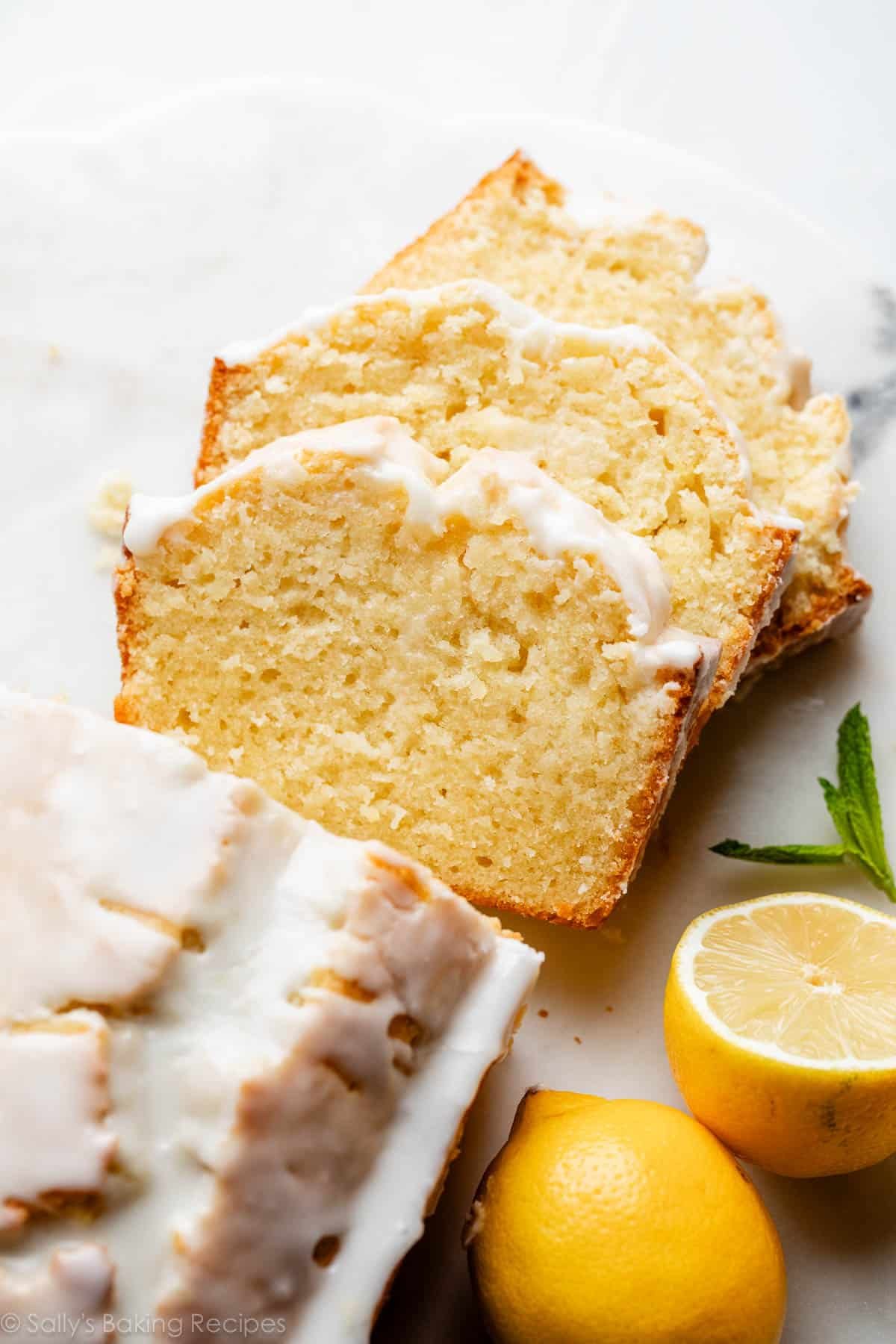
- Iced Lemon Pound Cake: This bright and cheerful pound cake is supremely moist and bursting with lemon flavor. A creamy lemon icing that sets on top provides the only decoration needed for this small yet stunning cake.
- Bread Pudding with Butter Rum Sauce: A texture lover’s dream, bread pudding, often studded with raisins, cinnamon chips, or chocolate chips, offers a comforting and indulgent dessert. The creamy butter rum sauce, while optional, is highly recommended for an elevated experience.
- Hot Cross Buns: While often served for breakfast or brunch, these classic spiced buns with currants or raisins and an orange glaze are a traditional Easter staple that can be enjoyed any time of day, embodying the holiday’s historical culinary roots.
The Economic and Social Impact of Easter Baking
The Easter holiday significantly impacts the food and confectionery industry. The demand for baking ingredients—flour, sugar, butter, eggs, chocolate, and various flavorings—sees a notable surge in the weeks leading up to Easter. Retailers often report increased sales in baking supplies, decorative items, and specialty candies. This economic activity supports local businesses and larger food manufacturers alike, contributing to seasonal employment and revenue generation. In 2023, for instance, consumer spending on Easter candy alone was projected to reach over $3 billion in the United States, underscoring the scale of confectionery consumption during this period. While precise figures for home baking are harder to isolate, the collective expenditure on ingredients and tools represents a substantial boost to the grocery and specialty food sectors.
Beyond economics, Easter baking fosters social cohesion. Family traditions often center around preparing these desserts together, creating opportunities for intergenerational bonding and skill transfer. Children frequently participate in decorating cookies or shaping candies, turning the kitchen into a hub of festive activity. This communal aspect reinforces cultural heritage and provides a sense of continuity from one generation to the next.
Conclusion

Easter desserts are more than just sweet treats; they are a vibrant reflection of spring, a testament to culinary traditions, and a catalyst for cherished family moments. From the historical significance of spiced buns to the contemporary allure of fresh, fruit-forward cakes and easy-to-make homemade candies, the array of options caters to diverse palates and preferences. The guidance of baking experts like Sally McKenney, who emphasize reliability and accessibility, empowers home bakers to embrace the joy of creating these festive delights. As tables are set and families gather, these meticulously crafted desserts serve as a fitting, sweet culmination to the Easter celebration, blending timeless flavors with modern culinary artistry. The enduring popularity of Easter baking ensures that these vibrant, fresh, and often beautifully adorned confections will continue to be a beloved part of spring festivities for years to come.