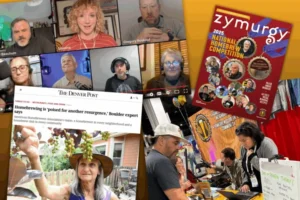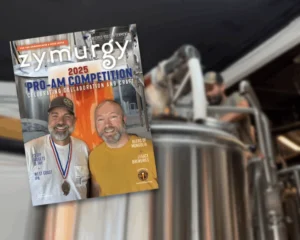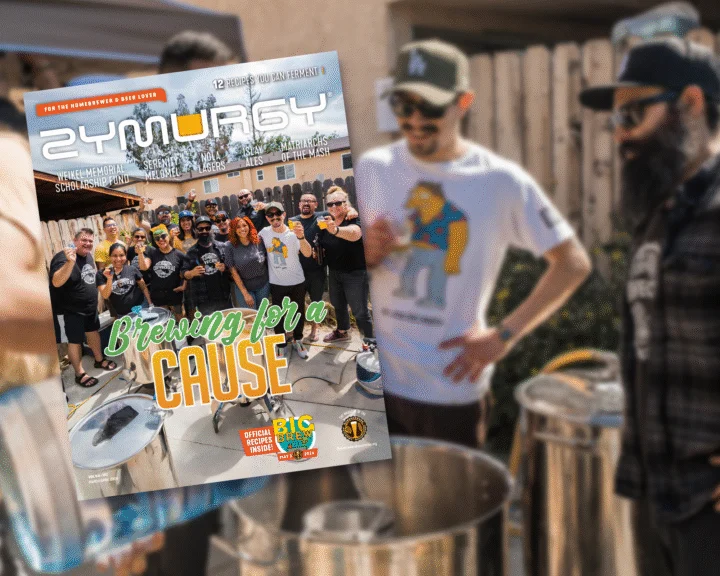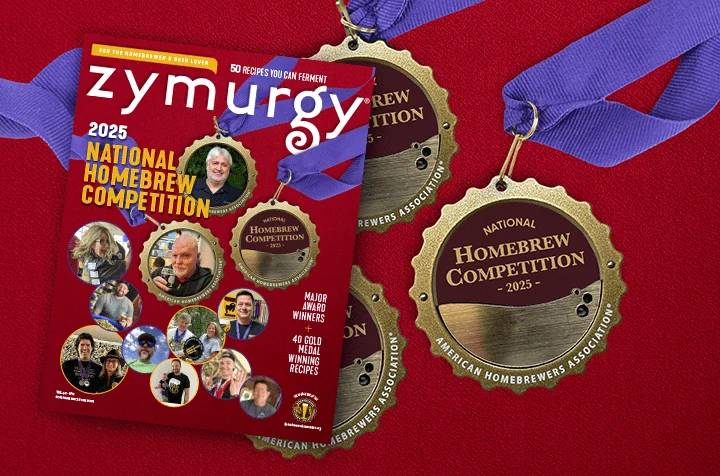

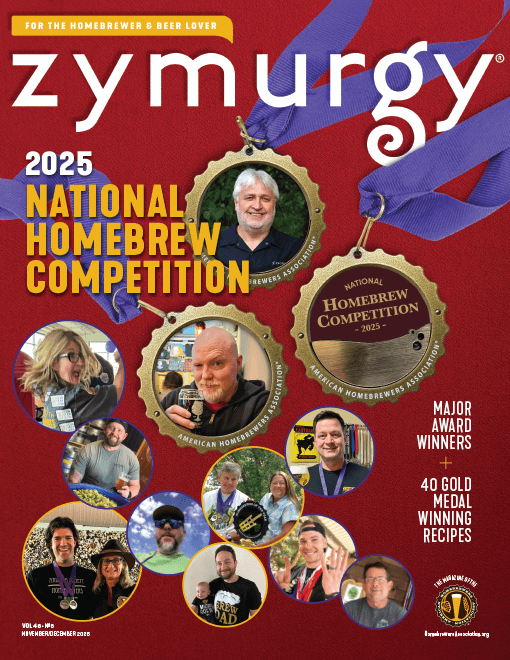
The American Homebrewers Association (AHA) has officially released the November/December 2025 edition of Zymurgy magazine, a cornerstone publication for the global homebrewing community since its inception in 1978. This latest installment serves as the definitive record for the 2025 National Homebrew Competition (NHC), the world’s largest and most prestigious stage for amateur fermentation. Beyond the accolades, the issue provides a deep dive into the technical, economic, and social facets of modern brewing, framed through the lens of overcoming adversity in a shifting hobbyist landscape.
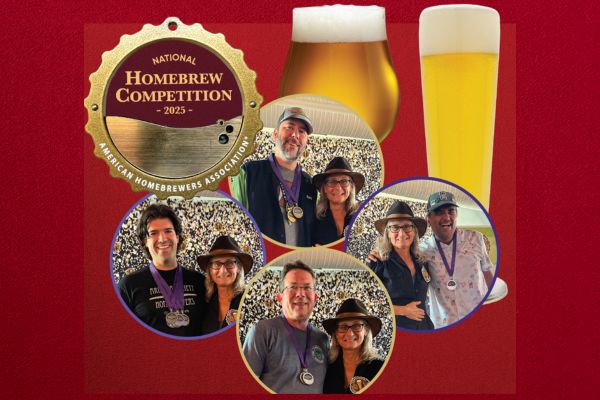
The centerpiece of the issue is the comprehensive coverage of the 2025 NHC winners. In a year marked by record-breaking participation and a diverse array of entries across beer, mead, and cider categories, the magazine identifies the individuals who have reached the pinnacle of the craft. Highlighting the "Major Awards," the publication honors the Homebrewer of the Year, Cidermaker of the Year, and Meadmaker of the Year. Furthermore, the prestigious Samuel Adams Ninkasi Award—named for the Sumerian goddess of beer—continues to be the most sought-after trophy, recognizing the brewer who garners the most points in the final round of the competition.
The National Homebrew Competition: A Legacy of Amateur Excellence
The National Homebrew Competition remains the primary barometer for talent within the hobbyist community. Established shortly after the federal legalization of homebrewing in the United States, the NHC has grown from a small gathering of enthusiasts to a massive multi-stage event. The 2025 cycle continued the tradition of rigorous blind judging, utilizing the Beer Judge Certification Program (BJCP) standards to ensure objective evaluation.
To reach the final round, entrants must typically navigate regional qualifying sites across North America. The competition evaluates entries based on aroma, appearance, flavor, mouthfeel, and overall impression. For the November/December issue, Adriana Terron provides an in-depth analysis of the 2025 winners, detailing the nine major awards that define the competitive landscape. These awards represent not just technical proficiency, but a deep understanding of recipe formulation and fermentation management.
The inclusion of gold medal-winning recipes is a perennial highlight for Zymurgy readers. These recipes serve as educational benchmarks, allowing AHA members to deconstruct the techniques used by the country’s top brewers. By sharing these "validated" formulas, the magazine fosters a culture of open-source knowledge that has historically been the engine behind the craft beer revolution.

Breaking the Invisible Wall: Diversity and Resilience in Brewing
A significant thematic pillar of the 2025 issue is "brewing in the face of adversity." This is exemplified in a feature regarding the role of women in the brewing industry and hobby. Robyn Schumacher, a prominent voice in the community, discusses the "invisible wall of respect" that female brewers often encounter. While women have been the primary brewers throughout much of human history, the modern era has seen a gender imbalance that contemporary enthusiasts are actively working to rectify.
Schumacher’s insights suggest that while the barriers are not insurmountable, they remain a constant presence in professional and competitive spaces. The article emphasizes that technical skill—the ability to "make anything"—is the ultimate equalizer. This narrative of resilience aligns with the broader goals of the AHA to increase inclusivity within the hobby, ensuring that the future of homebrewing is representative of its diverse participant base.
The Economics of Fermentation: Frugal Brewing in an Inflationary Market
As global supply chains and inflation impact the cost of raw materials, the November/December issue addresses the financial realities of the hobby. Jeff Weikert, an economist and seasoned brewer, contributes a feature on "Frugal Brewing." With the price of high-quality malt, specialized hop varieties, and energy rising, Weikert applies economic principles to the brewhouse to maximize efficiency without compromising quality.
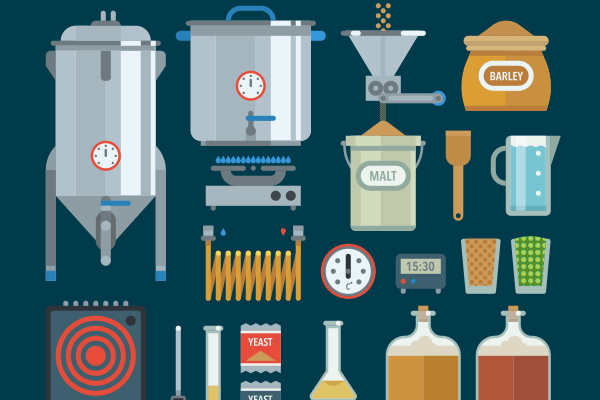
The article explores several strategies for cost-conscious brewing:
- Bulk Purchasing: The logistical advantages of grain cooperatives and bulk hop buying.
- Yeast Management: The technical process of harvesting and washing yeast to extend the life of expensive liquid cultures.
- Energy Efficiency: Optimizing boil times and insulation to reduce the carbon footprint and utility costs of a brew day.
- Equipment DIY: Utilizing "do-it-yourself" solutions rather than purchasing premium, pre-fabricated systems.
Weikert’s analysis provides a data-driven approach to maintaining a hobby that can otherwise become prohibitively expensive, ensuring that homebrewing remains accessible to a broad socioeconomic demographic.
Technical Mastery: The Pursuit of "Unicorn" Beers
For many homebrewers, the hobby is defined by the pursuit of the "unicorn"—beers that are either historically obscure, technically difficult to produce, or characterized by extreme gravity. Mark Pasquinelli’s feature in the latest issue focuses on these "high-gravity mythical beasts."

Brewing high-alcohol beers (often exceeding 12% ABV) presents unique challenges that test a brewer’s mastery of yeast health and oxygenation. Pasquinelli outlines the difficulties of stuck fermentations, the necessity of staggered nutrient additions, and the long-term aging requirements that these styles demand. These "limited-run releases" often mimic the most sought-after commercial offerings, such as barrel-aged stouts or barleywines, and represent the "extreme" end of the homebrewing spectrum.
Editorial Vision and the Digital Transition
The 2025 issue is overseen by Editor-in-Chief Dave Carpenter, who has led Zymurgy through a period of significant digital transformation. Carpenter, a brewer since 2009 with a background in linguistics, has emphasized the importance of high-quality, technical writing in an era of fragmented information.
Under Carpenter’s leadership, Zymurgy has integrated more digital-first content, including the "Zymurgy Online Preview" which allows non-members a glimpse into the magazine’s technical depth. However, the full breadth of the publication remains a benefit of AHA membership, a model that supports the association’s advocacy work. The AHA continues to lobby for the rights of homebrewers at both the state and federal levels, ensuring that the legal framework for the hobby remains robust.
Broader Impact and Industry Implications
The relationship between homebrewing and the professional craft beer industry cannot be overstated. A significant percentage of professional brewers in the United States began their careers as homebrewers, often using Zymurgy as their primary educational resource. The National Homebrew Competition serves as a talent scout of sorts; many past winners have gone on to open award-winning commercial breweries.
The 2025 NHC results and the accompanying articles in Zymurgy reflect a maturing industry. The focus on "frugal brewing" mirrors the professional industry’s shift toward efficiency and sustainability. The focus on "unicorns" reflects the consumer demand for novelty and high-value products. Furthermore, the discussion on diversity highlights a cultural shift within the industry to broaden its appeal and workforce.
Conclusion and Future Outlook
The November/December 2025 issue of Zymurgy stands as more than just a list of contest winners; it is a snapshot of the current state of amateur fermentation. By addressing the economic, social, and technical hurdles facing brewers today, the magazine reinforces its role as an essential resource for those dedicated to the art and science of brewing.
As the American Homebrewers Association looks toward 2026, the success of the 2025 National Homebrew Competition suggests that despite external pressures—be they economic or social—the passion for home fermentation remains resilient. The award-winning recipes and technical insights provided in this issue will likely influence the next generation of beers to emerge from basements and garages across the country, continuing the cycle of innovation that defines the craft beer movement.
For those interested in the full technical specifications of the 2025 gold medal winners or the complete economic breakdown of frugal brewing, the full issue is available via the AHA member portal, providing the resources necessary for brewers to continue their pursuit of the perfect pint in the face of any adversity.