
The American Homebrewers Association (AHA) has officially released the January/February 2026 edition of Zymurgy, its flagship publication dedicated to the art and science of home fermentation. This latest installment serves as a comprehensive guide for the modern zymurgist, featuring an extensive breakdown of the most recent Great American Beer Festival (GABF) Pro-Am Competition winners, an analytical look at the shifting landscape of West Coast IPAs, and a unique exploration of the burgeoning brewing culture in Mongolia. As the craft beer industry continues to navigate a period of maturation and stylistic refinement, the new issue provides critical technical resources, including 11 vetted recipes and reviews of the latest brewing hardware designed to bridge the gap between amateur experimentation and professional-grade production.
The GABF Pro-Am Competition: Bridging the Gap Between Hobby and Industry
The centerpiece of the January/February 2026 issue is the detailed coverage of the Pro-Am Competition medal winners. For decades, the Great American Beer Festival, organized by the Brewers Association, has served as the premier competitive arena for the United States’ beer industry. Within this prestigious event, the Pro-Am category stands out as a unique nexus where the boundaries between professional brewing and homebrewing dissolve.
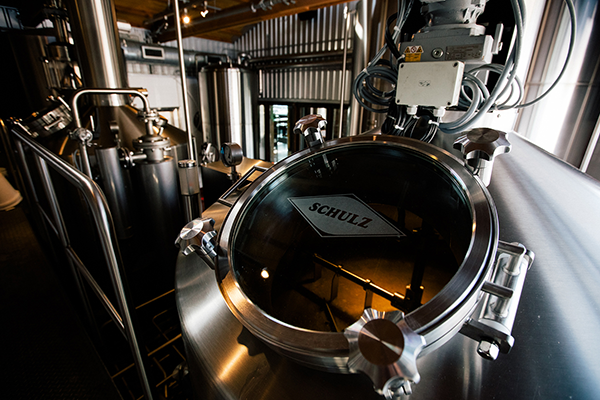
In the Pro-Am competition, AHA members team up with professional brewers at commercially licensed breweries to scale up their award-winning homebrew recipes. This process requires a sophisticated understanding of brewing physics, as recipes formulated for five-gallon carboys must be adapted for 15-barrel or 30-barrel brewhouses. The 2026 coverage highlights the technical hurdles overcome by this year’s medalists, ranging from hop utilization adjustments to managing yeast health in larger conical fermenters.
Historically, the Pro-Am competition has served as a talent scout for the industry. Many of the most successful commercial brewers in the United States began their careers as AHA members, and a Pro-Am medal is often viewed as a "proof of concept" for those looking to enter the professional ranks. By documenting the recipes and techniques used by the winners, Zymurgy provides its readership with a roadmap for achieving professional-level quality in a home setting.
The Evolution of the West Coast IPA: A Return to Clarity and Bitterness
A significant portion of the current issue is dedicated to the evolution of the West Coast India Pale Ale (IPA). While the last decade of brewing was largely defined by the rise of the New England or "Hazy" IPA—characterized by low bitterness, high protein haze, and "juicy" hop profiles—Zymurgy explores the recent resurgence and refinement of the West Coast style.
The West Coast IPA, which gained prominence in the late 1990s and early 2000s through breweries like Sierra Nevada, Stone, and Russian River, was originally defined by its aggressive bitterness, high attenuation, and distinct pine and citrus aromas. However, as the January/February issue notes, the "Modern" West Coast IPA has evolved. Brewers are now utilizing "thiol-optimized" yeast strains, advanced hop products like cryo-hops and incognito extracts, and a more nuanced approach to water chemistry to create beers that are exceptionally clear and bitter, yet more aromatic and drinkable than their predecessors.

The article provides a chronological look at how the style moved from the "bitterness wars" of the mid-2000s to the refined, hop-forward luminaries of today. This analysis is supported by data on hop acreage and variety trends, showing a continued demand for high-alpha acid hops like Citra, Mosaic, and Simcoe, which remain the backbone of the style.
Global Frontiers: The Rise of Brewing in Mongolia
Expanding its scope beyond the North American market, the 2026 issue features a deep dive into the brewing scene in Mongolia. This international report highlights the challenges and triumphs of brewing in a landlocked nation with extreme climatic fluctuations and a historical preference for traditional fermented dairy products like airag (fermented mare’s milk).
The emergence of a craft beer culture in Ulaanbaatar and beyond represents a significant shift in Mongolian consumer behavior. The article examines how local brewers are navigating supply chain logistics, often importing malt and hops from Europe and North America while experimenting with indigenous ingredients. The piece offers a fact-based analysis of how global craft beer trends are adapted to local palates, providing a rare glimpse into a market that is often overlooked by mainstream beer media.
Technological Advancements and Brewing Gadgets
As homebrewing becomes increasingly sophisticated, the "gadgets" section of Zymurgy remains a highly anticipated feature. The January/February issue reviews the latest wave of digital tools and automated systems that have transformed the hobby into a high-tech pursuit.
Key areas of focus include:
- Automated Fermentation Control: Data-driven fermentation monitors that provide real-time gravity and temperature readings via smartphone integration.
- Electric Brewing Systems: The continued shift from propane-fired kettles to all-in-one electric systems, which offer precise temperature strikes and repeatable results.
- Water Chemistry Tools: High-precision pH meters and digital mineral dosers that allow homebrewers to replicate the water profiles of famous brewing regions like Burton-on-Trent or Plzeň.
These technological advancements are not merely about convenience; they are about consistency. By reducing the margin for human error, these tools allow homebrewers to produce beer that rivals the quality of commercial microbreweries.
Leadership and Editorial Vision
Under the guidance of Editor-in-Chief Dave Carpenter, Zymurgy continues to emphasize technical accuracy and community engagement. Carpenter, who began his brewing journey in 2009, has led the magazine through a period of significant transition in the beer world. His editorial philosophy focuses on "geeking out" on the minutiae of brewing while maintaining accessibility for newcomers.
The 11 recipes included in this issue are a testament to this balance. Each recipe is vetted for accuracy and designed to be reproducible across various skill levels. These recipes serve as the practical application of the theoretical knowledge shared in the magazine’s feature articles, covering styles ranging from the historical "Legacy" brewery clones to the avant-garde experiments discussed in the Pro-Am coverage.
Broader Impact and Industry Implications
The release of this issue comes at a critical time for the American Homebrewers Association and the broader craft beer industry. While the explosive growth of the 2010s has slowed, the influence of homebrewing remains a foundational pillar of the $28 billion U.S. craft beer market.
The AHA, founded in 1978 by Charlie Papazian, has long advocated for the rights of homebrewers and has been instrumental in the legalization of homebrewing in all 50 states. Today, the association focuses on education and professional development. By highlighting "Legacy Breweries"—those establishments that have survived for decades in a volatile market—Zymurgy underscores the importance of quality and brand identity. These legacy institutions often serve as mentors for the next generation of brewers, many of whom are current AHA members.
The inclusion of the "Free Zymurgy Online Preview" and the "Members-Only" content structure reflects the Brewers Association’s strategy to enhance the value proposition of membership. In an era where information is abundant but often unverified, the AHA positions Zymurgy as a source of "validated" knowledge. This is particularly relevant as the industry faces headwinds such as changing consumer preferences and rising ingredient costs. By fostering a highly educated and technically proficient base of homebrewers, the AHA ensures a steady pipeline of innovation and a dedicated consumer base for the wider craft beer ecosystem.
Conclusion
The January/February 2026 issue of Zymurgy is more than a hobbyist magazine; it is a document of the current state of fermentation science and culture. From the high-stakes environment of the GABF Pro-Am to the remote taprooms of Mongolia, the publication captures a global movement that continues to prioritize quality, creativity, and community. As Dave Carpenter and his team continue to document the evolution of styles like the West Coast IPA and the integration of new technologies, Zymurgy remains an essential resource for anyone dedicated to the craft of brewing.