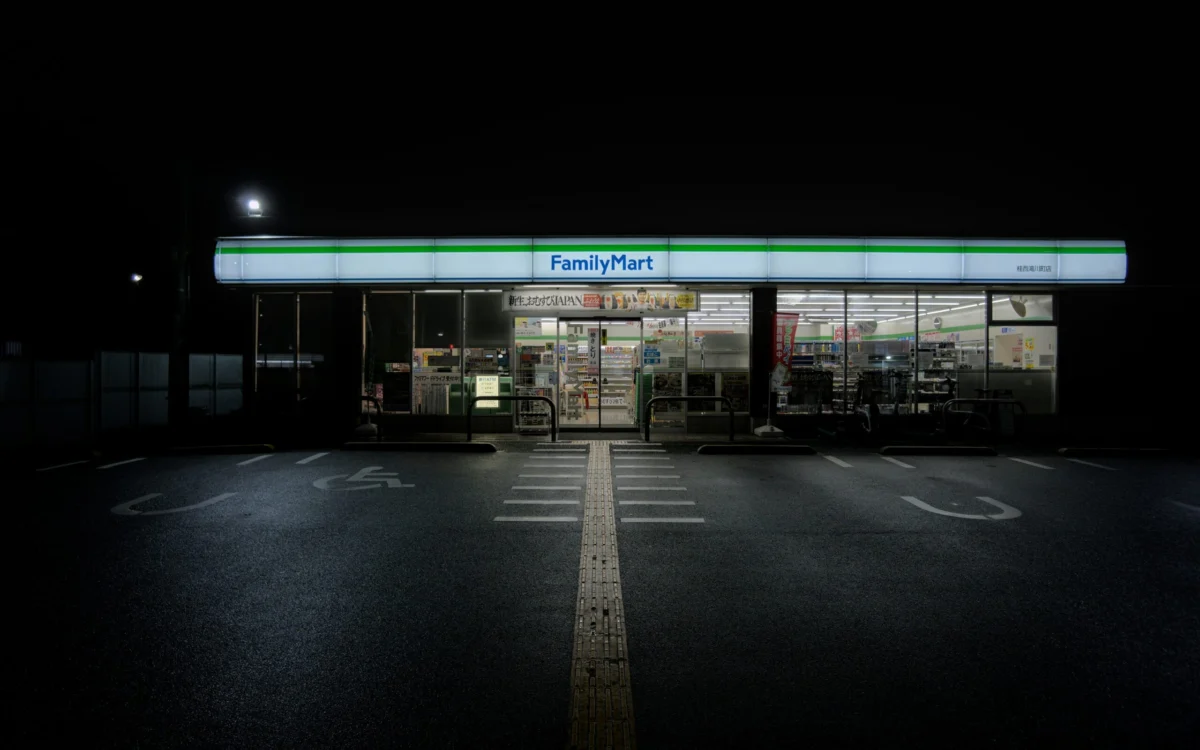

The familiar, often uninspiring, offerings of convenience stores and gas station stops along major roadways—a landscape dominated by pre-packaged snacks, jerky, and less-than-fresh sandwiches—may soon be a relic of the past. A new paradigm is emerging, spearheaded by entrepreneurs like Danish innovator Daniel Baven, who envisions transforming these ubiquitous retail points into vibrant hubs for freshly prepared, diverse culinary experiences. Baven’s company, Noahs, is pioneering a platform designed to leverage existing retail infrastructure, such as convenience stores and supermarkets, to become sophisticated food hubs powered by advanced digital ordering, adaptable modular kitchens, and a dynamic portfolio of culinary brands.
This ambitious vision is rooted in Baven’s acute observation of the current food industry’s economic pressures and emerging consumer trends. He posits that traditional brick-and-mortar restaurants are increasingly challenged by the economic realities imposed by third-party delivery platforms, which often command significant commission fees. Conversely, retailers, particularly those situated in high-traffic areas like service stations and supermarkets, already possess the fundamental assets—physical space, existing customer bases, and often, staff and equipment—that are essential for participating effectively in the burgeoning digital food economy.
"The biggest opportunity in the market space is actually service stations and supermarkets because they all are looking for this new revenue driver and they’re all looking to digitize," Baven stated in a recent interview with The Spoon. "They have the staff, they have the space. Even many of them have a lot of equipment that can be utilized to actually access the digital food economy."
The "Spotify of Food": A Platform for Culinary Diversity
Noahs’ core offering is a comprehensive technological and operational framework that empowers retailers to host and manage multiple distinct food concepts from a single location. Baven frequently draws an analogy between his company’s model and the transformative impact of streaming services on media consumption, referring to it as "the Spotify of food." This analogy highlights the platform’s ability to offer a diverse and rotating selection of culinary options, akin to how streaming services provide access to a vast library of music and movies.
"We’re building the Spotify of food," Baven explained. "We want to be the broker of great brands where we can slot in famous brands to the retailers."
While the "Spotify for X" descriptor has become a common trope for tech startups, the underlying concept of modularity and on-demand access holds significant weight in the context of food service. Noahs provides retailers with a digital ordering system, integrated with modular kitchen setups, and a curated portfolio of food brands. This allows for considerable flexibility; retailers can introduce concepts like pizza, tacos, or specialized sandwich offerings with minimal disruption to their existing operations.
A key element of Noahs’ strategy is its focus on minimizing upfront investment for retailers. In many instances, Baven notes, existing equipment can be repurposed to accommodate new food brands. "We have a chicken brand where most service stations already have the equipment to run it. So they don’t need any capex investment, and they can immediately go in and capture that sale," he elaborated. This approach significantly lowers the barrier to entry for retailers seeking to diversify their revenue streams and cater to evolving consumer demands.
Addressing Shifting Consumer Habits and Industry Headwinds
The convenience store and service station sector is facing a confluence of challenges and evolving consumer behaviors that necessitate innovative solutions. Traditional revenue streams, particularly those tied to the sale of tobacco and alcohol, are experiencing a gradual decline. This is partly attributed to shifting demographic trends, with younger generations exhibiting a decreased propensity for smoking and drinking compared to previous cohorts. Furthermore, the accelerating transition towards electric vehicles (EVs) poses a long-term question mark over the future of traditional gasoline sales, a cornerstone of revenue for many service stations.
In this context, the introduction of fresh, high-quality food offerings presents a compelling opportunity for these businesses. Noahs’ model directly addresses this need by enabling retailers to tap into the demand for convenient, yet appealing, meal options. By offering a variety of popular food brands, Noahs aims to attract a broader customer base and enhance the overall customer experience, transforming a routine stop for fuel or basic necessities into a destination for a satisfying meal.
Global Expansion and U.S. Market Entry on the Horizon
Noahs has already established a presence and is actively collaborating with partners across Europe, laying the groundwork for significant future expansion. The company has ambitious targets, projecting an operational footprint of 600 locations by the end of 2026, primarily concentrated within the European market.

Crucially for the North American market, Noahs is setting its sights on the United States, with plans for expansion within the next 12 months. This move signals a strong belief in the applicability of its model to the vast and diverse U.S. consumer landscape, particularly along its extensive highway networks.
"We anticipate we would have at least around 600 locations by the end of ‘26 using the Noah’s platform," Baven confirmed.
When pressed on the timeline for American consumers to experience Noahs-powered food offerings on U.S. highways, Baven indicated a near-term launch: "I would say definitely sometime next year." This suggests that the transformation of highway food service could begin to materialize in the U.S. market as early as 2025.
The Broader Implications for Food Retail and Consumption
The success of Noahs’ model could herald a significant shift in how food is consumed away from home, particularly during travel. It offers a potential solution to the "last mile" food desert problem often encountered in less populated areas or along transit corridors, providing access to a wider array of food choices beyond the limited options typically available.
For retailers, this represents a strategic pivot towards becoming diversified food service providers, creating new revenue streams and enhancing customer loyalty. The ability to adapt quickly to market trends and consumer preferences by rotating food concepts offers a competitive advantage in a rapidly evolving marketplace.
The implications extend to food brands as well. Noahs provides a scalable channel for smaller or emerging food brands to gain visibility and reach a wider audience without the substantial overhead associated with establishing independent physical locations. This democratizes access to the food market, fostering innovation and competition.
However, the widespread adoption of such platforms will likely necessitate a focus on maintaining food quality and safety standards across a distributed network of locations. Ensuring consistent execution of brand standards and efficient supply chain management will be critical for building and sustaining consumer trust.
The integration of digital ordering and modular kitchens also raises questions about the future of traditional kitchen staff roles and the potential for increased automation in food preparation. As the model matures, it will be important to monitor its impact on employment within the food service industry.
The venture by Noahs and Daniel Baven is not merely about improving highway food; it represents a broader reimagining of food retail, leveraging technology and a flexible brand ecosystem to meet the demands of modern consumers and the economic realities of the food industry. The coming years will be pivotal in observing whether this "Spotify of food" model can truly revolutionize the way we eat on the go.
Why the Future of Highway Food Might Look More Like a Food Court