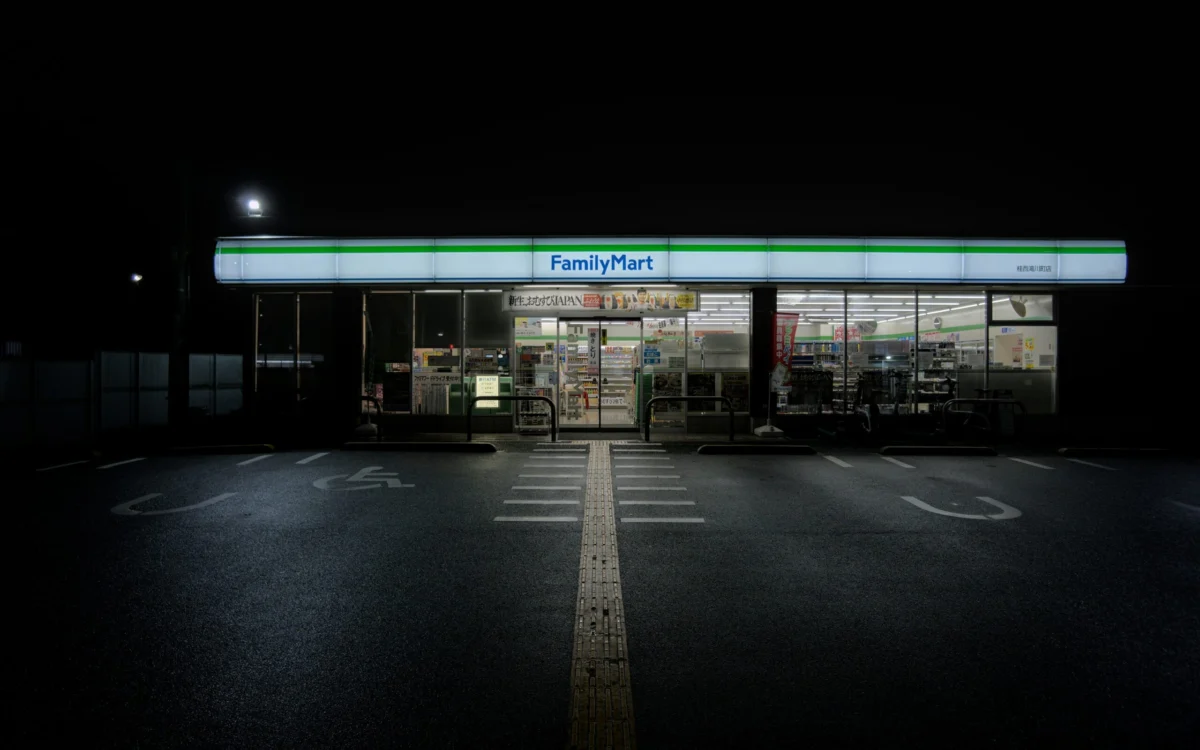

The ubiquitous convenience store, a familiar sight along America’s vast highway system, has long been synonymous with a limited and often uninspiring culinary experience. For many travelers, the typical offerings amount to pre-packaged snacks, sugary drinks, and perhaps a sad, cellophane-wrapped sandwich that has seen better days. This paradigm, however, is poised for a dramatic transformation, driven by a Danish entrepreneur’s innovative vision to reimagine these roadside oases as dynamic food hubs. Daniel Baven, the founder of Noahs, is pioneering a digital-first approach that aims to inject fresh, quality, and diverse food options into locations previously defined by convenience over cuisine.
Noahs is not merely a restaurant concept; it’s a comprehensive platform designed to empower existing retail spaces, such as service stations and supermarkets, to become thriving centers for distributed food production and consumption. At its core, the company leverages digital ordering, adaptable modular kitchen infrastructure, and a flexible portfolio of culinary brands. This strategic model addresses the evolving needs of both consumers and retailers in an increasingly digital world. Baven’s insight stems from a keen observation of the contemporary food landscape: traditional restaurants grapple with the escalating costs and complexities of third-party delivery services, while retailers, often overlooked, possess underutilized assets like physical space, existing staff, and even relevant equipment.
"The biggest opportunity in the market space is actually service stations and supermarkets because they all are looking for this new revenue driver and they’re all looking to digitize," Baven stated in a recent interview. "They have the staff, they have the space. Even many of them have a lot of equipment that can be utilized to actually access the digital food economy." This symbiotic relationship is central to Noahs’ proposition, offering a pathway for these established businesses to diversify their income streams and adapt to changing consumer demands without the prohibitive upfront investment typically associated with launching new food ventures.
The "Spotify of Food" Model
Baven frequently draws a parallel between Noahs’ operational model and the transformative impact of streaming services like Spotify on the music industry. "We’re building the Spotify of food," he explained. "We want to be the broker of great brands where we can slot in famous brands to the retailers." This analogy, while perhaps a simplification, effectively conveys the platform’s ability to offer a curated and ever-changing selection of culinary experiences. Instead of being tied to a single, fixed menu, retailers can dynamically integrate a variety of food brands, from popular pizza chains to artisanal taco vendors and gourmet sandwich shops, with relative ease.
The platform’s technological backbone is crucial to this flexibility. Noahs provides the software layer that manages digital orders, optimizes kitchen operations, and facilitates the seamless integration of different food concepts. This "digital ordering stack," as it’s described, works in tandem with modular kitchen systems. These systems are designed for efficiency and adaptability, allowing retailers to implement new food brands with minimal disruption to their existing operations. The goal is to enable a quick turnaround, allowing a service station to offer a breakfast burrito concept in the morning, a build-your-own salad bar at lunch, and a specialized fried chicken offering in the evening, all from the same physical footprint.
A key aspect of this model is its potential to minimize capital expenditure for retailers. In many instances, Baven highlights, existing equipment can be repurposed. "We have a chicken brand where most service stations already have the equipment to run it," he noted. "So they don’t need any capex investment, and they can immediately go in and capture that sale." This reduces the financial barriers to entry and accelerates the adoption of new revenue-generating food concepts.
Addressing Shifting Consumer Habits and Industry Trends
The impetus behind Noahs’ disruptive approach is deeply rooted in observable shifts in consumer behavior and the economic pressures facing traditional convenience store revenue streams. Historically, convenience stores have relied heavily on sales of tobacco and alcohol, which have historically contributed a significant portion of their profitability. However, demographic trends indicate a decline in these consumption patterns, particularly among younger generations, who are increasingly choosing healthier lifestyles and demonstrating a reduced inclination towards smoking and heavy drinking compared to previous cohorts.
Furthermore, the accelerating transition towards electric vehicles (EVs) presents another significant challenge. As EVs become more prevalent, the traditional model of gas stations catering to fuel sales will need to adapt. While EV charging infrastructure will become a new revenue source, the ancillary sales associated with traditional gas station visits may diminish. This confluence of factors necessitates a proactive strategy for convenience stores to identify and cultivate new, sustainable revenue streams.

Noahs posits that fresh, high-quality food is the logical and most promising answer to this evolving landscape. By transforming convenience stores into culinary destinations, retailers can tap into a growing consumer demand for convenient yet delicious meal options. This not only caters to travelers seeking more than just a snack but also serves local communities looking for quick and accessible meal solutions.
Global Expansion and U.S. Market Aspirations
Noahs has already made significant inroads in its native Europe, forging partnerships with retailers across the continent. The company has set ambitious expansion targets, aiming to operate from 600 locations by the end of 2026. The primary focus for this expansion will remain within Europe, capitalizing on established relationships and market penetration.
However, the company’s sights are firmly set on the substantial U.S. market. Baven expressed confidence in a U.S. launch within the next 12 months. This strategic move signals a belief in the universal applicability of the Noahs model and its potential to resonate with American consumers and retailers alike. The vast network of service stations and convenience stores across the United States presents an enormous opportunity for disruption and innovation.
"I would say definitely sometime next year," Baven confirmed when asked about the timeline for Americans to experience Noahs-powered food offerings on their highways. The prospect of encountering diverse and freshly prepared meals at familiar roadside stops could fundamentally alter the travel experience for millions of Americans, transforming what was once a utilitarian necessity into a culinary adventure.
Implications for the Future of Retail Food
The implications of Noahs’ model extend beyond the immediate convenience store sector. It represents a broader shift in how food is produced, distributed, and consumed. By decentralizing food preparation into numerous smaller, localized hubs, Noahs challenges the traditional centralized kitchen model that dominates much of the ghost kitchen and delivery ecosystem. This distributed approach could lead to:
- Reduced Food Miles and Fresher Ingredients: Localized preparation can shorten supply chains, potentially leading to fresher ingredients and a smaller environmental footprint.
- Greater Resilience: A distributed network is less vulnerable to disruptions that might affect a single, large-scale production facility.
- Hyper-Local Customization: The ability to swap brands allows for rapid adaptation to local tastes and preferences, fostering a more personalized food experience.
- Revitalization of Underutilized Retail Space: Noahs offers a compelling solution for retailers seeking to maximize the value of their existing physical assets.
The success of Noahs will likely depend on its ability to effectively manage the operational complexities of a multi-brand, multi-location food service model. Ensuring consistent quality, efficient logistics, and robust digital infrastructure will be paramount. Nevertheless, Daniel Baven’s vision offers a compelling glimpse into a future where the humble convenience store is no longer just a pit stop for snacks but a vibrant nexus of diverse and delicious culinary options, transforming the very essence of highway dining.
The full interview with Daniel Baven, offering deeper insights into his entrepreneurial journey and the future of Noahs, is available for viewing, providing a comprehensive understanding of this transformative initiative.
Why the Future of Highway Food Might Look More Like a Food Court