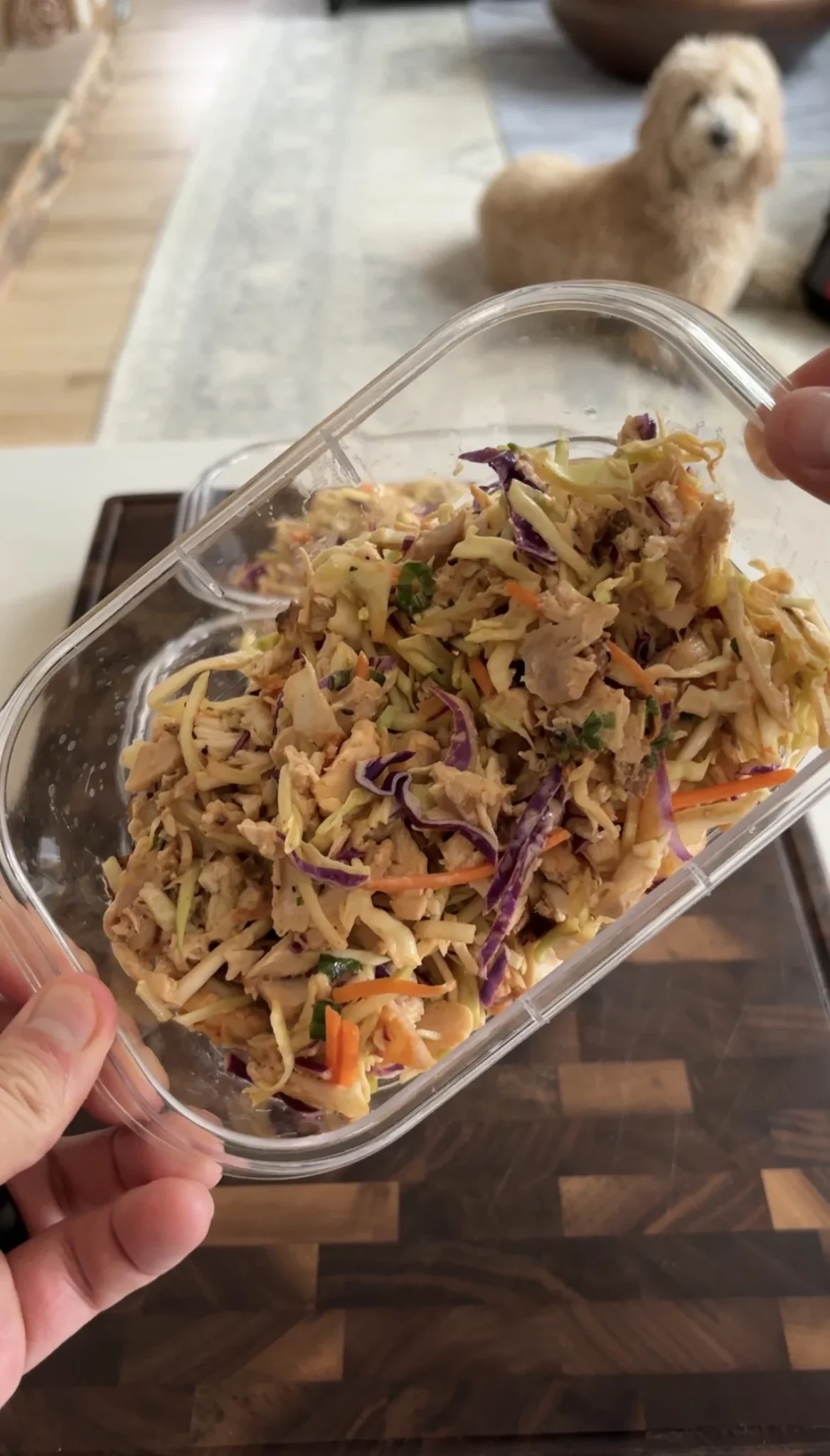

In the ever-evolving landscape of culinary trends, some recipes capture fleeting attention, while others embed themselves into the daily routines of home cooks. A recent viral sensation, the "Rotisserie Chicken Asian Salad," has firmly planted itself in the latter category, lauded for its simplicity, nutritional value, and remarkable adaptability as a high-protein meal prep solution. This recipe, which gained significant traction on social media platforms, leverages the ubiquitous and budget-friendly Costco rotisserie chicken as its foundation, offering a practical and satisfying alternative to expensive and often less filling store-bought lunches.
The core of this popular dish lies in its innovative substitution of traditional leafy greens with a hearty coleslaw mix. This seemingly minor alteration, according to proponents of the hack, significantly enhances the longevity and textural integrity of the meal prep. Unlike delicate lettuce, which can wilt and become soggy within a day or two, the shredded cabbage and carrots in a coleslaw mix maintain their satisfying crunch, ensuring that lunches prepared several days in advance remain as appealing as when they were first assembled. This characteristic addresses a common pain point for meal preppers: the dreaded loss of freshness and texture in stored meals.
The Genesis of a Viral Sensation
The "Rotisserie Chicken Asian Salad" emerged from a broader trend of utilizing pre-cooked rotisserie chickens for quick and healthy meals. These readily available, affordable birds, often costing around $5, provide a substantial source of lean protein without the need for extensive cooking or cleanup. This accessibility made them an ideal starting point for a recipe designed for efficiency and budget-consciousness.
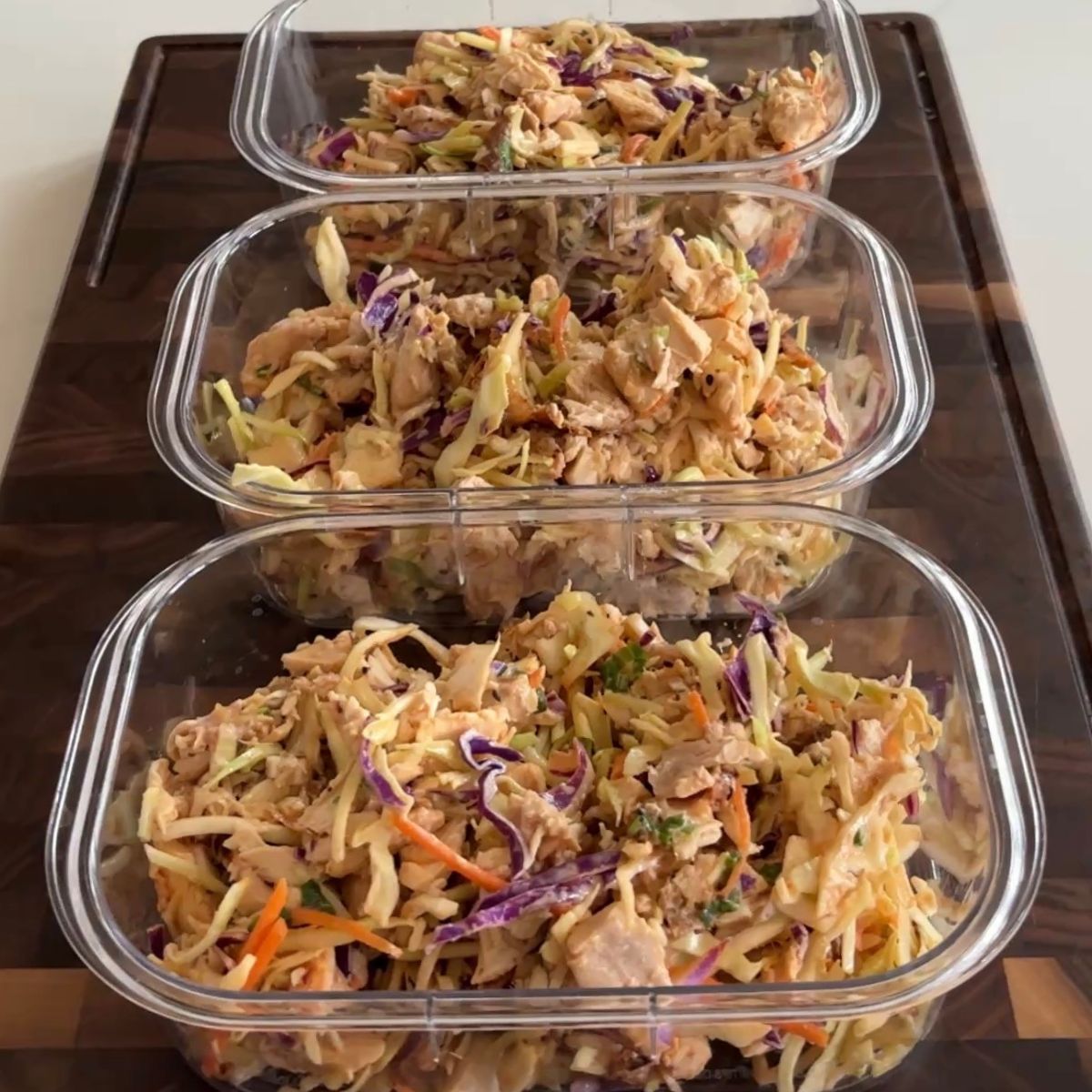
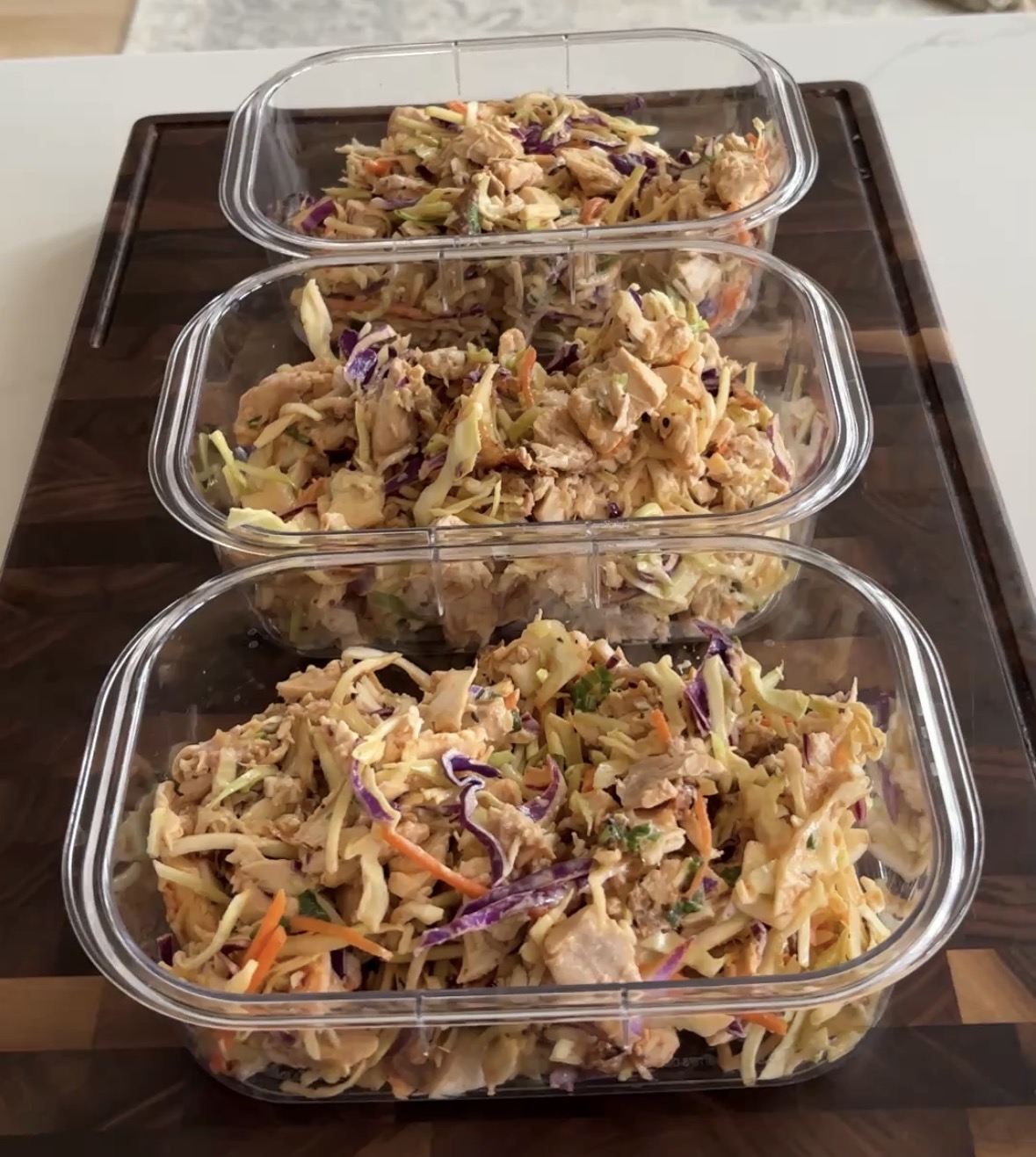
The specific iteration that gained viral status is credited with a key modification: the integration of a coleslaw mix. This strategic swap transformed a potentially ephemeral salad into a robust, long-lasting meal prep option. The visual appeal of the vibrant, multi-colored salad, often showcased in meal prep containers across platforms like TikTok and Instagram, further fueled its popularity. User-generated content frequently highlighted the ease of assembly, the generous protein content, and the significant cost savings compared to purchasing lunches daily. Many users reported spending between $12 to $15 for a single restaurant lunch that often left them feeling unsatisfied, making the rotisserie chicken hack a compelling alternative.
Why This Recipe Resonates with Meal Preppers
The widespread adoption of the Rotisserie Chicken Asian Salad can be attributed to a confluence of factors that align perfectly with the needs of modern, busy individuals seeking convenient and nutritious meal solutions.
-
High Protein Content: A primary draw of this recipe is its substantial protein yield. Each serving is estimated to provide approximately 46 grams of protein, a figure that significantly contributes to satiety, muscle repair, and overall energy levels. This makes it an ideal choice for fitness enthusiasts, those managing weight, or anyone looking to combat mid-day slumps with sustained energy. The protein not only helps in feeling full but also supports metabolic functions and muscle recovery, especially crucial for individuals engaged in regular physical activity.
-
Minimal Cooking and Effort: The "no-cook" nature of this recipe is a major convenience factor. By utilizing a pre-cooked rotisserie chicken, the need for extensive chopping, marinating, or actual cooking is eliminated. This drastically reduces preparation time and, importantly, minimizes the amount of cleanup required, a significant consideration for those with limited time or a dislike for extensive kitchen chores. The convenience factor is paramount in meal prepping, where efficiency is often as important as the nutritional outcome.
-
Extended Freshness and Texture: The strategic use of coleslaw mix, typically composed of shredded cabbage and carrots, is a game-changer for meal prep longevity. Unlike leafy greens that tend to break down and become unappetizing when dressed and stored, the sturdy texture of cabbage and carrots holds up remarkably well. This ensures that meals prepared at the beginning of the week remain enjoyable and texturally pleasing throughout, typically up to four days when stored correctly in airtight containers in the refrigerator. This extended freshness combats the common issue of prepped salads losing their appeal by day three or four.
-
Macronutrient Flexibility: The base recipe offers a solid nutritional profile, but its adaptability allows for easy adjustments to meet specific dietary goals. For individuals requiring a higher carbohydrate intake, such as athletes or those in a caloric surplus, incorporating cooked rice is a straightforward addition. Conversely, those looking to reduce fat or calorie intake can opt for lighter dressing alternatives, such as a reduced-fat mayonnaise or a vinaigrette-based dressing. This inherent flexibility makes the recipe a versatile tool for a wide range of dietary preferences and objectives.
The Core Recipe and Nutritional Breakdown
The Rotisserie Chicken Asian Salad recipe, as popularized, typically includes the following components:
Ingredients (Makes 3 Servings):
- 1 Rotisserie Chicken (shredded, approximately 3-4 cups of meat)
- 1 Bag (14-16 oz) Coleslaw Mix (shredded cabbage and carrots)
- 1/2 Cup Mayonnaise (or a lighter alternative)
- 2-3 Tablespoons Soy Sauce (or tamari for gluten-free)
- 1 Tablespoon Rice Vinegar
- 1 Teaspoon Sesame Oil
- 1/4 Cup Sliced Almonds or Toasted Sesame Seeds (for garnish)
- Optional: Chopped Green Onions, Red Pepper Flakes for spice
Instructions:
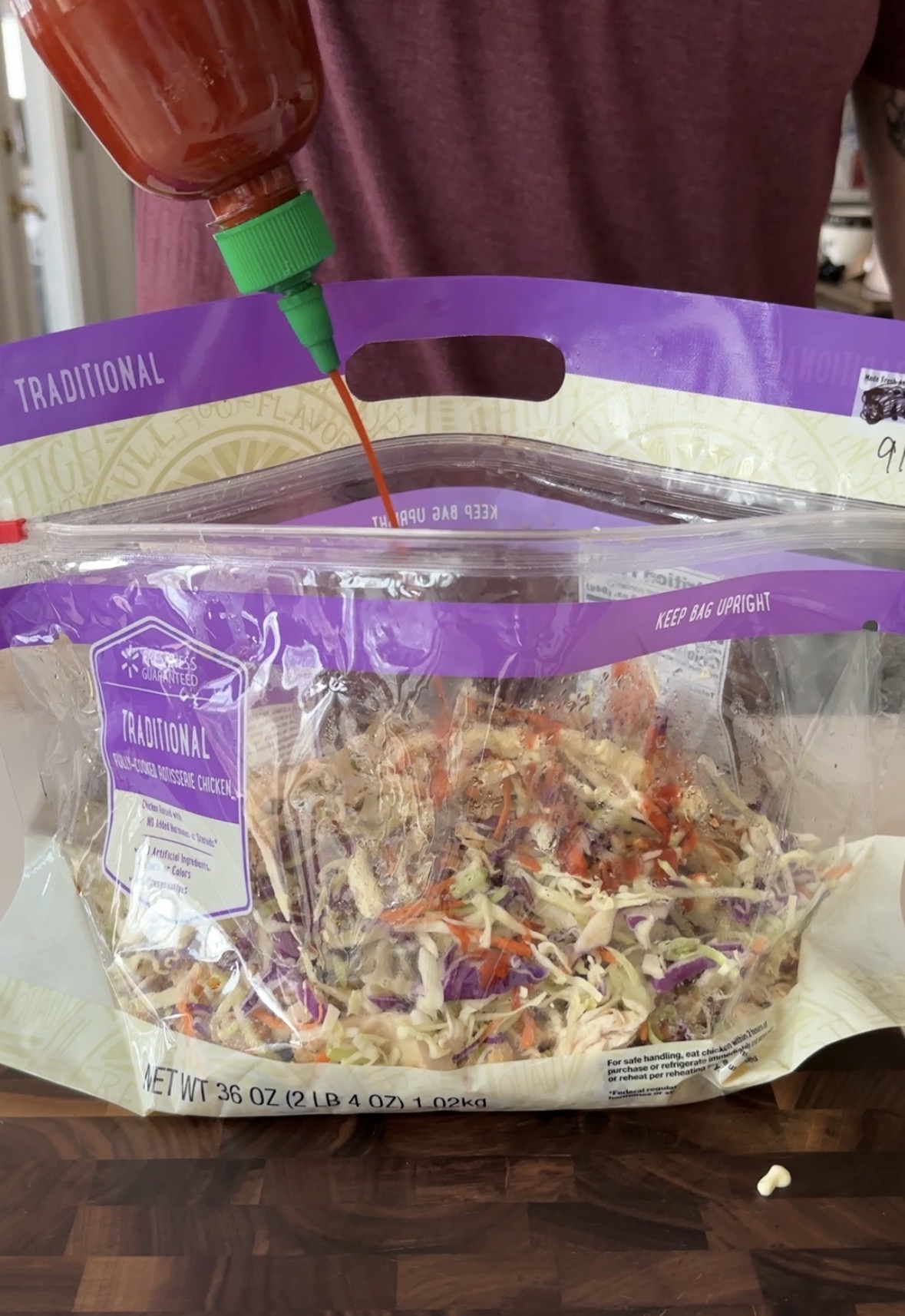
- Prepare the Chicken: Shred the meat from the rotisserie chicken, discarding bones and skin.
- Combine Salad Base: In a large bowl, combine the shredded chicken and the coleslaw mix.
- Make the Dressing: In a separate small bowl, whisk together the mayonnaise, soy sauce, rice vinegar, and sesame oil until well combined.
- Dress the Salad: Pour the dressing over the chicken and coleslaw mixture. Toss gently until everything is evenly coated.
- Add Optional Ingredients: Stir in any optional ingredients like chopped green onions or red pepper flakes.
- Portion and Store: Divide the salad into three airtight meal prep containers.
- Garnish (Before Serving): Top with sliced almonds or toasted sesame seeds just before eating to maintain their crunch.
Macros (Per Serving – 1 of 3, approximate):
- Calories: ~450-550 (depending on mayo quantity)
- Protein: ~46g
- Fat: ~25-35g
- Carbohydrates: ~10-15g
- Fiber: ~3-5g
Enhancing the Recipe: Adding Rice for Increased Carbohydrates
For individuals seeking a more substantial meal or requiring additional carbohydrates to fuel their training or daily activities, the addition of cooked white rice is a popular and effective modification.
- With 1 cup cooked white rice:
- Calories: Increase by approximately 200-250 calories.
- Carbohydrates: Increase by approximately 45-50g.
This adjustment transforms the salad into a more complete meal, suitable for post-workout recovery or for individuals with higher energy demands. It’s important to note that when incorporating rice, it is often best to store it separately and combine it with the salad just before consumption to prevent the rice from becoming mushy.
Storage and Reheating Guidelines
The inherent advantage of this meal prep lies in its storage capabilities. When kept in airtight containers in the refrigerator, the Rotisserie Chicken Asian Salad can maintain its quality for up to four days. This longevity is a direct benefit of using the coleslaw mix, which resists sogginess far better than traditional lettuce-based salads.
When it comes to reheating, two primary methods are recommended:
- Cold Consumption: The salad can be enjoyed directly from the refrigerator, making it an ideal grab-and-go option.
- Gentle Warming: For those who prefer a slightly warmed meal, the salad can be microwaved for a short duration, typically 30-60 seconds, until just heated through. It is crucial not to overheat, as this can affect the texture of the chicken and vegetables.
If rice has been added, it is advisable to heat the rice separately and then combine it with the warmed or cold salad to maintain optimal texture for both components.
Customization and Variations
The beauty of the Rotisserie Chicken Asian Salad lies in its inherent versatility, allowing for a multitude of personalizations to suit diverse palates and dietary needs.
- Vegetable Additions: Beyond the standard coleslaw mix, consider incorporating finely diced bell peppers (red, yellow, or orange for color and sweetness), edamame for an extra protein boost, or shredded carrots for added crunch. A sprinkle of chopped cilantro can introduce a fresh, herbaceous note.
- Dressing Variations: For a lighter, tangier dressing, a blend of Greek yogurt and lime juice can be used instead of mayonnaise. A peanut-based dressing, incorporating peanut butter, soy sauce, honey, and a touch of sriracha, can offer a different flavor profile.
- Spice Level Adjustment: Sriracha, chili garlic sauce, or a pinch of cayenne pepper can be added to the dressing to cater to individual preferences for heat.
- Crunchy Toppings: Beyond almonds and sesame seeds, consider adding crispy chow mein noodles (for those not concerned with carb count), chopped peanuts, or even a small amount of toasted sunflower seeds for textural contrast.
- Serving Suggestions: While ideal for meal prep containers, the salad can also be served in lettuce cups (like butter lettuce or romaine hearts) for a lighter, lower-carb option. It can also be piled onto toasted whole-wheat bread or used as a filling for wraps.
Addressing Frequently Asked Questions
As this recipe has gained popularity, several common inquiries have emerged from home cooks experimenting with the hack:
- Can I use chicken thighs instead of breast? While technically possible, using chicken thighs would alter the nutritional profile, typically increasing the fat content. Furthermore, Costco’s rotisserie chicken primarily features breast meat, making thighs less readily available for this specific hack.
- Is this gluten-free? The recipe can easily be made gluten-free by substituting soy sauce with tamari or a certified gluten-free soy sauce alternative. It’s essential to check the labels of all dressing ingredients to ensure they meet gluten-free requirements.
- Can I freeze this? Freezing is not recommended for this particular recipe. The texture of the coleslaw mix, particularly the cabbage and carrots, would degrade significantly upon thawing, leading to a mushy and unappetizing result. Refrigeration for up to four days is the optimal storage method.
The viral Rotisserie Chicken Asian Salad hack stands as a testament to the power of simple, accessible ingredients combined with a clever culinary tweak. It has successfully empowered countless individuals to create satisfying, high-protein meals without breaking the bank or dedicating excessive time to kitchen preparation, solidifying its place as a valuable tool in the modern meal prep arsenal.