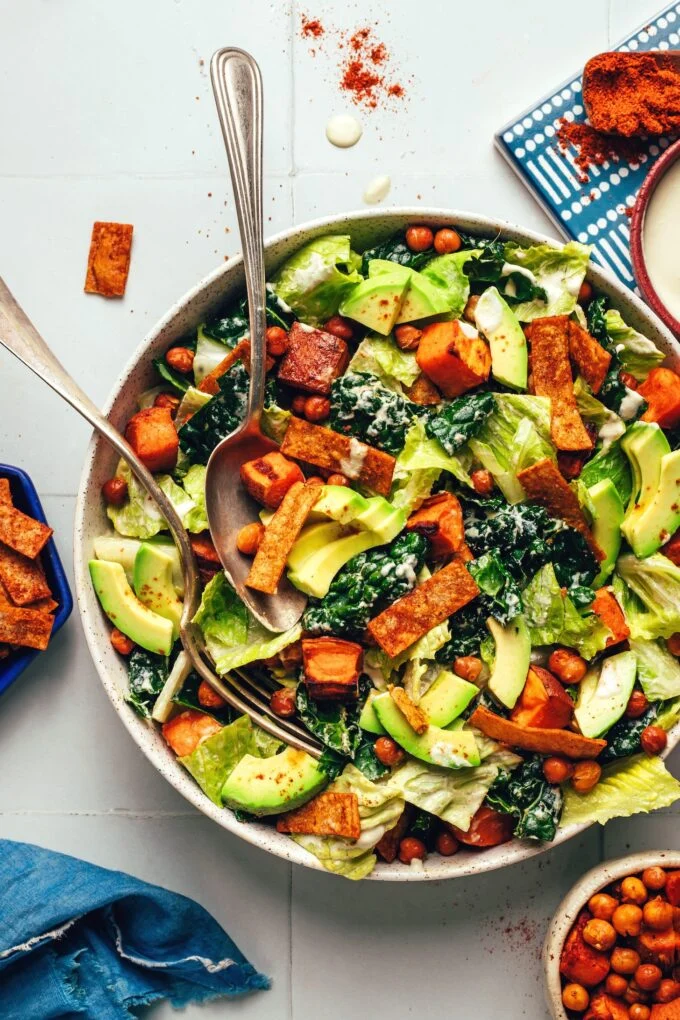

The Evolution of the Plant-Based Entrée Salad
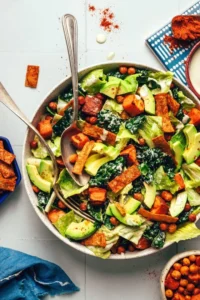
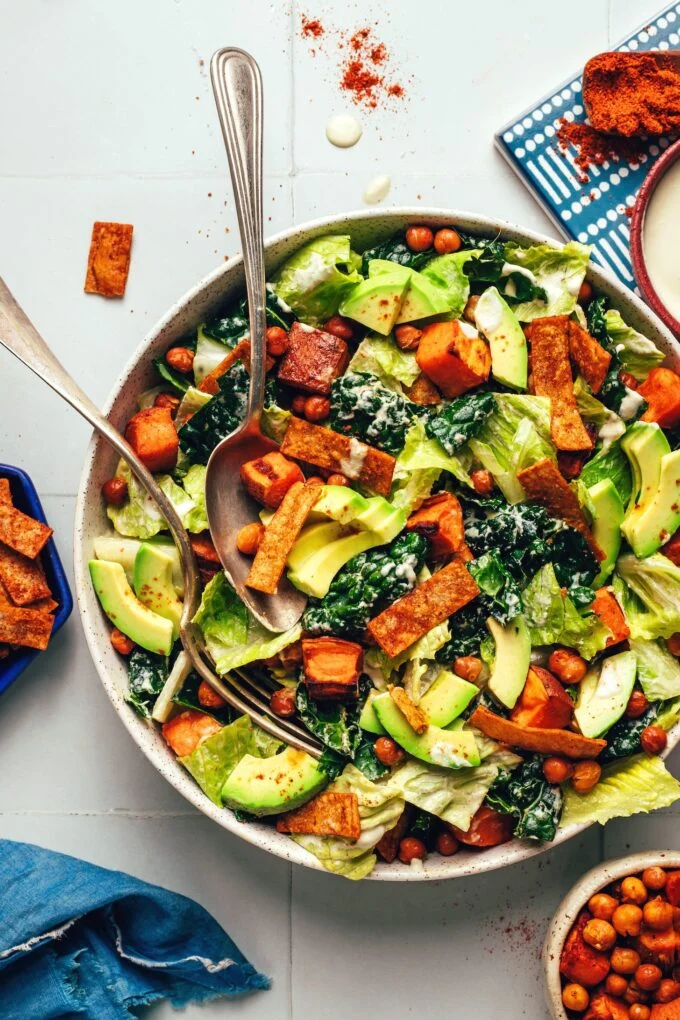
Historically, the American taco salad emerged in the mid-20th century, often characterized by a fried flour tortilla bowl, ground beef, shredded iceberg lettuce, and high-fat dairy components. However, contemporary dietary shifts have necessitated a reinvention of this classic. The Vegan Sweet Potato Chickpea Taco Salad represents a departure from the traditional model by replacing animal proteins with a combination of complex carbohydrates and plant proteins.
The use of sweet potatoes and chickpeas as the primary "hearth" of the salad addresses the common critique that plant-based salads lack satiety. By roasting these ingredients with a specific blend of smoky spices—namely chili powder and smoked paprika—culinary experts create a flavor profile that mimics the savory, umami characteristics typically associated with seasoned meats. This transition is backed by data from various market research firms, which indicate that nearly 40% of consumers are actively trying to incorporate more plant-based foods into their routines, driven by concerns regarding cardiovascular health and environmental impact.

Nutritional Analysis and Composition
A detailed examination of the nutritional data for the Vegan Sweet Potato Chickpea Taco Salad reveals a balanced profile suitable for a complete meal. A single serving provides approximately 442 calories, making it a substantial lunch or dinner option. The macronutrient breakdown is particularly notable for its high fiber content, providing 11.9 grams per serving. This represents nearly 40% of the recommended daily intake for adults, a factor critical for digestive health and the regulation of blood glucose levels.
The protein content, totaling 12.6 grams per serving, is derived primarily from chickpeas and cashews. While lower than a traditional beef-based salad, the inclusion of chickpeas provides a significant amount of lysine, an essential amino acid often limited in grain-heavy diets. Furthermore, the fat profile is dominated by monounsaturated and polyunsaturated fats (10.1g and 4.6g respectively), which are associated with improved heart health compared to the saturated fats found in bovine products.
The micronutrient density is further enhanced by the base of kale and romaine lettuce. Vitamin A levels are particularly high, recorded at 4,020 IU per serving, alongside 24 mg of Vitamin C. These antioxidants play a vital role in immune function and cellular repair. The inclusion of nutritional yeast and miso in the dressing also introduces B-vitamins and probiotics, respectively, contributing to a holistic nutritional approach.

Culinary Mechanics: The 30-Minute Preparation Model
In the context of modern food preparation, "time-poverty" is a significant barrier to healthy eating. The Vegan Sweet Potato Chickpea Taco Salad is engineered to be a 30-minute meal, a strategic timeframe that appeals to the "weeknight cook" demographic. The chronology of the preparation is designed for maximum efficiency through multi-tasking:
- Initial Roasting Phase (0-25 minutes): The oven is preheated, and the sweet potatoes and chickpeas are tossed in avocado oil—a high-smoke-point fat—and seasoned. This phase utilizes dry heat to induce the Maillard reaction, enhancing the sweetness of the potatoes and the texture of the chickpeas.
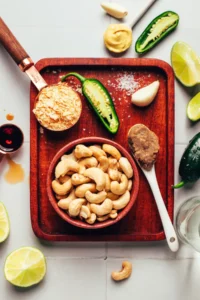
- Dressing Preparation (10-15 minutes): While the roasting occurs, a high-speed blender is used to emulsify cashews with water, lime juice, and savory agents. This 5-minute process replaces traditional dairy-based dressings with a nutrient-dense alternative.
- Greens and Assembly (20-30 minutes): The final minutes are dedicated to chopping hardy greens like kale and romaine. The choice of these specific greens is tactical; kale provides structural integrity that prevents the salad from becoming wilted when in contact with warm roasted vegetables, while romaine offers the traditional "crunch" expected in a taco salad.
This streamlined workflow reflects a broader trend in digital food media, where creators like Minimalist Baker prioritize recipes that require ten ingredients or less, one bowl, or 30 minutes or less to prepare.
The Science of the "Cheesy" Cashew Dressing
One of the most significant hurdles in vegan culinary transition is the replication of dairy textures and flavors. The dressing utilized in this salad employs several "bio-hacks" to achieve a savory, "cheesy" profile without the use of animal products.

- Cashews: When soaked or blended at high speeds, the high fat and starch content of cashews creates a creamy emulsion similar to heavy cream or yogurt.
- Nutritional Yeast: A deactivated yeast that is a staple in vegan cooking for its nutty, cheesy flavor profile.
- Miso Paste: A fermented soybean product that provides deep umami, compensating for the lack of aged cheese.
- Acidity: Lime juice provides the necessary bright notes to cut through the fat of the nuts, mimicking the tang of sour cream.
The result is a dressing that provides the sensory satisfaction of traditional high-calorie toppings while maintaining a lower glycemic index and higher mineral content.
Economic and Environmental Implications
The ingredients of the Vegan Sweet Potato Chickpea Taco Salad—chickpeas, sweet potatoes, kale, and corn chips—are characterized by their relative affordability and low environmental footprint. According to data from the Water Footprint Network, the production of pulses (like chickpeas) requires significantly less water per gram of protein compared to beef or pork. Furthermore, sweet potatoes are recognized as one of the most efficient crops in terms of caloric yield per acre.
From an economic perspective, the reliance on pantry staples like canned chickpeas and root vegetables allows for a lower cost-per-serving than meals centered around fresh animal proteins. This makes plant-based eating more accessible to a wider socio-economic demographic, challenging the perception that "eating healthy" is an elitist or prohibitively expensive endeavor.

Consumer Reception and Market Context
The release of this recipe coincides with a peak in "vegan Mexican" culinary interest. Market analysts note that Mexican cuisine is uniquely suited for vegan adaptation due to its historical reliance on the "three sisters" of Mesoamerican agriculture: beans, corn, and squash. By substituting sweet potatoes for squash and chickpeas for traditional black or pinto beans, this recipe offers a modern twist on ancestral eating patterns.
Responses from the digital community suggest that the "crunch" factor—provided here by tortilla chips—is a critical component of consumer satisfaction. In the realm of food psychology, texture contrast (the "dynamic contrast" between the soft sweet potato, crunchy chips, and fibrous kale) is a primary driver of palatability. By addressing these sensory requirements, the recipe successfully bridges the gap between "health food" and "craveable food."
Broader Impact on Public Health
As chronic diseases related to diet—such as Type 2 diabetes and hypertension—continue to rise globally, public health officials are increasingly advocating for diets rich in whole grains, legumes, and vegetables. The Vegan Sweet Potato Chickpea Taco Salad aligns with the "MyPlate" recommendations provided by the USDA, which emphasize filling half of one’s plate with fruits and vegetables.

The inclusion of avocado oil and nuts provides healthy fats that facilitate the absorption of fat-soluble vitamins (A, D, E, and K) present in the greens and sweet potatoes. This synergistic relationship between ingredients highlights the importance of "food synergy" in meal planning, where the combination of ingredients provides more nutritional value than the sum of their parts.
Conclusion
The Vegan Sweet Potato Chickpea Taco Salad is more than a mere culinary suggestion; it is a reflection of a sophisticated shift in how society approaches nutrition, time management, and environmental stewardship. By leveraging the natural flavors of whole foods and utilizing efficient preparation techniques, this dish provides a viable blueprint for the future of the American dinner table. As consumers continue to demand meals that are both fast and functional, preparations that offer high fiber, significant protein, and diverse micronutrients without the use of animal products are poised to become the new standard in mainstream dining.