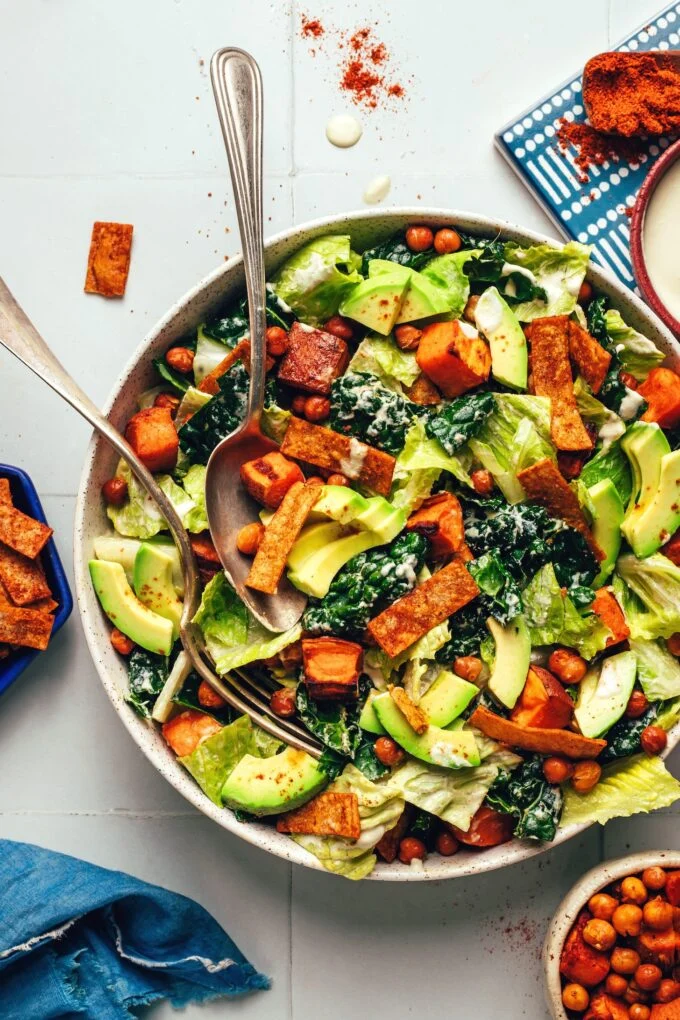

The culinary landscape of plant-based nutrition has expanded with the introduction of a high-efficiency, nutrient-dense dish designed to meet the growing consumer demand for quick, healthful, and flavorful evening meals. The Vegan Sweet Potato Chickpea Taco Salad represents a strategic evolution in the "30-minute meal" category, combining complex carbohydrates, plant-based proteins, and healthy fats into a cohesive format that appeals to both vegan and flexitarian demographics. By integrating the smoky profiles of traditional Tex-Mex cuisine with modern nutritional staples like kale and cashew-based dressings, this recipe addresses a significant gap in the market for meals that are simultaneously satisfying and easy to prepare.
The Culinary Composition and Methodology
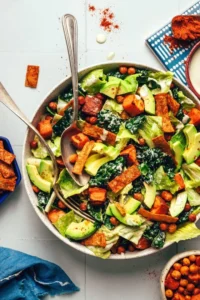
At the core of this dish is a dual-component roast consisting of diced sweet potatoes and canned chickpeas. This combination is not merely a matter of flavor but a tactical choice in texture and nutrition. The sweet potatoes provide a soft, starchy base rich in beta-carotene, while the chickpeas offer a firm, protein-rich bite. Both are seasoned with a specific blend of avocado oil, sea salt, chili powder, and smoked paprika. The choice of avocado oil is significant due to its high smoke point, which is essential for the roasting process, while the smoked paprika provides the "charred" depth typically associated with grilled meats.

The preparation methodology relies on a synchronized timeline to achieve a 30-minute turnaround. While the oven handles the roasting of the primary ingredients, the secondary components—the greens and the dressing—are prepared. This "multi-tasking" approach is a hallmark of modern home-cooking efficiency. The salad base utilizes a hybrid of romaine lettuce and kale. This mixture is intentional; the romaine provides the aqueous crunch necessary for a refreshing salad, while the kale offers structural integrity and a higher concentration of micronutrients, ensuring the salad does not wilt under the heat of the roasted toppings.
Innovative Dressing and Flavor Profile
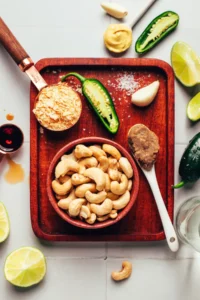
A critical element of the Vegan Sweet Potato Chickpea Taco Salad is its "cheesy" jalapeño cashew dressing. In the realm of plant-based cooking, replicating the creamy, savory profile of dairy-based dressings remains a primary challenge. This recipe utilizes a blend of raw cashews, water, lime juice, nutritional yeast, miso paste, Dijon mustard, garlic, and fresh jalapeño.
The inclusion of nutritional yeast and miso paste is a sophisticated culinary move designed to create an "umami" profile. Nutritional yeast provides a nutty, cheesy flavor, while the fermentation of the miso paste adds a savory depth that mimics the complexity of aged cheese. The jalapeño provides a controlled heat that balances the richness of the cashews. This dressing is not only a flavor enhancer but also a significant source of healthy fats and Vitamin B12, often a concern in vegan diets.

Nutritional Analysis and Health Implications
The nutritional data for a single serving of the Vegan Sweet Potato Chickpea Taco Salad reveals a balanced profile suited for an active lifestyle. With 442 calories per serving, the dish falls within the ideal range for a primary meal.
Macronutrient Breakdown
The macronutrient distribution is notably balanced:
- Carbohydrates (58.7g): Primarily sourced from the complex carbohydrates in sweet potatoes and chickpeas, providing sustained energy release.
- Protein (12.6g): A substantial amount for a plant-based salad, primarily derived from the chickpeas and the cashew-based dressing.
- Fats (19.4g): Largely monounsaturated and polyunsaturated fats from the avocado oil and cashews, which are essential for heart health.
- Fiber (11.9g): This high fiber content, representing nearly half of the daily recommended intake for many adults, is crucial for digestive health and satiety.
Micronutrients and Sodium Content
The dish is exceptionally high in Vitamin A (4020 IU), largely due to the sweet potato and kale components. It also provides 24mg of Vitamin C and 4mg of iron. However, with 967mg of sodium, it is important for individuals on salt-restricted diets to monitor their intake or adjust the added sea salt accordingly.

The Evolution of the Taco Salad Format
The taco salad has long been a staple of American-Mexican fusion cuisine, traditionally characterized by a deep-fried flour tortilla bowl filled with seasoned ground beef, iceberg lettuce, and sour cream. However, as public health awareness regarding saturated fats and processed meats has grown, the format has undergone a transformation.
The Vegan Sweet Potato Chickpea Taco Salad represents the "third wave" of this evolution. The first wave was the traditional high-calorie restaurant version. The second wave saw the introduction of "lighter" versions using grilled chicken and reduced-fat dairy. This third wave removes animal products entirely, focusing instead on whole-food plant-based (WFPB) ingredients that prioritize long-term health without sacrificing the cultural "soul" of the dish.
Market Context: The Rise of Plant-Based Convenience
The release of this recipe coincides with a broader shift in the food industry. According to market research, the global plant-based food market is expected to reach significant milestones by 2030, driven by consumers who are increasingly concerned about environmental sustainability and personal health.

Legumes, such as chickpeas, are at the forefront of this shift. They are drought-resistant crops with a low carbon footprint compared to animal proteins. By positioning chickpeas as the "taco meat" of the salad, the recipe aligns with the "planetary health diet" recommended by various international health organizations. Furthermore, the "30-minute" promise caters to the "time-poor" modern professional, a demographic that often cites lack of time as the primary barrier to maintaining a healthy diet.
Chronology of Preparation: A Process Analysis
To understand the efficiency of the dish, one must look at the chronology of its creation, which is optimized for the domestic kitchen:
- Minute 0-5 (Prep): Preheating the oven to 400°F (204°C). Peeling and dicing sweet potatoes; rinsing and drying chickpeas.
- Minute 5-10 (Roasting Initiation): Tossing potatoes and chickpeas with oil and spices on a baking sheet. Placing them in the oven for a 20-25 minute duration.
- Minute 10-20 (The Middle Gap): This period is used for the "high-impact" tasks. Greens are chopped and massaged. The dressing ingredients are added to a high-speed blender.
- Minute 20-25 (Assembly Prep): Crumbling tortilla chips and preparing garnishes such as avocado or cilantro.
- Minute 25-30 (Final Integration): Removing the roasted components from the oven. Combining the hot elements with the cold greens and dressing them immediately to allow the flavors to meld.
This timeline demonstrates a 100% utilization rate of the cook’s time, eliminating the "dead air" often found in more complex recipes.

Broader Impact and Culinary Implications
The implications of such recipes extend beyond the individual kitchen. They represent a democratization of gourmet vegan cooking. By using accessible ingredients found in standard grocery stores—rather than expensive meat substitutes—this dish makes plant-based eating financially viable for a wider range of socioeconomic groups.
Furthermore, the versatility of the recipe allows for "protein scaling." For households with mixed dietary preferences, the base salad can be topped with "Smoky Shredded Tofu" for vegans or "1-Pan Mexican Shredded Chicken" for omnivores. This modular approach to cooking is becoming increasingly popular in "flexitarian" households where family members have differing nutritional requirements.
The emphasis on texture—the crunch of the tortilla chips, the creaminess of the dressing, the bite of the chickpeas, and the softness of the sweet potatoes—addresses the "sensory gap" that often discourages people from trying vegan meals. By providing a complex mouthfeel, the dish satisfies the brain’s craving for variety, which is a key factor in dietary adherence.

Conclusion: A Benchmark for Modern Dining
The Vegan Sweet Potato Chickpea Taco Salad is more than a simple recipe; it is a reflection of current culinary trends that prioritize speed, nutrition, and environmental consciousness. As the food industry continues to pivot toward sustainable practices, dishes that highlight the inherent flavors of vegetables and legumes will likely become the standard rather than the exception.
By providing a clear, 30-minute path to a nutrient-dense meal, this dish empowers consumers to take control of their nutritional health without the need for specialized culinary training. It stands as a benchmark for how modern recipes can bridge the gap between the traditional flavors of the past and the health requirements of the future. Whether served as a standalone dinner or a versatile side dish, it offers a compelling argument for the viability and vibrancy of plant-based cuisine in the 21st century.