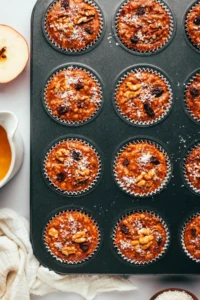

The culinary landscape of the late 20th century was marked by a shift toward "wholesome" and "hearty" fare, a movement epitomized by the 1978 creation of the Morning Glory muffin. Originally developed by chef Pam McKinstry for her Morning Glory Cafe in Nantucket, Massachusetts, the recipe gained international fame after being published in Gourmet magazine in 1981. Traditionally characterized by a dense, "kitchen sink" approach to ingredients—including carrots, apples, raisins, and nuts—the muffin has remained a staple of American breakfast culture for over four decades. However, as dietary preferences and requirements have evolved, the recipe has undergone significant transformations to accommodate the rising demand for vegan and gluten-free alternatives. The latest iteration of this classic treat focuses on a streamlined, one-bowl preparation method that replaces traditional wheat flour and animal products with nutrient-dense, plant-based substitutes.

Historical Foundations of the Morning Glory Muffin
To understand the significance of a vegan and gluten-free adaptation, one must first examine the historical context of the original recipe. In the late 1970s, American cuisine was beginning to embrace ingredients like whole grains, shredded vegetables, and dried fruits, moving away from the highly processed baked goods of the mid-century. Pam McKinstry’s original formula was celebrated for its complexity, utilizing a base of all-purpose flour, eggs, and vegetable oil, enriched with grated carrots, tart apples, raisins, pecans, and shredded coconut.
By the 1990s, the Morning Glory muffin had become a benchmark for "healthy" indulgence in cafes across North America. Yet, despite its inclusion of fruits and vegetables, the traditional version remained inaccessible to those with celiac disease, gluten sensitivities, or those adhering to a vegan lifestyle. The contemporary adaptation addresses these limitations while attempting to preserve the moisture and structural integrity for which the original was known.

The Evolution of Dietary-Inclusive Baking
The shift toward gluten-free and vegan baking is supported by significant market data. According to industry reports from Grand View Research, the global gluten-free products market was valued at approximately USD 6.45 billion in 2022 and is expected to expand at a compound annual growth rate (CAGR) of 9.8% through 2030. Similarly, the vegan food market has seen exponential growth as consumers prioritize sustainability and health.
In the context of the Morning Glory muffin, the challenge for developers has been replicating the "tender and wholesome" crumb without the use of gluten (which provides structure) or eggs (which provide lift and binding). The modern recipe utilizes a combination of oat flour and potato starch. Oat flour, derived from ground oats, offers a nutty flavor and significant fiber content, while potato starch provides the necessary lightness to prevent the muffin from becoming overly dense—a common pitfall in gluten-free baking.

Technical Execution and Ingredient Analysis
The preparation of vegan gluten-free Morning Glory muffins follows a specific chronology designed to maximize the efficacy of plant-based binders. The process begins with the creation of a "flax egg," a mixture of ground flaxseed meal and orange juice. This step is critical; when flaxseed meal is hydrated, it forms a mucilaginous gel that mimics the binding properties of egg whites. The use of orange juice instead of water serves a dual purpose: it provides the necessary acidity to react with the baking soda and adds a subtle citrus note that complements the spices.
Chronology of Preparation
- Hydration Phase (0-5 Minutes): The flaxseed meal and orange juice are combined. This resting period allows the soluble fiber in the flax to thicken, ensuring the muffins do not crumble after baking.
- Produce Preparation (5-15 Minutes): Carrots and apples are grated using a box grater. This "fresh-prep" approach ensures that the moisture content of the produce is at its peak, which is essential for hydrating the gluten-free flours.
- Integration of Wet and Dry Ingredients (15-20 Minutes): In a single bowl, avocado oil, coconut sugar, and dairy-free milk are incorporated into the flax mixture. The dry ingredients—oat flour, potato starch, cinnamon, and leavening agents—are then added.
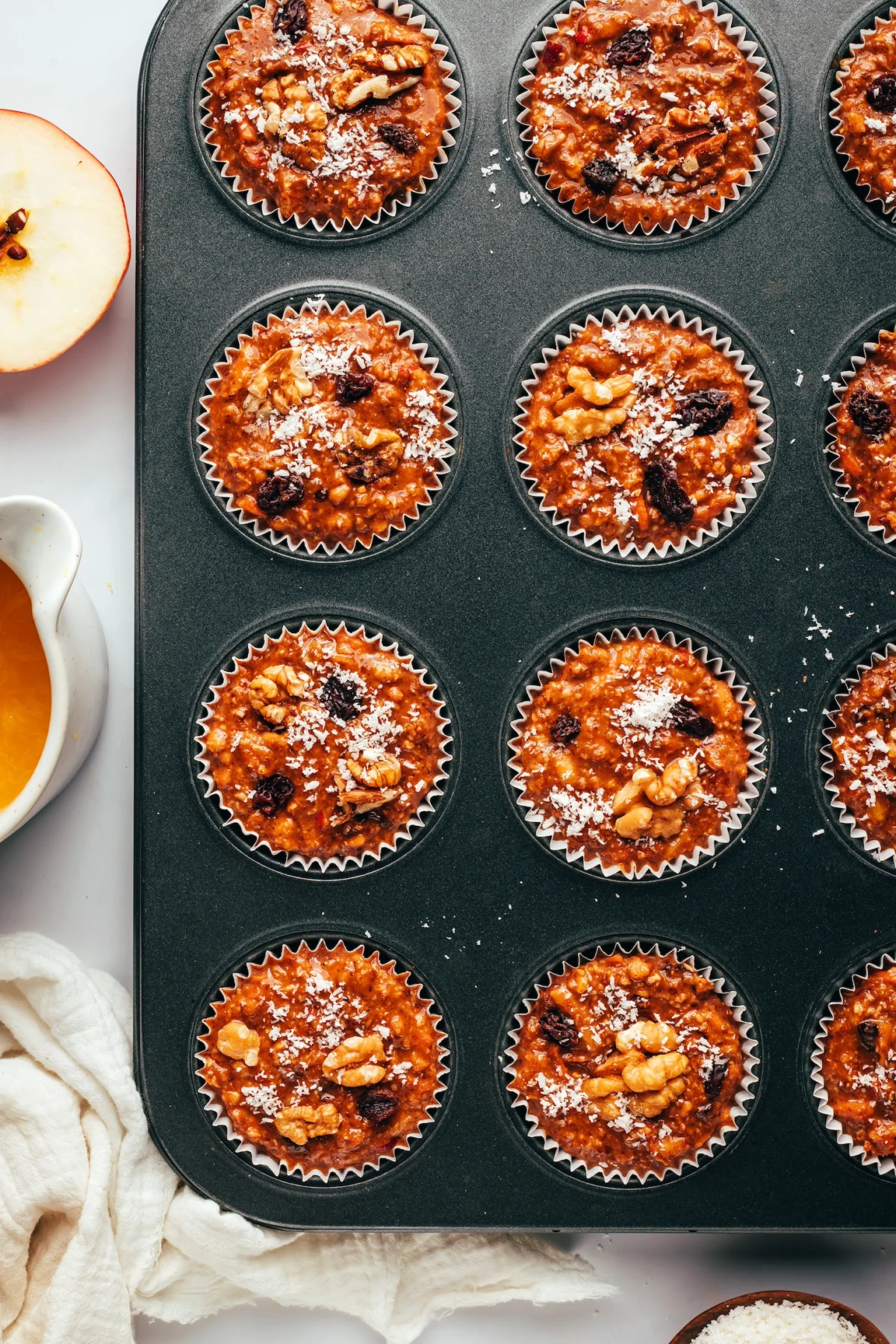
- Folding the "Goodies": The final stage of the batter involves folding in the textures: shredded coconut, raisins, and chopped walnuts.
- Thermal Processing (20-40 Minutes): The muffins are baked at a standard temperature of 375°F (190°C). This high heat is necessary to activate the leavening agents quickly, providing the "lift" required for a satisfying dome.
Nutritional Profile and Health Implications
The nutritional composition of the vegan gluten-free Morning Glory muffin represents a departure from traditional high-sugar bakery items. A single serving provides approximately 244 calories, with a balanced distribution of macronutrients: 35.7 grams of carbohydrates, 11.2 grams of fat, and 2.5 grams of protein.

The health benefits are derived primarily from the whole-food inclusions:
- Beta-Glucan: Found in oat flour, this soluble fiber is known for its heart-health benefits and its ability to regulate blood sugar levels.
- Omega-3 Fatty Acids: Provided by the flaxseed meal and walnuts, these essential fats support cognitive function and cardiovascular health.
- Phytochemicals: The combination of carrots (rich in beta-carotene) and apples (containing quercetin) offers a robust profile of antioxidants.
- Natural Sweeteners: By utilizing coconut sugar and the natural sugars found in raisins and apples, the recipe reduces the glycemic load compared to muffins made with refined white sugar.
Comparative Analysis of Baking Substitutions
In the development of this specific recipe, various flour blends were tested to determine the optimal texture. While many gluten-free bakers rely on almond flour for its moisture, this version explicitly avoids it, opting for the structural stability of oat flour.

Internal testing notes indicate that substituting the oat flour/potato starch blend with a standard 1:1 gluten-free flour mix often results in a "gummy" texture. This is a common issue in gluten-free baking, where the high starch content of pre-mixed blends can lead to a lack of aeration. The decision to use potato starch separately allows for a more controlled ratio, ensuring the muffin remains tender rather than rubbery. Furthermore, the exclusion of almond flour makes the recipe accessible to individuals with nut allergies, provided the walnuts are omitted or replaced with seeds like pumpkin or sunflower.
Market Reception and Culinary Trends
The rise of "one-bowl" recipes like these Morning Glory muffins reflects a broader consumer trend toward "minimalist" cooking. As professional and domestic spheres increasingly overlap, consumers are seeking recipes that offer high nutritional value with minimal cleanup. The efficiency of the one-bowl method, combined with a preparation time of only 15 minutes, positions this recipe as a viable option for "on-the-go" nutrition.

Industry analysts suggest that the "healthification" of classic recipes is not merely a fad but a permanent shift in consumer behavior. The Morning Glory muffin, with its inherent versatility, serves as a perfect canvas for this evolution. By removing allergens and animal products, the recipe enters a more inclusive market segment, appealing to vegans, celiac patients, and health-conscious omnivores alike.
Broader Implications for the Health Food Sector
The success of such adaptations has significant implications for the food service industry. Cafes and bakeries that once viewed gluten-free or vegan options as "niche" are now finding that these items often outsell their traditional counterparts. The "Morning Glory" brand—synonymous with Nantucket charm and wholesome ingredients—carries a level of "heritage" that lends credibility to plant-based versions.

Furthermore, the freezer-friendly nature of these muffins (staying fresh for up to one month when frozen) addresses the growing concern over food waste. Consumers can bake in bulk, reducing the energy consumption associated with frequent, small-batch baking.
In conclusion, the vegan gluten-free Morning Glory muffin is more than a simple recipe adjustment; it is a reflection of the intersection between culinary history and modern nutritional science. By honoring Pam McKinstry’s 1978 vision while utilizing contemporary ingredients like flax eggs and oat flour, this version ensures that the legacy of the "wholesome breakfast" remains relevant and accessible in the 21st century. As the food industry continues to move toward transparency and inclusivity, the evolution of such classics will likely remain a focal point of domestic and commercial baking.