
The culinary landscape of the late 20th century was defined by a specific brand of wholesome, "earthy" baking that sought to bridge the gap between indulgence and nutrition. At the heart of this movement was the Morning Glory muffin, a dense, nutrient-rich breakfast staple that has remained a favorite in American kitchens for nearly half a century. In a modern evolution of this classic, a new iteration has emerged, designed to meet the rigorous dietary requirements of contemporary consumers: a version that is both entirely vegan and gluten-free. This development reflects a broader shift in the global food industry, where traditional recipes are being re-engineered to accommodate plant-based lifestyles and allergen sensitivities without compromising the structural integrity or flavor profile that made the originals famous.

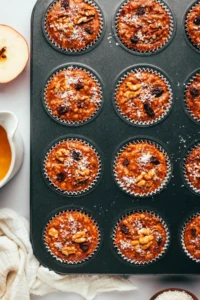
The Morning Glory muffin was famously conceived in 1978 by chef Pam McKinstry for her establishment, the Morning Glory Cafe, located on the island of Nantucket, Massachusetts. The recipe gained national prominence after being published in Gourmet magazine in 1981, eventually being voted one of the magazine’s most requested recipes in its history. The original composition was a maximalist approach to the breakfast pastry, utilizing shredded carrots, apples, raisins, pineapple, pecans, and coconut, held together by a base of whole wheat flour, eggs, and vegetable oil. The 2024 vegan and gluten-free adaptation maintains this "everything-but-the-kitchen-sink" philosophy while utilizing innovative ingredient substitutions to achieve a tender, moist crumb without the use of animal products or wheat gluten.
The Evolution of a Culinary Classic: From 1978 to 2024
The transition of the Morning Glory muffin from a traditional bakery item to a specialized health food highlights the changing priorities of the domestic baker. In the late 1970s, the inclusion of vegetables in muffins was considered a radical step toward "health food." Today, the focus has shifted toward gut health, anti-inflammatory diets, and ethical consumption. The modern vegan and gluten-free version replaces the traditional binder—poultry eggs—with a "flax egg," a mixture of ground flaxseed meal and orange juice. This substitution not only provides the necessary emulsification and leavening support but also introduces omega-3 fatty acids and additional fiber into the nutritional profile.

Furthermore, the replacement of all-purpose or whole wheat flour with a combination of oat flour and potato starch addresses the rising demand for gluten-free options. According to market research data, the global gluten-free food market was valued at approximately USD 6.7 billion in 2022 and is projected to expand at a compound annual growth rate (CAGR) of 9.4% through 2030. This growth is driven not only by those with celiac disease but also by a growing demographic of "lifestyle" gluten-free consumers who perceive these products as easier to digest. The use of oat flour provides a nutty, toasted flavor and a hearty texture that mimics the original whole wheat crumb, while potato starch acts as a structural stabilizer, preventing the "gummy" texture often associated with gluten-free baked goods.
Technical Analysis of Ingredients and Method
The success of the vegan gluten-free Morning Glory muffin relies on a precise balance of moisture and structural proteins. Unlike traditional baking, where gluten provides the "web" that traps air bubbles, gluten-free baking requires alternative starches and gums. In this specific recipe, the moisture is derived from several sources: grated Granny Smith apples, shredded carrots, and avocado oil. Avocado oil is utilized as a heart-healthy alternative to the highly processed vegetable oils of the 1970s, offering a high smoke point and a neutral flavor profile that allows the cinnamon and ginger spices to remain prominent.

The nutritional data for a single serving of this modern muffin highlights its density and efficiency as a fuel source. A standard muffin contains approximately 244 calories, with 11.2 grams of fat and 35.7 grams of carbohydrates. Notably, the sugar content (16.6 grams) is primarily derived from coconut sugar and the natural fructose found in the apples and raisins, rather than refined white sugar. The inclusion of 2.8 grams of fiber per muffin is significant, contributing to a lower glycemic index compared to traditional pastries.
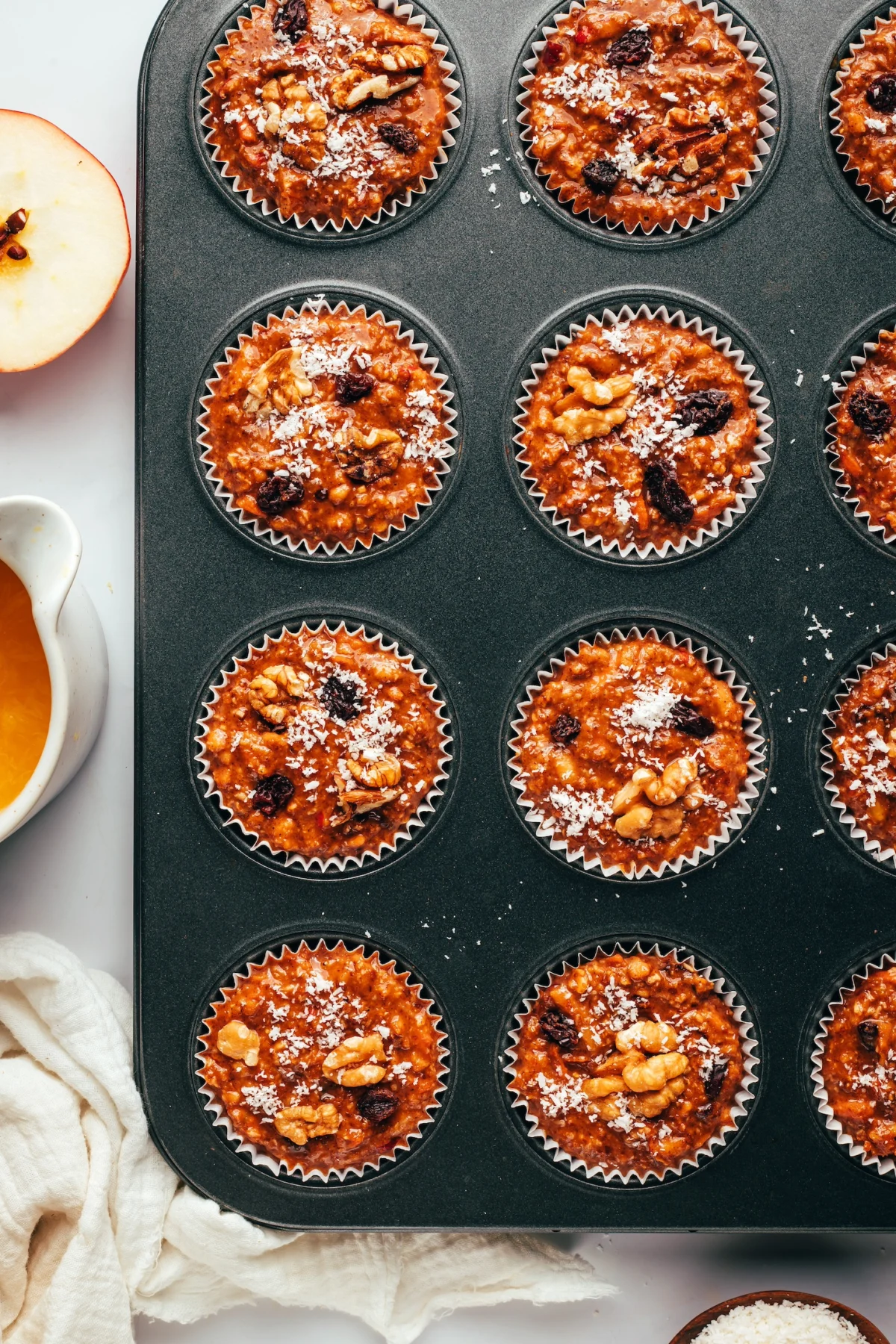
The preparation method has also been streamlined to fit the "minimalist" aesthetic of modern home cooking. The "one-bowl" technique reduces clean-up time and lowers the barrier to entry for novice bakers. The process begins with the hydration of flaxseed meal in orange juice—a departure from the standard water-based flax egg—which adds a subtle citrus brightness and acidity that helps activate the baking soda. The subsequent addition of wet ingredients (oil, milk, sugar) followed by dry ingredients (oat flour, potato starch, spices) and "mix-ins" (walnuts, coconut, raisins) ensures a homogenous distribution of the dense inclusions.

Chronology of the Morning Glory Muffin
- 1978: Pam McKinstry creates the original recipe at the Morning Glory Cafe in Nantucket.
- 1981: The recipe is published in Gourmet magazine, sparking national interest.
- 1991: The recipe is included in the "Gourmet’s Best" collection, cementing its status as a classic.
- 2010s: The rise of food blogging and the "clean eating" movement leads to various iterations, including the first popularized vegan versions.
- 2024: The refinement of gluten-free flour technology allows for the creation of a "one-bowl" vegan/GF version that rivals the original in texture and shelf-life.
Market Trends and Consumer Implications
The popularity of such recipes is a direct reflection of broader economic and social trends. As food prices have risen, particularly for eggs and dairy, plant-based substitutions have moved from niche health stores to mainstream supermarket shelves. The "vegan-by-accident" or "vegan-by-choice" movement has encouraged consumers to experiment with ingredients like flaxseed meal and almond milk as cost-effective and shelf-stable alternatives to animal products.
Industry analysts suggest that the "healthification" of comfort foods is a response to a more health-conscious workforce. With more individuals seeking "on-the-go" breakfast solutions that provide sustained energy rather than a sugar crash, the Morning Glory muffin’s inclusion of complex carbohydrates (oats), healthy fats (walnuts), and micronutrients (carrots and apples) makes it an ideal candidate for meal-prep culture. The recipe’s freezer-friendly nature—remaining viable for up to one month—further aligns with the modern consumer’s desire for convenience and waste reduction.

Expert Perspectives and Culinary Reactions
While some traditionalists argue that a muffin without wheat and eggs is fundamentally a different product, culinary experts note that the Morning Glory muffin is uniquely suited for such adaptations. Because the original recipe is so heavily dependent on its "goodies"—the fruits and vegetables—the flour and eggs serve more as a matrix than a primary flavor component.
"The Morning Glory muffin was always about the texture of the inclusions," notes one food scientist. "When you have that much moisture from apples and carrots, you can afford to lose the fat from the egg yolk, provided you replace it with a high-quality oil and a functional fiber like flax. The oat flour actually enhances the rustic, autumnal feel of the muffin more effectively than white flour ever did."

Future Outlook and Broader Impact
As dietary restrictions become more commonplace, the development of robust, reliable recipes like the vegan gluten-free Morning Glory muffin is essential for inclusive dining. Whether in a home setting or a commercial bakery, the ability to serve a single product that caters to vegans, those with gluten intolerances, and those seeking a more wholesome snack is a significant advantage.
The success of this recipe also points toward a future where "restricted" baking is no longer viewed as a compromise. By leveraging the natural properties of whole foods—using the pectin in apples and the fats in walnuts to create moisture and structure—bakers are discovering that the most delicious results often come from the most wholesome sources. The Morning Glory muffin, once a symbol of the 1970s Nantucket cafe scene, has successfully transitioned into a symbol of 21st-century culinary inclusivity, proving that a classic recipe can indeed be taught new, healthier tricks.