
Olive oil stands as a cornerstone of modern American culinary practices, its presence in kitchens as widespread as the appreciation for its versatility. Yet, despite its ubiquity, a significant gap often exists in the average consumer’s understanding of what constitutes quality, freshness, and the inherent characteristics that differentiate one bottle from another. This investigative series aims to demystify the world of olive oil, moving beyond superficial label art to explore the genuine substance behind the product. By delving into the origins, production methods, and distinct flavor profiles of olive oils, consumers can cultivate a more informed approach to selecting this fundamental ingredient, fostering a deeper connection with the food they prepare and consume.
Extra Virgin Olive Oil: The Pinnacle of Quality
At the forefront of this exploration is the distinction between Extra Virgin Olive Oil (EVOO) and other classifications of olive oil. For the discerning home chef and the everyday cook alike, EVOO represents the zenith of olive oil quality. Its production process is a testament to preserving the olive’s inherent essence. EVOO is meticulously crafted through the cold-pressing of freshly harvested olives. This method, devoid of heat or chemical intervention, is crucial in retaining the natural flavors, aromas, and vital nutritional compounds that define the olive. The nuanced flavor of EVOO is a direct reflection of its provenance, influenced by factors such as the specific olive varietals employed, the unique terroir of the growing region, and the precise stage of ripeness at the time of harvest.
In stark contrast, "regular" or "pure" olive oil undergoes a refining process. This industrial treatment, while extending shelf life and increasing the smoke point, strips away a significant portion of the oil’s nutritional value and its characteristic flavor. While the higher smoke point of refined olive oil might seem advantageous for high-heat cooking, the culinary landscape offers a plethora of superior alternatives specifically suited for frying and sautéing. For those seeking an oil that not only nourishes but also imparts a distinctive and vibrant taste to dishes, EVOO unequivocally emerges as the optimal choice. The journey into the world of olive oil should, therefore, begin and largely conclude with the pursuit of high-quality EVOO.
The Art and Science of Flavor: A Palate’s Journey
The pursuit of the world’s finest olive oil, tailored to individual palates, is an endeavor that requires time, exploration, and a willingness to engage in extensive tasting. The most effective pathway to discovering preferred flavor profiles lies in direct experience. As a foundational step, understanding the most distinctive flavor characteristics associated with major olive oil-producing regions can provide valuable guidance. This series is dedicated to illuminating these iconic flavors, delving into the specialized traditions and unique qualities that distinguish olive oils from across the globe. Each region offers a distinct sensory narrative, shaped by generations of cultivation and artisanal craftsmanship.
Global Terroirs: Tracing the Roots of Olive Oil Excellence
For consumers in North America, and particularly in the United States, Italian olive oil has achieved significant market penetration and brand recognition, largely due to the strategic efforts of distributors. However, the descriptor "Italian olive oil", while popular, represents only a fraction of the vast and intricate landscape of Extra Virgin Olive Oil. Italy alone boasts eighteen distinct olive-growing regions, each contributing to a unique olive oil profile. Industry professionals emphasize that the characteristics of olive oil can become remarkably granular, with subtle variations in soil composition, climate patterns, and cultivation techniques yielding discernible differences in the final product.
To facilitate a comprehensive and digestible exploration, each installment of this series will dedicate its focus to a single country of origin. This approach allows for a detailed examination of regional specialties and traditions, mirroring the clear country-of-origin labeling commonly found on olive oil bottles in the U.S. market. Through interviews and insights from industry experts in leading olive-producing nations, we aim to unravel the secrets that make their olive oils stand apart on the global stage.
The Mediterranean Cradle: Italy’s Enduring Legacy
Italy, a nation synonymous with olive oil production, boasts a rich and ancient history intertwined with the cultivation of the olive tree. For millennia, olives have been a staple crop, their oil a fundamental element of the Mediterranean diet and a cornerstone of Italian cuisine. The country’s diverse geography, ranging from the sun-drenched southern regions to the more temperate northern territories, creates a mosaic of microclimates ideal for cultivating a wide array of olive varietals.
A Chronology of Italian Olive Oil:
- Ancient Origins: Olive cultivation in Italy dates back to the Neolithic period, with evidence suggesting the Etruscans and later the Romans were instrumental in spreading olive cultivation throughout the peninsula. The Romans, in particular, recognized the economic and culinary importance of olive oil, establishing trade routes and refining production techniques.
- Medieval and Renaissance Flourishing: During these periods, olive oil production continued to thrive, with monasteries playing a significant role in preserving and advancing cultivation practices. Regional specialties began to emerge, influenced by local varietals and traditions.
- Modern Era and Global Influence: The 20th century saw a surge in the international popularity of Italian olive oil, driven by its perceived association with the healthy Mediterranean lifestyle and its integral role in Italian gastronomy. This era also witnessed the establishment of more formal quality control measures and regional appellations.
- Contemporary Challenges and Innovations: Today, Italian olive oil producers face challenges such as climate change, pest infestations (like the olive fruit fly and Xylella fastidiosa), and increasing global competition. However, these challenges have also spurred innovation, with a greater emphasis on sustainable farming, advanced pest management, and the promotion of unique regional varietals.
Supporting Data: Italy is consistently ranked among the top global producers of olive oil, often vying for the first or second position alongside Spain. The country cultivates over 500 distinct olive varietal types, each contributing a unique flavor and aroma profile to its olive oil production. Regions like Tuscany, Puglia, and Sicily are particularly renowned for their high-quality EVOO. For instance, Puglia, the "heel" of Italy’s boot, accounts for a significant percentage of Italy’s total olive oil production, known for its robust and peppery oils. Tuscany, on the other hand, is celebrated for its more delicate and fruity oils, often featuring notes of artichoke and almond.
Industry Perspectives: According to projections from the International Olive Council (IOC), global olive oil production fluctuates annually based on climatic conditions and harvest yields. However, the demand for high-quality EVOO, particularly from established regions like Italy, remains robust. Producers often highlight the importance of traceability and geographical indication (GI) status in preserving the authenticity and value of their products.
Spain: The Global Leader in Production and Diversity
Spain stands as the undisputed titan of global olive oil production, consistently accounting for over half of the world’s supply. This dominance is not merely a matter of volume but is also underpinned by an extraordinary diversity of olive varietals and a deeply ingrained olive-growing culture that spans millennia. The vast olive groves of Andalusia, in particular, are a testament to Spain’s commitment to this ancient agricultural practice.
A Chronology of Spanish Olive Oil:
- Ancient Roots: Like Italy, Spain’s relationship with the olive tree is ancient, dating back to Phoenician and Roman settlements. The Romans further expanded olive cultivation and established sophisticated olive oil production techniques.
- Moorish Influence: The Moorish occupation of the Iberian Peninsula from the 8th to the 15th centuries significantly contributed to the development and refinement of olive cultivation and oil production methods. They introduced new varietals and irrigation techniques, enhancing the quality and quantity of yields.
- Consolidation and Modernization: Following the Reconquista, olive cultivation continued to be a vital part of the Spanish economy. The 20th century saw significant investment in modernizing olive oil mills and expanding production capacity.
- Focus on Quality and Denominations of Origin: In recent decades, Spain has increasingly focused on enhancing the quality of its olive oil, leading to the establishment of numerous Denominations of Origin (DO) and Protected Designations of Origin (PDO) to safeguard regional specialties and ensure quality standards.
Supporting Data: Spain produces an average of over 1.5 million metric tons of olive oil annually, far surpassing any other nation. The country cultivates more than 300 distinct olive varietals, with Picual, Hojiblanca, and Arbequina being among the most widely planted. The Jaén province in Andalusia is the world’s largest olive oil producing region, often referred to as the "world capital of olive oil." The Spanish government and regional bodies have actively promoted the health benefits of olive oil, further bolstering its consumption both domestically and internationally.
Industry Perspectives: Spanish producers often emphasize the concept of "terroir" and the importance of specific microclimates in shaping the unique characteristics of their oils. The development of advanced milling technologies allows for precise control over the extraction process, enabling producers to capture the optimal flavor and aroma profiles of each varietal. The emphasis on quality and the promotion of specific DOs have helped to elevate the perception of Spanish olive oil beyond mere volume.
Greece: The Birthplace of Olive Oil Culture
Greece, often considered the spiritual home of olive oil, boasts the highest per capita consumption of this liquid gold in the world. Its relationship with the olive tree is deeply embedded in its history, mythology, and daily life, dating back thousands of years. The ancient Greeks revered the olive tree, attributing its gift to the goddess Athena.
A Chronology of Greek Olive Oil:
- Ancient Origins and Mythological Significance: Evidence suggests olive cultivation in Greece began as early as the Bronze Age. The olive tree was central to ancient Greek civilization, providing food, fuel, and medicine.
- Classical and Hellenistic Periods: During these eras, olive oil production flourished, and its export became a significant economic activity. Greek olive oil was renowned throughout the ancient Mediterranean world.
- Byzantine and Ottoman Eras: Olive cultivation continued to be a vital agricultural practice throughout these periods, with regional variations in production methods evolving over time.
- Modern Era and Preservation of Tradition: In the modern era, Greece has focused on preserving its rich heritage of olive oil production while also adopting contemporary quality control measures. The emphasis remains on traditional methods that yield high-quality, flavorful EVOO.
Supporting Data: Greece produces approximately 300,000 to 400,000 metric tons of olive oil annually, with over 80% of its production classified as Extra Virgin Olive Oil. The Koroneiki varietal is the most dominant in Greece, particularly in the Peloponnese region, yielding a fruity, slightly peppery oil. Other important varietals include Kalamata, Manaki, and Megaron. Greek olive oil is recognized for its high polyphenol content, contributing to its health benefits and characteristic pungent, sometimes bitter, taste.
Industry Perspectives: Greek producers often highlight the connection between the purity of their environment and the quality of their olive oil. Many small-scale producers continue to employ traditional harvesting and pressing methods, emphasizing artisanal quality. The challenges for the Greek sector include fragmented land ownership, aging olive groves in some areas, and the need for greater investment in modern processing facilities and international marketing. However, the inherent quality and distinct flavor profiles of Greek EVOO continue to command a premium in discerning markets.
Beyond the Mediterranean: Emerging Global Producers
While the Mediterranean basin remains the historical heartland of olive oil production, a growing number of countries across the globe are cultivating olives and producing exceptional olive oils. These emerging producers are leveraging diverse climates and innovative techniques to carve out their niche in the international market.
The United States: California, with its Mediterranean-like climate, has emerged as a significant producer of high-quality olive oil, particularly EVOO. Napa and Sonoma counties, historically known for wine, are now also celebrated for their award-winning olive oils. American producers are increasingly focusing on single-varietal oils and innovative blending, emphasizing freshness and distinct flavor profiles.
Australia: Australian olive oil production has seen substantial growth in recent decades. Regions like South Australia and Victoria benefit from ideal growing conditions, leading to the production of robust and flavorful EVOOs. Australian producers are known for their meticulous approach to quality control and their embrace of modern agricultural and processing technologies.
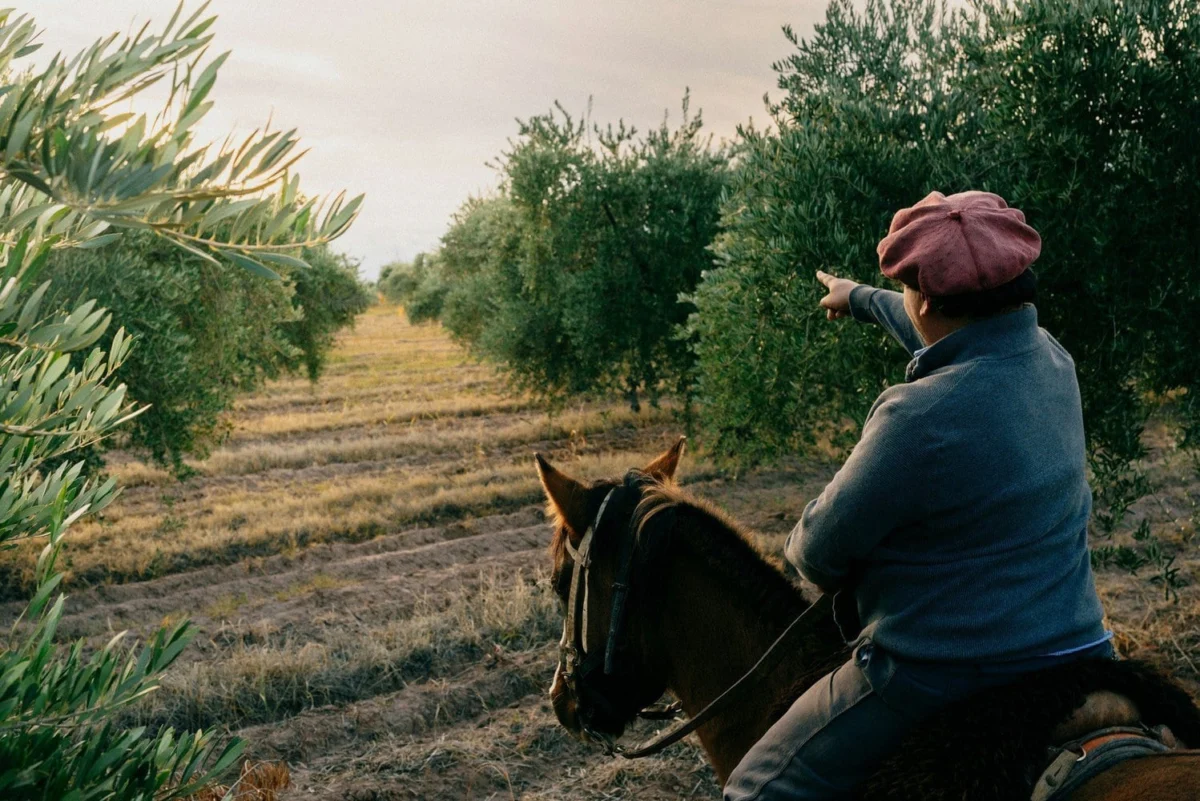
South America: Countries like Chile and Argentina, with their suitable climates and growing agricultural sectors, are also making their mark in olive oil production. Chilean olive oils, in particular, are gaining recognition for their quality and diverse flavor profiles.
Broader Impact and Implications:
The increasing global diversity in olive oil production has several significant implications. Firstly, it expands consumer choice, offering a wider array of flavor profiles and price points. Secondly, it fosters healthy competition, driving innovation and quality improvements across the industry. For consumers, this trend underscores the importance of looking beyond traditional origin labels and exploring the unique characteristics offered by producers worldwide. The ongoing exploration of olive oil, from its ancient origins to its modern global presence, reveals a rich tapestry of culture, agriculture, and culinary excellence, inviting us all to savor the nuanced complexities of this remarkable ingredient.