
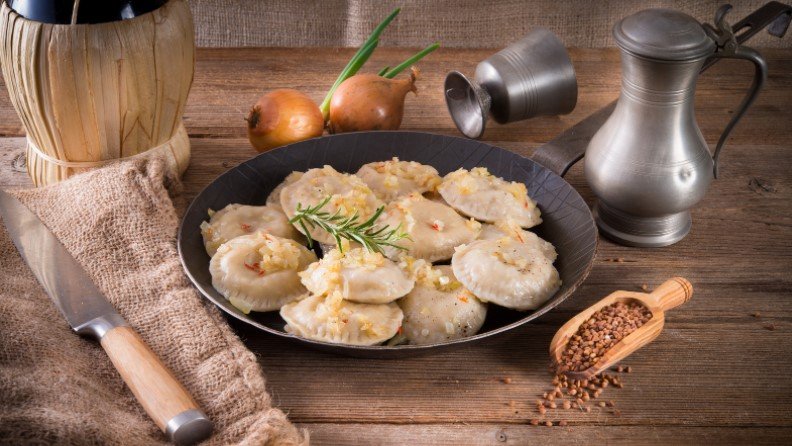
For enthusiasts of Eastern European cuisine, the humble pierogi represents more than just a dish; it’s a cultural cornerstone, a symbol of comfort, and a versatile culinary canvas. These delicate, half-moon dumplings, often filled with savory or sweet ingredients, have captivated palates for generations. However, the true magic of pierogi often lies not just in the dumpling itself, but in the thoughtful selection of accompaniments that enhance its rich flavors and textures. This comprehensive guide, drawing from the insights of classically trained chefs and culinary traditions, delves into the art of pairing pierogies with side dishes that promise to transform a simple meal into an unforgettable gastronomic journey.
The foundation of any great pierogi dish lies in understanding the dumpling’s inherent versatility. Whether filled with the classic combination of mashed potatoes and cheese, earthy sauerkraut, savory mushrooms, sweet pumpkin, or even fruit for a dessert-like experience, each filling offers a unique profile that can be beautifully complemented by the right side. The key, as seasoned chefs emphasize, is to consider the pierogi’s stuffing when selecting its companions. This nuanced approach ensures harmony on the plate, rather than a cacophony of competing flavors.
The Quintessential Companions: Simple Yet Sublime
At the heart of pierogi enjoyment are a few time-tested pairings that have earned their place through sheer deliciousness and ease of preparation. These are the go-to options for both novice cooks and seasoned chefs, offering immediate satisfaction and a gateway into the broader world of pierogi accompaniments.
1. The Enduring Appeal of Sour Cream
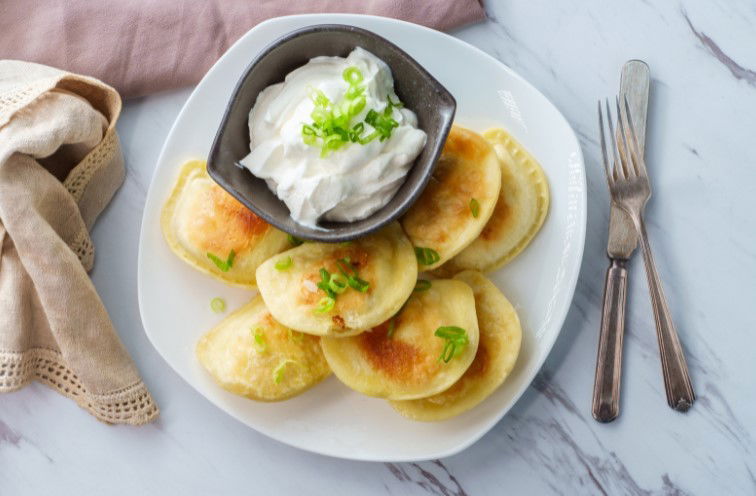
Sour cream, a creamy and slightly tangy dairy product, is arguably the most iconic accompaniment to pierogies. Its cool, rich texture provides a delightful counterpoint to the warm, often pan-fried pierogi. The simplicity of pairing a perfectly cooked pierogi with a generous dollop of sour cream is often all that is needed for a deeply satisfying meal. For those who prefer a more elaborate presentation, sour cream serves as an excellent base or topping, unifying other flavors and adding a layer of creamy indulgence. Its universal appeal makes it a safe and celebrated choice, regardless of the pierogi’s filling. The subtle acidity of sour cream also helps to cut through the richness of potato and cheese fillings, offering a balanced bite.
2. The Sweet Embrace of Sautéed Onions
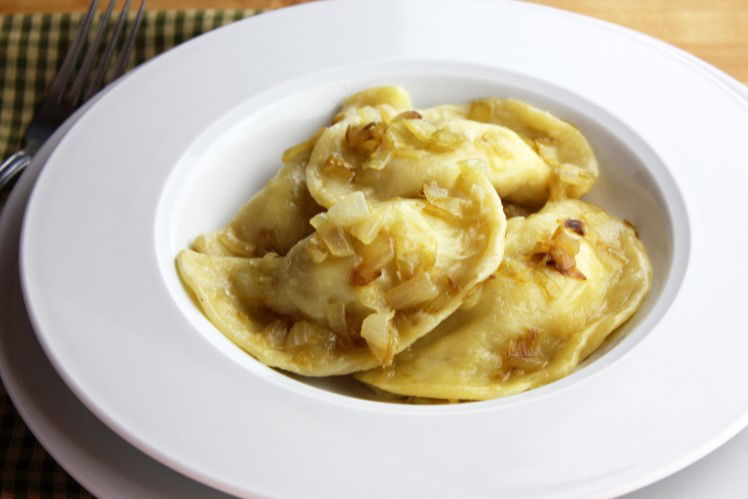
Sautéed onions, with their inherent sweetness and savory depth, are another indispensable partner for pierogies. The process of caramelizing onions slowly coaxes out their natural sugars, transforming them into a soft, jammy texture with a rich, buttery flavor. This sweetness is particularly effective when paired with savory pierogi fillings like potato and cheese or sauerkraut. When pan-frying pierogies, the onions can be cooked in the same pan, utilizing the rendered fat and creating a harmonious, one-pan meal. This method not only simplifies cooking but also imbues the onions with a delightful crust of browned bits, adding another layer of flavor. For those seeking a quicker preparation, a faster sauté will still yield delicious results, offering a bright and tangy contrast. The depth of flavor achieved through slow caramelization, however, offers a truly elevated experience, turning a simple side into a culinary highlight. Many recipes suggest cooking onions low and slow to achieve this perfect sweetness, a testament to the dedication to flavor in traditional Polish cooking.
3. The Sophistication of Brown Butter and Herbs
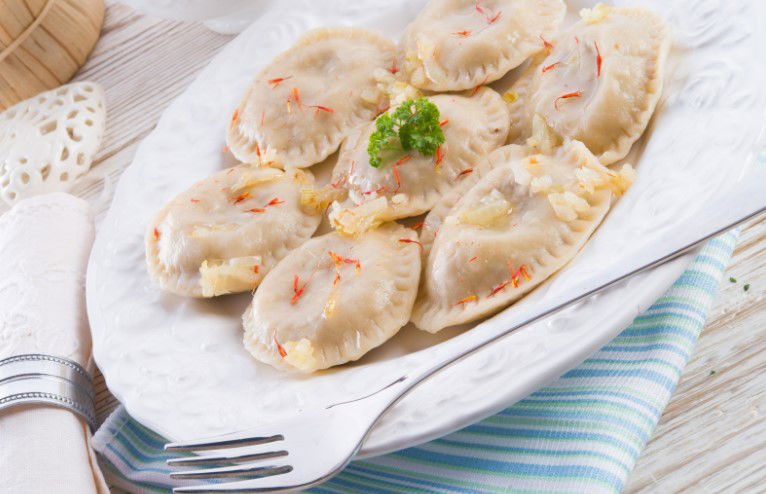
Elevating the pierogi experience to a more refined level, brown butter sauce with fresh herbs offers a sophisticated and aromatic pairing. The process of browning butter, while seemingly simple, requires attention and care. As butter heats, its milk solids toast, releasing a complex, nutty aroma and flavor. This rich, golden liquid, when infused with fragrant herbs such as dill, parsley, chives, or thyme, creates a sauce that is both decadent and refreshing. The nutty notes of the brown butter complement the earthy flavors of mushroom or potato pierogies, while the herbs add a bright, herbaceous finish. While it may seem intimidating, achieving perfectly browned butter is a matter of patience and observation, ensuring the milk solids toast without burning. A heavy-bottomed pan is recommended to ensure even heating. Adding fresh herbs during the foaming stage of the butter allows their essential oils to release, perfuming the sauce beautifully. This method is a testament to the power of simple ingredients transformed through technique.
Pro-Tip: The Harmonious Fusion
For those who appreciate the synergy of flavors, a pro-tip from culinary experts suggests combining these foundational elements for an unparalleled pierogi experience. Begin by sautéing onions until tender and slightly caramelized. Set them aside. Next, prepare a fragrant brown butter and herb sauce. Finally, pan-fry the pierogies to a golden crisp. Assemble by topping the hot pierogies with a generous portion of the sautéed onions and a drizzle of the herb-infused brown butter. This layered approach creates a symphony of textures and tastes – the crisp pierogi, the sweet onions, and the rich, nutty butter – a truly decadent and satisfying combination.
Adding Substance and Depth: Heartier Accompaniments
Beyond the immediate accompaniments, there are several heartier options that can transform pierogies into a more substantial meal, perfect for colder evenings or when seeking a more robust dining experience. These sides often incorporate proteins and vegetables, offering a complete and balanced plate.
4. The Rustic Charm of Cabbage or Brussels Sprouts with Bacon
For a dish that offers both heartiness and a touch of rustic charm, cabbage or Brussels sprouts paired with crispy bacon is an excellent choice. This combination provides additional substance without the need to prepare a separate protein. The rendered fat from the bacon can be used to sauté the shredded cabbage or halved Brussels sprouts, infusing them with smoky flavor and creating a delicious base. The salty crunch of bacon bits sprinkled over the top adds a delightful textural contrast to the soft pierogies. This pairing is particularly well-suited for savory pierogi fillings. The slight bitterness of the Brussels sprouts, when sautéed with bacon, is mellowed, creating a harmonious balance. Similarly, shredded cabbage, when softened and slightly caramelized in bacon fat, offers a comforting and familiar flavor. Whether served alongside or as a topping, this combination is a guaranteed crowd-pleaser.
5. The Savory Satisfaction of Kielbasa
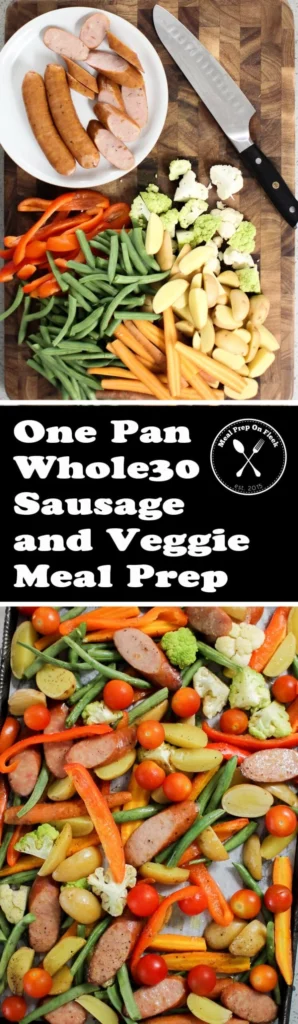
Kielbasa, a traditional Polish sausage, stands as a natural and beloved companion to pierogies. Its robust, often garlicky flavor and satisfying texture make it an ideal partner for the delicate dumplings. Kielbasa can be prepared in various ways: boiled for a softer texture or sliced and pan-fried until golden brown and slightly crispy. The versatility of kielbasa means it can be served as a distinct side dish or incorporated into the pierogi preparation itself. A particularly delightful method, shared by many Polish families, involves slicing kielbasa into angled medallions, frying them, and then simmering them with jarred apricot preserves. This creates a sweet and savory glaze that beautifully complements the pierogies. The readily available nature of kielbasa in most grocery stores makes it an accessible and popular choice for those seeking a filling and flavorful addition to their pierogi meal.
Pro-Tip: Sweet and Savory Fusion with Kielbasa
A culinary secret for an exceptional kielbasa pairing involves a simple yet impactful preparation. Slice kielbasa into thick medallions and pan-fry them until browned. Place the fried kielbasa in a baking dish and generously cover with apricot preserves. Bake at approximately 400°F (200°C) for 15-20 minutes, or until the preserves are melted and warmed through. The resulting glaze, a delightful fusion of sweet apricot and savory kielbasa juices, offers a unique and delicious sauce that pairs exceptionally well with pierogies.
6. The Versatility of Pork
Pork, in its many forms, is a cornerstone protein that harmonizes perfectly with pierogies. From the crispy indulgence of pork cracklings and pulled pork to the succulent tenderness of pork chops, seared pork tenderloin, or even a classic roasted pork shoulder, the possibilities are vast. Pork and pierogies are a traditional pairing, deeply ingrained in the culinary heritage of many Eastern European cultures, often forming the centerpiece of a traditional Sunday meal alongside sauerkraut. The inherent richness of pork, particularly when cooked in a pan, allows for the capture of flavorful rendered fats and browned bits, which can then be used to cook the pierogies, further infusing them with savory depth. For those with a penchant for fusion cuisine, the bold flavors of a slow-roasted, marinated pork shoulder, such as Puerto Rican Pernil, can be an inspired accompaniment to classic pierogies served with caramelized onions and sour cream, creating a unique culinary dialogue between traditions.
7. The Comfort of Braised Meat
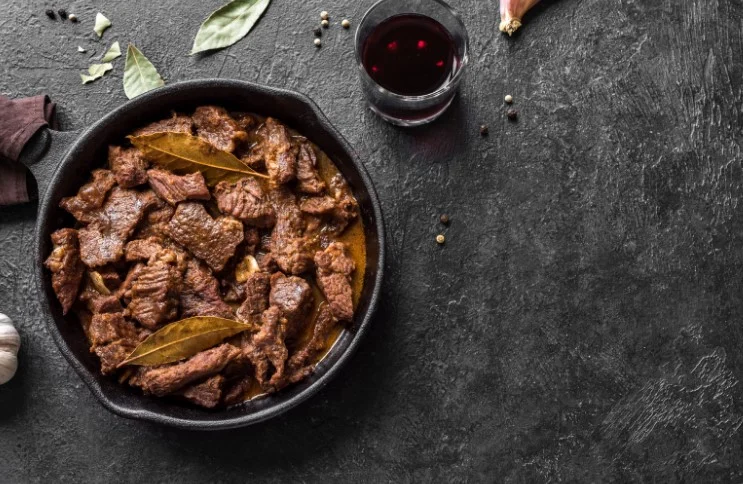
For a meal where pierogies take on a supporting role, braised meats offer a sophisticated and comforting alternative. The process of braising involves searing a cut of meat at high heat to lock in its juices, followed by a long, slow cooking process in liquid until the meat is incredibly tender and practically falls apart. Cuts like chuck roast, pork shoulder or ribs, or lamb shank are ideal for braising and create a rich, flavorful base that complements the delicate pierogi. Braised meat dishes, often served with steamed vegetables, provide a well-rounded and hearty meal, with the pierogies acting as a delightful side. The ability to prepare braised meats ahead of time also makes them an excellent choice for meal prepping, as both the braised meat and pierogies reheat beautifully, making them ideal for weeknight dinners or convenient leftovers.
Pro-Tip: Maximizing Flavor and Convenience with Braised Meat
Chuck roast, a relatively inexpensive cut of beef, offers excellent value when braised, yielding a substantial amount of tender meat. The slow-cooking process not only tenderizes the meat but also develops a deep, complex flavor profile that pairs exceptionally well with pierogies. Furthermore, the practicality of braised dishes lies in their excellent storage and reheating capabilities. Both braised meat and pierogies can be stored in the refrigerator for several days and reheated, making them a convenient and delicious option for multiple meals throughout the week.

Beyond the Plate: The Cultural Significance of Pierogies
The enduring popularity of pierogies is deeply rooted in their cultural significance. Originating in Poland, these dumplings have become a symbol of home, tradition, and family gatherings. The preparation of pierogies is often a communal activity, with generations coming together to shape, fill, and cook these beloved dumplings. Historically, pierogies were a way to utilize seasonal ingredients and preserve food, particularly during the colder months. Their adaptability to various fillings, from hearty meat and vegetable combinations to sweet fruit fillings, reflects the resourcefulness and culinary creativity of the cultures that embraced them.
The traditional method of serving pierogies, as mentioned in culinary lore, often involves pan-frying them to a golden crisp and topping them with melted butter and sautéed onions. This simple yet elegant preparation highlights the natural flavors of the pierogi and its accompaniments. The question of whether to boil pierogies before frying often arises, with the general consensus being that only frozen pierogies require pre-boiling. Fresh or thawed pierogies can be fried directly, achieving a perfect crisp exterior.
FAQs: Addressing Common Pierogi Queries
-
How are pierogies traditionally served?
Traditionally, pierogies are pan-fried until golden brown and served with a topping of melted butter and sautéed onions. This classic preparation emphasizes the dumpling’s texture and the savory sweetness of the onions.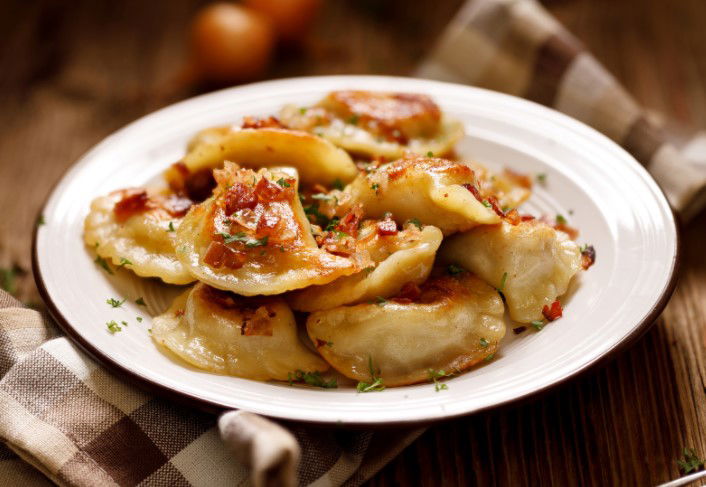
-
Do you have to boil pierogies before frying them?
You only need to pre-boil pierogies if they are frozen. Fresh or thawed pierogies can be directly pan-fried to achieve a desirable crispy texture. -
What do you dip pierogies in?
Pierogies are delicious when dipped in simple yet flavorful accompaniments such as melted butter or sour cream. These additions enhance the overall taste and texture of the dumplings.
The journey of exploring pierogi pairings is a culinary adventure that celebrates tradition while embracing innovation. From the comforting embrace of sour cream and sautéed onions to the sophisticated allure of brown butter and the hearty satisfaction of kielbasa and braised meats, each accompaniment offers a unique dimension to this beloved dish. By understanding the nuances of different fillings and the complementary nature of various side dishes, one can unlock the full potential of pierogies, transforming a simple meal into an extraordinary culinary experience.