
For many, pierogi evoke a sense of comfort and tradition, a culinary embrace from generations past. These delicate, half-moon dumplings, a staple in Polish cuisine and enjoyed worldwide, offer a versatile canvas for a myriad of fillings and, crucially, a delightful array of accompaniments. This article delves into the art of pairing pierogi, drawing from the expertise of a classically trained chef with deep Polish roots, to provide a comprehensive guide for both novice cooks and seasoned gourmands seeking to elevate their pierogi experience. The exploration goes beyond mere suggestion, offering context, culinary rationale, and practical advice for creating truly memorable meals.
The foundation of any successful pierogi dish lies not only in the quality of the dumpling itself but also in the thoughtful selection of its accompanying elements. The diversity of pierogi fillings, ranging from the classic potato and cheese to hearty sauerkraut, earthy mushrooms, sweet pumpkin, and even vibrant fruit, necessitates an equally diverse range of complementary flavors and textures. This guide aims to provide a well-rounded approach, considering how each suggested side dish interacts with various pierogi preparations, ensuring a harmonious balance on the plate. The preparation methods highlighted are designed for accessibility, emphasizing ease and practicality, even for those new to the kitchen.
The Quintessential Accompaniments: Simple Elegance
At the heart of a satisfying pierogi meal are accompaniments that enhance, rather than overpower, the star of the dish. The following selections represent a curated list of pairings that have stood the test of time and culinary experimentation, offering both immediate gratification and the potential for nuanced flavor profiles.
1. The Enduring Appeal of Sour Cream
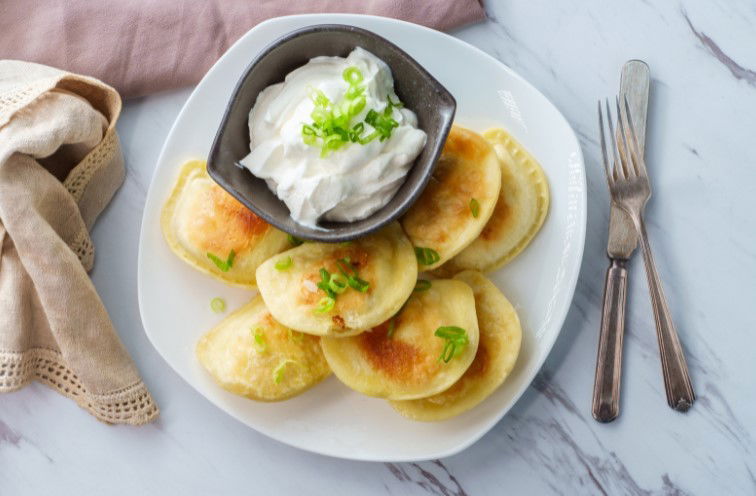
Sour cream, a ubiquitous presence in many Eastern European cuisines, claims the top spot for its unparalleled ability to complement pan-fried pierogi. The simple act of spooning cool, tangy sour cream over a warm, slightly crisp pierogi creates an immediate textural and flavor contrast that is both refreshing and deeply satisfying. Its creamy richness cuts through the potential heaviness of potato or cheese fillings, while its subtle acidity brightens the palate.
For those seeking a more elaborate meal, sour cream serves as an indispensable topping, even when other sides are present. Its versatility allows it to act as a cooling counterpoint to richer, spicier elements, or as a unifying creamy base that ties together diverse flavors. The chef’s personal anecdote, emphasizing a "heaping spoonful" as a non-negotiable element of their pierogi consumption, underscores its foundational importance. This simple dairy staple is not merely an ingredient; it is an integral part of the pierogi experience, elevating a humble dumpling to a more complete culinary statement.
2. The Sweet Embrace of Sautéed Onions
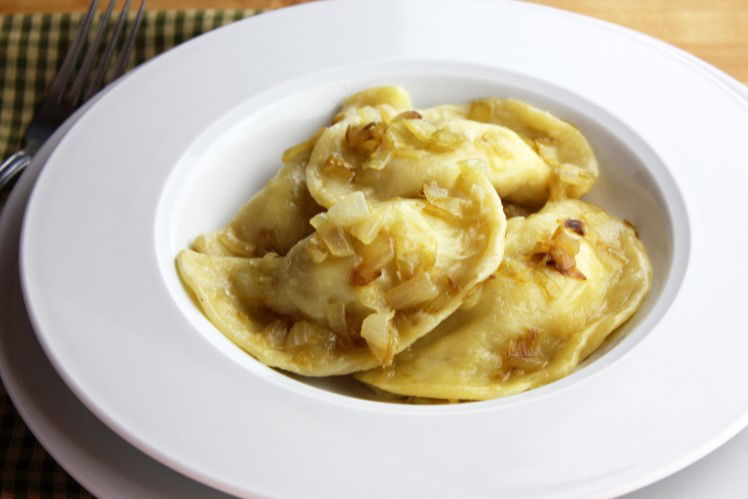
Onions, much like sour cream, are an "always" companion for pierogi, especially when the dumplings are prepared pan-fried. The process of sautéing onions offers a beautiful synergy with the pan-frying method for pierogi, often allowing for a seamless one-pan preparation. As the onions slowly cook, they release their natural sugars, transforming into tender, sweet, caramelized morsels that possess a depth of flavor.
The interplay between the sweet, buttery notes of the sautéed onions and the bright, tangy zest of sour cream, when served atop warm, yielding pierogi, creates a harmonious symphony of taste and texture. This combination is particularly effective with potato and cheese-filled pierogi, where the savory elements of the dumpling are beautifully balanced by the sweetness of the onions and the creaminess of the sour cream.
The preparation of sautéed onions can be as simple or as involved as time allows. For a quick weeknight meal, thinly sliced onions can be sautéed in butter or rendered bacon fat until softened and lightly browned. For a more luxurious experience, cooking the onions low and slow allows for a more profound caramelization, resulting in a jammy, intensely sweet consistency that adds a gourmet touch. The chef’s recommendation to consult external resources for perfecting caramelized onions highlights the culinary value placed on this seemingly simple, yet profoundly impactful, side dish. This method not only enhances flavor but also creates visually appealing browned bits that add further depth.
3. The Sophisticated Nuance of Brown Butter and Herbs
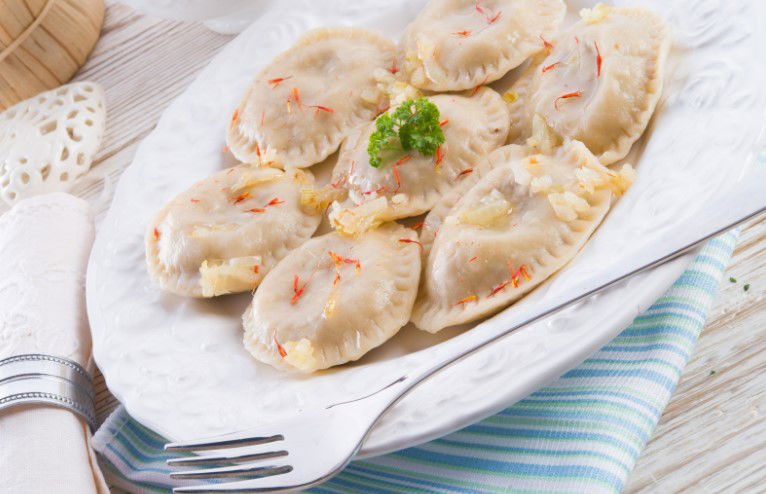
Elevating the pierogi experience further, a simple yet elegant brown butter sauce, infused with fresh herbs, offers a sophisticated pairing. Brown butter, often perceived as intimidating, is essentially butter that has been gently heated to toast its milk solids, resulting in a rich, nutty aroma and a complex flavor profile. This process requires attention to heat and continuous stirring to prevent burning, transforming a basic ingredient into a culinary delight.
The transformation of butter from its liquid state to a foaming, then golden-brown liquid, signifies the development of toasted milk solids. Introducing fresh herbs during the foaming stage allows their volatile oils to infuse the butter, creating an aromatic and flavorful sauce. This brown butter and herb combination is remarkably versatile, complementing a wide range of pierogi fillings and acting as a sophisticated addition to any meal.
The chef’s suggestion to use whatever herbs are on hand speaks to the adaptability of this pairing. Common choices might include parsley, chives, dill, or thyme, each contributing a distinct aromatic quality. This method not only adds a layer of richness but also a fragrant dimension that enhances the overall dining experience. The provided links to recipes for both caramelized onions and brown butter sauces offer practical guidance, empowering home cooks to replicate these elevated side dishes with confidence.
Beyond the Basics: Adding Substance and Tradition
While simple accompaniments offer immediate delight, incorporating more substantial elements can transform pierogi into a hearty, complete meal. These options draw on traditional culinary practices and offer a satisfying depth of flavor and texture.
4. The Rustic Charm of Cabbage or Brussels Sprouts with Bacon
For those seeking to add a touch of rustic heartiness without committing to a full protein preparation, cabbage or Brussels sprouts paired with bacon present an excellent solution. This combination offers a satisfying textural contrast and a rich, savory flavor profile that harmonizes beautifully with pierogi.
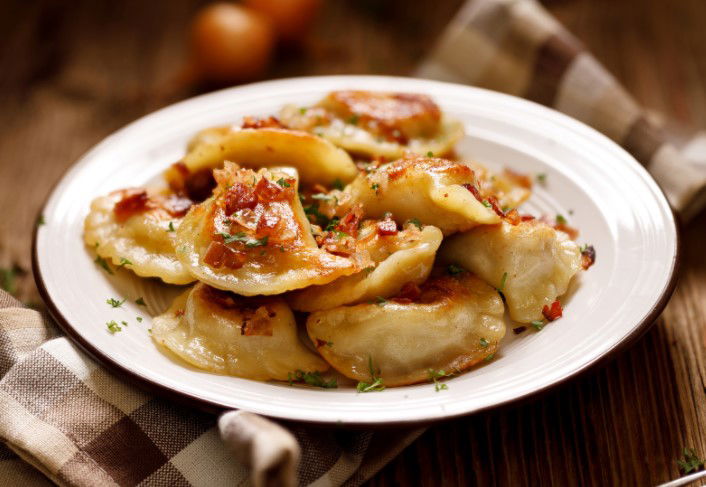
The process typically begins with rendering bacon, reserving the flavorful fat to sauté shredded cabbage or halved Brussels sprouts. This bacon grease acts as a natural cooking medium, imparting its smoky essence to the vegetables. The rendered bacon bits themselves, when sprinkled over the finished dish, provide a delightful crunch and an extra burst of salty flavor.
This pairing is particularly appealing as the bacon fat can serve a dual purpose, potentially being used to fry the pierogi themselves, thus unifying the flavors of the entire dish. The versatility of this combination allows it to be served as a standalone side or integrated with other suggested pairings, such as a drizzle of brown butter or a dollop of sour cream. The provided recipe for Brussels sprouts and bacon emphasizes simplicity and flavor, making it an accessible option for home cooks.
5. The Hearty Presence of Kielbasa
Kielbasa, a traditional Polish sausage, stands as a quintessential protein accompaniment to pierogi. Its robust flavor and satisfying chew make it a natural partner, capable of transforming a simple pierogi dish into a substantial and filling meal. Kielbasa is readily available in most grocery stores, typically found in the refrigerated section alongside other sausages and hot dogs.
The preparation of kielbasa can range from simple boiling to pan-frying, with the latter often preferred for its ability to develop a flavorful exterior crust. A particularly beloved method, shared by the chef’s Polish grandmother, involves slicing kielbasa into angled medallions, frying them until golden, and then combining them with jarred apricot preserves. Baking this mixture until the preserves melt and meld with the sausage juices creates a delectable sweet and salty sauce that is a perfect counterpoint to pierogi. This fusion of savory sausage with sweet fruit preserves is a testament to the rich and varied culinary landscape of Polish cuisine.
6. The Versatile Appeal of Pork
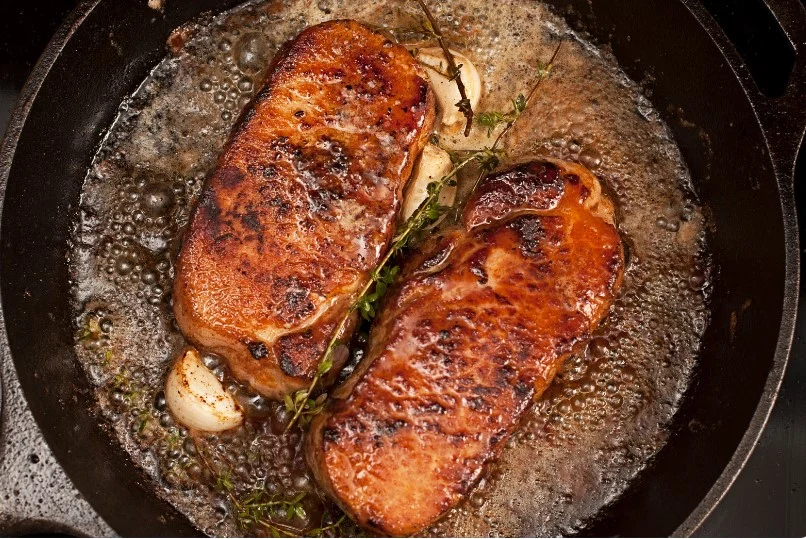
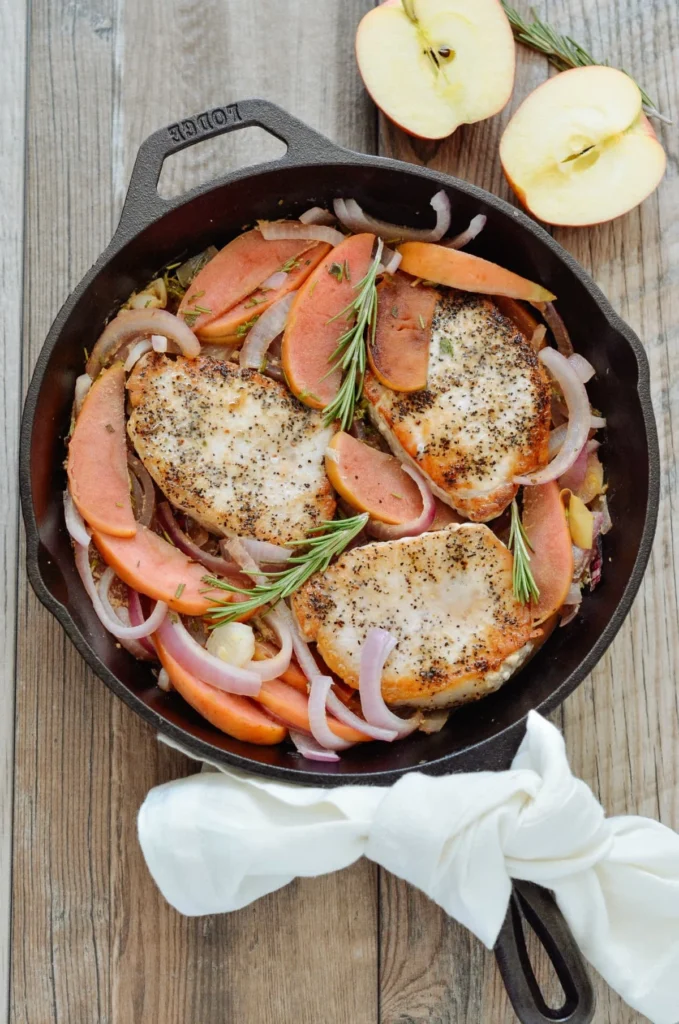
Pork, in its myriad forms, offers a remarkably adaptable and cost-effective protein accompaniment to pierogi. Whether it’s crispy bacon, succulent pork chops, tender seared pork tenderloin, crunchy fried pork cracklings, or slow-cooked pulled pork, the inherent richness and savory depth of pork complement pierogi exceptionally well. Pork and sausages are historically among the most common proteins served alongside pierogi, forming an integral part of traditional Polish family meals, often alongside sauerkraut.
A culinary approach that maximizes flavor involves utilizing the rendered fat and browned bits from pan-frying pork to then cook the pierogi. This technique ensures that the dumplings absorb the savory essence of the pork, creating a more cohesive and flavorful dish. The chef’s personal fusion of Puerto Rican and Polish culinary traditions, featuring Pernil (slow-roasted marinated pork shoulder) alongside pierogi, highlights the potential for creative and cross-cultural pairings. This demonstrates how traditional dishes can be reinterpreted and enjoyed with diverse influences.

7. The Comforting Depth of Braised Meat
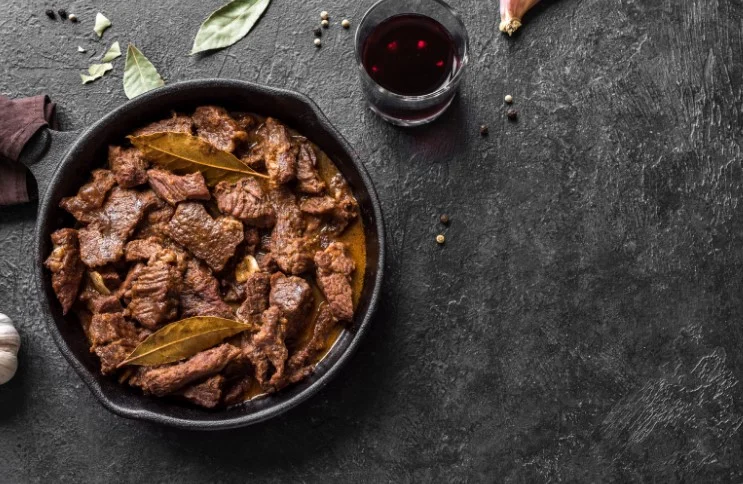
For those who envision pierogi as a side rather than the main event, braised meats offer a comforting and deeply flavorful counterpoint. The braising process, which involves an initial sear followed by slow cooking in liquid, renders tougher cuts of meat incredibly tender and succulent. Cuts such as chuck roast, pork shoulder or ribs, and lamb shank or shoulder are ideal for braising and pair exceptionally well with the soft texture of pierogi.
Braised meats, by their nature, create a rich sauce or jus that can be generously spooned over pierogi, infusing them with added flavor. This method allows for a complete and rounded meal, especially when accompanied by simple steamed vegetables. The concept of braised meat as a side dish to pierogi emphasizes a shift in focus, allowing the dumplings to absorb the robust flavors of the slow-cooked protein. This approach is particularly well-suited for preparing larger quantities, as both braised meats and pierogi tend to reheat beautifully, making them excellent options for meal prep and enjoying leftovers.
Culinary Synergy: The Pro-Tip Approach
The ultimate pierogi experience often lies in the artful combination of multiple complementary elements. The chef’s "Pro-Tip" offers a masterclass in layering flavors and textures, advocating for a multi-step preparation that brings together the best of the suggested sides. This approach involves sautéing onions and setting them aside, preparing a brown butter and herb sauce, and then pan-frying the pierogi. The final act of topping the pierogi with the pre-prepared onions and sauce creates a dish that is both visually appealing and a complex tapestry of tastes. This method, while requiring a bit more effort, yields a truly exceptional result, demonstrating that the sum of well-chosen parts can indeed be greater than their individual contributions.
Frequently Asked Questions About Pierogi
To further illuminate the world of pierogi enjoyment, several common queries arise. Understanding these foundational aspects can enhance the appreciation and preparation of this beloved dish.
How are Pierogi Traditionally Served?
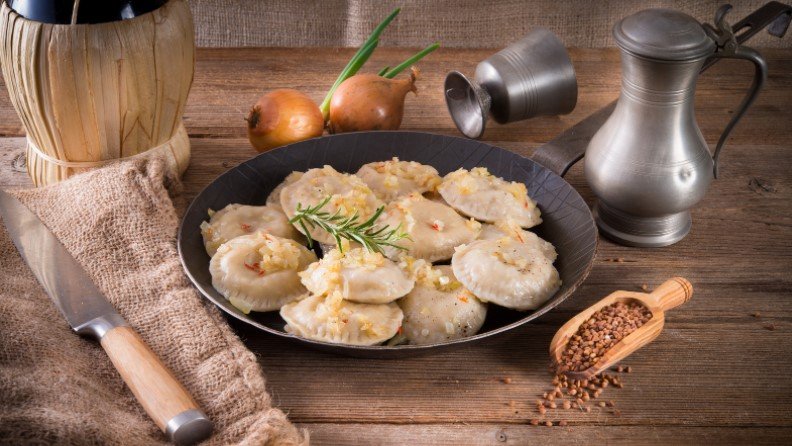
Traditionally, pierogi are a cornerstone of Polish cuisine. Their classic preparation involves pan-frying until golden brown and slightly crisp, often finished with a topping of melted butter and sautéed onions. This simple yet effective method highlights the natural flavors of the dumplings and their fillings, offering a comforting and authentic experience.
Do You Have to Boil Pierogi Before Frying Them?
The necessity of boiling pierogi before frying depends on their state. Frozen pierogi typically require a brief pre-boil to thaw and cook through before they can be safely pan-fried. However, fresh or thawed pierogi are generally ready for pan-frying without an initial boiling step. This distinction is crucial for achieving the desired texture – a tender interior with a satisfyingly crisp exterior.
What Do You Dip Pierogi In?
Pierogi are wonderfully versatile and can be enjoyed with a variety of dips. The most classic and beloved options include melted butter and sour cream. Melted butter adds a simple richness, while sour cream provides a cooling tang that balances the savory fillings. Other popular dipping sauces can include various savory gravies or even sweet fruit compotes, depending on the pierogi’s filling.
The exploration of pierogi pairings reveals a culinary landscape rich with tradition, adaptability, and the potential for delicious innovation. From the simple elegance of sour cream and sautéed onions to the hearty embrace of kielbasa and braised meats, each suggested accompaniment offers a unique way to enhance the enjoyment of these cherished dumplings. By understanding the interplay of flavors and textures, and by embracing both traditional methods and creative fusion, home cooks can confidently create pierogi meals that are not only satisfying but also deeply memorable.