
Indulging in a generous portion of crab legs is an experience that evokes a sense of regal dining, an opulent affair that demands accompaniments befitting its grandeur. The inherent sweetness and delicate texture of crab demand sides that not only complement but elevate the star of the meal. This comprehensive guide explores seven meticulously curated side dishes designed to harmonize with the rich flavor and impressive presentation of crab legs, transforming any meal into a feast fit for royalty.
The Timeless Allure of Clarified Butter: A Foundation for Flavor
At the pinnacle of crab leg accompaniments stands clarified butter, a simple yet profound enhancement that unlocks the full potential of the seafood. Clarified butter, also known as ghee, is butter with its milk solids and water removed, leaving behind a pure, rich fat with a higher smoke point and a more intense flavor. When paired with crab, it acts as a luxurious coating, intensifying the natural sweetness and buttery notes of the crab meat.
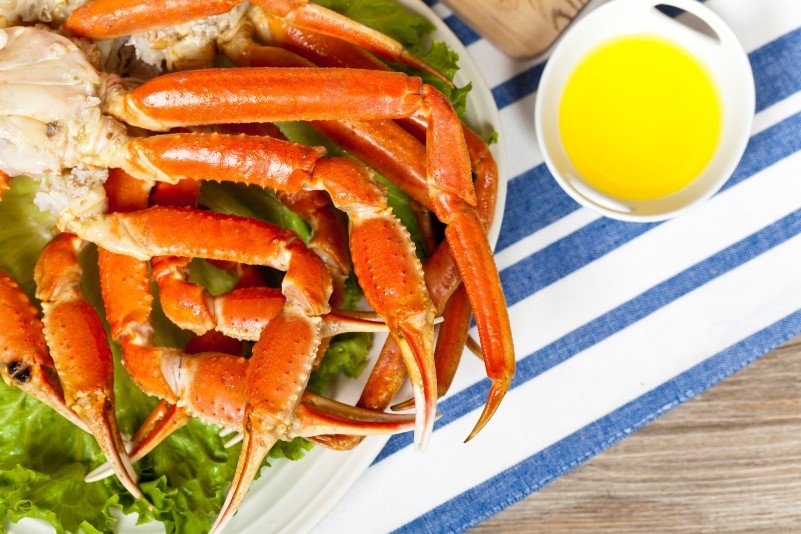
The versatility of clarified butter extends beyond its pure form. Infusing it with aromatics like minced garlic, finely diced shallots, or a medley of fresh herbs such as parsley, chives, or dill can introduce layers of complexity. A splash of dry white wine can add a subtle acidity, cutting through the richness and brightening the overall flavor profile. This elevated butter sauce is not merely a dip; it’s an integral component of the crab leg experience. For those new to this culinary art, resources like Angela’s Drawn Butter recipe offer a clear pathway to mastering the art of clarifying butter at home, allowing for personalized infusions that cater to individual palates. The preparation of clarified butter typically involves gently melting unsalted butter over low heat, allowing the milk solids to separate and rise to the surface or sink to the bottom, which are then carefully skimmed off or strained out. This process, while seemingly simple, requires patience to ensure the pure butterfat remains.
Beurre Blanc: A French Masterpiece for Seafood
Translating to "white butter," beurre blanc is a classic French emulsified butter sauce that offers a sophisticated counterpoint to crab legs. Its velvety texture and bright, tangy flavor profile are achieved through the reduction of white wine and vinegar, to which cold butter is gradually whisked in. Unlike hollandaise, beurre blanc contains no eggs, relying solely on the emulsification of butterfat and liquid to create its signature smooth consistency.
The acidity inherent in beurre blanc, derived from the wine and vinegar reduction, is crucial in balancing the richness of the crab meat. This sauce is particularly well-suited for meals that also feature roasted vegetables, as its delightful flavor can be drizzled over a variety of accompaniments, unifying the entire plate. The creation of a successful beurre blanc hinges on precise temperature control and constant whisking to prevent the emulsion from breaking. Recipes, such as Julia Child’s renowned Beurre Blanc, provide a foundational understanding of the technique, empowering home cooks to recreate this restaurant-quality sauce. The typical process involves simmering shallots, white wine, and white wine vinegar until nearly dry, then whisking in cold, cubed butter, a piece at a time, over low heat until a smooth, creamy sauce forms.

The Indulgence of Surf-and-Turf: Pan-Seared Garlic Butter Steak
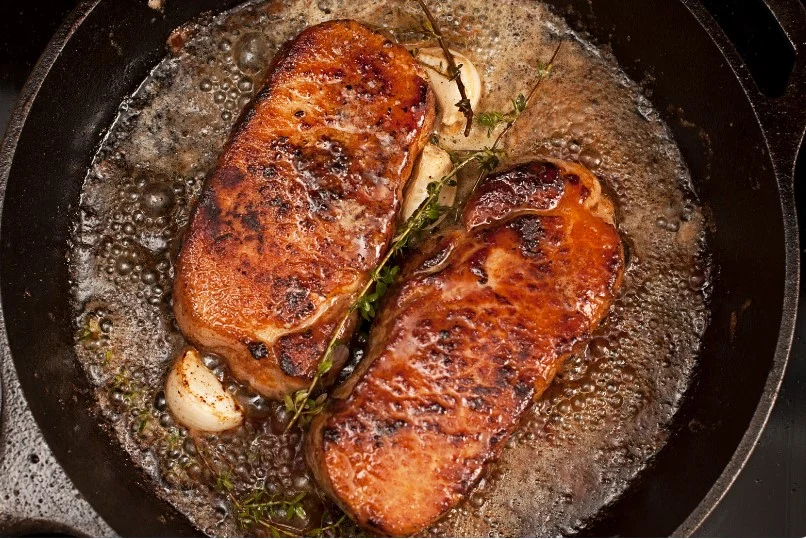
For a truly decadent and hearty experience, the classic surf-and-turf combination, featuring crab legs alongside a perfectly cooked steak, is unparalleled. This pairing offers a satisfying contrast in textures and flavors, with the robust, savory notes of steak complementing the delicate sweetness of crab. A thick-cut New York Strip or a well-marbled Ribeye, pan-seared to a juicy medium-rare, provides a substantial element that rounds out the meal.
The addition of garlic butter to the steak further enhances its appeal, infusing it with aromatic depth. Grilling both the crab legs and the steak simultaneously offers a convenient and efficient way to prepare this impressive meal, especially when entertaining. The synergy between the rich, meaty steak and the succulent crab legs creates a deeply satisfying culinary experience. Recipes for pan-seared garlic butter steak often emphasize achieving a beautiful crust on the exterior while maintaining a tender, flavorful interior. This involves searing the steak over high heat and basting it with melted butter infused with garlic and herbs.
A Tangy Counterpoint: Salt & Vinegar Fries
A surprising yet exceptionally effective pairing for crab legs is the bold flavor of salt and vinegar fries. The sharp, acidic tang of the vinegar, combined with the savory saltiness, creates a dynamic contrast that cuts through the richness of the crab. This seemingly unconventional choice offers a refreshing and palate-cleansing element, preventing the meal from becoming overly heavy.

Beyond their unique flavor profile, salt and vinegar fries are a practical and cost-effective side, especially when serving a larger group. Their preparation can be scaled up easily, making them ideal for gatherings. Opting for potato wedges can offer a more substantial and "potato-y" bite, while also being quicker to prepare than traditional thin-cut fries. The acidic component of vinegar can also help to balance the natural sweetness of the crab, creating a more nuanced flavor experience. For those looking to perfect their fry-making skills, resources detailing various potato-cutting techniques and recipes for salt and vinegar home fries can elevate this humble side dish to a gourmet level. The key to excellent salt and vinegar fries lies in achieving a crispy exterior and a fluffy interior, often accomplished through double-frying or specific baking methods, followed by a generous dusting of salt and a spritz of vinegar.
The Subtle Elegance of Lemon Rice
When the desire is for a side that complements rather than competes with the star of the show, lemon rice emerges as an elegant and versatile choice. This simple yet flavorful dish, typically made with white rice, fresh lemon juice, and fragrant herbs, provides a light and zesty base that enhances the natural sweetness of crab legs. Its subtle brightness prevents the meal from feeling overwhelming.
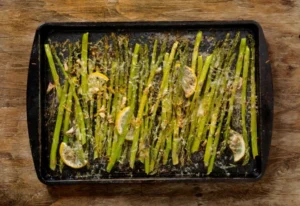
Lemon rice is an ideal accompaniment for creating a balanced and sophisticated meal. Imagine a plate of succulent crab legs served alongside fluffy lemon rice and a side of roasted asparagus or green beans, perhaps drizzled with a delicate Beurre Blanc. This combination offers a harmonious blend of flavors and textures that is both impressive and relatively easy to assemble, making it perfect for weeknight indulgence or special occasions. The preparation of lemon rice often involves cooking rice until tender, then tossing it with lemon zest, lemon juice, and finely chopped fresh herbs like cilantro or parsley. Some variations may include toasted nuts or spices for added complexity.

Comforting Creaminess: Garlic Mashed Potatoes
A universally beloved comfort food, creamy garlic mashed potatoes offer a comforting and familiar counterpoint to the refined taste of crab legs. This classic pairing leverages the inherent compatibility between potatoes and seafood, providing a satisfying and hearty element to the meal. The richness of the mashed potatoes, infused with the pungent aroma of garlic, creates a delightful textural and flavor contrast with the delicate crab meat.
Mashed potatoes are an excellent choice for serving to a crowd, as they are economical, can be prepared in large quantities, and are almost universally appealing. For an added touch of luxury, consider drizzling a bit of the clarified butter or Beurre Blanc over the mashed potatoes, further enhancing their richness and tying the flavors of the entire meal together. A well-executed creamy garlic mashed potato recipe emphasizes smooth, lump-free potatoes infused with butter, cream or milk, and plenty of roasted or minced garlic. The quality of the potatoes and the method of mashing significantly impact the final texture, with techniques like ricing or passing through a food mill yielding the smoothest results.
A Refreshing Finale: Fresh & Bright Tossed Salad
For those seeking a lighter and more refreshing option, a vibrant tossed salad provides a welcome contrast to the richness of crab legs. This versatile side allows for a healthy and invigorating addition to the meal, preventing it from feeling overly indulgent. The crispness of fresh greens and the medley of vegetables offer a clean palate cleanser between bites of sweet crab meat.

The beauty of a tossed salad lies in its adaptability. Home cooks can incorporate virtually any fresh vegetables available, along with additions like crunchy nuts, sweet dried fruits, or toasted croutons. A simple, well-made vinaigrette, such as a classic red wine vinaigrette, can tie all the elements together. This option is particularly appealing when aiming for a balanced and health-conscious meal without sacrificing flavor. Recipes for green salads often focus on the quality of the greens and the balance of the dressing, ensuring a bright and zesty finish. The inclusion of seasonal vegetables, herbs, and a well-balanced dressing can transform a simple salad into a sophisticated accompaniment.
Frequently Asked Questions About Pairing with Crab Legs
What is the best wine to pair with crab legs?
White wines are generally considered the ideal companions for crab legs due to their crispness and ability to complement the delicate sweetness of the seafood. Options like a buttery Chardonnay, which echoes the richness of the crab, or a crisp Riesling, offering a refreshing acidity, are excellent choices. For a celebratory meal, a sparkling wine such as Prosecco or Champagne provides effervescence that cleanses the palate and enhances the overall dining experience. The key is to select wines that are not overpowering and do not mask the subtle flavors of the crab.

How do you eat crab legs?
The traditional method for eating crab legs involves specialized tools to crack the shells and extract the succulent meat. Hold the crab leg firmly in one hand, and use a crab cracker to apply pressure to the shell, squeezing until it cracks. A gentle twist and pull motion will then separate the segments, revealing the meat. For stubborn pieces, a long-pronged fork can be used to gently pry out the meat from within the crevices of the shell. Many resources and culinary guides offer visual demonstrations of these techniques, ensuring a seamless and enjoyable experience. The tools commonly used include dedicated lobster crackers, which are designed for leverage, and seafood picks, which are slender and pointed for extracting meat from tight spaces.
The careful selection of side dishes can elevate the experience of enjoying crab legs from a simple meal to an unforgettable culinary event. By balancing richness with acidity, offering textural variety, and considering the overall harmony of flavors, one can create a dining experience that is truly fit for a king or queen.