
Easter Sunday brunch has evolved into a cherished tradition, extending beyond religious observances to become a significant cultural event. As spring blossoms and temperatures rise, this midday meal offers a perfect opportunity to gather with loved ones and savor the season. However, securing a reservation at popular eateries for this festive occasion, much like for Mother’s Day, can prove to be a formidable challenge. This presents an compelling case for hosting your own Easter brunch at home, transforming your kitchen into the heart of the celebration. For those who have navigated the Lenten period, perhaps with the aid of specialized meal preps, the arrival of Easter signifies a time for indulgence and culinary creativity. This comprehensive collection of 23 Easter brunch recipes is designed to streamline the holiday menu planning, ensuring that hosts can craft a delightful feast without spending the entire morning tethered to the stove. The curated selection encompasses a diverse array of dishes, from hearty casseroles and savory egg bakes to light and airy muffins, robust hashes, and refreshing, lighter brunch options. Catering to a spectrum of dietary preferences and eating styles, these recipes also come with practical advice on meal prep, storage, freezing, and reheating, making them an invaluable resource for both seasoned home cooks and beginners alike.

The Enduring Appeal of Easter Brunch
The tradition of a special meal on Easter Sunday has deep roots, often following a period of fasting or dietary restriction. In modern times, the concept of brunch—a portmanteau of breakfast and lunch—has gained immense popularity for its relaxed atmosphere and the flexibility it offers in terms of timing and menu. Easter brunch, in particular, has become a focal point for family gatherings, a chance to reconnect and create lasting memories. The spring equinox, typically falling in late March or early April, aligns perfectly with the Easter celebration, symbolizing renewal and new beginnings. This seasonal shift often inspires menus that feature fresh, vibrant ingredients, moving away from the heavier fare of winter. The act of preparing and sharing a meal at home not only avoids the stress of restaurant reservations but also allows for a more personalized and intimate experience, tailored to the specific tastes and needs of guests. The accessibility of online resources and recipe platforms has further democratized the art of home entertaining, empowering individuals to recreate restaurant-quality dishes in their own kitchens.
A Diverse Menu for Every Palate
This collection of 23 Easter brunch recipes is thoughtfully curated to offer something for everyone, ensuring that no guest is left wanting. The recipes are categorized to facilitate menu planning, with options that cater to various preferences:

- Hearty Casseroles and Egg Bakes: For those who appreciate comforting, substantial dishes, the selection includes robust casseroles and savory egg bakes that can often be prepared in advance, simplifying Easter morning.
- Lighter, Veggie-Forward Options: Recognizing the growing demand for healthier choices, several recipes prioritize fresh vegetables and lighter ingredients, offering a refreshing contrast to traditional brunch fare.
- Grab-and-Go Convenience: For busy hosts or those seeking a more casual spread, the inclusion of muffins and other portable items provides convenient options that can be enjoyed with minimal fuss.
- Dietary Inclusivity: The recipes address common dietary needs, with several explicitly marked as gluten-free or offering vegan alternatives, such as the Tofu Breakfast Scramble.
Culinary Highlights: A Closer Look at Featured Recipes
Bacon Wrapped Omelets: These individual omelets, encased in crispy bacon, offer a delightful combination of protein and flavor. Served with a massaged kale salad, they provide a balanced and satisfying start to the day. The nutritional breakdown highlights a good balance of macronutrients, with 17g carbs, 15g protein, and 26g fat per serving.
Smoked Salmon & Lentil Breakfast Salad: A quick and no-cook option, this salad is a powerhouse of protein and fiber. Utilizing precooked lentils, it comes together in under five minutes. Its gluten-free status makes it an inclusive choice, with nutritional values of 36g carbs, 28g protein, and 18g fat.

Sausage & Egg Breakfast Bake: This protein-rich casserole is a crowd-pleaser, featuring herbed breakfast sausage, vegetables, and cheddar cheese. It offers a substantial 29g of protein per serving, with 19g carbs and 19g fat.
Sheet Pan Breakfast Hash & Eggs: This innovative one-pan recipe simplifies cleanup while maximizing flavor. Bacon crisps to perfection alongside tender vegetables, with eggs cooked to order. It provides a hearty meal with 52g carbs, 25g protein, and 17g fat.

Philly Cheesesteak Breakfast Casserole: A low-carb adaptation of a beloved classic, this casserole delivers the savory flavors of a Philly cheesesteak in a breakfast-friendly format. It boasts a high protein content of 32g, with 21g carbs and 13g fat.
Watercress, Leek & Butternut Squash Quiche: This elegant quiche features a gluten-free crust filled with vibrant watercress, leeks, and sweet butternut squash. It serves as a versatile dish suitable for any meal of the day, offering 15g protein, 30g carbs, and 23g fat.

Eggnog French Toast Bake: A festive and lightened-up take on French toast, this bake uses eggnog and egg whites for a guilt-free holiday treat. For those unable to find eggnog during the season, a simple milk-based alternative is suggested. This dish is higher in carbohydrates at 95g, with 12g protein and 8g fat.
Blueberry Pie French Toast: Another gluten-free French toast option, this recipe is elevated by a simple and delicious blueberry compote, offering a classic flavor combination. It contains 43g carbs, 9g protein, and 5g fat.

Tofu Breakfast Scramble: A dedicated vegan option, this egg-free scramble features crumbled tofu seasoned with turmeric and served with spicy breakfast potatoes and sautéed vegetables. It provides 15g protein, 75g carbs, and 12g fat, making it a nutrient-dense choice.
Savory Breakfast Muffins: These grab-and-go muffins are designed to keep diners full and satisfied, incorporating breakfast sausage and eggs. The gluten-free recipe utilizes almond flour and flaxseed for a unique texture and flavor, with 19g protein, 24g carbs, and 16g fat.

Breakfast Taco Bowls: Offering a departure from traditional brunch, these bowls bring taco flavors to the morning meal, packed with protein and air-fried potatoes. This dish is particularly high in protein at 40g, with 24g carbs and 24g fat.
AIP-Friendly Breakfast Hash: This well-rounded hash ditches eggs in favor of herb-seasoned sausage and vegetables, served with seasonal fruit. It caters to the Autoimmune Protocol (AIP) diet, offering 26g protein, 46g carbs, and 28g fat. Ground turkey, chicken, or beef can be substituted for pork.

Crockpot Breakfast Casserole: This hearty slow-cooker casserole layers potatoes, sausage, and vegetables, resulting in moist eggs. Its ability to be frozen and reheated makes it an ideal make-ahead option, with 24g protein, 16g carbs, and 19g fat.
Summer Breakfast Salad: A vibrant and flavorful option, this salad combines mixed greens, berries, nuts, seeds, and hard-boiled eggs, topped with a creamy avocado dressing. It is rich in healthy fats, with 22g protein, 26g carbs, and 46g fat.

Bacon Wrapped Asparagus Breakfast Bowls: A delightful appetizer or light main, these bowls feature smoky bacon-wrapped asparagus served with greens, eggs, and berries. This keto-friendly option is low in carbohydrates, with only 4g carbs, 16g protein, and 19g fat.
Cheesy Mexican Cauliflower Fritters: These fritters offer a spicy, low-carb, and gluten-free twist on brunch, suitable as a breakfast, snack, or light meal. They provide 13g protein, 12g carbs, and 21g fat.

Greek Egg Bake: Described as an oven omelet or fancy egg casserole, this dish is both delicious and nutritious, with a simple preparation process. It is a low-carb option, offering 15g protein, 5g carbs, and 11g fat.
Healthy Oatmeal Muffins: A batch of these muffins can be prepared in advance, ensuring a ready-to-eat option for Easter brunch. They are a lighter choice, with 1g protein, 18g carbs, and 4g fat.
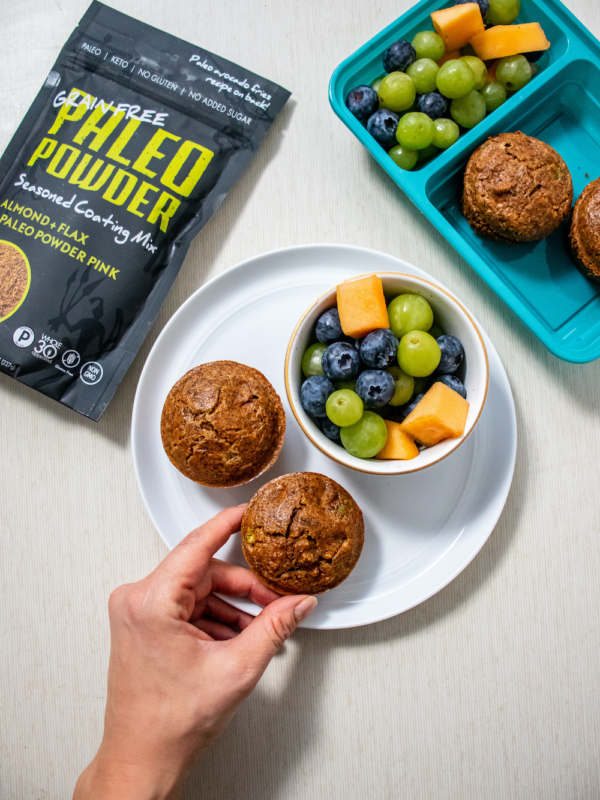
Turmeric Scrambled Eggs: Infused with the antioxidant benefits of turmeric, these scrambled eggs are paired with steamed vegetables and sausage for a protein and fiber-packed meal. This dish is high in protein at 29g, with 6g carbs and 18g fat.
Steak, Sweet Potato, & Apple Hash: This flavorful hash combines savory steak with the sweetness of sweet potato and apples, seasoned with thyme and sage. It offers a balanced profile of 29g protein, 34g carbs, and 10g fat.

Protein Freezer Waffles: These easy-to-make waffles are high in protein and require only six ingredients. Making a double or triple batch and freezing them provides a convenient option for future meals. This recipe yields 26g protein, 49g carbs, and 16g fat.
Beef Breakfast Sausage Egg Cups: A copycat version of popular sous vide egg bites, these cups offer a velvety texture and substantial protein. They contain 33g protein, 31g carbs, and 15g fat.

Middle Eastern Salad Bowls: For those seeking a bright and fresh start, these Middle Eastern-inspired bowls are packed with vegetables and flavor. They offer a lighter option with 10g protein, 32g carbs, and 12g fat.
Meal Prep Strategies for a Stress-Free Easter Morning
The success of an Easter brunch often hinges on effective preparation. The majority of these recipes are amenable to advance preparation, a crucial element for hosts aiming to minimize day-of stress. Casseroles, breakfast bakes, quiches, and French toast bakes are particularly well-suited for making ahead, as they can be assembled the day before and simply reheated on Easter morning. Muffins and waffles can also be baked or prepared and frozen, offering a convenient grab-and-go solution. The article explicitly identifies several recipes as excellent meal prep candidates, including the Crockpot Breakfast Casserole, Savory Breakfast Muffins, Beef Breakfast Sausage Egg Cups, Protein Freezer Waffles, and Greek Egg Bake. This foresight allows hosts to dedicate more time to enjoying the company of their guests rather than being confined to the kitchen.

Addressing Dietary Needs and Crowd-Pleasing Strategies
Catering to diverse dietary requirements is a hallmark of thoughtful hosting. This collection demonstrates a commitment to inclusivity, with several recipes clearly labeled as gluten-free. For instance, the Smoked Salmon & Lentil Breakfast Salad and the Blueberry Pie French Toast are noted as gluten-free. The Tofu Breakfast Scramble stands out as a primary egg-free and vegan option. For those seeking to lighten the overall meal, the advice to balance richer dishes with salads, fruits, or vegetable-forward options is invaluable. This approach ensures a more balanced and satisfying dining experience for all. When feeding a larger group, the article suggests that casseroles, breakfast bakes, quiches, and French toast bakes are generally the most convenient choices due to their ease of serving and portioning.
The Broader Context: Easter Traditions and Culinary Evolution
Easter, a holiday rich in symbolism and tradition, has seen its culinary landscape evolve significantly. While classic dishes like ham and lamb remain central to many Easter dinners, the popularity of brunch has surged. This shift reflects broader societal trends, including a greater emphasis on family time, the rise of the "foodie" culture, and the increasing desire for convenient yet celebratory meal options. The availability of diverse recipes, catering to various dietary needs and skill levels, further contributes to the accessibility of elaborate home-cooked meals. The strategies outlined in this article—prioritizing make-ahead dishes, offering variety, and considering dietary needs—are not only applicable to Easter brunch but can be adapted for any celebratory gathering, underscoring the enduring value of home-cooked meals in fostering connection and creating cherished memories.