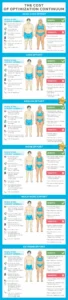
The universal human desire to live longer and healthier has never been more pronounced than in the current era. As medical science advances and public awareness of well-being grows, individuals are increasingly seeking methods not merely to extend their lifespan, but to profoundly enhance their "healthspan"—the period of life spent in good health, free from chronic disease and disability. This aspiration has fueled a burgeoning industry centered around "health optimization," a multifaceted field promising revolutionary approaches to anti-aging, disease reversal, and peak physical and cognitive performance. However, amidst a deluge of information from fitness influencers, bestselling authors, and popular podcasters, a critical question emerges: are the ultra-specific, often advanced, and frequently expensive protocols being promoted truly necessary or even effective, and do their benefits ultimately outweigh the significant investments of time, effort, and money they demand? This inquiry forms the crux of an ongoing discussion, prompting individuals and experts alike to critically evaluate the true trade-offs involved in the pursuit of "optimal" health, as highlighted by resources such as Precision Nutrition’s detailed analyses and infographics.
The Enduring Quest for Longevity and Health
Humanity’s quest for extended life is ancient, etched into myths, legends, and early medical philosophies across cultures. From alchemists seeking elixirs of immortality to ancient Chinese emperors pursuing life-prolonging herbs, the desire to defy mortality has been a persistent theme. The 20th and 21st centuries, however, have witnessed a paradigm shift, moving from folklore to rigorous scientific inquiry. Advances in public health, sanitation, nutrition, and medical interventions like antibiotics and vaccines dramatically increased average life expectancy in many parts of the world. For instance, global life expectancy at birth rose from 46.5 years in 1950 to 72.6 years in 2019, according to the United Nations. This success has, paradoxically, created new challenges, as longer lives often bring a greater incidence of age-related chronic diseases such as heart disease, type 2 diabetes, neurodegenerative conditions, and various cancers. This reality has shifted the focus from merely adding years to life, to adding life to years—the concept of healthspan, which emphasizes quality of life alongside duration.
The contemporary landscape of health optimization is a direct response to this shift. It capitalizes on a global consciousness that recognizes the profound impact of lifestyle on health outcomes. The digital age has democratized access to information, simultaneously empowering individuals with knowledge and overwhelming them with unsubstantiated claims. This environment has fostered the rapid growth of a multi-trillion-dollar wellness industry, encompassing everything from dietary supplements and specialized fitness equipment to biohacking technologies and personalized genetic testing. The allure of achieving a superior state of health, transcending conventional well-being, is powerful, promising not just disease prevention but a heightened quality of life, vitality, and even a reversal of the aging process itself.
Navigating the Health Optimization Ecosystem: Claims and Their Appeal
The array of "health optimization" strategies currently in circulation is vast and varied, often presented with compelling narratives of personal transformation or cutting-edge scientific backing. These claims typically fall into several key categories:
Dietary Extremes and Supplements
This category includes highly restrictive eating patterns like ketogenic diets, intermittent fasting, carnivore diets, or elaborate detoxification protocols. It also encompasses a vast market of dietary supplements, ranging from essential vitamins and minerals to exotic adaptogens, nootropics, peptides, and anti-aging compounds like resveratrol or NMN, often marketed with promises of enhanced energy, cognitive function, or cellular rejuvenation. The global dietary supplements market size was valued at USD 164.0 billion in 2022 and is projected to grow significantly, indicating the widespread adoption of these products. The appeal lies in the idea that specific nutritional interventions can unlock genetic potential or counteract environmental stressors more effectively than a general balanced diet.
Advanced Fitness and Biohacking Regimens
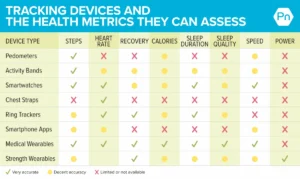
Beyond conventional exercise, this segment promotes highly specialized training methodologies, often involving advanced tracking devices, cryotherapy, infrared saunas, hyperbaric oxygen therapy, or even transcranial direct current stimulation. The goal is often to optimize athletic performance, accelerate recovery, or enhance mental acuity through technological or non-traditional physical interventions. Wearable technology for fitness and health, for instance, has seen exponential growth, with market revenue reaching billions of dollars annually, reflecting the public’s desire for data-driven self-improvement.
Personalized Diagnostics and Genetic Insights
The promise of tailoring health strategies to an individual’s unique biological blueprint is highly attractive. This includes extensive blood panels, microbiome analysis, comprehensive genetic testing (e.g., nutrigenomics, pharmacogenomics), and advanced imaging. Proponents argue that such data allows for hyper-personalized interventions that yield superior results. While genomic medicine holds significant promise, the direct actionable insights from many consumer-grade genetic tests for "optimization" remain limited and often require careful interpretation by medical professionals.
Mind-Body and Lifestyle Architectures
While seemingly less "extreme," this category includes highly structured sleep protocols, advanced meditation or mindfulness practices, cold plunges, and elaborate stress management techniques. The emphasis here is on optimizing internal states and physiological rhythms to enhance overall resilience and well-being. The global mindfulness meditation apps market, for example, was valued at over USD 4.5 billion in 2022, indicating a substantial interest in structured mental wellness practices.
The common thread running through these diverse approaches is the promise of transcending average health outcomes. Influencers often share dramatic personal anecdotes, while authors and podcasters present selective scientific studies, creating a narrative that suggests a secret, complex pathway to extraordinary health, beyond the reach of conventional advice. The implicit message is often that basic health principles are insufficient, and true longevity requires a higher level of dedication and specialized knowledge.
Scientific Consensus vs. Hyper-Optimization: What Data Reveals
When scrutinizing these advanced protocols, it is crucial to juxtapose them against the established body of scientific evidence regarding health and longevity. Decades of robust research have consistently identified several foundational pillars of health that collectively contribute to a longer, healthier life:
- Balanced Nutrition: A diet rich in whole, unprocessed foods—fruits, vegetables, whole grains, lean proteins, and healthy fats—is consistently linked to lower risks of chronic diseases, including cardiovascular disease, type 2 diabetes, and certain cancers. Large-scale epidemiological studies, such as those tracking populations in "Blue Zones" (regions with unusually high concentrations of centenarians in Okinawa, Japan; Sardinia, Italy; Nicoya, Costa Rica; Icaria, Greece; and Loma Linda, California), underscore the power of plant-rich diets, moderate caloric intake, and regular social engagement around food. The Mediterranean diet, for example, is perhaps the most well-researched dietary pattern, repeatedly demonstrating significant health benefits, including a reduced risk of heart disease by up to 30% and a 20% lower risk of stroke, according to a meta-analysis published in the British Medical Journal.
- Regular Physical Activity: Engaging in consistent moderate-to-vigorous physical activity is unequivocally associated with improved cardiovascular health, stronger bones and muscles, better metabolic function, enhanced mood, and reduced risk of numerous chronic illnesses. Guidelines from organizations like the World Health Organization (WHO) and the American College of Sports Medicine (ACSM) typically recommend at least 150 minutes of moderate-intensity aerobic activity or 75 minutes of vigorous-intensity activity per week, coupled with muscle-strengthening activities. Research published in The Lancet Global Health in 2018 estimated that 3.2 million deaths annually are attributable to insufficient physical activity.
- Adequate Sleep: Chronic sleep deprivation profoundly impacts physical and mental health, increasing risks for obesity, diabetes, heart disease, and impaired cognitive function. Seven to nine hours of quality sleep per night is a widely accepted recommendation for adults, critical for cellular repair, hormone regulation, and cognitive processing. A 2017 study in the Journal of the American Heart Association found that consistent sleep deprivation was associated with an increased risk of premature death.
- Stress Management: Chronic psychological stress is a significant contributor to inflammation, cardiovascular problems, and mental health disorders. Practices like mindfulness, meditation, yoga, spending time in nature, and maintaining strong social connections are proven methods for mitigating stress. The American Psychological Association’s annual "Stress in America" survey consistently highlights the detrimental effects of unmanaged stress on national health.
- Avoidance of Harmful Substances: Abstaining from smoking and limiting alcohol consumption are two of the most impactful choices an individual can make for long-term health, significantly reducing the risk of cancer, liver disease, and cardiovascular issues. The Centers for Disease Control and Prevention (CDC) attributes over 480,000 deaths annually in the U.S. to cigarette smoking, making it the leading cause of preventable death.
These foundational principles, while seemingly simple, are supported by an overwhelming volume of scientific literature, including randomized controlled trials, large cohort studies, and meta-analyses. Their collective impact on reducing all-cause mortality and extending healthspan is substantial and well-documented.

In contrast, many "ultra-specific" optimization protocols often lack this level of rigorous, long-term scientific validation. While individual components might show promise in isolated studies or animal models, comprehensive human trials demonstrating superior outcomes over established lifestyle interventions are frequently absent. For instance, while certain supplements might influence specific biomarkers, their long-term impact on overall mortality or quality of life often remains unproven. Extreme dietary restrictions, without careful medical supervision, can lead to nutrient deficiencies, metabolic disturbances, and an unhealthy relationship with food, potentially negating any purported benefits. The "marginal gains" achieved by pushing beyond foundational health habits often come at a disproportionately higher cost and effort, yielding diminishing returns compared to the profound benefits of mastering the basics.
The True Cost: Beyond the Financial Investment
The phrase "the true cost" extends far beyond monetary expenditure, encompassing significant investments of time, emotional energy, and social capital.
Financial Investment
The financial outlay for many advanced optimization protocols can be staggering. High-end supplements can cost hundreds of dollars monthly. Specialized equipment (e.g., cryotherapy chambers, hyperbaric oxygen tanks, advanced red-light therapy devices) can run into thousands. Personalized diagnostic tests and expert consultations with "longevity doctors" or "biohacking coaches" can involve fees ranging from hundreds to tens of thousands of dollars annually. For example, comprehensive executive health programs that incorporate advanced diagnostics can easily exceed $10,000 per year. This creates a significant barrier to entry, making "optimal" health appear accessible primarily to the affluent.
Time Commitment
Adhering to complex protocols often demands substantial time. This includes meticulous meal preparation for restrictive diets, extensive tracking of biomarkers and metrics, lengthy exercise routines, and time-consuming recovery modalities. For individuals balancing work, family, and social responsibilities, this level of commitment can be unsustainable, leading to burnout and eventual abandonment of the protocols. The opportunity cost of this time, diverting it from other enriching activities, is often overlooked.
Effort and Mental Load
The cognitive burden of constantly monitoring, measuring, and adjusting one’s lifestyle to "optimize" every facet of health can be immense. This relentless pursuit of perfection can foster anxiety, orthorexia (an unhealthy obsession with healthy eating), and a constant feeling of inadequacy if goals are not met. A 2019 study published in Eating Behaviors linked orthorexic tendencies to higher levels of anxiety and perfectionism. The joy of living can be overshadowed by the relentless pressure to perform optimally.
Social and Emotional Trade-offs
Extreme diets or rigid routines can isolate individuals from social activities centered around food or spontaneous gatherings. The focus on individual optimization can sometimes detract from the broader human experience, which often involves shared meals, celebratory indulgences, and flexible routines that accommodate life’s unpredictable moments. The pursuit of "optimal" can inadvertently diminish the quality of life itself if it leads to social isolation or chronic stress, thereby undermining the very goal of enhanced well-being.
Expert Perspectives and Broader Implications
Leading medical and public health organizations consistently advocate for an evidence-based, holistic approach to health and longevity. The World Health Organization (WHO), the American Medical Association (AMA), and national dietary and exercise guidelines emphasize the efficacy and accessibility of foundational lifestyle interventions. They caution against fads, unsubstantiated claims, and the over-reliance on supplements or niche technologies without robust scientific backing.
Official Responses (Inferred): Public health bodies would likely issue statements reinforcing that the greatest gains in public health and individual longevity come from widespread adoption of basic, sustainable habits. They would underscore the importance of consulting qualified healthcare professionals—such as primary care physicians, registered dietitians, and certified exercise physiologists—who can provide personalized advice based on established science and an individual’s specific health needs and medical history. There would be a strong emphasis on avoiding self-diagnosis and self-treatment based on internet trends, highlighting that "optimizing" should not supersede evidence-based medical care.
Implications for Public Health: The proliferation of complex "optimization" claims poses a challenge to public health messaging. It can create confusion, distract from proven strategies, and foster a sense that good health is unattainable without expensive, esoteric interventions. This can exacerbate health inequalities, making advanced wellness solutions a privilege rather than a right, while basic health education struggles for attention. According to the CDC, chronic diseases are responsible for 7 of 10 deaths each year, and treating people with chronic diseases accounts for 86% of U.S. healthcare costs. Focusing on primary prevention through accessible lifestyle changes remains paramount.
Ethical Considerations: The marketing of certain longevity products and services also raises ethical questions, particularly when unsubstantiated claims are made, or vulnerable individuals are targeted with promises of radical life extension without sufficient scientific evidence. The line between legitimate scientific inquiry and speculative commercial ventures can become blurred, potentially leading to exploitation and misallocation of resources. Regulatory bodies like the U.S. Food and Drug Administration (FDA) frequently issue warnings about unproven health products.
Finding Clarity: The Path to Enjoyable Longevity
Ultimately, the goal of living longer and healthier should not come at the expense of living a life that is also enjoyable and fulfilling. The core message from reputable sources, such as Precision Nutrition, aligns with the broader scientific consensus: significant gains in health and