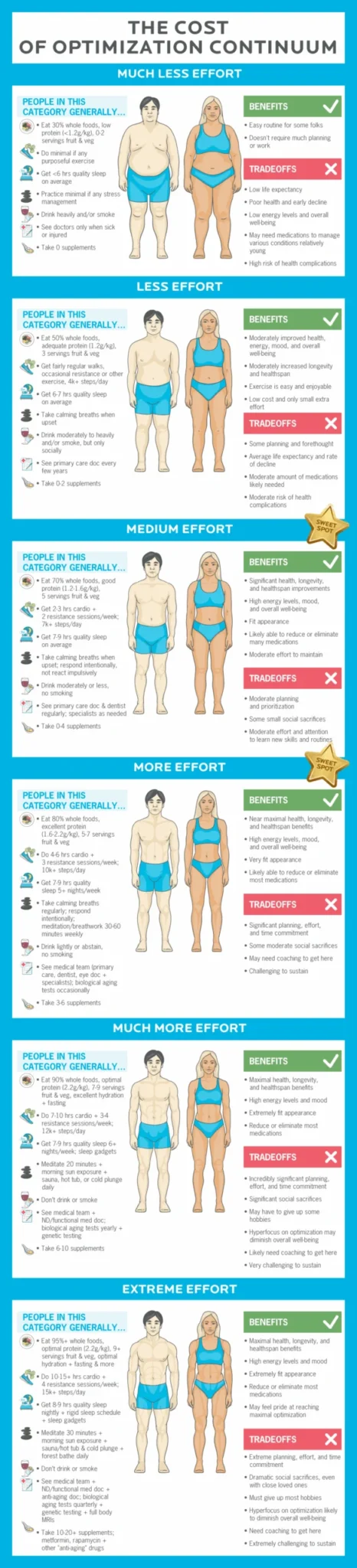

The question then arises: Is such extensive effort truly necessary? Does it yield commensurate benefits, and more critically, will it even work? This article aims to explore these dimensions, providing a comprehensive analysis of the myths and realities surrounding health optimization, and empowering individuals to make informed decisions about their health, body, and life based on evidence rather than aspiration alone.
The Rise of the Longevity Industry: From Basics to Biohacking
In recent years, the discourse around health and longevity has exploded, saturating podcasts, books, social media platforms, and even casual conversations. This surge is partly fueled by influential figures and "biohackers" such as Dr. Peter Attia, Dr. Andrew Huberman, Dr. Rhonda Patrick, and Bryan Johnson, who command massive audiences and advocate for highly detailed, often cutting-edge protocols. The appeal of this content is undeniable; who wouldn’t aspire to a longer, healthier life? Furthermore, the structured approach of designing and executing a "perfect" health plan can offer a comforting sense of control in an otherwise unpredictable world.

However, a closer examination, particularly from organizations that have coached hundreds of thousands of individuals through real-world challenges, suggests that the concept of "optimal" is rarely realistic for the general population. More importantly, it may not even be necessary. The prevailing wisdom from extensive coaching experience indicates that consistent, modest efforts toward health and well-being are often more effective and sustainable than adherence to intense, highly "optimized" regimens. This perspective challenges the popular narrative, suggesting that the true path to longevity might be simpler, more accessible, and less demanding than commonly portrayed.
Scrutinizing the Claims: Debunking Longevity Myths
The prevailing culture of "optimization" has fostered several myths that can mislead individuals in their quest for better health. It’s crucial to examine these critically to separate evidence-based practices from unproven fads.
Myth 1: The Basics Are Insufficient
A pervasive belief suggests that achieving and maintaining superior health, especially to exceed average life expectancies, necessitates complex, "cutting-edge" strategies. This implies that foundational health behaviors are somehow inadequate for significant longevity gains.

In reality, fundamental health practices—such as regular exercise, a nutrient-rich diet, adequate sleep, effective stress management, and strong social connections—are profoundly effective. The primary challenge isn’t their efficacy but the widespread inconsistency in their application. Data from public health bodies consistently show that a vast majority of the population fails to meet basic recommendations for these behaviors. For instance, only a fraction of Americans consistently consume the recommended daily servings of fruits and vegetables, achieve sufficient sleep, or engage in adequate physical activity. The issue, therefore, is not a lack of advanced interventions, but a failure to consistently implement the relatively simple, proven ones. Individuals who consistently adhere to a well-rounded set of health-promoting behaviors at an 80-90 percent rate are likely already near their peak potential for health optimization.
Myth 2: Maximizing Effort Always Yields Maximum Results
The logic often follows that if basic behaviors yield positive results, then performing them perfectly and to the greatest extent possible will lead to even greater health benefits. This "more is better" approach, however, often overlooks the law of diminishing returns in health and fitness. Beyond a certain point, increased effort does not proportionally increase benefits; instead, the gains become marginal while the demands on time, energy, and resources escalate dramatically.
Furthermore, an overly complex or intense health regimen can have counterproductive effects. It can lead to burnout, increased stress, social isolation due to rigid adherence, and a general reduction in overall life enjoyment. The ultimate goal of extending life should ideally be to enhance the quality of that life, not merely its duration. If the pursuit of longevity detracts significantly from a full, well-rounded, and enjoyable existence, its value becomes questionable.

Myth 3: Cutting-Edge Strategies Offer Definitive Superiority
Many of the advanced, complex strategies promoted by "longevity gurus" lack robust scientific validation. Much of the research supporting these interventions is either conducted on animal models, is observational in nature, is theoretical, or involves very small human trials over short durations. For example, supplements like NAD+ precursors or resveratrol are often touted as anti-aging agents, yet human clinical trials demonstrating significant, long-term healthspan or lifespan benefits are largely absent or inconclusive.
Influencers and biohackers frequently promote fringe methods and supplements that are not only unproven but also potentially unsafe. The supplement industry, in particular, often operates with less stringent regulatory oversight than pharmaceuticals, raising concerns about product purity, dosage accuracy, and potential adverse effects. Investing significant resources—both financial and personal—into unverified interventions carries inherent risks without guaranteed returns. Prioritizing foundational, evidence-based health behaviors with long track records of efficacy is a far more prudent approach before considering speculative "optimization" efforts.
Myth 4: Health is an All-or-Nothing Endeavor
The overwhelming nature of "optimal" health narratives can lead to a defeatist mindset, where individuals, feeling unable to meet extreme standards (e.g., rigid exercise routines, perfectly controlled diets), conclude that any effort is futile. This "all or nothing" mentality can prevent people from taking any action at all.

However, empirical data consistently demonstrates that even modest, inconsistent efforts can yield measurable health improvements. For instance, long-term coaching programs have shown that clients practicing basic health habits less than half the time still achieve significant results, such as weight loss and improved body composition. This highlights that "perfection" is not a prerequisite for progress. It underscores the importance of encouraging incremental improvements and acknowledging that every positive step contributes to better health outcomes, rather than allowing the pursuit of an unattainable ideal to paralyze action.
Foundational Pillars of Long-Term Health: Evidence and Efficacy
Instead of chasing elusive "optimization," a sustainable and highly effective path to improved health and longevity lies in the consistent practice of several foundational behaviors. The challenge often isn’t the complexity of these behaviors but their consistent application in daily life.
Physical Activity: The Cornerstone of Vitality
Regular exercise is universally acknowledged as critical for health and longevity. It not only aids in weight management, improves mood, energy levels, and physical function but also significantly reduces the risk of chronic diseases and extends lifespan. Studies, including those involving Harvard alumni, consistently show that any amount of physical activity reduces all-cause mortality, independent of other risk factors like body weight or smoking status.

Specifically, research on hundreds of thousands of older adults indicates that even low amounts of physical activity drastically decrease the risk of death from cancer, cardiovascular disease, and all other causes. Significant benefits are observed with at least 7.5 MET-hours (Metabolic Equivalent Hours) of activity per week, with peak gains typically occurring between 7.5 and 15 MET-hours. Beyond this range, additional benefits accumulate at a continually lower rate. Even simple actions like increasing daily steps have a profound impact; every 1,000 daily steps are associated with a 12 percent lower risk of death. For cognitive health, accumulating just 3,826 steps per day has been linked to a 25 percent reduced risk of dementia, increasing to 50 percent with 9,826 steps.
Ideal physical activity combines cardiovascular and resistance training. Resistance training is vital for preserving muscle mass, which is crucial for metabolic health, mental sharpness, improved cancer survival rates, and overall functional independence, particularly as we age. It also significantly reduces the risk of falls—a leading cause of death among older adults—by improving balance, muscle stability, and bone density. Conversely, a sedentary lifestyle elevates the risk of cardiovascular disease, diabetes, hypertension, various cancers, and premature death, with two decades of inactivity doubling the risk of early mortality compared to an active lifestyle.
Current guidelines recommend at least 150 minutes per week of moderate-intensity aerobic activity, or 75 minutes of vigorous-intensity activity, combined with two resistance training sessions targeting all major muscle groups. While exceeding these recommendations can offer further benefits, there’s a point of diminishing returns, and excessive training (overtraining) can lead to hormone disruption, sleep disturbances, fatigue, injury, and even adverse cardiac effects, illustrating the "Extreme Exercise Hypothesis" where both too little and too much exercise carry risks.

Nourishing the Body: The Power of Diet
A nourishing, nutrient-rich diet doesn’t have to be complicated. Three fundamental principles guide optimal nutrition:
- Prioritize Whole and Minimally-Processed Foods: These foods are naturally rich in fiber, healthy fats, vitamins, minerals, and phytochemicals, while being less calorie-dense and lower in sugar, sodium, and trans fats than ultra-processed foods (UPFs). Diets rich in whole foods are linked to lower rates of depression, heart disease, type 2 diabetes, cancer, and improved longevity. Conversely, UPFs are associated with 32 harmful health effects, including a 62 percent increased risk of all-cause mortality with four or more servings daily. While complete avoidance of processed foods is impractical, aiming for 70-80 percent of one’s diet from whole or minimally-processed sources offers significant health improvements.
- Consume Five Servings of Fruits and Vegetables Daily: This recommendation, heard countless times, remains a cornerstone of healthy eating. A large meta-analysis involving over 1.8 million people found that consuming five servings of fruits and vegetables daily was associated with a 13 percent lower risk of death from any cause, with benefits plateauing at this intake level. These foods are rich in diverse phytochemicals, each contributing to health benefits like reduced risk of hypertension, heart disease, stroke, and certain cancers. Despite these benefits, only a small fraction of the population meets this target.
- Ensure Adequate Protein Intake: Protein is a crucial macronutrient, particularly for aging individuals. Plant protein is associated with reduced risk of cardiovascular disease and all-cause mortality. While animal proteins offer benefits, minimally processed sources like fish, poultry, and low-fat dairy are preferable. Limiting processed red meats is advisable due to links with diabetes, cardiovascular disease, and cancer. Regardless of source, protein intake of at least 1.2 g/kg of body weight significantly reduces the risk of sarcopenia (muscle loss), frailty, and neuromuscular decline. This recommendation is higher than the standard USDA minimum and is especially critical for older adults or those using GLP-1 medications, which can lead to muscle loss. For muscle growth and vigorous exercise, 1.6 to 2.2 g/kg is optimal. Most adults meet the absolute minimums, but many fall short of ideal intake for sustained health.
The role of supplements, while often central to longevity discussions, is generally small. They can address deficiencies (e.g., multivitamin, vitamin D) or support performance (e.g., protein powder, creatine). However, many trendy supplements lack definitive research, often relying on animal studies or preliminary human data. Consulting healthcare providers and reliable independent resources like Examine.com is crucial before incorporating supplements.
The Critical Role of Sleep in Health
Adequate, quality sleep is as vital for health as exercise and diet. Research indicates that sufficient sleep can extend life by several years (nearly five for men, two and a half for women) and is as important for heart health as managing weight, cholesterol, and blood pressure. A mere one-hour decrease from the recommended 7 hours of sleep can increase the risk of cardiovascular disease by 11 percent and type 2 diabetes by 9 percent. For older adults, less than six hours of sleep per night is linked to a higher risk of dementia and cognitive decline, as deep sleep plays a crucial role in clearing brain toxins.

Sleep experts recommend 7 to 9 hours of sleep per night for most adults, with consistency being key. However, about one-third of US adults fail to meet this recommendation. While more sleep isn’t necessarily better—excessive sleep (over 9 hours) is associated with increased risks of cardiovascular disease and type 2 diabetes—these correlations are often confounded by underlying health issues rather than sleep itself being the cause. The ideal amount of sleep is when one feels refreshed upon waking and maintains sustained energy throughout the day.
Managing Stress for Resilience and Longevity
Chronic, unmanaged stress has profound negative impacts on nearly every bodily system, affecting cognitive function, immune response, recovery, and increasing the risk of cardiovascular disease, anxiety, and depression. It can also lead to unhealthy coping mechanisms like increased alcohol consumption. However, stress itself is not inherently bad; appropriate levels can be motivating and engaging. The goal is not to eliminate stress but to develop effective coping mechanisms and recovery strategies to build resilience.
Stress management encompasses a range of practices, from simple mindset shifts like self-compassion and a growth mindset to practical self-regulation skills like deep breathing, journaling, or spending time in nature. The amount of stress management needed is proportional to life’s demands; even a few minutes of purposeful recovery can replenish one’s "stress tank." Despite its importance, many individuals report feeling overwhelmed by stress and unsure how to manage it effectively.

While having a stress management routine is beneficial, there’s a sweet spot. Excessive focus on stress reduction can become another source of stress if it feels like an additional burden. The aim is to find a balance where one feels energized and engaged, rather than bored or overwhelmed.
The Indispensable Value of Social Connection
Social connection is a powerful determinant of health and longevity, often underestimated. Strong social and emotional support is linked to improved well-being and a 50 percent increased likelihood of survival over time. Harvard Medical School’s 87-year Study of Adult Development identified strong relationships as the greatest predictor of life satisfaction and longevity, surpassing factors like wealth, IQ, or genetics.
Conversely, social isolation and loneliness significantly increase the risk of heart disease, stroke, type 2 diabetes, depression, anxiety, dementia, and premature death. The impact of social isolation on mortality is comparable to smoking 15 cigarettes per day, exceeding the risks associated with obesity or physical inactivity. Despite these profound effects, many adults report feeling lonely or lacking social support.

Research suggests that having three to five close friends with whom one interacts regularly (one to three times per week, in-person or via phone) offers the most significant social benefits. Quality over quantity is key; a smaller, authentic network is often more beneficial than a large number of superficial acquaintances. While some evidence suggests excessive social engagement might paradoxically increase mortality risk, likely due to fatigue or engagement in risky behaviors, the primary goal is meaningful connection that enriches life without becoming overwhelming.
Minimizing Harm: Tobacco and Alcohol
A crucial, yet often overlooked, aspect of long-term health is the minimization of known harmful activities, particularly smoking and excessive alcohol consumption.
Don’t Smoke: Tobacco use remains a leading cause of preventable death globally, claiming over 8 million lives prematurely each year. It is a major risk factor for coronary heart disease, stroke, emphysema, and various cancers, accounting for approximately a quarter of all cancer deaths worldwide. Despite widespread awareness of its dangers, smoking continues to be prevalent, with millions of adults still engaging in the habit.

Limit Alcohol: The scientific consensus is increasingly clear: alcohol has negative implications for health, particularly with regular, heavy use. It plays a causal role in over 200 diseases, including liver diseases, heart diseases, at least seven types of cancer, depression, anxiety, alcohol use disorders, and dementia. In 2019, alcohol consumption was linked to 2.6 million deaths globally, and for individuals aged 15-49, it stands as the leading risk factor for death.
US guidelines recommend moderate alcohol intake: up to one drink per day for women and up to two for men, where a "drink" contains 14 grams of pure ethanol (e.g., 12 oz of regular beer, 5 oz of wine, 1.5 oz of spirits). However, average consumption in the US often exceeds these guidelines, and self-reported data frequently underestimate actual intake. While the World Health Organization suggests no amount of alcohol is entirely "safe," small, infrequent doses are unlikely to significantly impact health, whereas heavy drinking exponentially increases risks. The key is making informed decisions about personal risk tolerance and prioritizing overall well-being.
Proactive Prevention: Essential Health Measures
Beyond daily habits, consistent engagement in basic preventive health measures is paramount for long-term health, though often perceived as "boring." These include regular dental check-ups, eye exams, routine medical screenings (blood tests, cancer screenings), vaccinations, safe driving practices (seatbelts), sun protection, hearing protection, and general safety awareness.

These measures, while seemingly mundane, significantly contribute to early disease detection, injury prevention, and overall health maintenance. For example, hearing loss is identified as the number one modifiable risk factor for dementia, emphasizing the importance of practices like the "60/60 rule" for headphone use and wearing earplugs in noisy environments. Adherence to these practices varies widely; while seatbelt usage is high, flossing daily or helmet use among cyclists is considerably lower. The goal is not to eliminate all possible risks obsessively but to make reasonable, consistent efforts that collectively protect health far more effectively than any fleeting optimization fad.
Beyond the Physical: Cultivating Purpose and Meaning
A bonus, yet profoundly impactful, foundational health behavior is fostering a strong sense of purpose and meaning in life. Research consistently links a clear purpose to improved health, overall well-being, and increased longevity, even when accounting for other psychological factors. This "purpose" can manifest in various forms: engaging in creative work, raising children, pursuing personal growth, contributing to a community, or learning new skills.
A sense of purpose promotes longevity through several mechanisms: it encourages engagement in other health-promoting behaviors like sleep and healthy eating, improves mental health by reducing the risk of depression, and fundamentally, it instills a desire to live longer and healthier to fulfill that purpose. While wanting to live longer isn’t a magical cure, it provides a powerful intrinsic motivation that supports sustained healthy choices.

The Trade-offs of Extreme Optimization: Cost, Time, and Quality of Life
Having established the profound benefits of foundational health behaviors, it becomes evident that while these require consistent effort, the returns are substantial. However, pursuing "optimization" beyond these basics often entails exponentially increasing effort for increasingly marginal and uncertain gains.
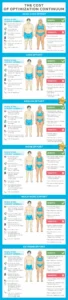
Consider the stark contrast in time and financial investment between a "healthy" individual consistently meeting basic recommendations and an "optimizer" who maximizes every recommendation and incorporates numerous fringe interventions. The optimizer’s weekly routine might involve significantly more hours dedicated to specialized exercise, meticulous meal preparation, advanced recovery techniques (e.g., cryotherapy, red light therapy), and complex supplement regimens. This translates to an investment of at least three to four times the time, effort, and money compared to a healthy, medium-effort lifestyle. Beyond weekly routines, optimizers often incur additional costs for advanced diagnostic tests (e.g., full-body MRI, comprehensive genetic sequencing, continuous glucose monitoring), specialized therapies, and high-end equipment, potentially adding tens of thousands of dollars annually.
While this intensified effort might yield some additional benefits, the medium-effort "healthy" lifestyle is projected to deliver at least 80 percent of the desired results in terms of lifespan, healthspan, and overall quality of life. The disproportionate investment for the remaining 20 percent of potential gains raises questions about feasibility and sustainability.

Moreover, an excessive focus on health optimization can paradoxically detract from overall well-being. Extreme adherence to rigid protocols can lead to burnout and increase the likelihood of abandoning healthy habits altogether. More critically, an overemphasis on physical health can compromise other essential domains of "deep health," including relational, existential, mental, and emotional well-being. The constant pursuit of perfection can morph into unhealthy obsessions like orthorexia (an unhealthy obsession with healthy eating) or other mental health conditions, ultimately diminishing the very quality of life one seeks to extend. The true essence of a long and healthy life lies not just in its duration but in the enjoyment, meaning, and fulfillment experienced within it.
Making Informed Choices for a Sustainable Healthy Future
In light of the evidence, navigating the complex landscape of health and longevity requires clarity, realistic assessment, and a commitment to sustainable practices.
Firstly, individuals must clarify their personal goals. What kind of life is truly desired? How does maximizing healthspan and lifespan align with other life priorities, such as career, family, relationships, and personal passions? Answering these questions provides a vital compass.

Secondly, a thoughtful consideration of tradeoffs is essential. Given available resources—time, money, and emotional energy—what level of commitment to health goals is realistic and sustainable? What sacrifices are acceptable, and what aspects of life are non-negotiable? This honest self-assessment prevents burnout and fosters long-term adherence.
Thirdly, when seeking improvements, starting with the foundational basics is the most effective approach. A review of the core health behaviors—exercise, nutrition, sleep, stress management, social connection, harm avoidance, and preventive measures—can highlight areas for improvement. Consistent application of these practices, even if not perfect, will yield significant, tangible results for the vast majority of people. These should be prioritized long before venturing into faddish, fringe, or "super-optimal" interventions.
Finally, it is crucial to tune out the pervasive noise from the optimization culture. Health experts and influencers can offer valuable information, but they are not the ultimate authorities on an individual’s unique life circumstances. Personal agency in health decisions is paramount. By being honest with oneself and making choices aligned with personal values and priorities, individuals can forge a path to health that is both effective and genuinely fulfilling. Ultimately, while advice abounds, the responsibility and privilege of shaping one’s healthy future rest with the individual.

References
Click here to view the information sources referenced in this article.
If you’re a coach, or you want to be…
You can help people build sustainable nutrition and lifestyle habits that will significantly improve their physical and mental health—while you make a great living doing what you love. We’ll show you how.
If you’d like to learn more, consider the PN Level 1 Nutrition Coaching Certification. (You can enroll now at a big discount.)