
The transition from casual coffee consumption to a meticulous, scientifically informed brewing practice marks a significant shift for enthusiasts seeking to elevate their daily cup. This journey, often spurred by a growing appreciation for the nuanced flavors of specialty coffee, reveals the profound impact of various parameters on the final beverage. What begins as a simple quest for caffeine often evolves into an exploration of chemistry, physics, and sensory science, transforming a routine into a precise craft.
The Ascent of Specialty Coffee and the Third Wave Movement
For many, the initial foray into regular coffee drinking is utilitarian, driven by the need for alertness. Such was the case for a chemist, whose post-doctoral career introduced a daily commute and a reliance on caffeine for focus. This early phase, characterized by occasional consumption, gradually gave way to a deeper appreciation for coffee’s complex flavor profiles. This personal evolution mirrors a broader cultural phenomenon: the rise of the "third wave of coffee."
The third wave movement, particularly vibrant in Scandinavia, emphasizes coffee as an artisan product, focusing on single-origin beans, lighter roasts, and meticulous brewing methods that highlight the inherent characteristics of the bean. Unlike the first wave (mass-market, convenience-driven coffee) and the second wave (espresso-based drinks, Starbucks culture), the third wave champions transparency, sustainability, and quality from farm to cup. This movement encourages consumers to understand and appreciate the journey of coffee, from its cultivation on a Coffea arabica shrub to its final preparation. Monthly subscription services, such as Kaffebox, play a crucial role in this ecosystem, delivering curated selections from artisanal roasters across Norway, Sweden, and Denmark, fostering an ongoing discovery of diverse flavor landscapes.

A Deep Dive Born from Experience: The 2020 Catalyst
The extraordinary circumstances of 2020, with reduced social interaction, inadvertently created an ideal environment for deeper contemplation and focused experimentation – particularly with coffee. A notable turning point for the aforementioned chemist was a Coffee Advent Calendar from Kaffebox, offering 24 days of blind tasting. This experience was not only enjoyable but also profoundly educational, highlighting the subtle differences influenced by bean origin and processing methods. The act of correctly identifying a coffee’s characteristics brought satisfaction, while misidentification provided valuable lessons on the complexities of flavor perception and the significant impact of processing on taste.
Simultaneously, the introduction of borrowed coffee hand grinders into a routine previously reliant on a trusty Rancilio Rocky grinder introduced a challenging variable. This disruption initially led to frustration, revealing significant inconsistencies in the ability to produce reproducible and high-quality pour-over coffee. This period of "panta rhei" – everything flows – served as a powerful catalyst, prompting extensive research and learning into the scientific underpinnings of coffee brewing.
This exploration was not entirely unprecedented. The Khymos platform had previously delved into various aspects of extraction, including water, oil, and ethanol extractions, as well as the science of brewing beer. Coffee itself had been a subject of earlier posts, covering topics like Norwegian egg coffee, the convenience of Aeropress for travel, the intriguing effect of adding salt to coffee (including experiments with renowned barista Tim Wendelboe), and the general principles of espresso extraction. However, the intensity and depth of the recent dive into pour-over and drip coffee science far surpassed these earlier explorations. The sheer volume of scientific literature and practical insights developed over the last decade, especially concerning pour-over techniques, proved staggering. This new wave of scientific publication offers actionable insights for both professional cafés and home brewers, paving the way for a more precise understanding of coffee extraction.
Demystifying the Brew: Key Parameters for Precision Coffee
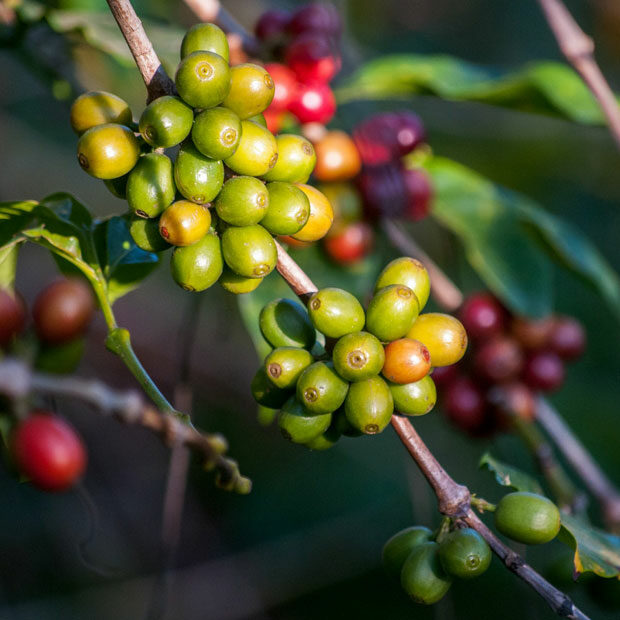
The quality of a cup of coffee is influenced by a multitude of factors, many of which occur before the beans even reach the consumer’s kitchen. The dedication of farmers, the skill of processors, and the expertise of roasters all contribute significantly. However, once a bag of roasted beans rests on the counter, the home brewer gains control over several critical parameters that can dramatically alter the final beverage. Understanding and precisely controlling these variables is key to achieving consistent, high-quality coffee.
Brew Ratio (BR): The Foundation of a Recipe
The brew ratio (BR) is arguably the most fundamental parameter, defining the amount of water used relative to the amount of coffee grounds. Expressed as a ratio, typically grams of water per gram of coffee, it provides a simple yet effective "recipe" for coffee preparation. For instance, a common starting point is 60 grams of coffee for 1000 grams of water, resulting in a BR of 1000/60 ≈ 16.7. This is analogous to a baker’s percentage, offering a convenient single number to remember and scale recipes. Brew ratios for black coffee generally fall within the range of 15-25. The Specialty Coffee Association (SCA) recommends a "Golden Cup Standard" brew ratio of 1:18, meaning 55 grams of coffee per liter of water, translating to a BR of 18.2. Adhering to or experimenting around this benchmark provides a solid foundation for consistency.
Total Dissolved Solids (TDS): Measuring Strength, Unlocking Flavor
The strength of coffee, often perceived as bitterness or richness, is directly related to its Total Dissolved Solids (TDS) content. Many coffee drinkers discover a sensitivity to overly strong coffee, finding that even a small addition of hot water can transform a "too strong and bitter" cup into one bursting with fruity notes. While this anecdotal adjustment can be serendipitous, it’s not a systematic approach. This is where TDS measurement becomes invaluable. TDS quantifies the amount of soluble material extracted from the coffee grounds and dissolved in the water, typically expressed as a percentage or parts per million (ppm). It is the most accessible way to objectively measure coffee strength.
The traditional gravimetric method—evaporating a sample to dryness and weighing the residue—is impractical for daily brewing, requiring highly accurate balances for the small quantities of solids involved (1.2-1.5% for a typical cup, equating to 6-7 mg in a 500 mg sample). Fortunately, refractometry offers a far more convenient solution. Light travels at different speeds through pure water versus water containing dissolved solids, and this difference can be precisely measured.
An analogue handheld refractometer, often calibrated in %Brix, provides an affordable entry point. %Brix values can be converted to %TDS by multiplying by approximately 0.85. While these devices offer a resolution of 0.1-0.2 %Brix, allowing confirmation of whether a brew falls within the typical range (1.4-1.8 %Brix, or 1.2-1.5 %TDS), they are less suitable for fine-tuning. However, they are highly recommended for their versatility, serving multiple purposes in the kitchen, such as measuring sugar content for sorbets (aiming for ~26 %Brix) or specific gravity for beer brewing. For more precise measurements, digital refractometers designed specifically for coffee offer 0.01 °Brix readout and automatic TDS conversion, though at a significantly higher cost.
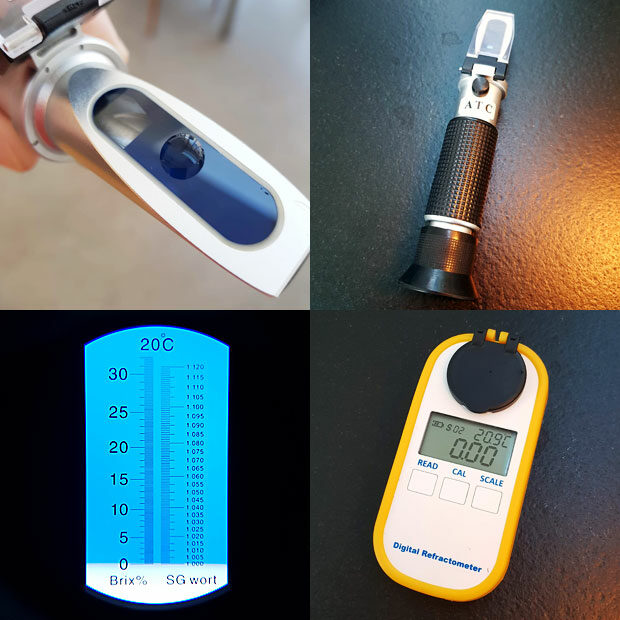
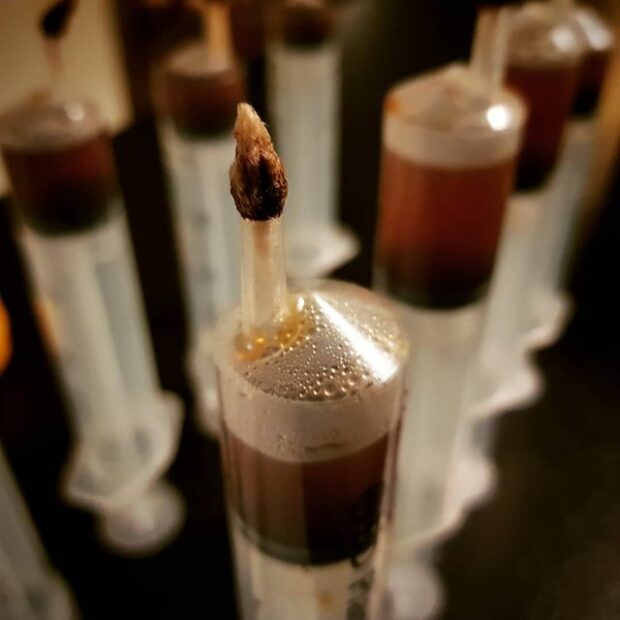
For accurate TDS measurement during extraction, samples must be hot-filtered to halt further extraction and then cooled completely before measurement. A simple DIY method involves using plastic syringes with a cotton plug for filtration, minimizing evaporation during cooling, and allowing for efficient, waste-reducing workflow without the expense of laboratory-grade syringe filters. It’s often surprising to realize that a standard cup of black coffee is over 98% water, highlighting the profound impact of those few dissolved solids. The SCA Golden Cup Standard for TDS typically falls between 1.15% and 1.35%.
Extraction Yield (EY & EEY): Optimizing Soluble Content
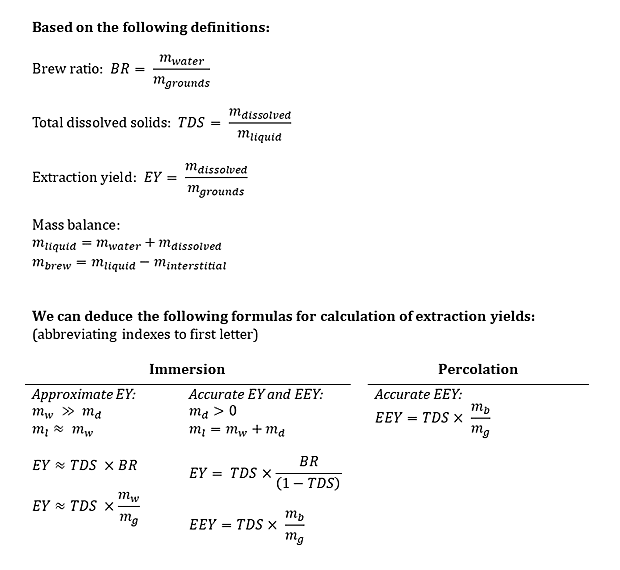
Beyond just strength, the efficiency of extraction is crucial. Extraction Yield (EY) measures the percentage of the dry coffee grounds that have been dissolved into the brewing liquid. Calculating EY can be complex, especially for percolation brews where not all the liquid in contact with the grounds ends up in the cup. To address this, two distinct definitions are often used:
- Extraction Yield (EY): This refers to the total mass of dissolved solids relative to the initial mass of dry coffee grounds, considering all liquid that came into contact with the grounds. This is particularly relevant for immersion brews where the entire liquid mass eventually has the same concentration of dissolved solids.
- Effective Extraction Yield (EEY): This focuses on the dissolved solids actually delivered to the cup, relative to the initial mass of dry coffee grounds. For percolation brews, where some liquid (interstitial liquid) remains trapped in the spent grounds and doesn’t make it into the final beverage, EY and EEY can differ.
Prominent coffee scientists like Scott Rao and Jonathan Gagné have extensively discussed these complexities. The distinction is important: EY offers insight into the overall solubilization from the grounds, potentially indicating the flavor profile (as different compounds extract at different rates), while EEY provides an economic perspective on how much of the coffee’s potential has been delivered to the consumer.
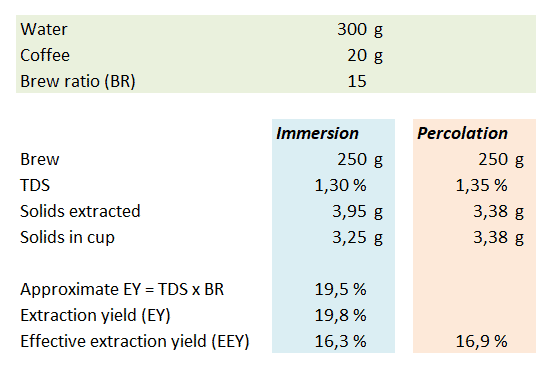
Consider an example: 20g of coffee brewed with 300g of water, yielding 250g of coffee in the cup.
For an immersion brew with 1.30% TDS:
- Total dissolved solids ($m_dissolved$) in the entire liquid mass (including what’s retained by grounds) = 3.95g.
- Precise EY = 19.8% (calculated as TDS x BR / (1-TDS)).
- Effective Extraction Yield (EEY) in the cup = 1.30% x 250g / 20g = 16.3%.
For a percolation brew yielding 1.35% TDS in the cup:
- Total dissolved solids ($m_dissolved$) in the cup = 1.35% x 250g = 3.38g.
- Effective Extraction Yield (EEY) in the cup = 1.35% x 250g / 20g = 16.9%.
In a percolation brew, EY and EEY are typically considered equivalent if one focuses on the solids actually extracted into the final beverage.
This example illustrates that while immersion may extract more solids from the grounds overall, percolation can be more efficient at delivering those solids to the cup. The difference in extracted mass (3.95g vs. 3.38g in the example) contributes to the distinct flavor profiles of immersion and percolation coffees, as the composition of extracted compounds will vary. The SCA Golden Cup Standard aims for an extraction yield of 18% to 22%.
However, calculating EY perfectly involves accounting for factors like evaporation during brewing (which affects the brew ratio) and the inherent water content (1-4%) within roasted beans, complexities often disregarded for practical purposes. Furthermore, the accuracy of EY calculations is highly dependent on the precision of coffee dose weighing and TDS measurements. A small error in TDS, especially with a handheld refractometer (e.g., +/- 0.1% TDS), can translate to a significant uncertainty in the calculated EY (e.g., +/- 1.7% for a 15g coffee dose).
The Science of Grind: Particle Size Distribution (PSD) and its Impact
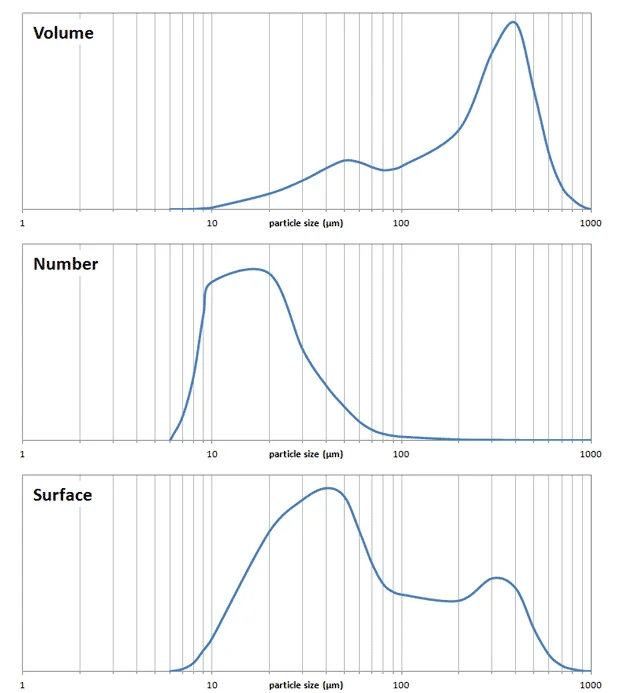
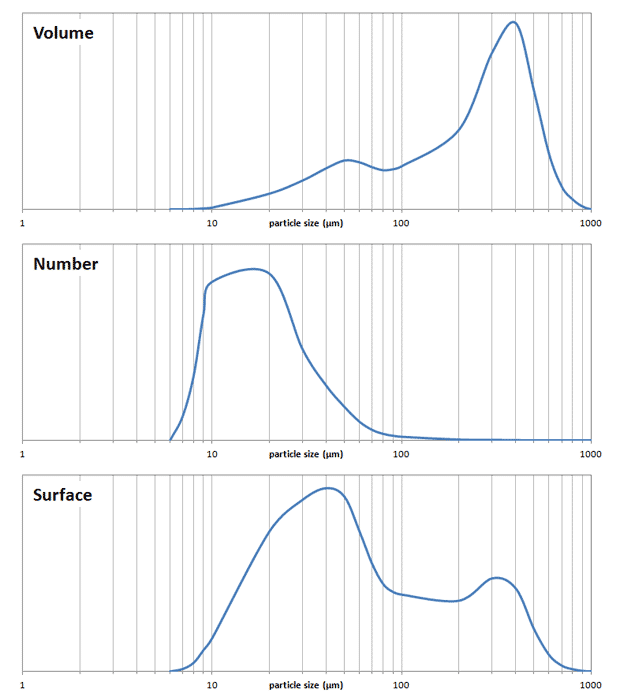
Before extraction, roasted coffee beans must be ground. This process is far from uniform; beans shatter into a spectrum of particle sizes, from large "boulders" to extremely small "fines" (generally defined as particles under 100 µm). Ground coffee therefore exhibits a Particle Size Distribution (PSD) rather than a single, uniform grind size. While laboratory instruments like MicroTrac or Sympatec can precisely measure PSD, accessible tools like Kruve sifters (or cheaper alternatives) offer home brewers a way to mechanically separate particles. Image analysis software, such as Jonathan Gagné’s Python app, also provides a means to estimate PSD from micrographs. However, fines tend to agglomerate with larger particles, making their true quantity difficult to assess accurately.
The way PSD is visualized significantly impacts its interpretation. Volume distribution, while technically correct, often understates the impact of fines. Number distribution reveals the sheer quantity of fine particles, which is far greater than their volume suggests. However, extraction primarily occurs at the surface of the coffee particles. Therefore, visualizing the surface area distribution provides the most accurate picture of what to expect from extraction. In many cases, over half of the extraction surface area resides in particles smaller than 100 µm. This is critical in light of theories like Matt Perger’s at Barista Hustle, suggesting that coffee particles are only extracted to a depth of about 100 µm. This implies that larger particles often have an unextracted core, representing "wasted" coffee. Despite this, larger particles are essential for forming a stable filter bed, crucial for maintaining adequate flow rates in percolation brewing.
For pour-over coffee, a narrow particle size distribution is generally favored, as it promotes higher flow rates and reduces clogging. Too many fines can severely impede water flow, leading to over-extraction and bitterness. The ideal grind size, therefore, represents a balance between maximizing extraction and ensuring efficient filtration.
The choice of grinder profoundly affects PSD. Inexpensive blade grinders produce an inconsistent and high proportion of fines, making them unsuitable for quality coffee. Burr grinders, the standard for home and café use, come in various materials and geometries. Flat burrs, often found in higher-end machines, can produce very uniform grinds, with specific designs optimized for espresso (which benefits from some fines) or pour-over (where fines are undesirable). Conical burrs are common in hand grinders due to their compact design. Industrial cylindrical grinders achieve exceptionally narrow PSDs, suggesting that commercially pre-ground coffee, when packed in an inert atmosphere, can offer a more uniform grind than what many home setups can achieve. However, the rapid oxidation of ground coffee upon exposure to air typically makes freshly ground whole beans the superior choice for flavor. Experiments with double grinding (coarse then fine) or using grain mills for pre-crushing could potentially help achieve narrower PSDs at home, though measuring the results accurately remains a challenge. The Aeropress coffee maker ingeniously bypasses draw-down time concerns by employing pressure filtration to control extraction duration.
Beyond the Basics: Ancillary Factors for a Superior Cup
While brew ratio, TDS, EY, and grind size are paramount, several other factors significantly influence the final cup.
Bean Freshness: The Battle Against Oxidation
The quality of coffee beans is highly perishable. Freshly roasted beans are essential for optimal flavor. Once roasted, coffee beans begin to release CO2 and are susceptible to oxidation. Exposure to oxygen causes the volatile aromatic compounds and lipids within the beans to degrade, leading to stale, rancid flavors. Therefore, storing beans in an airtight container, ideally in a dark, cool place or even a freezer for longer periods, and grinding only immediately before brewing are critical practices. The large surface area of ground coffee accelerates oxidation dramatically, making grind-on-demand a non-negotiable for serious brewers.
Water Chemistry: The Unsung Hero
Water is not merely a solvent; its mineral composition profoundly impacts coffee extraction and flavor. Minerals like magnesium and calcium interact with coffee compounds, influencing the extraction of acids, sugars, and other flavor precursors. For instance, magnesium is known to enhance the perception of fruitiness, while bicarbonates can buffer acidity, affecting the coffee’s brightness and balance. The SCA has established specific water quality standards, recommending parameters for hardness, alkalinity, and pH. While some regions boast naturally soft water, others may require adding mineral salts to distilled water or adjusting tap water to achieve an ideal profile. Tools like detailed spreadsheets allow brewers to calculate the precise amounts of salts needed to replicate specific water profiles, transforming local tap water into an optimized brewing medium. This area of coffee science has seen substantial development, with resources like Jonathan Gagné’s Coffee Ad Astra blog offering various water recipes.
Temperature Control: A Crucial Variable
Temperature directly affects the solubility of chemical compounds and the rate of diffusion during extraction. Generally, higher temperatures increase solubility and diffusion, leading to faster and more extensive extraction. Brewers typically aim for temperatures close to 100°C (205-200°F or 90-96°C) to maximize extraction, though maximum extraction doesn’t always equate to the "best" flavor profile. Fluctuations in temperature during the brewing process can lead to uneven extraction.
The distinct flavor profile of cold brew coffee exemplifies temperature’s influence. By intentionally lowering the temperature and extending brewing times (often overnight), different compounds are extracted, resulting in a less acidic, smoother, and often sweeter beverage compared to hot brews. Furthermore, the serving temperature of the coffee itself affects sensory perception: sweetness and bitterness tend to diminish as a beverage cools, while sourness and saltiness remain more stable. This highlights the importance of evaluating coffee at its intended drinking temperature.
Filter Material: Clarity, Body, and Chemical Influence
The choice of filter material significantly impacts the clarity, body, and even flavor of the final coffee. Paper filters are highly effective at retaining fine particles, producing a "cleaner" cup with less sediment. This contrasts with French press coffee, which uses a metal mesh filter, allowing more fines and oils to pass through, resulting in a "muddy" or "full-bodied" texture. Our ability to perceive these microscopic particles is remarkably acute; in chocolate, a "just notable difference" in particle size can be as low as 5 µm.
Beyond particle retention, paper filters also absorb certain oils, which contribute to the mouthfeel and taste of coffee. Metal filters, by allowing these oils to pass, offer a different sensory experience that can be used as a benchmark for understanding what might be "missing" when using paper.
Within paper filters, choices abound. Bleached filters, often perceived as purer, undergo a process that removes lignin and hemicellulose, leaving behind primarily pure cellulose. Modern bleaching techniques have largely replaced chlorine with other oxidizing agents, addressing environmental concerns. Unbleached filters, while sometimes favored for environmental reasons, may impart more residual flavors. The diversity of filter papers, analogous to laboratory-grade Whatman filter papers, highlights the potential for varied filtration performance based on pore size and material density. Wetting a filter before brewing is also crucial, as cellulose swells, affecting pore size and filtration characteristics. Detailed microscopic analyses, such as those found on Coffee Ad Astra, reveal the intricate differences between various commercial coffee filters.
The Path to Perfection: A Prioritized Approach
For those embarking on the scientific journey of coffee brewing, a structured approach is most effective. The following parameters are prioritized based on their foundational impact:
- Brew Strength (TDS) & Extraction Yield (EY/EEY): These are the most critical factors. If the coffee is under-extracted (sour, weak) or over-extracted (bitter, astringent), even the finest beans cannot save it. Mastering these metrics ensures a balanced extraction.
- Grind Size & Particle Size Distribution (PSD): Directly influences extraction rate and flow dynamics. An optimal grind ensures consistent contact time and prevents clogging.
- Freshness of Beans: While essential, even fresh beans cannot compensate for poor extraction parameters. Once strength and extraction are controlled, freshness significantly elevates the cup.
- Water Composition: The "unsung hero." Tweaking water chemistry becomes highly impactful once the primary variables are managed.
- Temperature: Fine-tuning temperature allows for nuanced control over extraction kinetics and compound solubility.
- Filter Material: The choice of filter refines the final clarity, body, and mouthfeel.
Many brewers, like the chemist whose journey inspired this article, spend considerable time perfecting the first two categories before moving down the list. The inherent variability introduced by switching frequently between different coffee beans, origins, and processing methods also makes it challenging to isolate the impact of subtler variables like water adjustments. Tools like the "Coffee Compass" from Barista Hustle serve as invaluable diagnostic aids, guiding brewers through the sensory landscape to identify and correct issues related to under- or over-extraction.
Conclusion
The journey from a casual coffee drinker to a connoisseur who meticulously controls every aspect of the brewing process underscores the fascinating convergence of chemistry, physics, and sensory science. The "third wave" of coffee has not only elevated consumer appreciation for quality but has also fostered a scientific approach to understanding and optimizing extraction. By systematically analyzing and adjusting parameters such as brew ratio, total dissolved solids, extraction yield, grind size, bean freshness, water composition, temperature, and filter material, enthusiasts can transform their daily ritual into a precise and consistently rewarding craft. This ongoing pursuit of the perfect brew is a testament to the endless possibilities inherent in a seemingly simple cup of coffee.