
The global appreciation for coffee has undergone a significant transformation, evolving from a simple commodity into a sophisticated culinary pursuit. This shift, often termed the "third wave of coffee," emphasizes origin, processing, roasting, and precise brewing techniques, moving beyond mass production to celebrate coffee as an artisanal product. This evolving landscape has led many enthusiasts, including those with a background in chemistry, to delve deeply into the scientific principles that govern the perfect cup, demonstrating how a systematic approach can unlock nuanced flavors and unparalleled consistency.
The Evolving Coffee Landscape: A Chronology of Refinement
The journey into sophisticated coffee consumption often begins subtly. For many, the transition from an occasional, utilitarian coffee drinker to a connoisseur of specialty blends is marked by a growing appreciation for flavor beyond mere caffeine delivery. This trajectory is representative of a broader societal trend, particularly evident in regions like Scandinavia, which boasts a vibrant third-wave coffee scene. Here, the emphasis on lightly roasted, single-sourced specialty coffee has flourished, supported by innovative services like monthly coffee subscriptions that deliver curated selections from diverse roasters across Norway, Sweden, and Denmark. This model not only introduces consumers to a variety of high-quality beans but also fosters a deeper connection to the coffee’s provenance and the artistry of its preparation.
The year 2020, with its unprecedented global challenges, inadvertently served as a catalyst for many to explore new hobbies and refine existing passions within the confines of their homes. Reduced social interaction translated into more time for contemplative activities, and for numerous coffee enthusiasts, this meant an accelerated immersion into the intricacies of brewing. Experiential products, such as Coffee Advent Calendars offering 24 days of blind tasting, provided both entertainment and education, sharpening palates and revealing the profound impact of bean origin and processing methods on flavor. Simultaneously, experimentation with advanced home brewing equipment, like various hand grinders alongside established machines, highlighted the critical role of precision and reproducibility in achieving optimal results. This period of intensified home experimentation underscored a fundamental realization for many: the significant skill gap in consistently producing high-quality pour-over coffee. This frustration, however, spurred a renewed commitment to learning, leading many down a rabbit hole of scientific literature and expert insights into coffee extraction.

From Bean to Brew: The Influential Journey
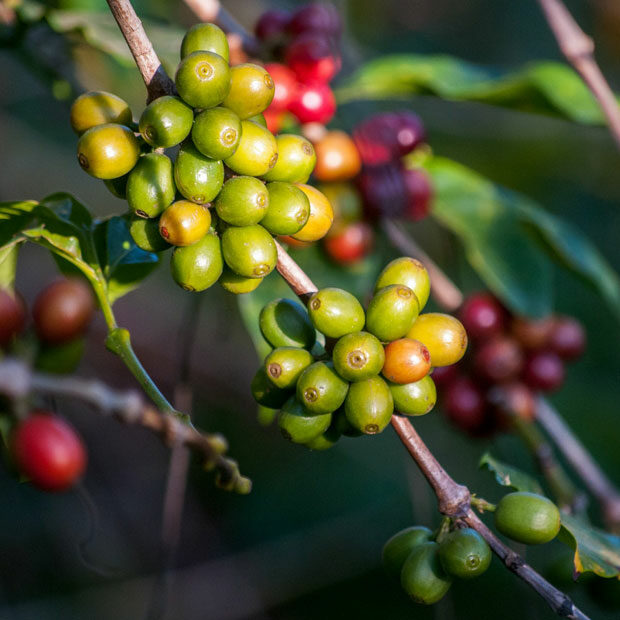
The journey of coffee from a fruit on a Coffea arabica shrub to the beverage in one’s cup is a complex odyssey, influenced by an astonishing number of people and processes. Each stage, from the farmer cultivating the plant to the barista crafting the final drink, plays a crucial role in determining the ultimate quality. While many of these factors—such as varietal selection, growing conditions, harvesting, and initial processing at the farm—are beyond the consumer’s direct control, the choice of high-quality, ethically sourced beans from dedicated farmers, processed by skilled craftsmen, and roasted by passionate enthusiasts, represents the first critical step towards an exceptional brew. Once a bag of roasted beans arrives in the kitchen, the power to significantly impact the beverage’s quality shifts to the brewer, who can meticulously control several key parameters to unlock the coffee’s full potential.
Precision Brewing: Key Parameters and Scientific Insights
The scientific approach to coffee brewing breaks down the process into controllable variables, each with a measurable impact on the final taste profile. Understanding and mastering these parameters is essential for consistency and excellence.
Brew Ratio: The Foundation of Consistency
The brew ratio (BR) is arguably the most fundamental parameter in coffee brewing, defining the proportion of water to coffee grounds. Typically expressed as the weight of water relative to the weight of coffee (e.g., 1000g water for 60g coffee, resulting in a BR of 16.7), it provides a straightforward "recipe" for replication and scaling. Much like a baker’s percentage in dough preparation, BR offers a universal language for brewers. For black coffee, common brew ratios generally fall within the range of 15:1 to 25:1, with the Specialty Coffee Association (SCA) often recommending a 1:18 ratio for its "Golden Cup Standard." Deviations from this range can lead to under- or over-extracted coffee, impacting strength and flavor balance. A lower ratio (e.g., 1:15) results in a stronger, more concentrated brew, while a higher ratio (e.g., 1:20) produces a lighter, more diluted cup. Mastering the brew ratio is the first step towards reproducible results and understanding how to adjust for desired strength.
Unveiling Strength: Total Dissolved Solids (TDS)
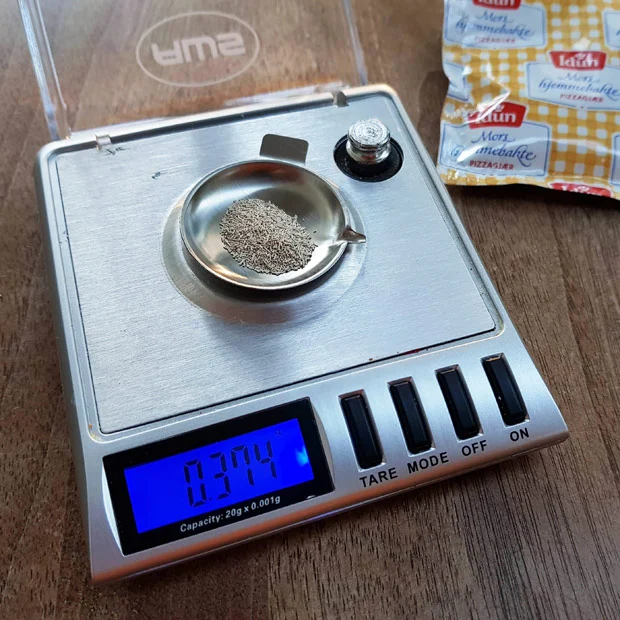
Beyond the subjective perception of "strong" or "weak," the total dissolved solids (TDS) provides an objective measure of a coffee’s concentration. This metric quantifies the percentage of coffee solids extracted into the water. A common experience for many is encountering a coffee that feels "too strong and bitter," only to find that a slight dilution with hot water transforms it into a revelation of fruity, vibrant flavors. This phenomenon underscores the delicate balance in extraction. While traditional gravimetric methods—evaporating water to weigh the residue—are accurate, they are impractical for home use, requiring highly sensitive balances to measure the typical 1.2-1.5% dissolved solids (12-15 grams per liter) in a standard cup.
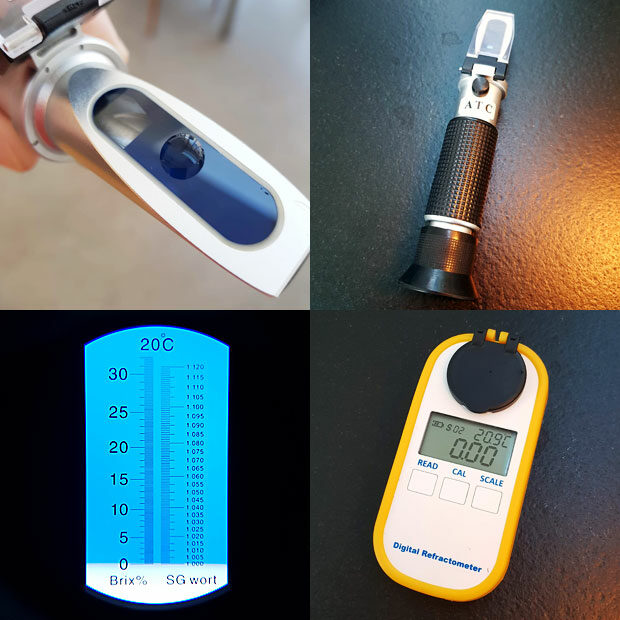
Fortunately, refractometry offers a more accessible and efficient solution. This method leverages the principle that light travels at different speeds through liquids of varying densities. A handheld refractometer, often calibrated in %Brix (a sugar content scale), can provide an approximation of TDS (where %TDS ≈ %Brix x 0.85). While these analog devices offer a resolution of 0.0-0.2 %Brix, sufficient to confirm if a brew falls within the typical range, they lack the precision for fine-tuning. Digital refractometers, specifically designed for coffee, offer greater accuracy (e.g., 0.01 °B readout with automatic TDS conversion) but come at a higher cost.
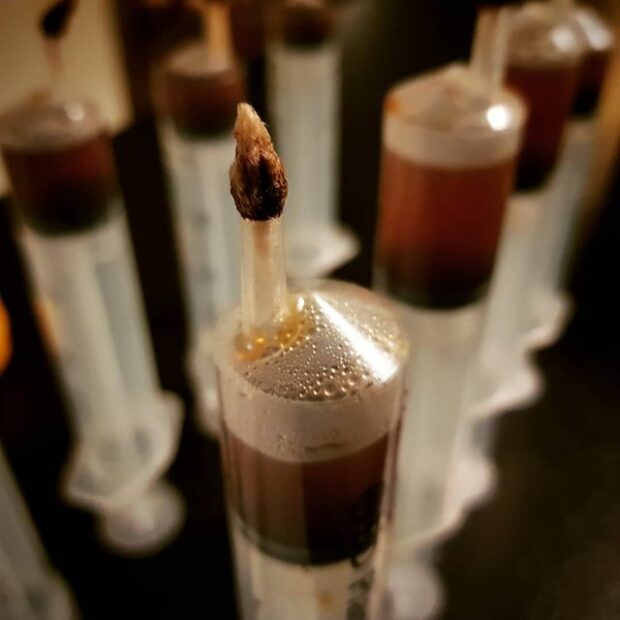
For the aspiring home scientist, a handheld refractometer is a valuable multi-purpose kitchen tool, useful for measuring sugar content in sorbets (aiming for ~26 %Brix) or specific gravity in beer brewing. When measuring coffee, samples must be hot-filtered to halt further extraction and then cooled completely, as temperature affects refractive index. A simple DIY method involves using plastic syringes with cotton plugs for filtering and cooling, minimizing evaporation and contamination. Critically, TDS measurement helps distinguish between a coffee that is genuinely "too strong" and one that is merely "bitter" or "astringent" due to over-extraction. It also starkly highlights that a typical cup of black coffee is more than 98% water, a fact often hard to grasp given its rich flavor profile. The SCA’s "Gold Cup Standard" recommends a TDS range of 1.15% to 1.35% for optimally extracted filter coffee, providing a benchmark for brewers.
Optimizing Extraction: Yield (EY & EEY)
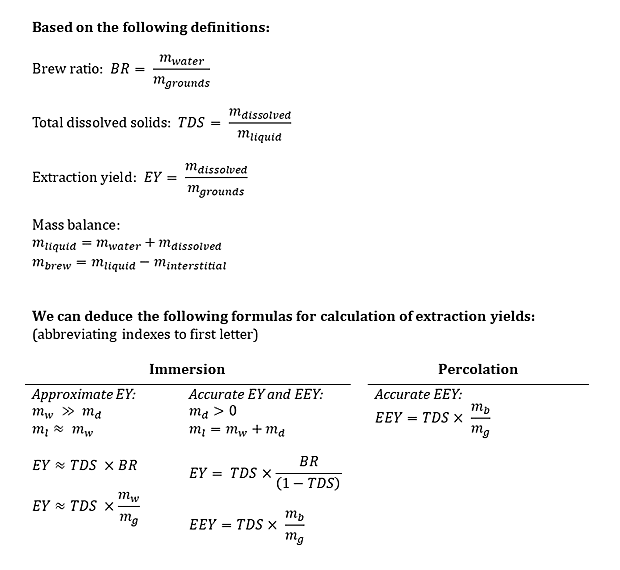
Beyond strength, the extraction yield (EY) measures the percentage of soluble material removed from the coffee grounds. This metric is crucial for understanding how efficiently the coffee’s flavor compounds are being utilized. The calculation of EY can be complex, especially for percolation brews where some liquid remains trapped within the grounds (interstitial liquid). To simplify, two types of extraction yield are often considered:
- Extraction Yield (EY): Focuses on the total mass of dissolved solids relative to the initial mass of dry coffee grounds, considering all liquid involved in the brew.
- Effective Extraction Yield (EEY): Focuses specifically on the dissolved solids delivered to the cup, relative to the initial dry coffee grounds.
For immersion brews (e.g., French press), where all liquid is mixed, EY and EEY are conceptually closer. For percolation brews (e.g., pour-over), where fresh water continuously washes through the grounds, the interstitial liquid plays a different role. Experts like Scott Rao and Jonathan Gagné have extensively discussed these complexities, often advocating for nuanced calculations.
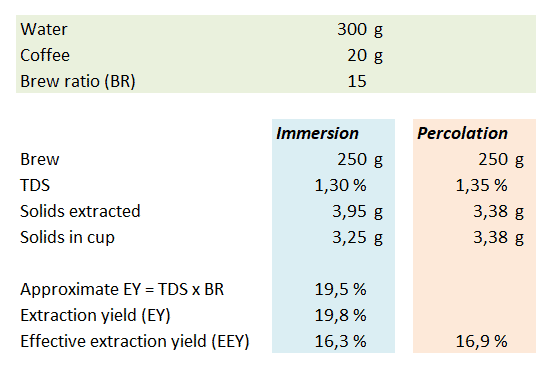
From an economic perspective, EEY is highly relevant, as it reflects the amount of coffee solids actually consumed. From a flavor perspective, EY offers insight into the total material removed from the grounds, which can significantly influence the sensory profile. For example, if a percolation method yields 0.57 grams more dissolved solids from the grounds than an immersion method, the chemical composition of these additional solids will undoubtedly contribute to distinct taste differences, owing to the sequential extraction of various compounds. Early extraction tends to yield acids and sugars, contributing to desirable fruity and sweet notes, while later extraction can pull out more bitter compounds and astringent tannins.
Accurate EY/EEY calculations require precise measurements of coffee grounds, water, brew weight, and TDS. An uncertainty of 0.1% TDS from a handheld refractometer, for instance, can translate to a significant +/- 1.7% uncertainty in EY for a 15g coffee dose, highlighting the need for accurate tools for serious experimentation. Evaporation during brewing also subtly affects brew ratio and final yield, a factor often disregarded in simpler calculations but crucial for scientific rigor. Moreover, roasted coffee itself contains 1-4% water, a detail sometimes overlooked in dry matter basis calculations.
The Grind: Particle Size Distribution (PSD) as a Critical Variable
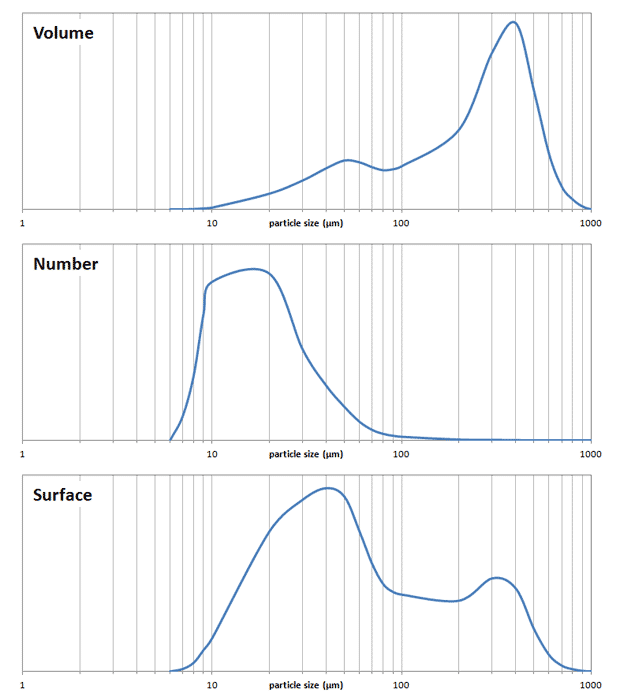
The grinding of roasted coffee beans is a destructive yet essential step, shattering them into a heterogeneous mix of particles ranging from large "boulders" to microscopic "fines" (generally defined as particles under 100 µm). This particle size distribution (PSD) is paramount, as extraction occurs at the surface of these particles. A uniform grind size is highly sought after, as it promotes even extraction.
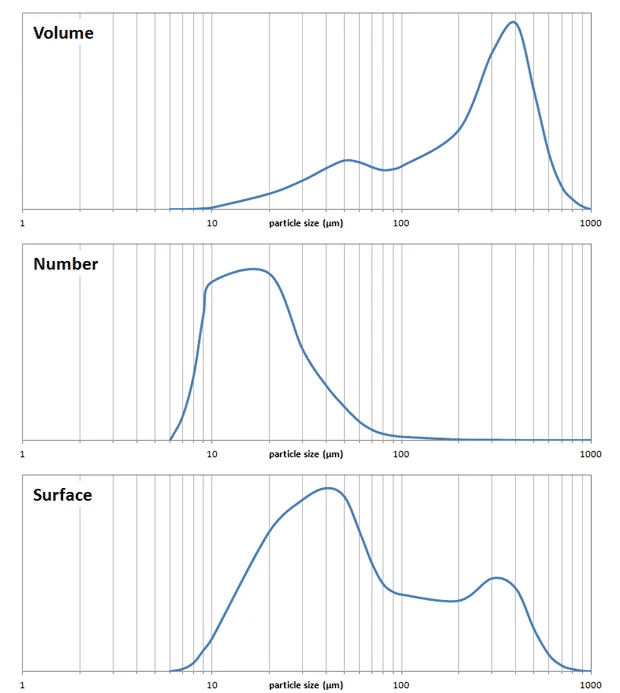
Visualizing PSD can be complex. While volume distribution (the most common) might suggest fines are negligible, plotting by the number of particles reveals an overwhelming quantity of fines. However, the most accurate representation for extraction purposes is the surface area distribution, which often demonstrates that over half of the extraction originates from particles smaller than 100 µm. This is significant, especially considering preliminary research suggesting that coffee particles are only extracted to a depth of approximately 100 µm. This implies that the core of larger particles remains unextracted, representing "wasted" coffee. Despite this, larger particles are vital for forming a stable filter bed, preventing clogging, and maintaining an adequate flow rate in pour-over methods.
The choice of grinder profoundly impacts PSD. Inexpensive blade grinders pulverize beans unevenly, producing a high proportion of undesirable fines and boulders. Quality burr grinders, available in manual and electric forms, are essential. These come with various burr materials, geometries, and sizes. Flat burrs, often found in higher-end machines, and conical burrs (common in hand grinders due to their compact design) each have their proponents. Within flat burrs, specific groove designs are optimized for espresso (which benefits from some fines for crema and body) versus pour-over (where fines are generally detrimental). Industrial cylindrical grinders achieve extremely narrow PSDs, leading some to argue that commercially filter-ground coffee, if freshly packaged in an inert atmosphere, could theoretically offer a more uniform grind than most home equipment. However, the rapid oxidation of ground coffee upon exposure to air makes grinding fresh beans just before brewing paramount. Experiments with double grinding (coarse then fine) or using grain mills for pre-crushing could also help achieve a narrower PSD, though measuring the results accurately remains a challenge for the home enthusiast. For pour-over, the ideal grind size is often the finest possible that still allows for sufficient flow without clogging, a balance that the Aeropress coffee maker bypasses with its pressure filtration.
Preserving Flavor: The Imperative of Freshness
The pursuit of exquisite coffee begins with freshly roasted beans. Once roasted, coffee beans are living organisms, continuously releasing gases and undergoing chemical changes. Storing beans in an airtight container, ideally opaque and at a cool temperature, is crucial to minimize exposure to oxygen. Oxygen initiates oxidative reactions that degrade delicate flavor compounds and cause oils to go rancid, leading to "stale" flavors. This degradation accelerates once a bag is opened.
The golden rule of specialty coffee is to grind only what is needed, just before brewing. Grinding dramatically increases the surface area of the coffee, exposing it to oxygen and accelerating staling. For longer-term storage of larger quantities, freezing can significantly slow down chemical reactions, preserving freshness for weeks or even months. While the precise timeline varies by roast level and bean type, ground coffee can lose its optimal flavor profile in mere minutes, and whole beans within days or a few weeks of opening.
The Unsung Hero: Water Chemistry
Often overlooked, water is not merely a solvent but a critical ingredient that profoundly influences coffee extraction and taste. The mineral content and pH of brewing water can dramatically alter the flavor profile. Minerals like magnesium and calcium are known to enhance the extraction of desirable organic acids and aromatic compounds, contributing to sweetness and body. Bicarbonates, which determine alkalinity (buffering capacity), affect the coffee’s acidity. Too soft water can lead to an overly acidic, thin-bodied brew, while excessively hard water can result in a flat, chalky taste due to mineral interference with extraction.
The SCA provides specific water quality guidelines for optimal coffee brewing, recommending parameters for hardness, alkalinity, and pH. For instance, ideal water typically has a total hardness of 50-175 ppm (as CaCO3), alkalinity of 40-75 ppm, and a pH of 6.5-7.5. Many regions, including places with very soft water like Norway, require mineral adjustments. Conversely, areas with very hard water might benefit from filtration or using distilled water as a base for custom mineral recipes. DIY mineral water recipes, often based on adding specific salts (e.g., magnesium sulfate, calcium chloride, sodium bicarbonate) to distilled or filtered tap water, allow enthusiasts to tailor their water profile to enhance specific coffee characteristics. The science of water chemistry in coffee is a rapidly evolving field, underscoring its pivotal role in unlocking a coffee’s full sensory potential.
Temperature Dynamics: Shaping Extraction and Perception
Temperature is a powerful variable, directly affecting the kinetics of extraction—how fast molecules dissolve—and their solubility. Generally, higher temperatures increase solubility and diffusion rates, leading to faster and more complete extraction. Optimal brewing temperatures for hot coffee typically range between 90-96°C (195-205°F) to maximize the extraction of desirable compounds without extracting too many bitter, less soluble compounds.
However, a "maximum extraction" is not always the goal. Different temperatures yield different flavor profiles. Cold brew, for instance, intentionally uses cold water (often brewed overnight in a refrigerator) to slow down extraction significantly. This results in a brew with lower acidity, a smoother mouthfeel, and distinct flavor notes compared to hot coffee, as certain compounds are more soluble in hot water, while others are more prevalent in cold extractions. When comparing hot and cold brews, it’s also crucial to consider the serving temperature, as the human perception of taste is temperature-dependent. Sweetness and bitterness tend to diminish as a beverage cools, while sourness and saltiness remain relatively stable. This means a coffee might taste balanced when hot but become overly sour or bitter once it cools, emphasizing the importance of temperature control throughout the entire coffee experience.
Filter Finesse: Material Science in Your Cup
The choice of filter material significantly influences the clarity, body, and overall mouthfeel of the finished coffee. Paper is the most common filter material, highly effective at retaining fine particles and oils. However, metal, cloth, and nylon filters are also used, each offering distinct characteristics.
Metal filters, often found in French presses or as reusable options for pour-over devices, allow more fines and oils to pass through, resulting in a brew with greater "body" or "texture" (sometimes perceived as "muddy" if excessive residue is present). These oils contribute significantly to mouthfeel and can carry important aromatic compounds, enriching the sensory experience, as seen in espresso. Conversely, thick paper filters, like those used in a Chemex, produce an exceptionally "clean" cup with minimal sediment and a lighter body, as they trap almost all fines and a substantial portion of the oils. The human palate is remarkably sensitive; differences in particle size as small as 5 µm can be perceived, explaining the distinct mouthfeel between a French press and a Chemex.
Within paper filters, choices abound. Bleached filters, which undergo a process to remove lignin and hemicellulose, typically yield a cleaner taste by minimizing paper-derived flavors. Modern bleaching processes largely avoid elemental chlorine, utilizing safer oxidizing agents. While some opt for unbleached filters for perceived environmental benefits, the flavor impact of residual compounds can be noticeable. Furthermore, the science of filtration is vast, with filter papers exhibiting varying pore sizes and flow rates. For example, Whatman filter papers, used in laboratories, offer a wide range of grades. Research from sources like Coffee Ad Astra has meticulously compared various coffee filters, including Hario, Chemex, and Cafec, through microscopy and performance analysis. It’s important to note that a filter’s performance can change once wet, as cellulose fibers swell, potentially altering pore size and filtration efficacy.
The Path to Mastery: Prioritizing Brewing Variables
For any coffee enthusiast seeking to elevate their brewing skills, a systematic approach to parameter adjustment is key. Based on their profound impact and ease of control, the following hierarchy is often recommended:
- Brew Ratio, Total Dissolved Solids (TDS), and Extraction Yield (EY/EEY): These three are intrinsically linked and form the bedrock of consistent brewing. Getting the strength and extraction right is paramount.
- Grind Size and Particle Size Distribution (PSD): Once the basic ratio and desired strength are understood, refining the grind quality significantly impacts extraction efficiency and flavor clarity.
- Freshness of Beans: Using freshly roasted and recently ground beans ensures the raw material itself is at its peak.
- Temperature: Fine-tuning brewing temperature allows for precise control over extraction kinetics and flavor profiles.
- Water Composition: While critical, water adjustment often becomes more relevant once other parameters are consistently managed.
- Filter Material: This parameter offers a final layer of refinement, influencing mouthfeel and clarity.
Without a firm grasp on the initial parameters (brew ratio, TDS, and EY), even the freshest, most expensive beans will fail to deliver their full potential. Tools like the "Coffee Compass" from Barista Hustle offer a practical diagnostic guide, helping brewers troubleshoot undesirable flavors (e.g., sour, bitter, weak) by suggesting adjustments to grind size, dose, and water temperature. The journey into coffee extraction is a continuous blend of scientific inquiry and sensory exploration, transforming a daily ritual into an endlessly fascinating pursuit.