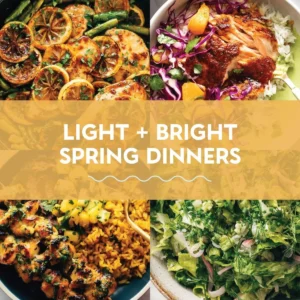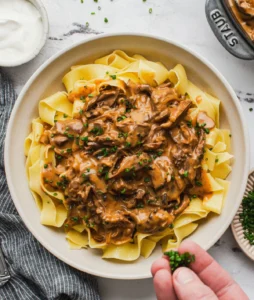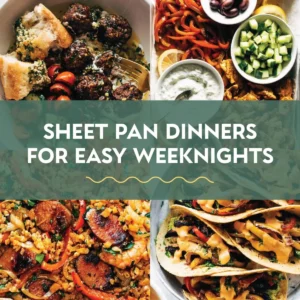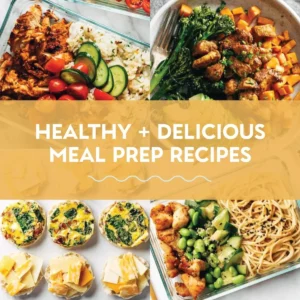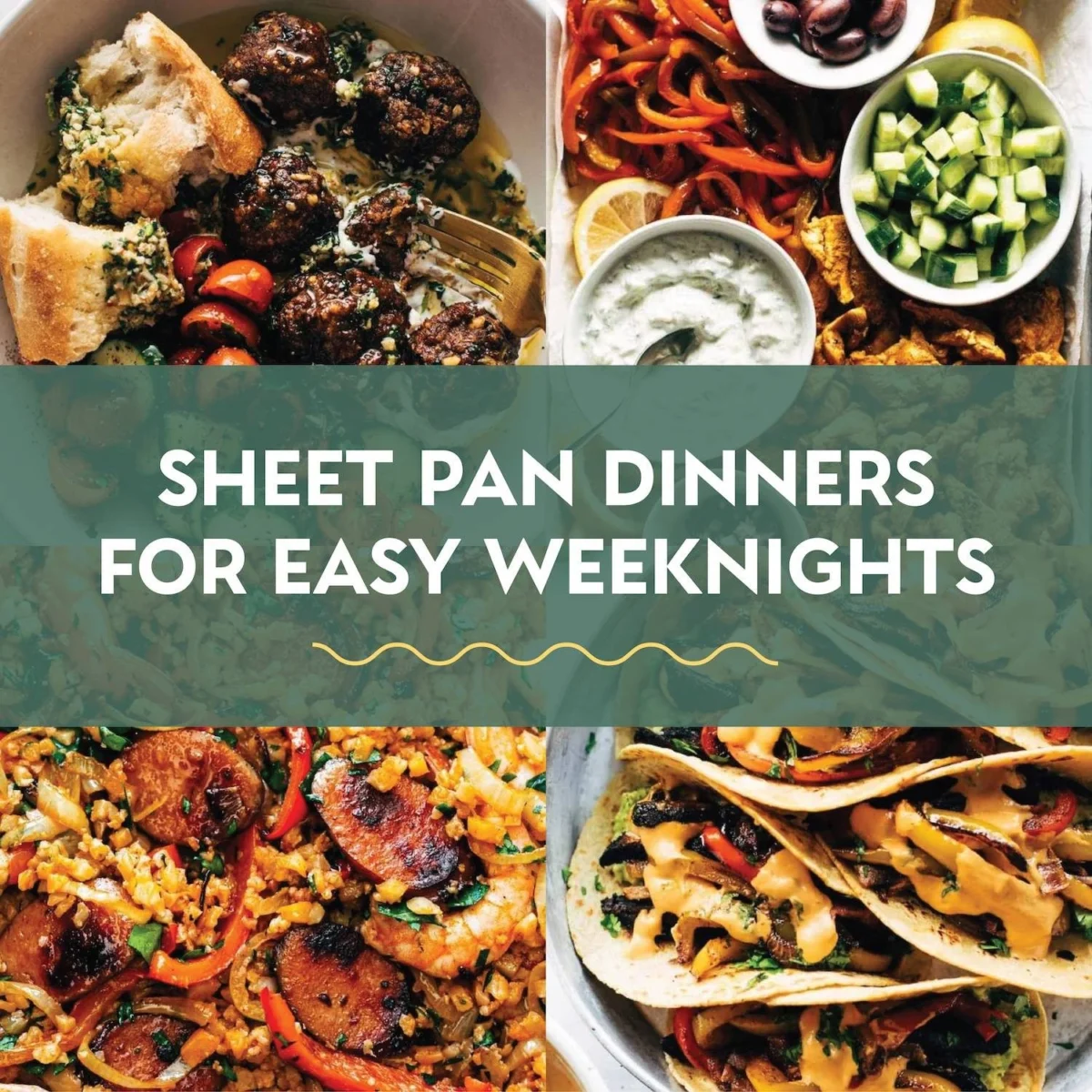

In an era defined by demanding schedules and a renewed emphasis on healthful home cooking, sheet pan dinners have emerged as a pivotal culinary strategy, offering an elegant solution to the perennial weeknight dilemma. This cooking method, characterized by its simplicity, efficiency, and minimal cleanup, has transcended mere convenience to become a cornerstone of contemporary kitchen practice, particularly for individuals and families navigating the complexities of modern life.
Understanding the Appeal of Sheet Pan Cooking
At its core, a sheet pan dinner involves arranging a protein, vegetables, and often a starch on a single baking sheet, seasoning them, and roasting them simultaneously in the oven. The appeal lies in its straightforward nature: preparation typically requires minimal chopping and mixing, and the oven handles the bulk of the cooking process, freeing up valuable time for other activities. This "set it and forget it" approach significantly reduces active cooking time, a critical factor for the estimated 70% of home cooks who prioritize convenience and speed for their weeknight meals, according to recent culinary trend analyses.
Beyond time-saving, the method inherently promotes balanced nutrition. By combining various food groups on one pan, cooks are encouraged to incorporate a diverse array of vegetables alongside their chosen protein and carbohydrate. This holistic approach aligns with dietary recommendations for increased vegetable intake and can lead to more wholesome meals compared to other fast-food alternatives. Furthermore, roasting often enhances the natural flavors of ingredients, resulting in dishes that are both delicious and nutritious without requiring elaborate techniques or excessive added fats.
A Brief Chronology: From Hearth to Home Oven
While the concept of roasting ingredients together on a flat surface might seem like a modern innovation, its roots can be traced back to ancient cooking methods that involved cooking over open fires or in large hearths. Early forms of baking and roasting utilized large, flat stones or metal trays to cook multiple ingredients simultaneously, driven by practicality and resource efficiency.
The modern sheet pan dinner, as we recognize it today, gained significant traction in the late 20th and early 21st centuries. This resurgence coincided with several societal shifts:
- Increased Dual-Income Households: More adults working outside the home led to less time for elaborate meal preparation.
- Rise of Food Media and Blogs: The internet provided a platform for sharing quick, accessible recipes, with food bloggers and online publications championing the sheet pan method for its photogenic results and ease of execution.
- Emphasis on Healthy Eating: As awareness of processed foods grew, consumers sought simple, whole-food-based meals that were easy to prepare at home.
- Growth of Meal Prepping: The "meal prep" movement, focused on preparing components for meals in advance, found a natural ally in sheet pan cooking, where large batches could be roasted and then portioned for the week.
This confluence of factors propelled the sheet pan dinner from a simple cooking technique to a widespread culinary phenomenon, influencing everything from cookbook publications to kitchen appliance design.
The Multifaceted Benefits: Beyond Just Convenience
The enduring popularity of sheet pan dinners is underpinned by a robust set of benefits that extend far beyond mere convenience:
- Nutritional Advantages: Roasting vegetables, particularly at higher temperatures, can enhance their sweetness and caramelization, making them more palatable, especially for those who might typically shy away from greens. The method also allows for minimal oil usage, promoting a healthier fat profile. Dietitians frequently endorse sheet pan meals for their inherent ability to facilitate a balanced intake of protein, complex carbohydrates, and essential vitamins and minerals from a diverse range of vegetables. For instance, combining lean chicken, broccoli, and sweet potatoes on a single pan delivers protein for muscle repair, fiber for digestive health, and a spectrum of micronutrients.
- Economic Efficiency: Sheet pan meals are often budget-friendly. They encourage the use of seasonal vegetables, which are typically more affordable, and allow for flexible ingredient substitutions based on what’s on sale or available. Furthermore, the ability to cook larger quantities reduces food waste by enabling meal prepping and minimizing the need for multiple small purchases throughout the week. This can result in significant savings for households, a crucial consideration given fluctuating food costs.
- Time Management and Stress Reduction: The primary draw for many busy individuals is the dramatic reduction in active cooking and cleanup time. With most ingredients cooking simultaneously on a single surface, the need for multiple pots, pans, and burners is eliminated. This translates to less time spent scrubbing dishes and more time for relaxation or other activities. For families, this can mean more quality time together, reducing the stress associated with getting dinner on the table during hectic evenings.
- Versatility and Adaptability: Sheet pan dinners are incredibly adaptable to various dietary preferences and culinary traditions. Whether one is following a ketogenic, vegetarian, vegan, gluten-free, or paleo diet, the method can be easily customized. From Mediterranean-inspired chicken and vegetables to Asian-flavored salmon and broccoli, or even a spicy jambalaya interpretation, the global culinary landscape offers endless possibilities for flavor profiles. This adaptability makes sheet pan cooking a go-to for diverse households and a staple for experimental home cooks.
- Reduced Energy Consumption: Compared to using multiple stovetop burners and potentially a separate oven dish, a single sheet pan in the oven can be a more energy-efficient way to prepare a full meal. While the oven itself consumes energy, optimizing its use by cooking an entire meal at once can contribute to lower utility bills and a smaller environmental footprint.
Expert Endorsements and Broader Implications
Culinary experts and nutritionists consistently laud the sheet pan dinner as a practical and healthy cooking method. "It’s a game-changer for meal planning," states Dr. Anya Sharma, a renowned nutritionist specializing in family diets. "We advocate for methods that reduce barriers to healthy eating, and sheet pan cooking does exactly that by simplifying the process and encouraging whole food consumption." Similarly, professional chefs appreciate the technique for its ability to create depth of flavor through caramelization and even cooking, noting that uniform roasting can elevate simple ingredients.
The broader implications of this culinary trend are significant:
- Impact on Kitchenware Market: The demand for high-quality sheet pans has seen a noticeable surge. Industry reports indicate a substantial increase in sales of bakeware, with specific attention given to durable, non-stick, and warp-resistant sheet pans. Brands like Nordic Ware, known for their aluminum sheet pans, are frequently cited as preferred choices by home cooks and professionals alike for their reliability and even heat distribution. Consumers are becoming more discerning, understanding that a good quality pan is foundational to successful sheet pan cooking.
- Influence on Recipe Development: Food media and cookbook authors continue to innovate within the sheet pan paradigm, creating increasingly sophisticated and diverse recipes. This includes everything from traditional dinners to sheet pan breakfasts, brunches, and even desserts, demonstrating the method’s expansive potential.
- Promotion of Sustainable Eating: By encouraging home cooking with whole, often local ingredients, sheet pan dinners indirectly support more sustainable food systems. They also reduce the reliance on single-use packaging often associated with takeout or highly processed convenience foods.
- Empowering Home Cooks: For novice cooks, sheet pan dinners offer an accessible entry point into home cooking, building confidence with minimal risk of failure. For experienced cooks, they provide a creative outlet for experimenting with flavor combinations and ingredient pairings. This empowerment fosters a healthier relationship with food preparation and consumption.
A Culinary Journey: Exploring Sheet Pan Possibilities
The versatility of sheet pan dinners is best illustrated by the sheer breadth of recipes that can be adapted to this method. From hearty meat dishes to vibrant vegetarian options and even clever breakfast solutions, the possibilities are vast.
Poultry-Focused Creations:
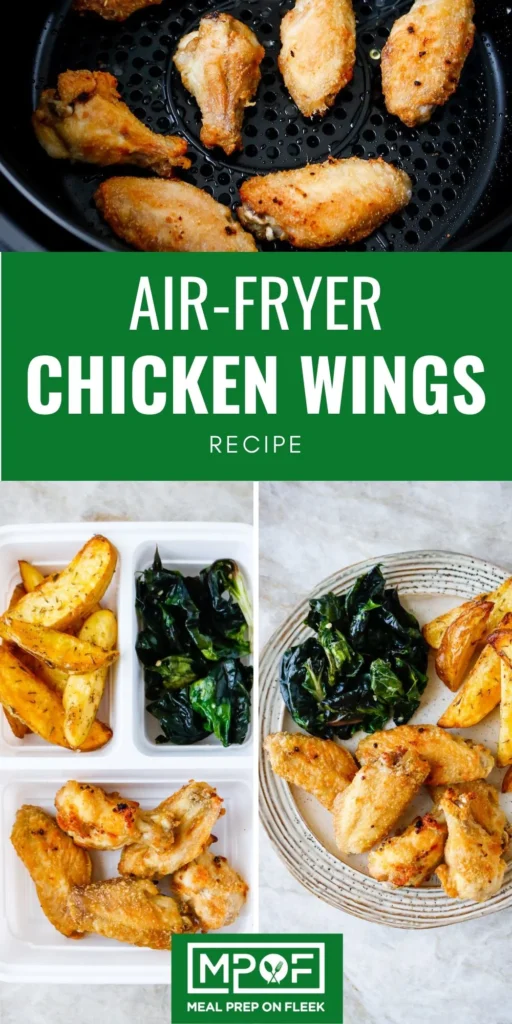
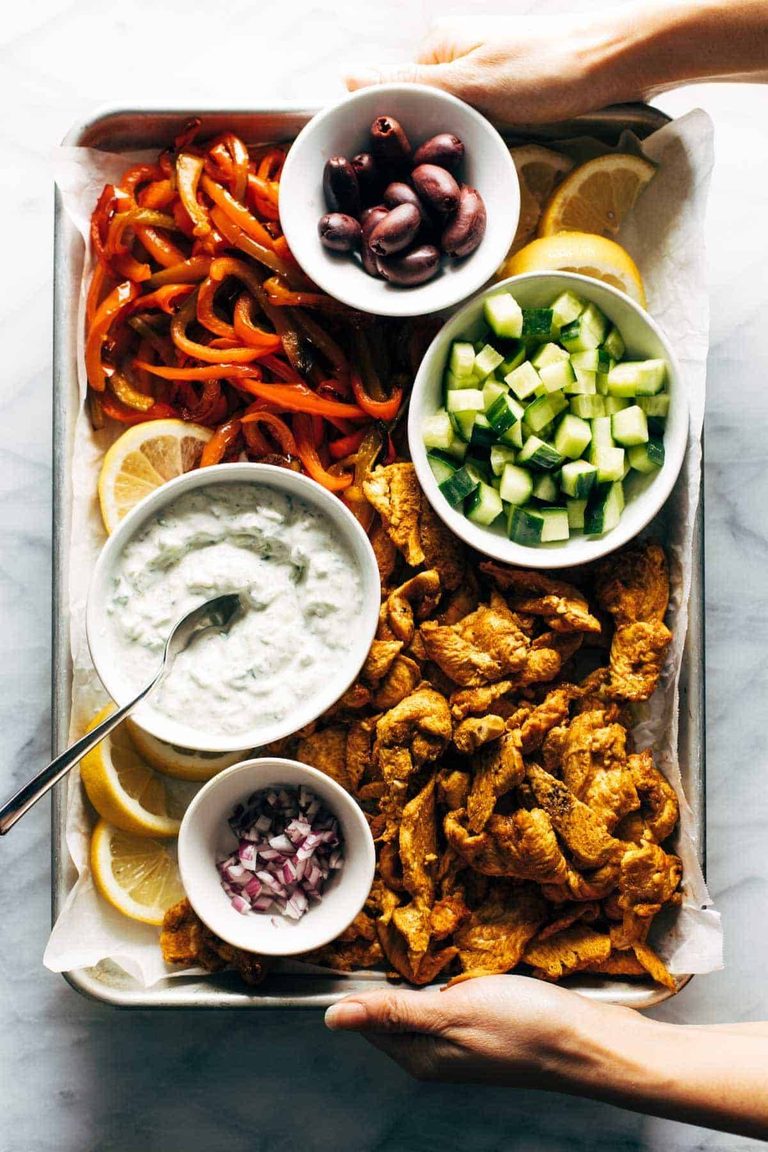
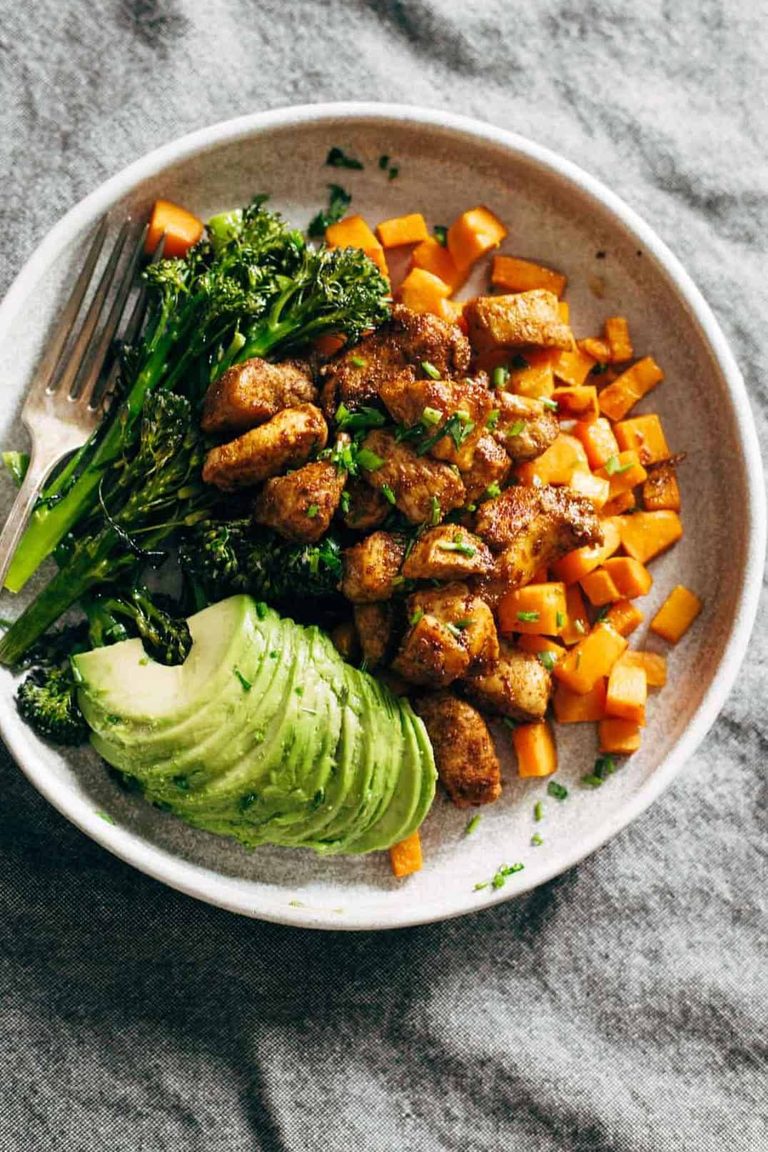
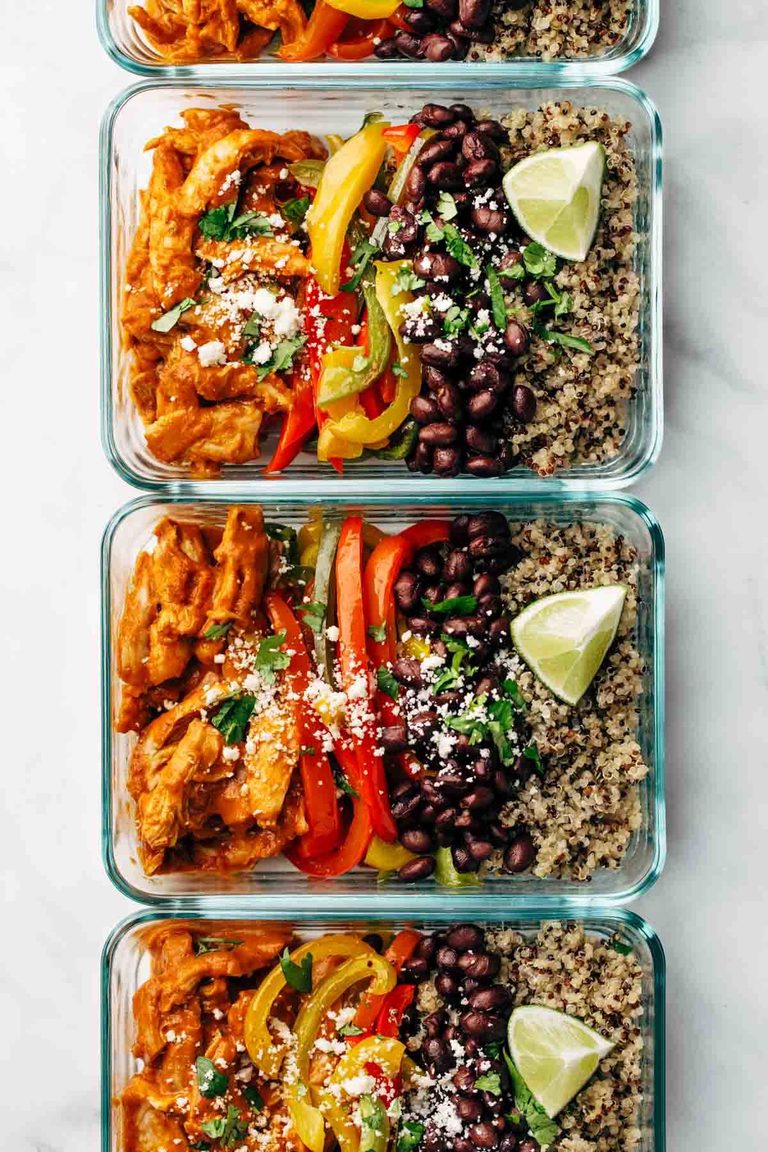
Chicken, a lean and versatile protein, is a natural fit for sheet pan cooking. Recipes like Sheet Pan Chicken Pitas with Tzatziki transform roasted chicken and vegetables into a dynamic, build-your-own meal. Similarly, Sheet Pan Chicken Tinga Bowls offer a quick, flavor-packed option with smoky chipotle notes, demonstrating how complex flavors can be achieved with minimal fuss. For those seeking a healthier, refined-sugar-free meal prep option, Sheet Pan Garlic Ginger Chicken & Broccoli combines savory and aromatic elements, perfect for preparing meals for the week ahead. The key to successful poultry sheet pan dishes often lies in appropriate marinade times and ensuring vegetables are cut to cook evenly with the chicken.
Flavorful Meatball Dinners:
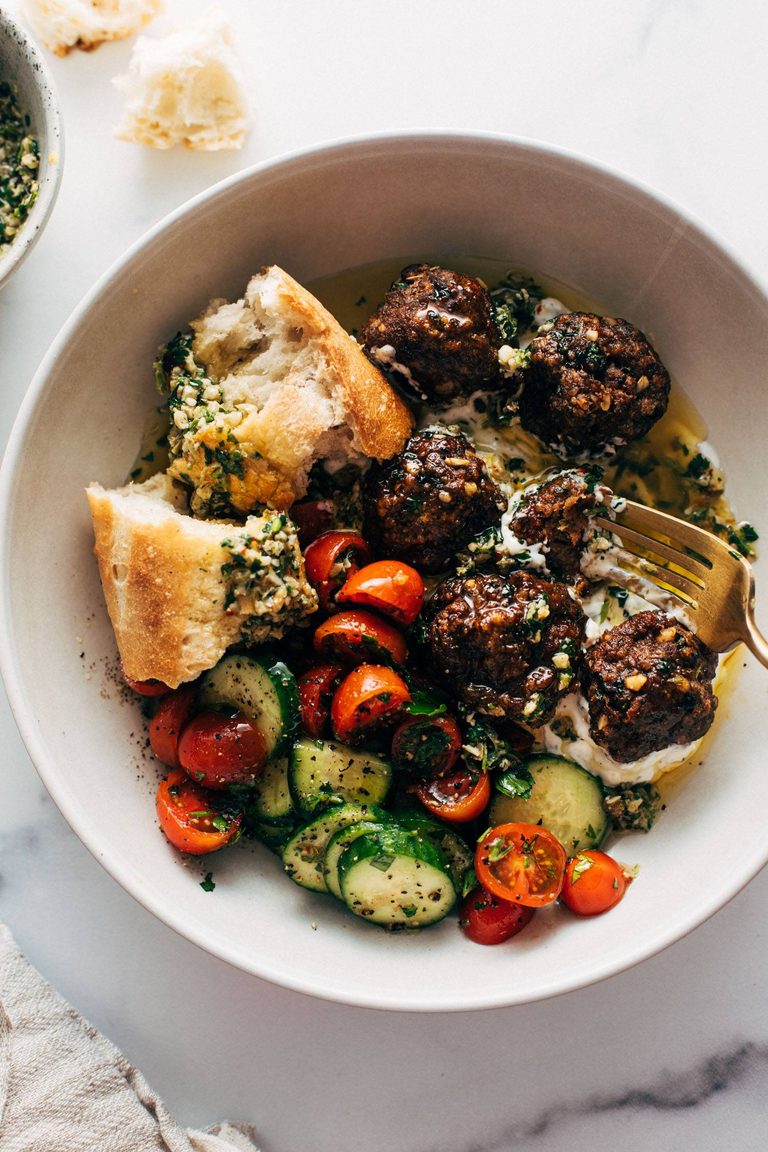
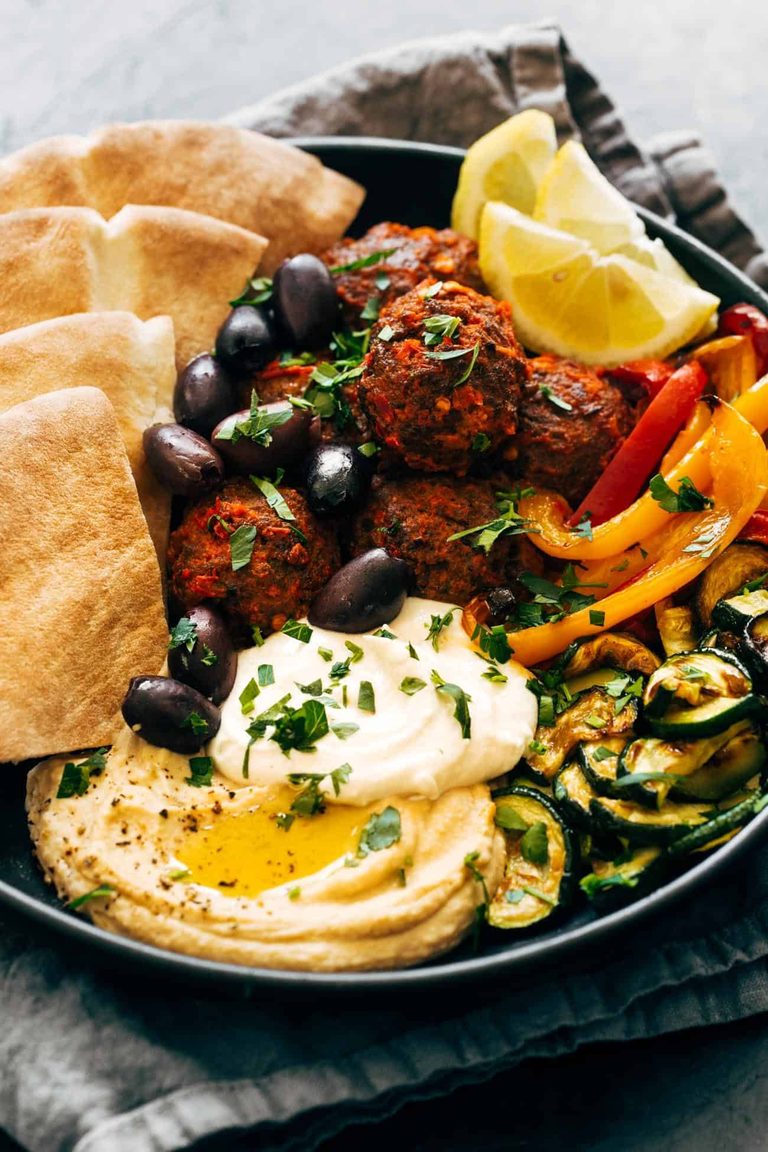
Meatballs, whether homemade or store-bought, offer another excellent base for sheet pan meals. Sheet Pan Meatballs with Tomato Salad and Green Sauce showcases how simple ingredients can be elevated with zesty sauces and fresh accompaniments. For a more adventurous palate, Harissa Meatballs with Whipped Feta introduces a delightful blend of spicy harissa and creamy feta, proving that global flavors are easily accessible through this method. These dishes often benefit from adding bell peppers, zucchini, or other quick-cooking vegetables that roast alongside the meatballs.
Seafood Sensations:
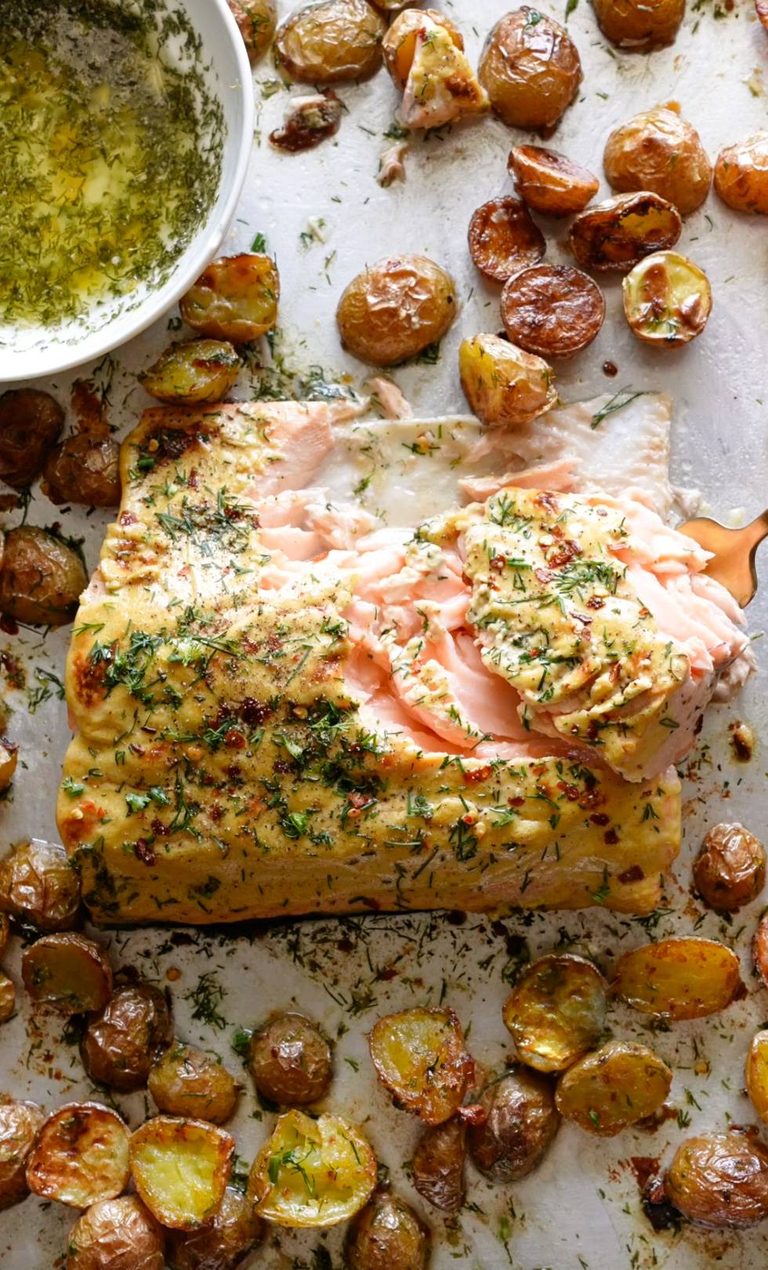
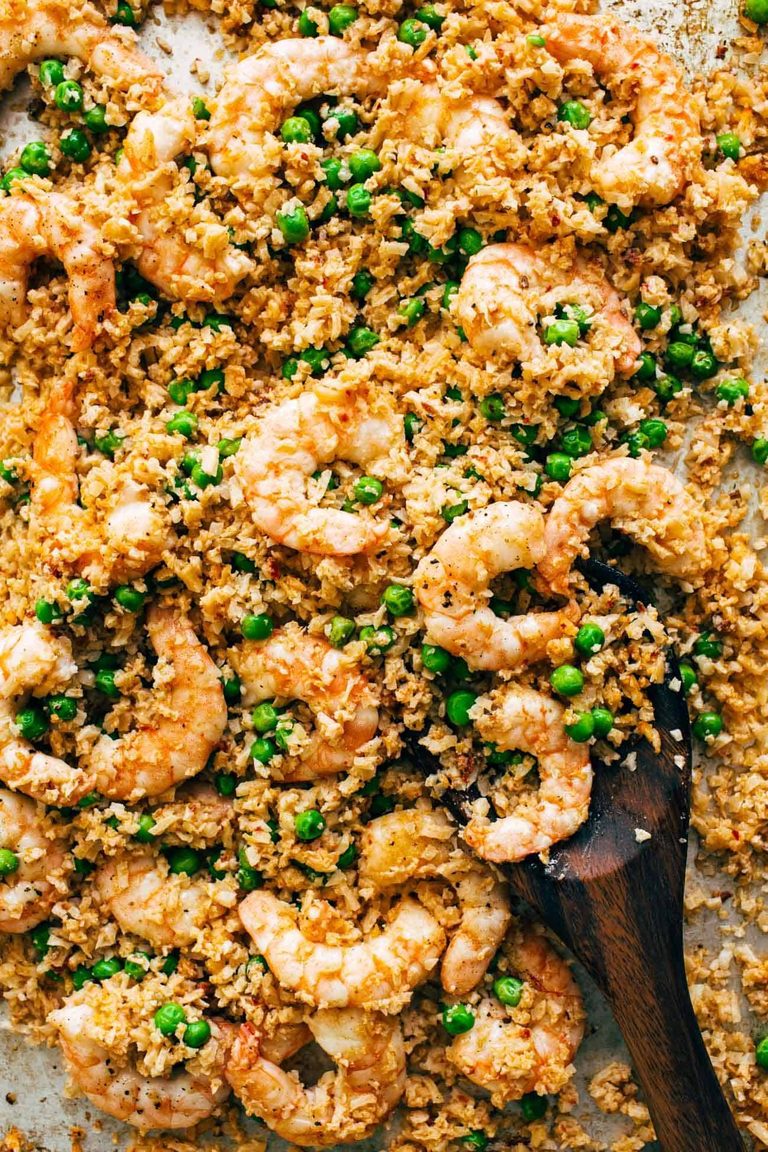
Seafood, known for its quick cooking times, is exceptionally well-suited for sheet pan preparation. Sheet Pan Salmon with Dill Potatoes is a family favorite, combining tender salmon with roasted potatoes and a fragrant garlic dill butter sauce. For a bistro-style experience, Baked Salmon with Amazing Lemon Sauce elevates the dish with crispy potatoes and broccoli, all drenched in a vibrant, "life-changing" lemon sauce. Meanwhile, Sheet Pan Shrimp and Cauli Rice offers a lighter, spring-inspired meal with peas and a Rosso pesto sauce, highlighting how diverse textures and flavors can coexist on one pan.
Vibrant Vegetarian and Vegan Options:
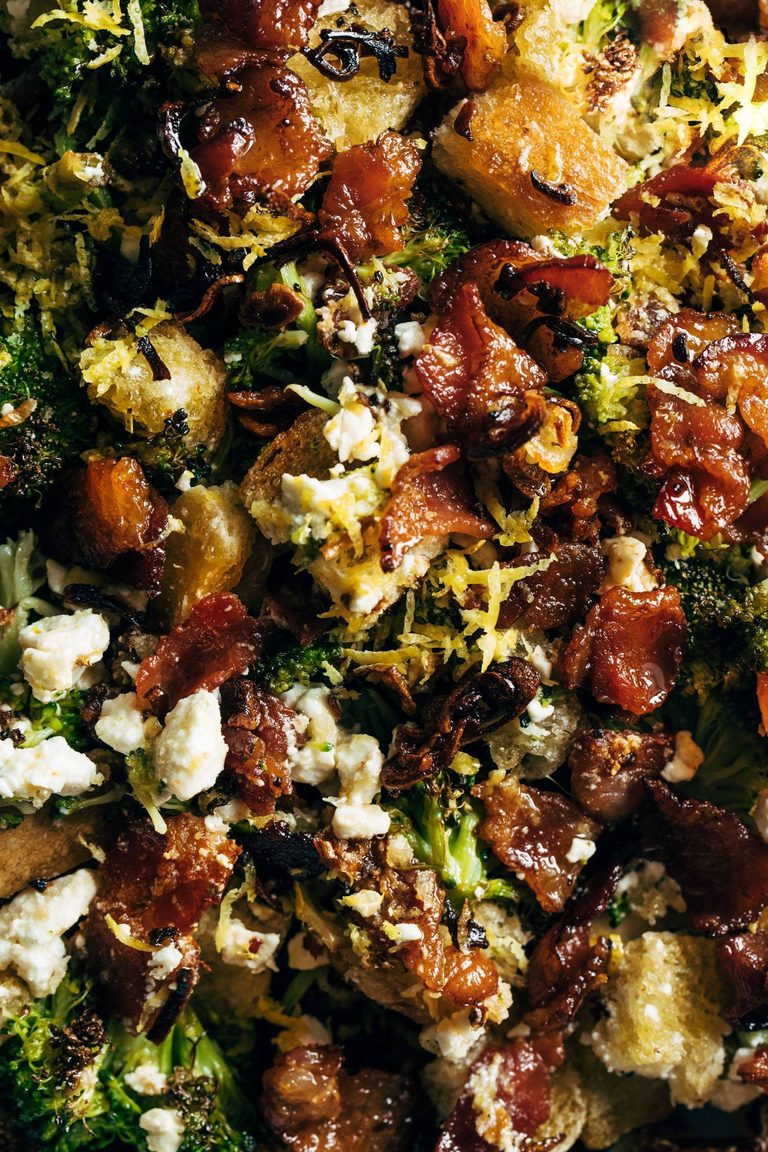
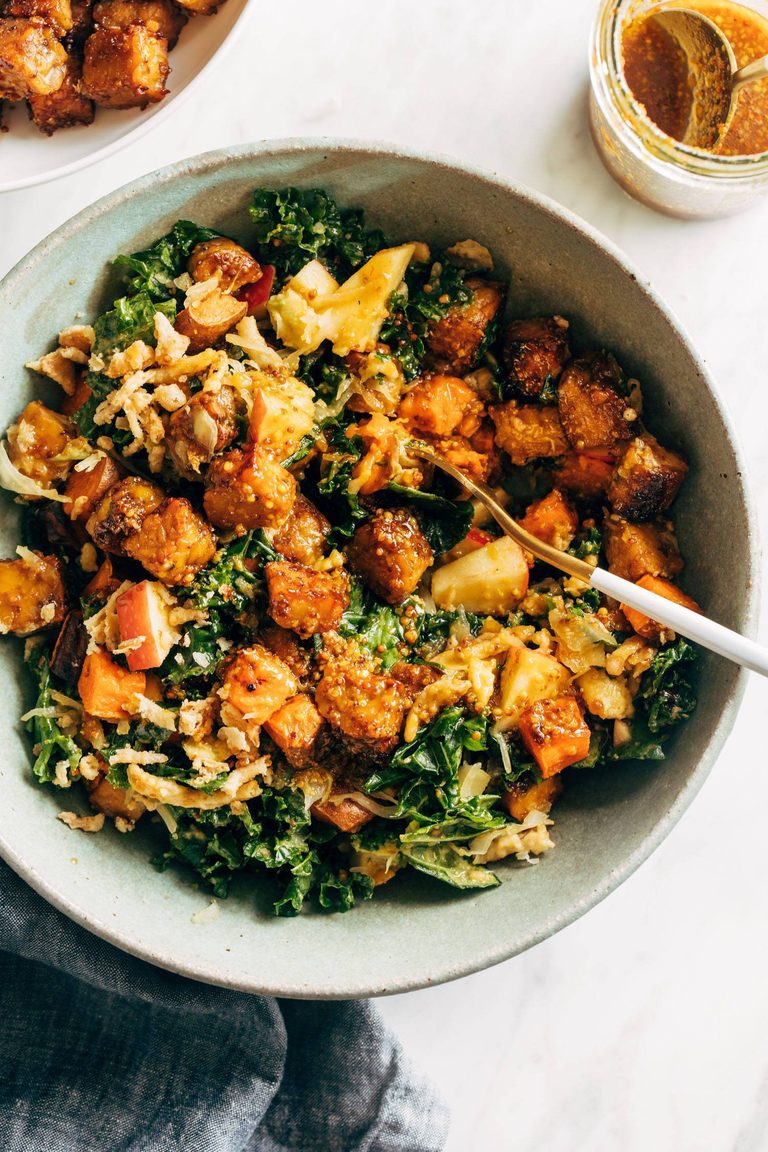
The sheet pan method is a boon for plant-based diets, making it simple to create satisfying and nutritious meatless meals. Liz’s Roasted Broccoli Salad transforms roasted broccoli with bacon (optional for vegetarians), lemon, and feta into a robust main dish. For a hearty, autumn-inspired meal, Fall Favorite Maple-Mustard Tempeh Bowls combine marinated tempeh with sweet potatoes, kale, and a surprising kick from sauerkraut. Creative meat substitutes shine in dishes like Cauliflower Walnut Vegetarian Taco Meat, which uses chipotle-spiced cauliflower and walnuts for a "meatless miracle," and Vegan Sheet Pan Fajitas with Chipotle Queso, featuring roasted portobello mushrooms, peppers, and onions, crowned with a rich cashew queso. Roasted Vegetable Bowls with Green Tahini offer a simple yet elegant compilation of crispy roasted vegetables drizzled with a fresh tahini sauce, showcasing the inherent goodness of produce.
Beyond Dinner: Sheet Pan Breakfasts and Global Twists:
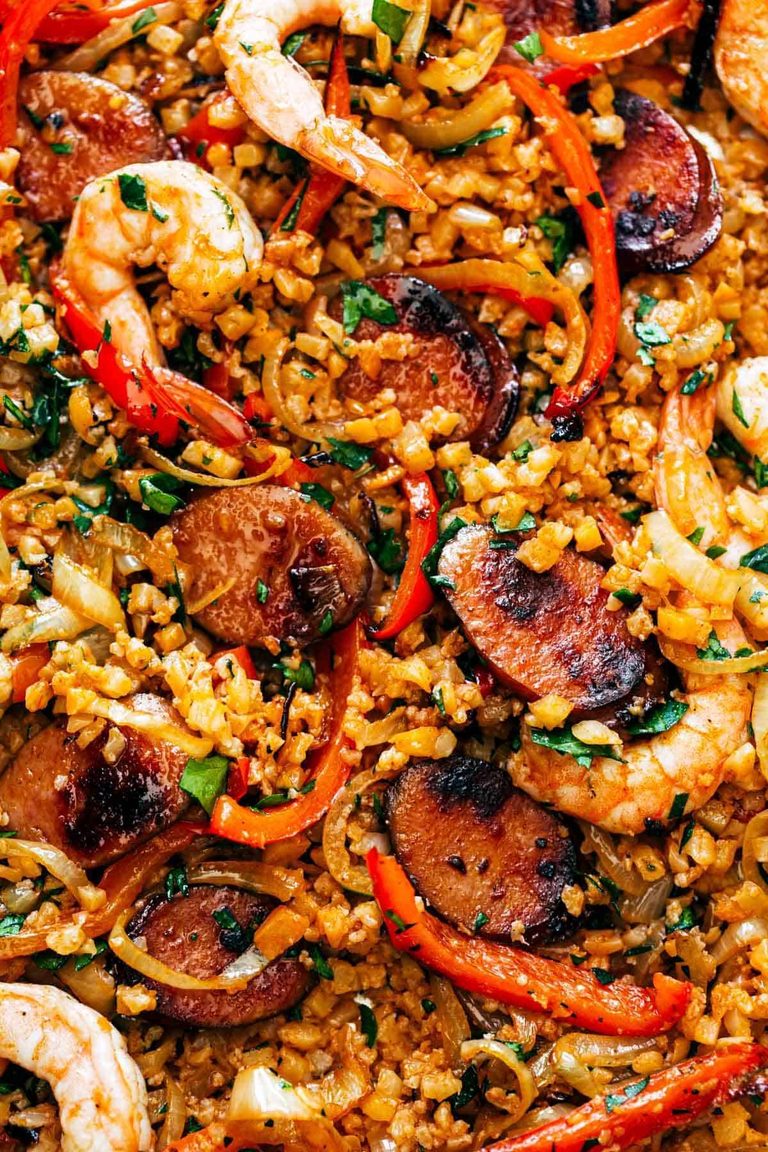
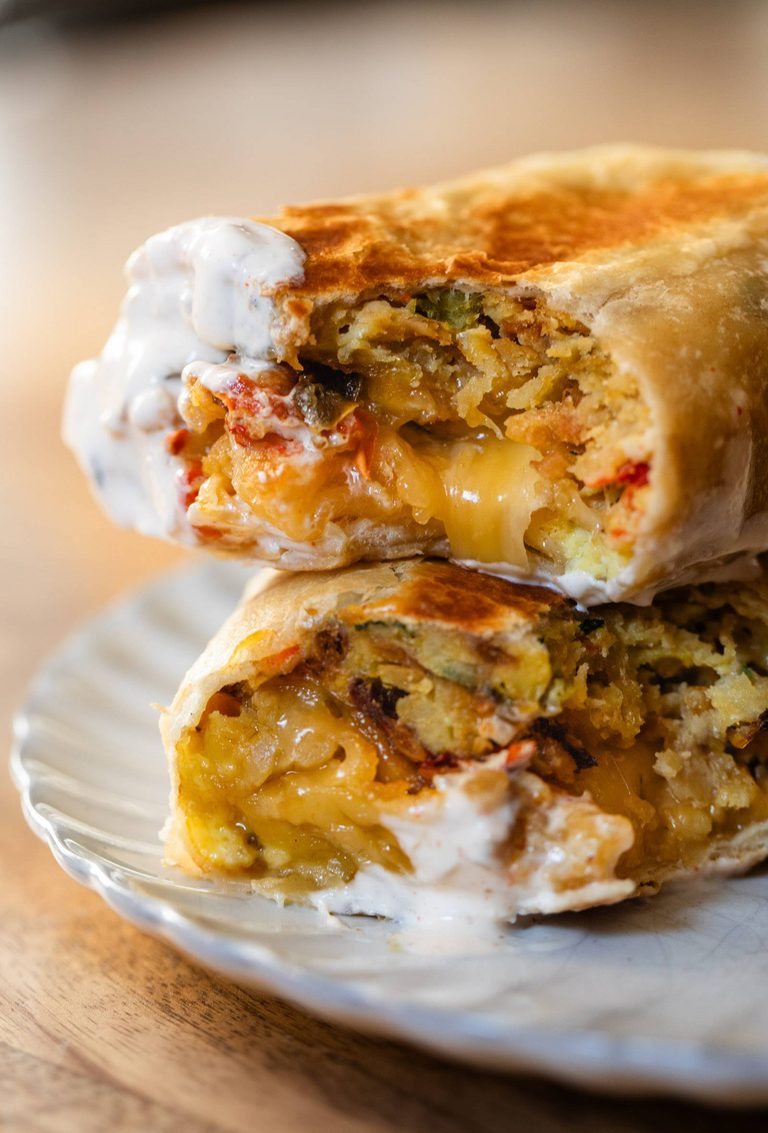
The versatility of the sheet pan extends beyond the evening meal. Sheet Pan Breakfast Burritos with Creamy Chipotle Sauce exemplify how eggs, roasted vegetables, cheese, and beans can be efficiently cooked and assembled for a satisfying breakfast or brunch. For those craving international flavors, Sheet Pan Jambalaya ingeniously adapts the classic Creole dish, roasting sausage, peppers, onions, shrimp, and cauliflower rice for a big-flavor, easy-cleanup rendition. Even complex-sounding dishes like Roasted Tomato Puttanesca can be simplified, offering silky, briney, and zippy summer freshness with minimal effort.
The Importance of Quality Equipment
The foundation of any successful sheet pan dinner lies in the quality of the sheet pan itself. A good sheet pan ensures even cooking, prevents sticking, and withstands repeated use without warping. While various materials exist, aluminum is highly favored for its excellent heat conductivity, allowing food to brown evenly.
My top recommendation, consistently relied upon by home cooks and professionals, remains the Nordic Ware Sheet Pans. Available in multiple sizes – the half sheet, full sheet, and quarter sheet – these pans are celebrated for their durability, ability to maintain shape under high heat, and non-stick properties (especially when lined with parchment paper). Investing in a few high-quality sheet pans is a small initial cost that yields significant long-term benefits in terms of cooking efficiency and meal quality. Proper care, including handwashing and avoiding abrasive cleaners, extends their lifespan, ensuring they remain reliable tools in the busy modern kitchen.
In conclusion, the sheet pan dinner is far more than a fleeting culinary trend; it is a testament to the evolving demands of modern life and the enduring human desire for nourishing, delicious, and effortlessly prepared meals. By embracing this straightforward yet incredibly versatile cooking method, individuals and families can reclaim precious time, enhance their nutritional intake, and discover a world of culinary possibilities, all from the humble convenience of a single sheet pan.