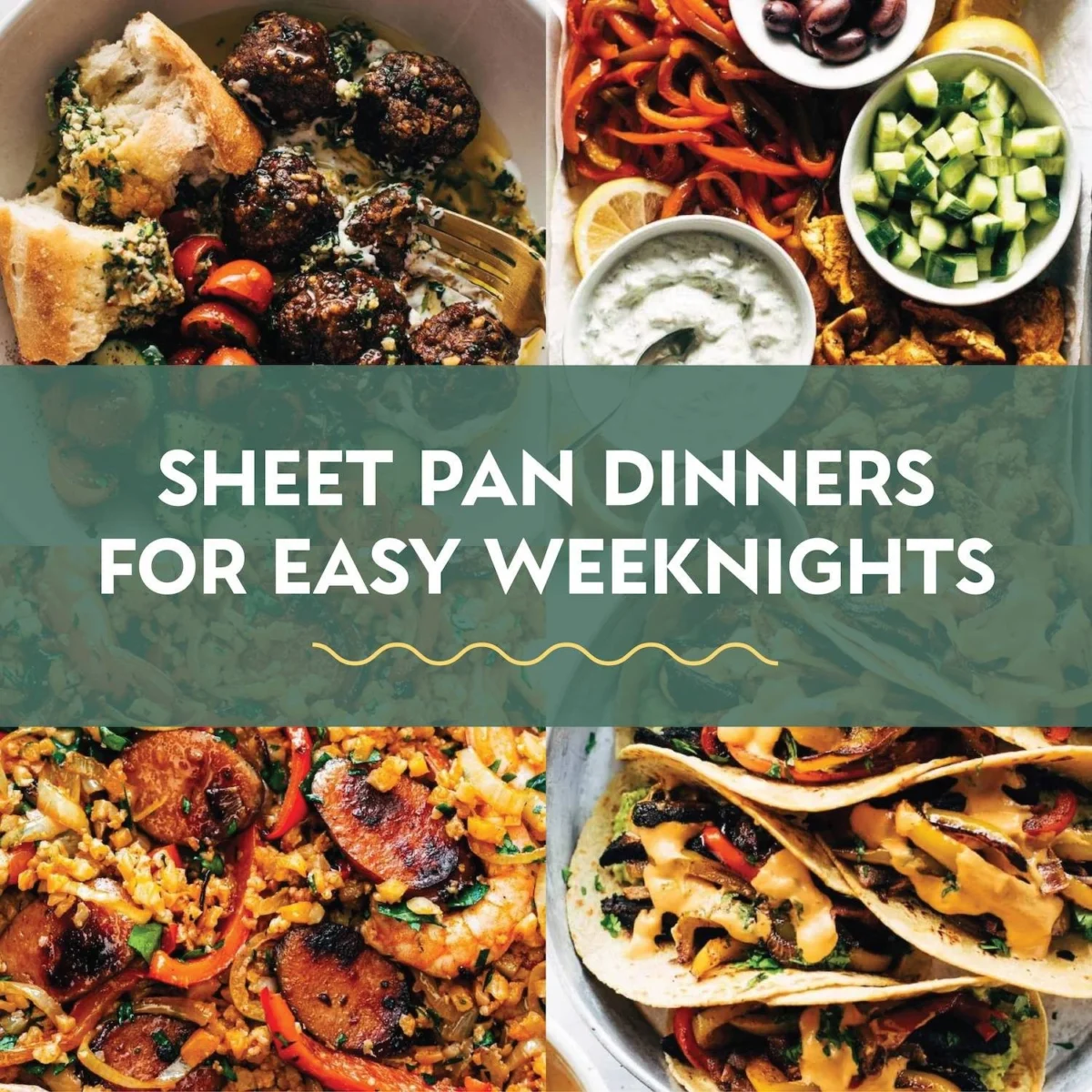

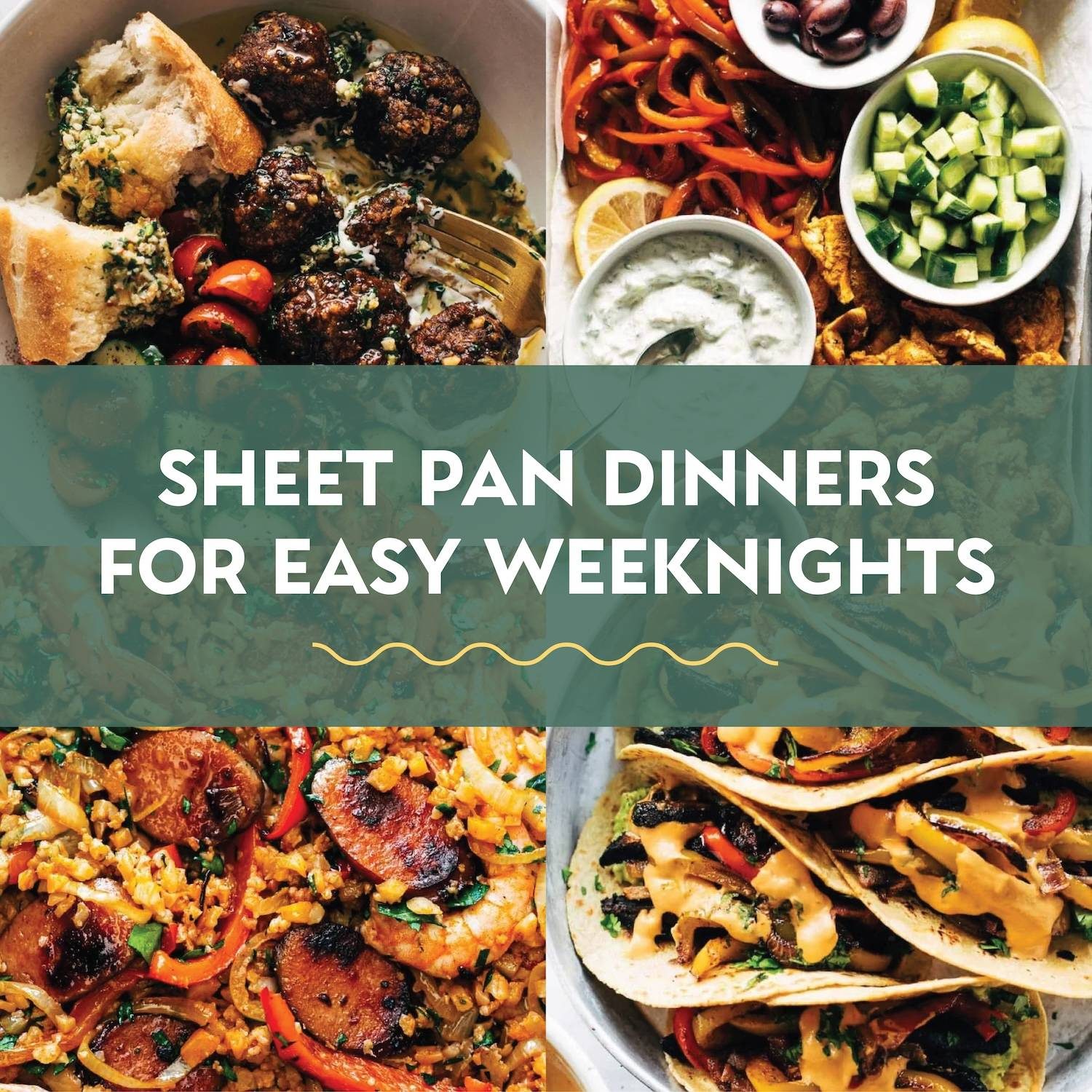
Sheet pan dinners have emerged as a definitive culinary trend, offering a practical and efficient solution to the perennial challenge of weeknight meal preparation. This cooking method, which involves roasting an entire meal—protein, vegetables, and sometimes starches—on a single baking sheet, has garnered significant popularity among home cooks seeking to minimize prep time, reduce cleanup, and deliver flavorful, wholesome meals. Its appeal lies in its simplicity, adaptability, and the unique flavor profiles achieved through oven roasting, making it an indispensable technique in contemporary kitchens.
The Evolution of Home Cooking and the Demand for Efficiency
The increasing pace of modern life, characterized by demanding work schedules, longer commutes, and a greater emphasis on convenience, has profoundly reshaped eating habits. Traditional multi-pot cooking, often requiring extensive hands-on time and subsequent cleanup, has become less feasible for many households. This shift has fueled a robust demand for quicker, less labor-intensive meal solutions. While convenience foods and takeout options have filled some of this void, there remains a strong desire among consumers for homemade meals that offer better nutritional control and often, superior taste.
It is within this context that the sheet pan dinner has flourished. Its rise is not merely a fad but a response to fundamental lifestyle changes. Culinary experts observe that the method aligns perfectly with the current emphasis on efficiency without compromising on quality or health. For instance, data from market research firms consistently indicate a rising interest in "one-pan" or "one-pot" recipes, reflecting a broader consumer movement towards simplified cooking. Publications like The New York Times and Bon Appétit have increasingly featured sheet pan recipes, signaling their mainstream acceptance and integration into popular culinary discourse.
Culinary Science: The Magic of Maillard and Caramelization
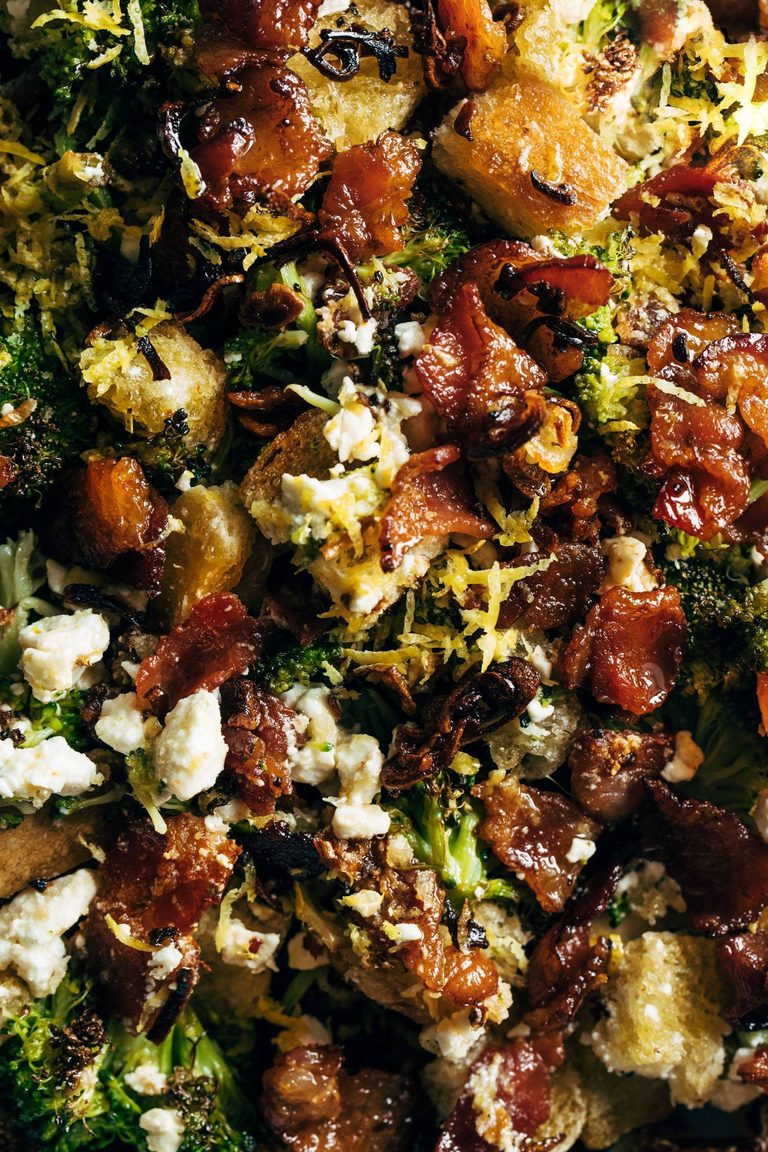
Beyond mere convenience, sheet pan cooking offers distinct culinary advantages rooted in basic food science. Roasting at high temperatures in an oven initiates the Maillard reaction, a complex chemical process that transforms sugars and amino acids, creating hundreds of new flavor compounds and contributing to the desirable browning and savory crust on proteins and vegetables. Simultaneously, sugars in vegetables caramelize, imparting a sweet, nutty depth that is difficult to achieve through other cooking methods.
When ingredients share a sheet pan, their juices and flavors intermingle, creating a cohesive and deeply flavored dish. For example, roasting chicken alongside root vegetables allows the chicken fat and seasonings to baste the vegetables, enriching their taste. This communal cooking environment ensures that all components develop complementary flavors, resulting in a more harmonious dish than if each element were cooked separately. The dry heat of the oven also promotes crisping, particularly beneficial for ingredients like broccoli, potatoes, or various proteins, adding textural complexity that elevates the dining experience.
Nutritional and Health Benefits: A Balanced Approach
Sheet pan dinners inherently lend themselves to balanced nutrition. The format encourages the combination of a lean protein (chicken, fish, meatballs, tempeh), a variety of non-starchy vegetables (broccoli, bell peppers, zucchini, asparagus), and often a complex carbohydrate (sweet potatoes, regular potatoes). This diverse assembly ensures a broad spectrum of macronutrients and micronutrients in a single serving.
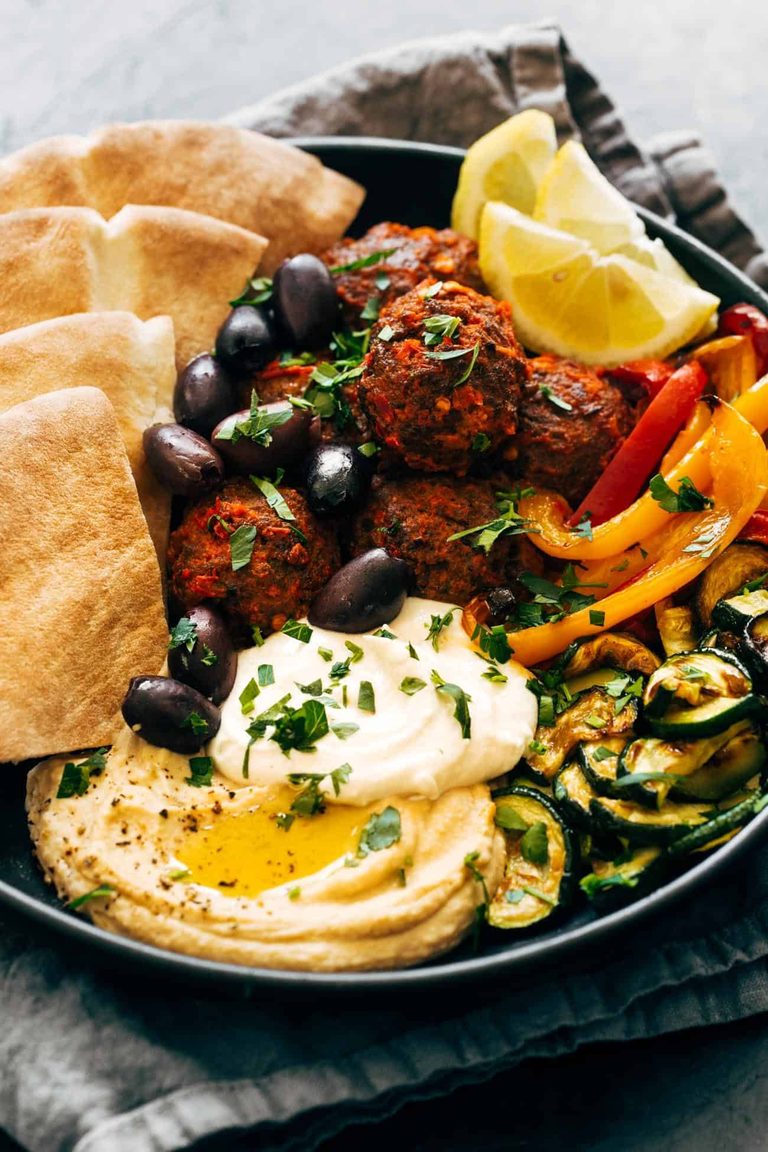
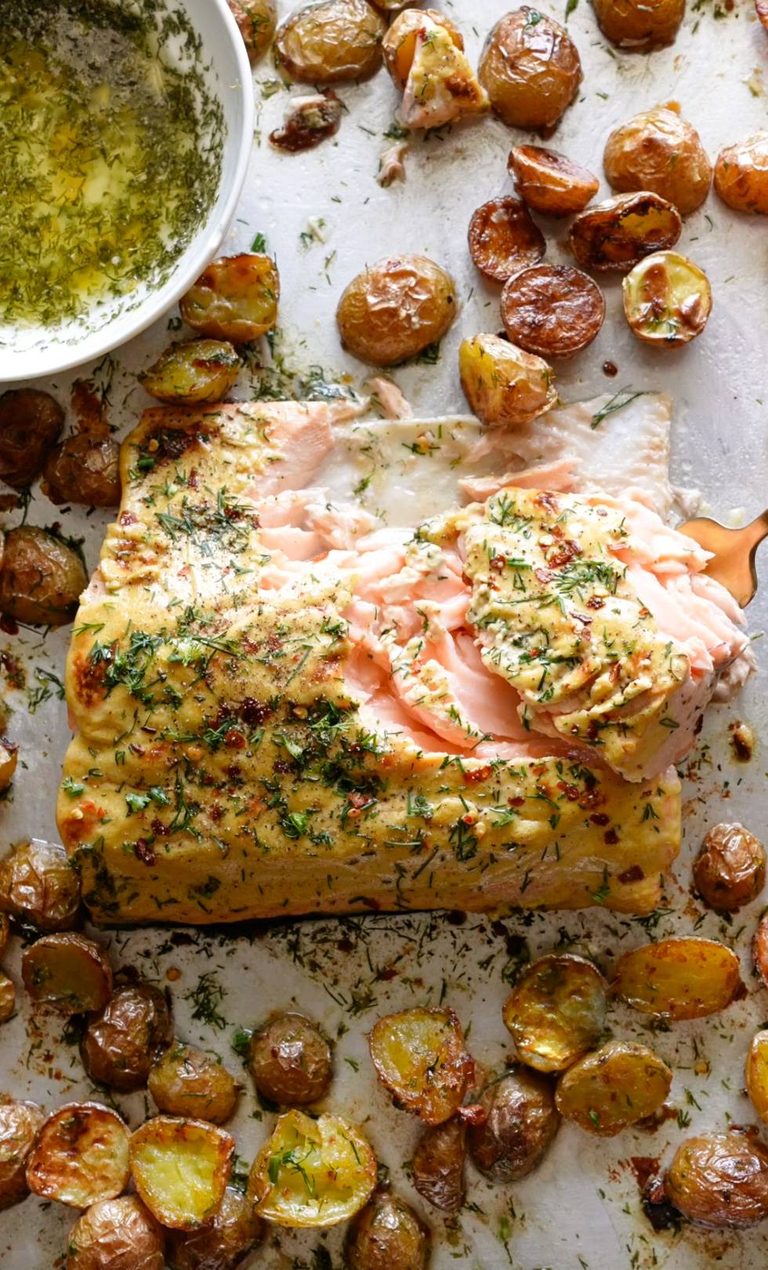
Nutritionists frequently advocate for meals rich in vegetables, and sheet pan cooking makes this goal easily attainable. The large surface area of a sheet pan allows for a generous quantity of vegetables to be roasted alongside proteins, often becoming the star of the dish. For busy individuals or families aiming to increase their vegetable intake without elaborate meal planning, sheet pan recipes provide a straightforward pathway. Furthermore, the ability to control oil and seasoning allows for healthier fat choices and reduced sodium intake compared to many pre-packaged or restaurant meals. Many recipes, such as "Sheet Pan Salmon with Dill Potatoes" or "Roasted Vegetable Bowls with Green Tahini," exemplify how this method can deliver nutrient-dense, satisfying meals.
Economic and Environmental Implications
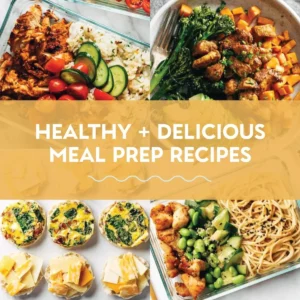
From an economic standpoint, sheet pan dinners are often budget-friendly. They typically utilize common, affordable ingredients and allow for bulk purchasing of produce and proteins. The simplicity of the method reduces the need for specialized kitchen gadgets, further lowering household culinary expenses. For families engaged in meal prepping, large-batch sheet pan cooking (like "Sheet Pan Chicken and Sweet Potato Meal Prep") can yield multiple meals for the week, translating into significant savings on groceries and reducing reliance on more expensive takeout options.
Environmentally, sheet pan cooking can contribute to reduced food waste. By consolidating ingredients onto a single pan, cooks are more likely to utilize all components, minimizing leftover scraps from individual preparations. The minimal equipment required also means less water and energy consumed for dishwashing. The use of a single pan reduces the energy footprint associated with operating multiple burners and ovens simultaneously, subtly contributing to more sustainable kitchen practices.
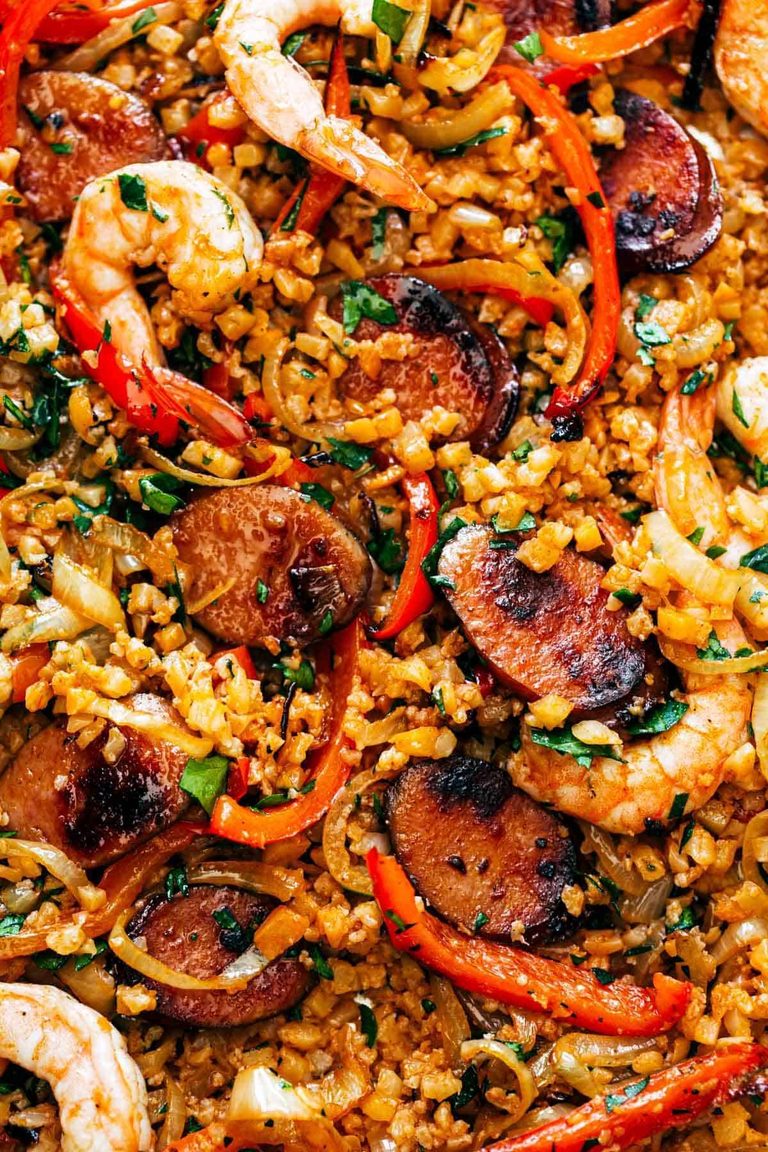
Versatility and Culinary Adaptations
The true genius of the sheet pan dinner lies in its boundless versatility. Virtually any cuisine can be adapted to this method, making it a truly global culinary phenomenon.
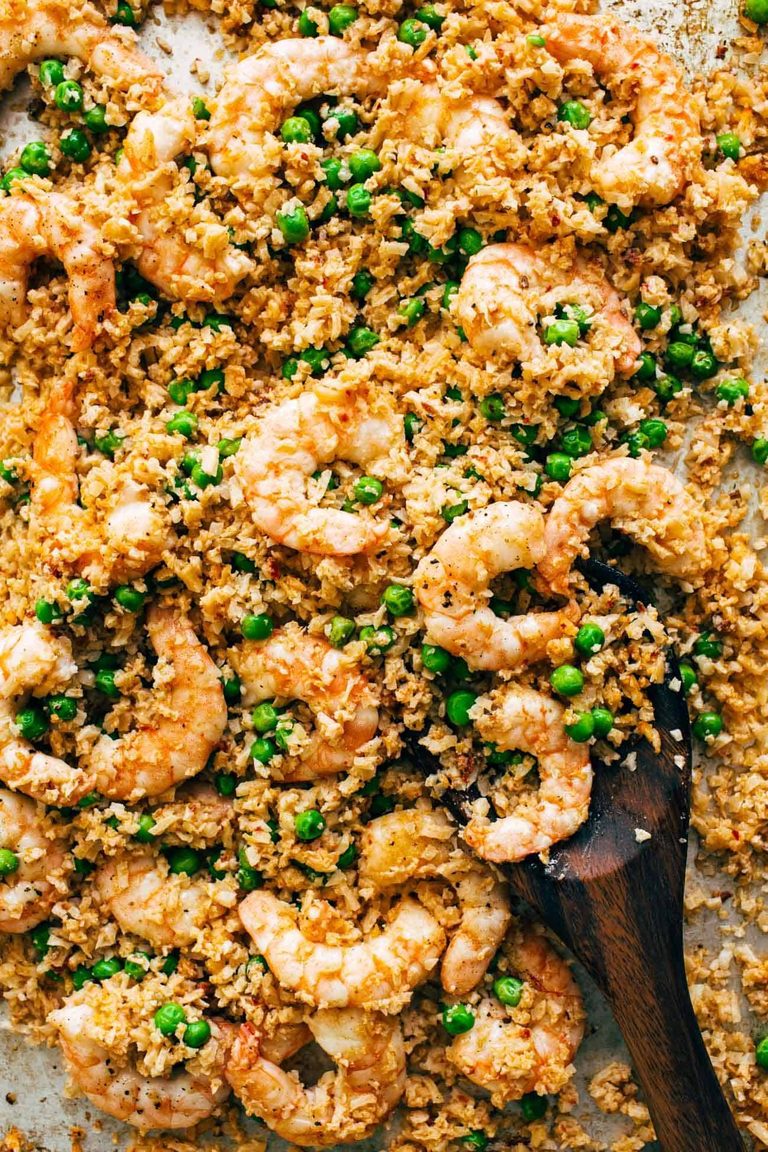
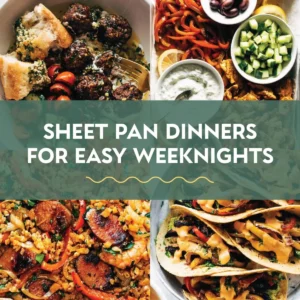
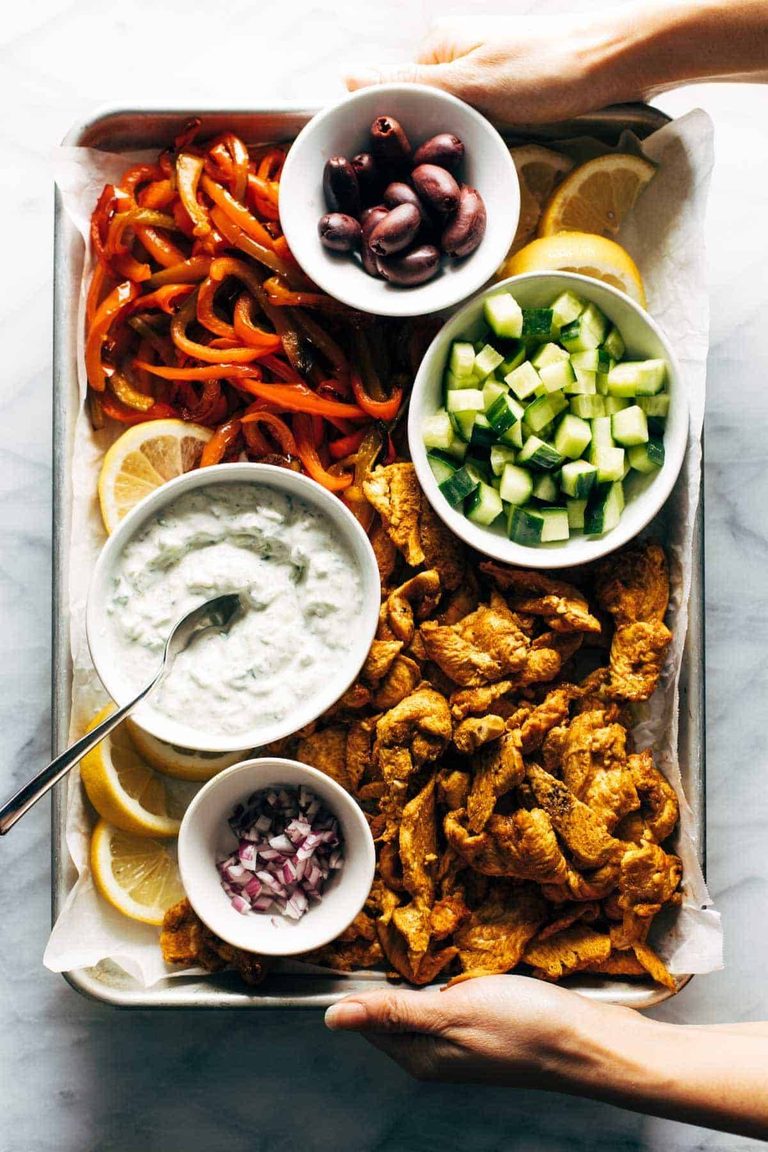
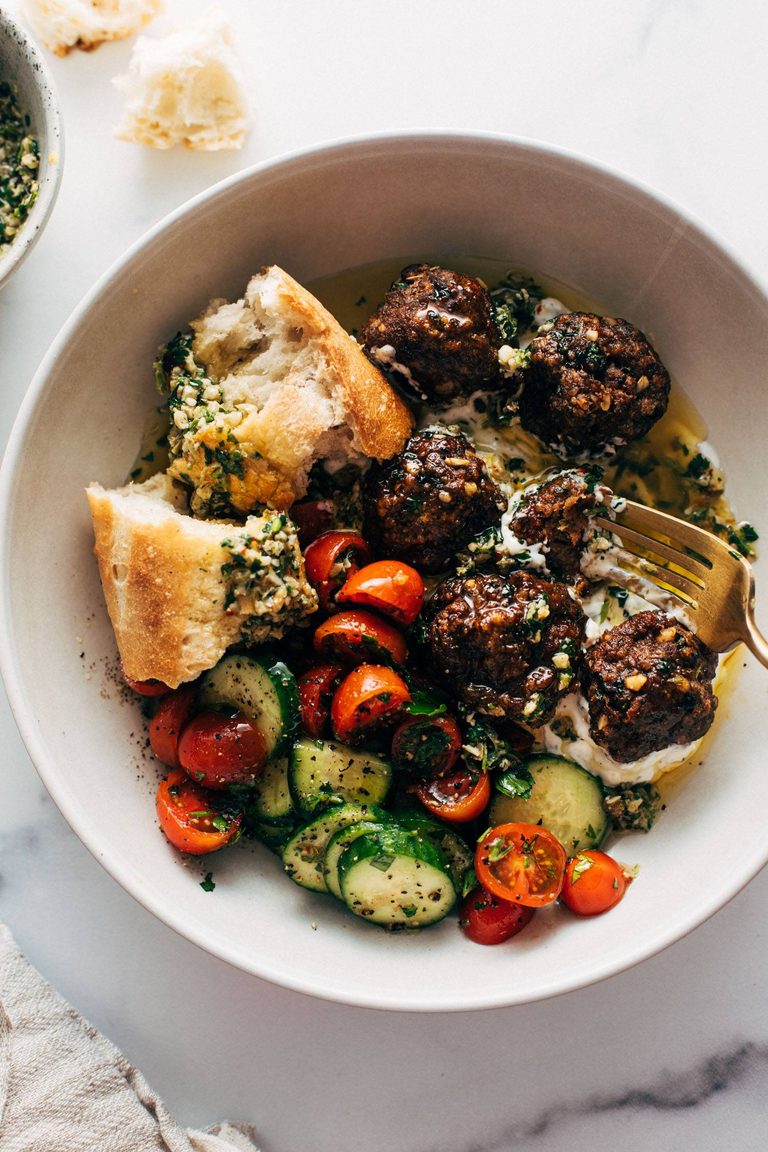
- Mediterranean Flavors: Dishes like "Sheet Pan Chicken Pitas with Tzatziki" or "Sheet Pan Meatballs with Tomato Salad and Green Sauce" highlight the vibrant flavors of the Mediterranean, combining seasoned meats with fresh vegetables and bright sauces.
- Asian Inspirations: Recipes such as "Sheet Pan Garlic Ginger Chicken & Broccoli" demonstrate how aromatic spices and sauces can transform simple ingredients into an exotic meal.
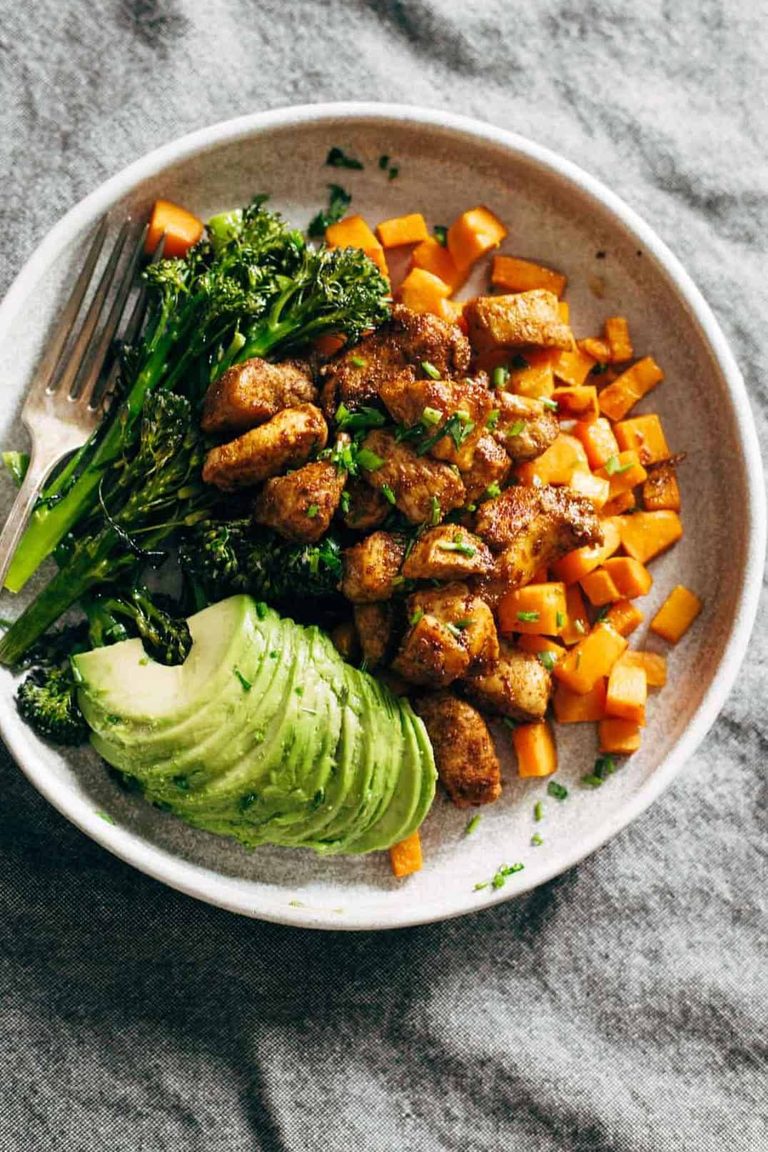
- Hearty American Comfort: Classic combinations like "Sheet Pan Chicken and Sweet Potato Meal Prep" offer wholesome, familiar flavors that resonate with a wide audience.
- Seafood Delights: Delicate proteins like salmon shine in "Sheet Pan Salmon with Dill Potatoes" or "Baked Salmon with Amazing Lemon Sauce," cooking perfectly alongside complementary vegetables.
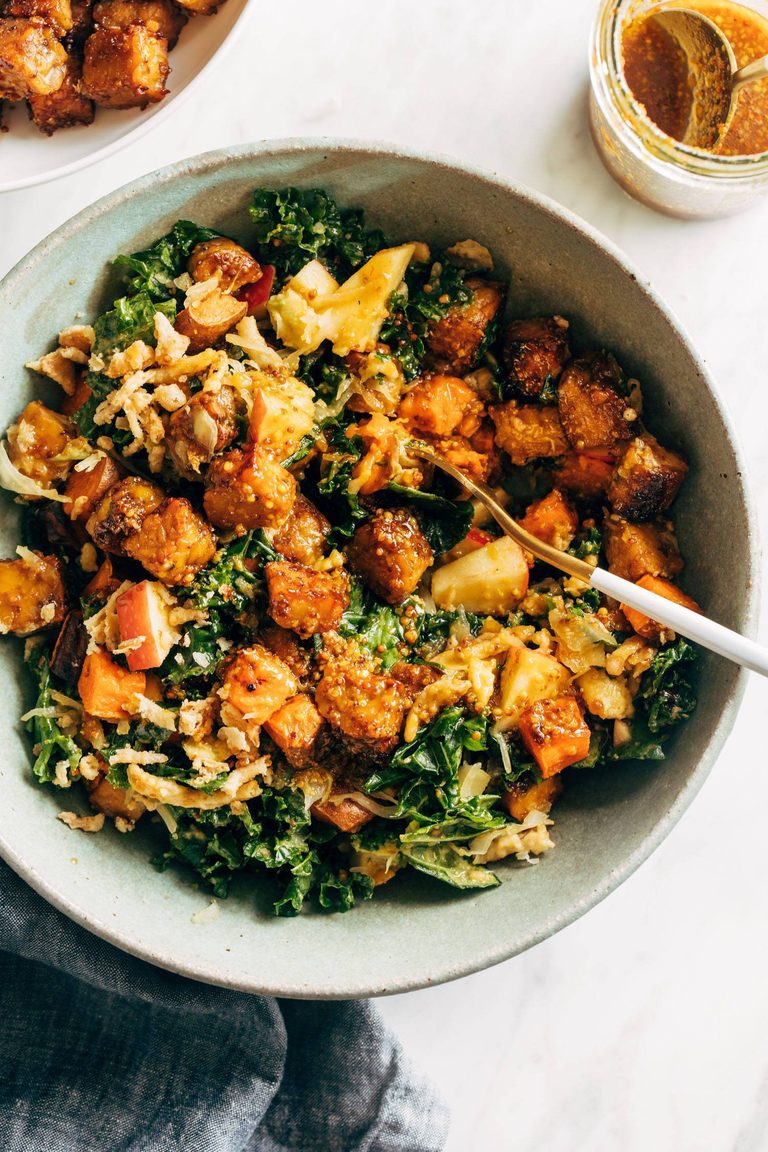
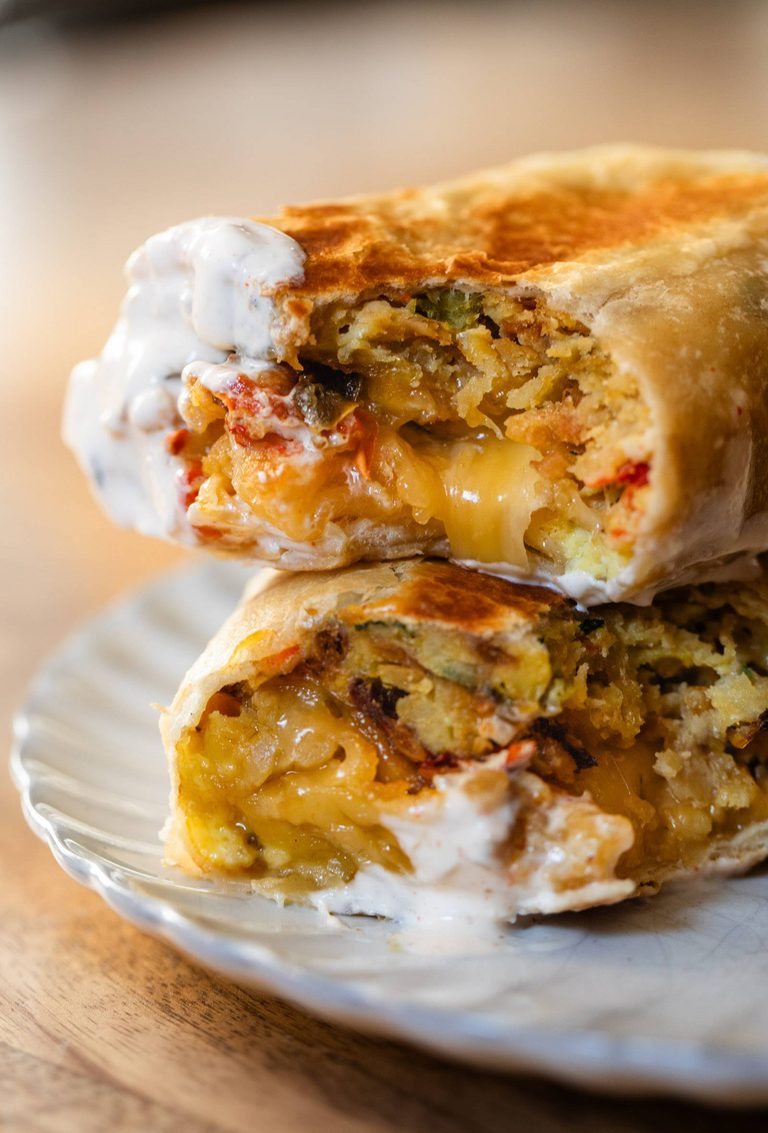
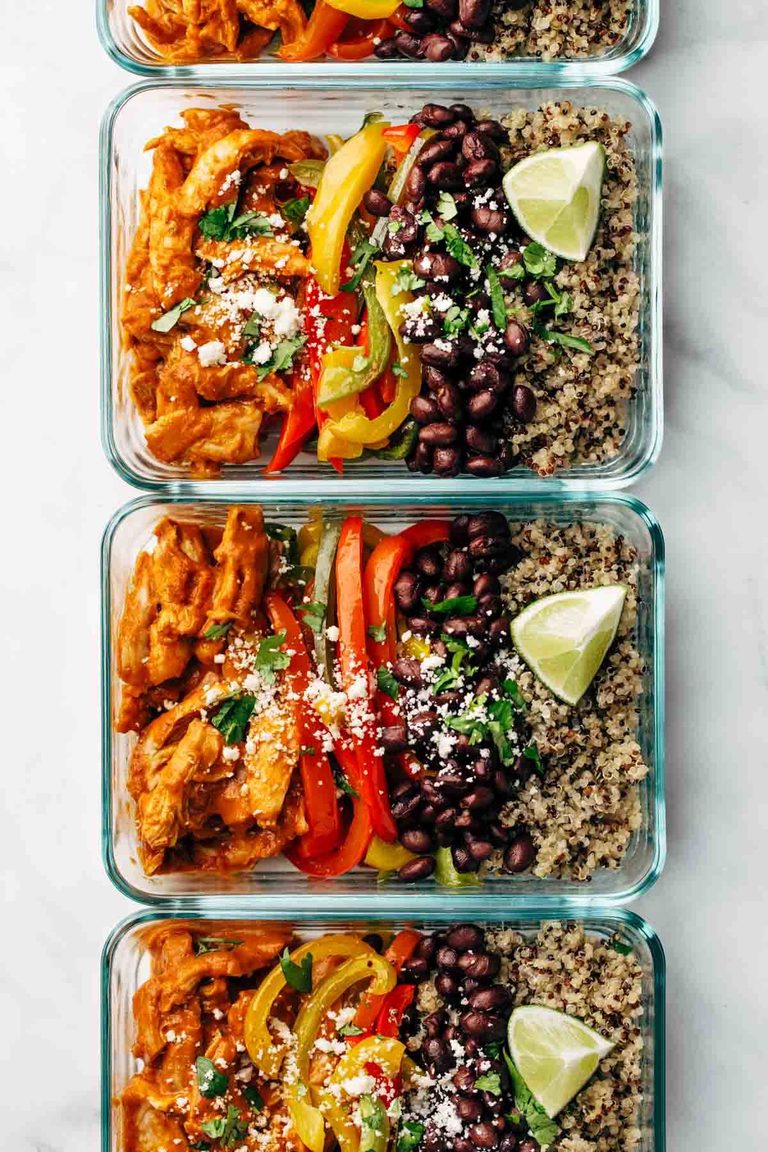
- Plant-Based Innovations: The sheet pan method is equally effective for vegetarian and vegan diets. "Fall Favorite Maple-Mustard Tempeh Bowls," "Cauliflower Walnut Vegetarian Taco Meat," and "Vegan Sheet Pan Fajitas with Chipotle Queso" showcase how plant-based proteins and vegetables can achieve incredible depth of flavor and texture through roasting, making meatless Mondays effortless and delicious. Even breakfast gets a sheet pan makeover with "Sheet Pan Breakfast Burritos with Creamy Chipotle Sauce," illustrating the method’s broad applicability.
This adaptability extends to various dietary needs, from gluten-free to low-carb, simply by selecting appropriate ingredients. The ability to customize ingredients based on seasonal availability or personal preference further enhances its appeal, ensuring that sheet pan dinners remain fresh and exciting.
The Role of Quality Equipment
While the concept of sheet pan cooking is simple, the efficacy of the method is significantly enhanced by using quality equipment. As emphasized by culinary enthusiasts, a good sheet pan is fundamental. A robust, heavy-gauge aluminum pan that resists warping and promotes even heat distribution is crucial for consistent results. Such pans ensure that ingredients cook uniformly, preventing hot spots that can lead to burning or undercooking. Furthermore, a non-stick or easily cleanable surface is paramount to fulfilling the promise of "minimal cleanup." Brands like Nordic Ware are frequently cited for their durability and performance, becoming a trusted tool in the arsenal of sheet pan aficionados. Investing in a good set of sheet pans in various sizes (half, full, and quarter sheets) allows for greater flexibility in portion control and ingredient segregation when necessary.
Challenges and Best Practices
Despite its advantages, achieving optimal results with sheet pan dinners requires attention to a few key principles. Overcrowding the pan is a common pitfall, as it can lead to steaming rather than roasting, preventing the desired browning and crisping. Ensuring ingredients are spread in a single layer with sufficient space is critical. Similarly, understanding the varying cooking times of different ingredients is essential. Denser vegetables like potatoes and carrots require longer cooking times than softer vegetables like bell peppers or zucchini, necessitating staggered additions to the pan or cutting denser items into smaller pieces. Preheating the sheet pan before adding ingredients can also create a better sear and prevent sticking.
Expert Perspectives on a Enduring Trend
"Sheet pan cooking isn’t just a trend; it’s a fundamental shift in how people approach weeknight meals," states Dr. Evelyn Reed, a prominent food sociologist. "It addresses the core challenges of time scarcity and the desire for wholesome food, making it an enduring fixture in modern culinary practice." Chefs and home cooks alike echo this sentiment, praising the method for its ability to produce restaurant-quality flavors with minimal fuss. The simplicity makes it accessible to novice cooks, while the potential for flavor layering and customization appeals to experienced culinarians.
The Future Outlook
The trajectory of sheet pan dinners suggests a lasting presence in home cooking. Its alignment with convenience, health, and flavor makes it a resilient solution in a constantly evolving culinary landscape. As food trends continue to emphasize simplicity, plant-forward eating, and sustainable practices, the sheet pan dinner is poised to adapt and innovate further. We may see more specialized sheet pan meal kits, advanced sheet pan designs, and an even broader array of international flavors incorporated into this accessible cooking style.
In conclusion, sheet pan dinners represent more than just a collection of recipes; they embody a smart, efficient approach to eating well in a busy world. By leveraging the power of oven roasting and the inherent versatility of a simple baking sheet, this method has transformed weeknight cooking from a chore into a delightful and manageable endeavor, solidifying its place as a cornerstone of modern domestic gastronomy.