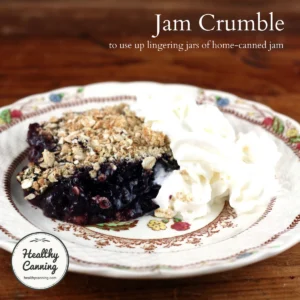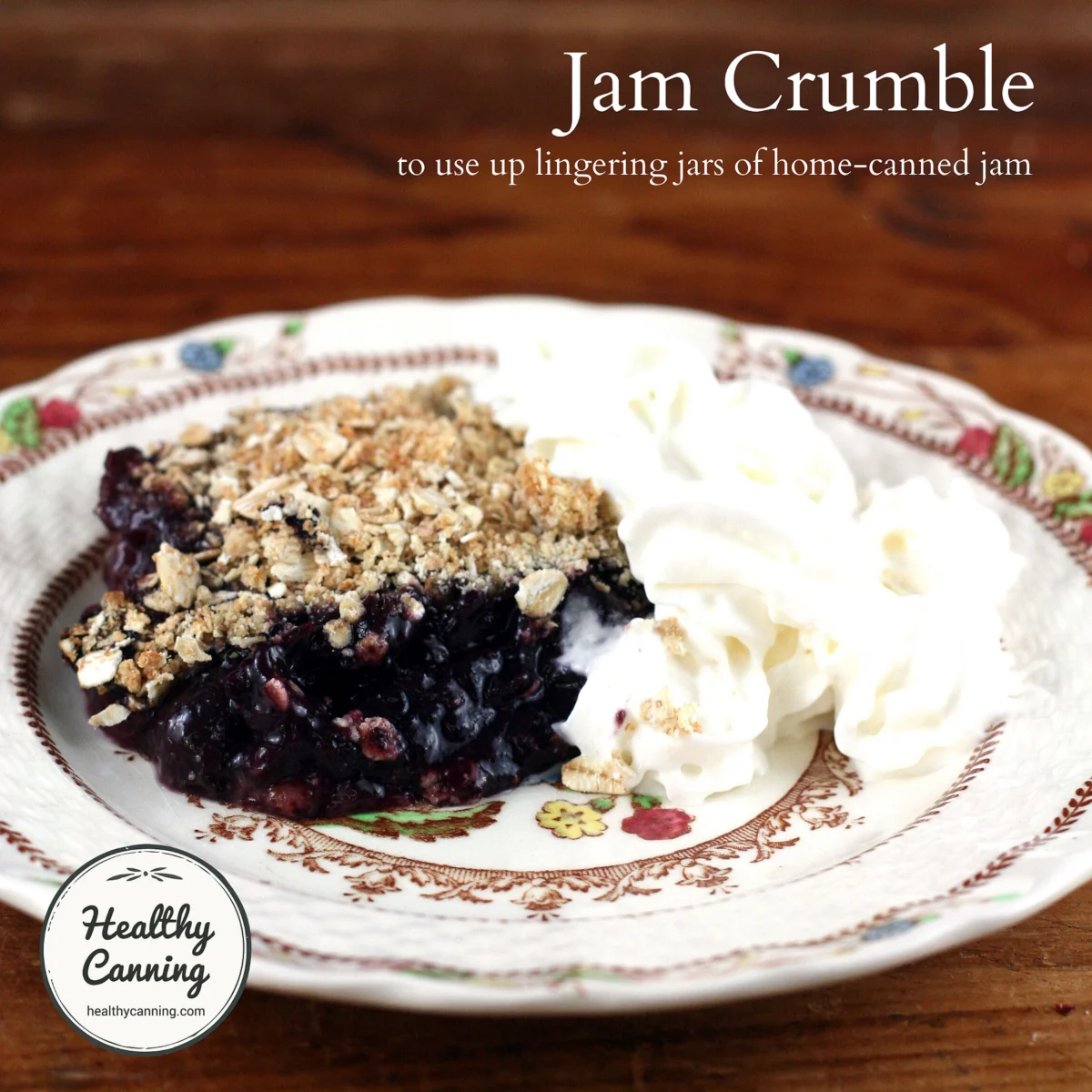

The modern culinary landscape is witnessing a significant shift toward "pantry-to-table" sustainability, as domestic cooks increasingly seek methods to mitigate food waste and maximize the utility of home-preserved goods. Central to this movement is the repurposing of surplus preserves—specifically jams and jellies—which often accumulate on pantry shelves following bountiful harvest seasons. Culinary experts and food preservation advocates are highlighting the "Jam Crumble" as a primary example of an efficient, low-impact dessert that utilizes existing inventory to create high-value nutritional output. By transforming aging jars of preserves into sophisticated desserts, households are not only reducing their carbon footprint but also engaging in a tradition of resourcefulness that dates back to mid-century rationing.
Technical Specifications and Culinary Framework
The production of a jam crumble is characterized by its technical simplicity and its reliance on thermodynamic efficiency. According to standardized culinary protocols, the dish requires a consistent oven temperature of 175°C (350°F). This temperature is critical as it allows the sugars within the jam to undergo a controlled caramelization process without burning, while simultaneously ensuring the topping reaches a structural crispness.
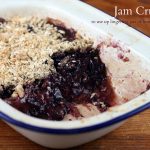
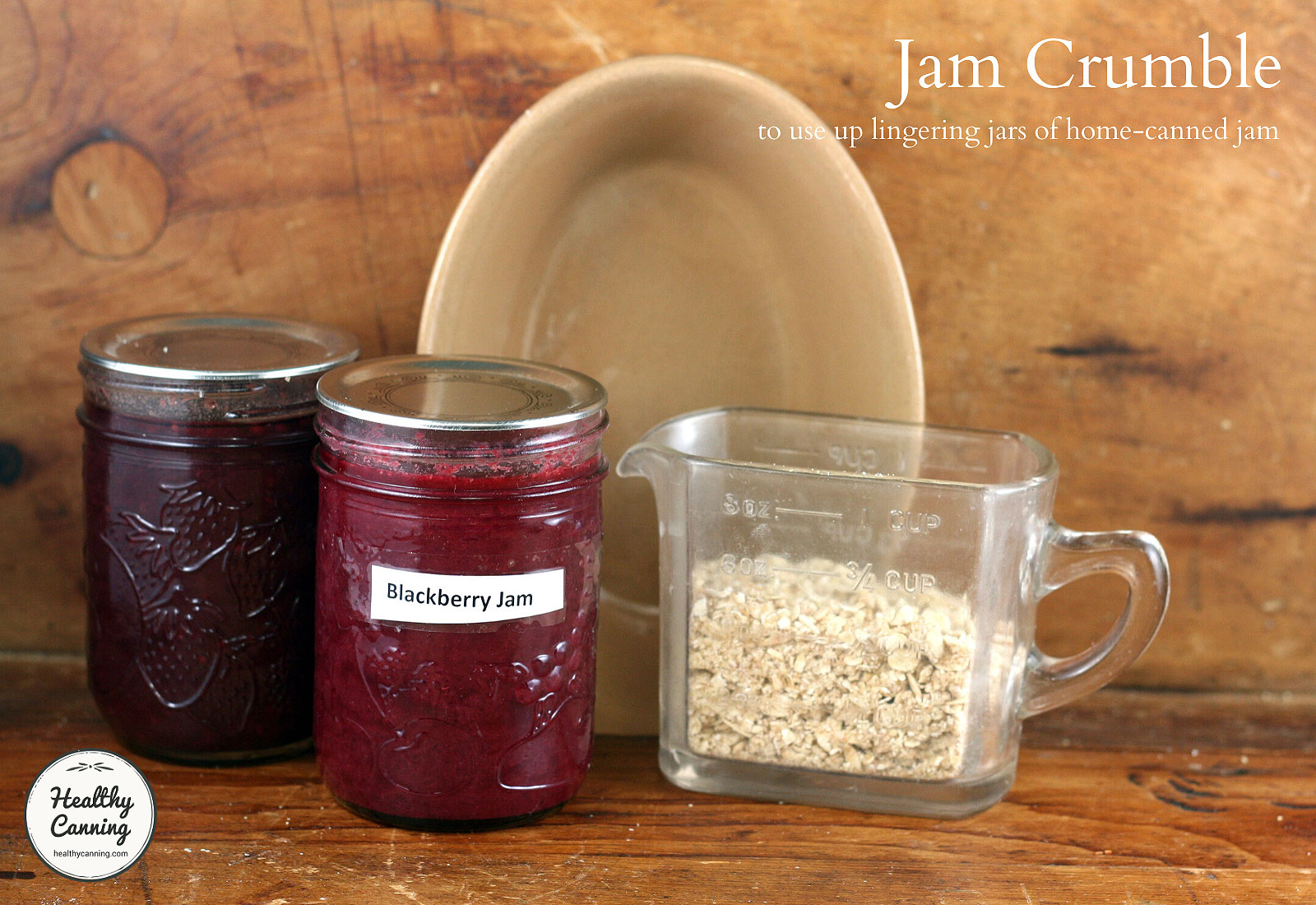
The standard yield for a primary batch is approximately two cups, designed to serve six individuals. The preparation phase is remarkably brief, typically requiring only ten minutes of active labor, followed by a 35-minute baking duration. The core of the recipe involves the utilization of approximately 500 ml (1 pint) of jam, which can be sourced from a single large jar or a combination of two half-pint (250 ml) containers. This flexibility allows for "flavor layering," a technique where distinct fruit profiles—such as raspberry and peach—are combined to create a more complex organoleptic experience.

The Chronology of Home Preservation and Consumption Fatigue
To understand the necessity of the jam crumble, one must examine the typical lifecycle of home-canned goods. The process generally begins during the peak of the growing season, often referred to as a "fruit windfall." During these periods, domestic producers may process dozens of jars of a single fruit variety to prevent spoilage.
- The Harvest Phase: Excess produce is converted into shelf-stable preserves using water-bath canning methods.
- The Saturation Phase: Following the initial excitement of the harvest, household consumption of jam—primarily as a breakfast condiment—often plateaus.
- The Stagnation Phase: Jars are moved to the rear of the pantry, where they may sit for months or even years, leading to "pantry fatigue" and the eventual degradation of the preserve’s color and texture.
- The Transformation Phase: The realization of an impending expiration or the need for pantry space prompts the conversion of these preserves into secondary products like crumbles, tarts, or glazes.
This chronology highlights a common issue in domestic food management: the gap between preservation volume and daily consumption rates. The jam crumble serves as the "corrective mechanism" in this cycle, allowing for the rapid depletion of inventory in a format that appeals to a broader range of dining occasions than simple toast spreads.
Economic Data and the Impact of Food Waste Reduction
The economic implications of utilizing existing pantry stock are substantial. Current market data suggests that the cost of fresh fruit for desserts has risen significantly due to supply chain volatility and climate-related crop failures. By utilizing home-canned jam, which represents a "sunk cost" in the household budget, consumers effectively lower the marginal cost of dessert production.
Furthermore, global food waste statistics provide a stark background for the importance of such recipes. According to the Food and Agriculture Organization (FAO) of the United Nations, approximately one-third of all food produced for human consumption is lost or wasted globally. In high-income nations, a significant portion of this waste occurs at the household level. Preserves that are discarded due to "sugar bloom" or simple aesthetic aging contribute to this statistic. The jam crumble provides a functional path for these products, as the baking process re-incorporates crystallized sugars and masks minor textural changes in the fruit.
Comparative Analysis of Topping Methodologies
A critical component of the jam crumble is the "crumble" itself, which serves as the structural and textural counterpoint to the viscous fruit base. The contemporary approach often utilizes oatmeal pancake mix as a shortcut, providing a balanced ratio of grains, leavening agents, and sweeteners. However, for purists or those lacking pre-mixed ingredients, an alternative formulation is widely recognized:
- Base Grains: 1/2 cup of rolled oats provides fiber and structural integrity.
- Binding Agent: 2 tablespoons of all-purpose flour.
- Sweetener: 1 tablespoon of granulated sugar (adjustable based on the sweetness of the underlying jam).
- Lipid Component: 2 tablespoons of chilled butter, rubbed into the dry mix to create the characteristic "crumb" texture.
From a nutritional perspective, the use of oats increases the satiety index of the dessert compared to traditional flour-heavy pastries. Additionally, the versatility of the topping allows for the inclusion of spices such as nutmeg or cinnamon, which can be tailored to complement the specific fruit profile of the jam being used.
Historical Context: The Evolution of the Crumble
The jam crumble is a direct descendant of the British "crumble," which rose to prominence during the Second World War. During this era, strict rationing of flour, butter, and sugar made the production of traditional two-crust pies nearly impossible for the average household. The crumble was developed as a "resource-light" alternative, requiring significantly less fat and flour than a standard pastry crust.
The modern iteration of the jam crumble takes this historical efficiency a step further. While the wartime crumble relied on fresh or stewed fruit—which required its own sugar allocation—the jam crumble utilizes fruit that has already been sweetened and preserved. This makes it an even more efficient use of resources in a modern context where time and energy consumption are considered valuable commodities.
Expert Insights and Official Responses
Master Food Preservers and home economics experts have long advocated for the "First-In, First-Out" (FIFO) method of pantry management. In statements regarding the longevity of home-canned goods, experts emphasize that while high-acid foods like jams are technically safe for extended periods if the seal remains intact, their quality begins to diminish after 12 to 18 months.
"The goal of home canning is not just to store food, but to eat it," says a representative from a leading food preservation collective. "Recipes like the jam crumble are essential tools for the home cook because they provide a high-volume outlet for products that might otherwise be overlooked. It turns a ‘pantry problem’ into a ‘culinary solution.’"
Health-conscious consumers have also reacted positively to the concept. By utilizing low-sugar or sugar-free jams—often preserved with Pomona’s Pectin or similar alternatives—the jam crumble can be adapted to fit specific dietary requirements, including those of the Weight Watchers™ program or diabetic-friendly diets.
Broader Implications for Sustainable Living
The promotion of the jam crumble reflects a broader societal trend toward "circular" domestic economies. In a circular economy, resources are kept in use for as long as possible, and the maximum value is extracted from them while in use. By viewing a jar of jam not just as a spread, but as a concentrated fruit base for a variety of applications, consumers are practicing a form of culinary upcycling.
This approach also has implications for the carbon footprint of the domestic kitchen. Reducing the need for store-bought, processed desserts lowers the demand for commercially packaged goods and the transportation energy associated with them. When a household produces a dessert from its own pantry, it is essentially bypassing the industrial food system for that meal.
Conclusion: The Future of the Pantry
As we look toward a future defined by the need for greater resource efficiency, the humble jam crumble stands as a testament to the power of simple, functional cooking. It is a dish that honors the labor of the harvest season while acknowledging the realities of modern household management. Whether viewed as a quick weeknight solution or a strategic move in food waste reduction, the transformation of surplus preserves into a warm, golden dessert remains one of the most effective strategies in the sustainable cook’s repertoire.
By maintaining a "crumble kit"—perhaps even pre-mixing large batches of the topping and storing them in the freezer as suggested by culinary professionals—the transition from a "lingering jar" to a finished dessert can be made nearly instantaneous. This ensures that the efforts of the canning season are never wasted, and the pantry remains a dynamic, rotating source of nutrition and comfort.