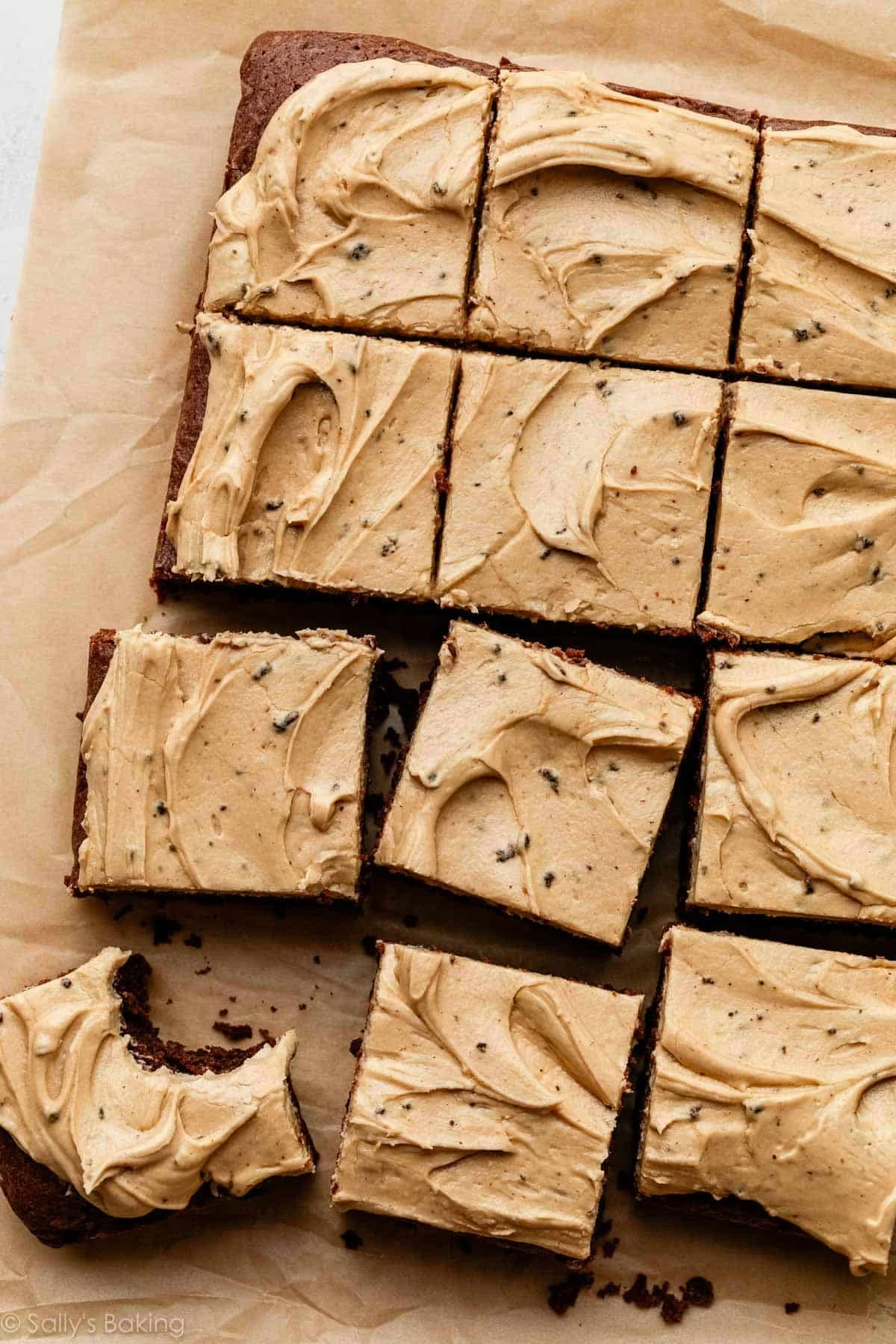

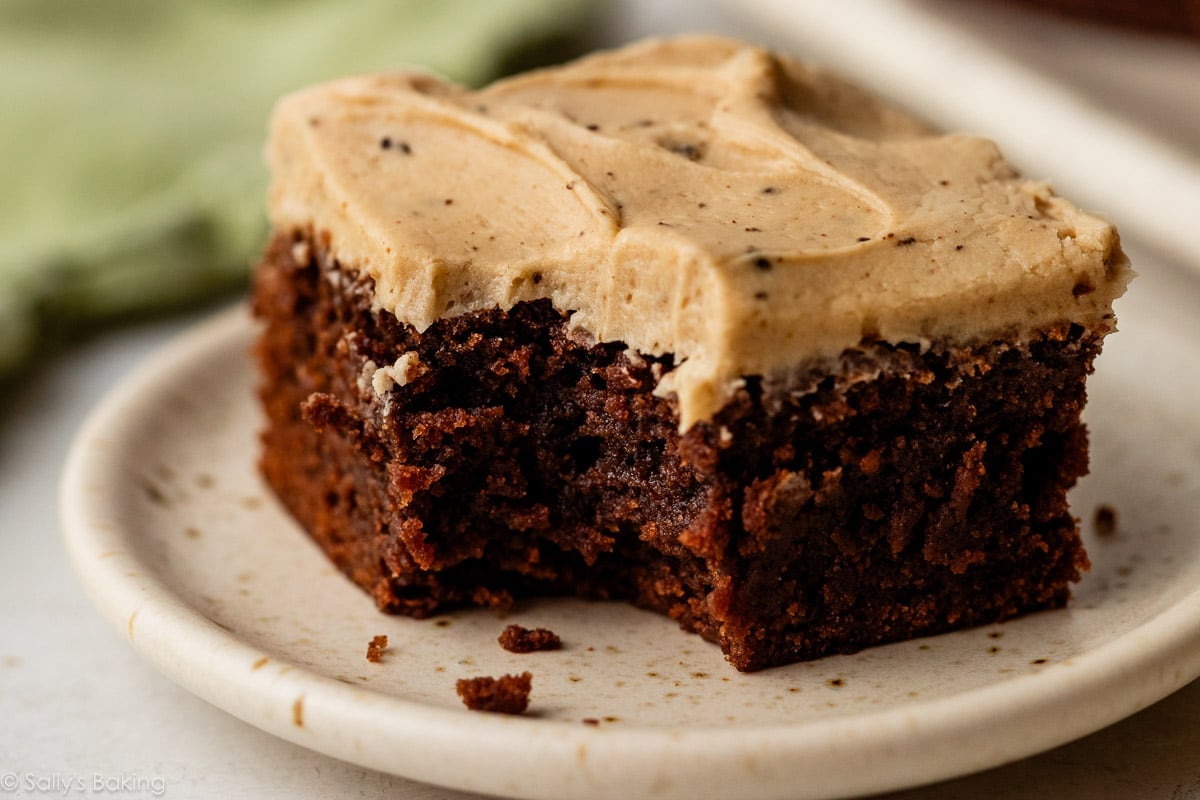
A beloved recipe for Guinness brownies has re-emerged in the culinary spotlight, refined and updated, poised to become a definitive dessert for St. Patrick’s Day celebrations and beyond. These deeply fudgy, intensely chocolatey brownies, crowned with a creamy Guinness-infused frosting, represent a sophisticated fusion of traditional Irish stout and classic American baking, offering a complex flavor profile that appeals even to those typically averse to beer. The updated rendition underscores a growing trend in gourmet home baking, where familiar comfort foods are elevated through innovative ingredient pairings and meticulous technique.
A Chronology of Culinary Refinement
The journey of these distinctive brownies began in 2018 with their initial publication, quickly garnering attention within the online baking community. Their appeal lay in the ingenious incorporation of Guinness Stout, transforming a staple dessert into a nuanced culinary experience. Recognizing the recipe’s enduring popularity and the continuous evolution of baking standards, its creators undertook a significant update. This recent re-release features not only refreshed photographic documentation but, crucially, incorporates additional "success tips" designed to ensure consistently excellent results for home bakers. This iterative process of refinement highlights a commitment to perfection and responsiveness to community feedback, emblematic of the modern digital culinary landscape. The update positions the recipe not merely as a seasonal treat but as a testament to the power of ongoing culinary development, ensuring its relevance and accessibility for a new generation of enthusiasts.
The Science of Stout and Chocolate Pairing
At the heart of the Guinness brownie’s distinctive character is the harmonious interplay between dark chocolate and Guinness stout. Far from imparting an overt beer flavor, the stout acts as a profound flavor enhancer, a principle well-understood in advanced culinary applications. Guinness, renowned for its dark, smooth, and creamy texture, derives much of its unique taste from roasted barley. This ingredient contributes rich, complex notes reminiscent of roasted coffee, dark cocoa, and subtle caramel sweetness. When integrated into a chocolate base, these compounds, including pyrazines and furans developed during the roasting process, create a synergistic effect, deepening the chocolate’s inherent richness and complexity. This phenomenon is akin to how a dash of espresso powder can intensify chocolate flavors in baked goods without making the dessert taste overtly like coffee.
This sophisticated flavor interaction elevates the brownies beyond a simple sweet treat, appealing to a "grownup palate" seeking depth and nuance rather than excessive sweetness. The resulting dessert is profoundly chocolatey, yet balanced, with an underlying malty resonance that adds an intriguing layer of sophistication. This natural complementarity explains why stouts are frequently paired with chocolate desserts, from cakes and cupcakes to truffles, demonstrating a long-standing appreciation for this flavor alliance in gastronomy.
The Art of Flavor Concentration: Reducing Guinness

The secret to achieving bold Guinness flavor without compromising the brownie’s texture lies in a critical preparatory step: the reduction of the stout. A common pitfall in incorporating liquid ingredients like beer into baking is the introduction of excess moisture, which can lead to a cakey, gummy, or otherwise undesirable consistency. The reduction process meticulously addresses this challenge.
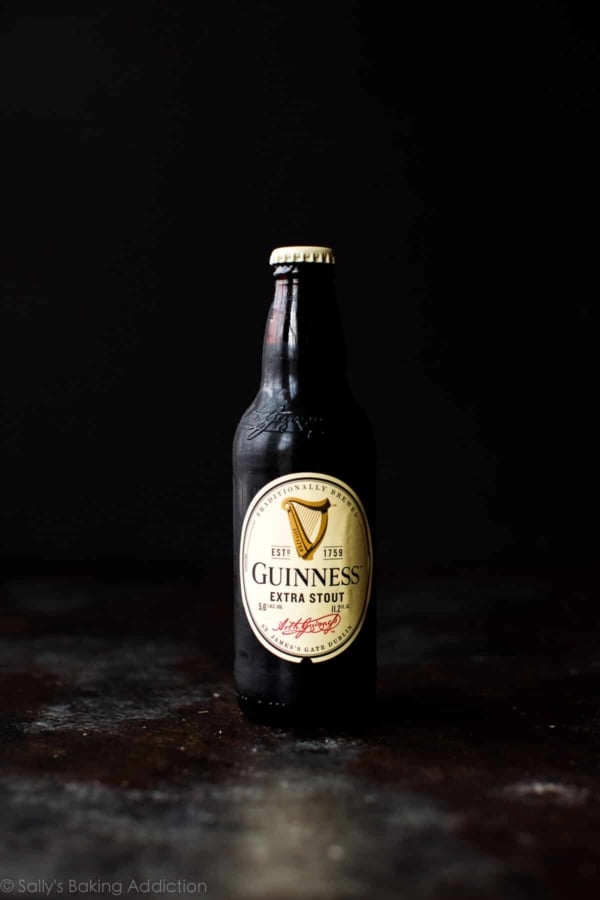
By gently simmering a full bottle of Guinness stout on the stovetop, the water content is gradually evaporated, leaving behind a concentrated essence of its distinctive flavors. This intensified liquid, rich in malty, roasted, and caramel notes, can then be incorporated into the batter without altering its delicate moisture balance. The technique ensures that the brownies maintain their desired dense, moist, and unequivocally fudgy texture, rather than becoming light and airy like a cake. This method is a well-established practice in professional and advanced home baking, employed to concentrate flavors from various liquids, such as fruit purees for strawberry cakes, apple cider for donuts, or champagne for delicate cake rolls. In this recipe, a measured quantity of the reduced Guinness—specifically, 1/2 cup (120g/ml)—is folded into the brownie batter, with an additional 2 and 1/2 tablespoons (40g/ml) reserved for the accompanying frosting, ensuring a consistent flavor theme throughout the dessert.
Beyond the Stout: Essential Brownie Components
While Guinness is the star ingredient, the foundational elements of the brownie are equally crucial to its success. The recipe relies on standard high-quality brownie staples, carefully balanced to achieve the desired fudgy consistency. These typically include premium unsalted butter, high-quality dark chocolate (often a mix of unsweetened and semi-sweet for depth), granulated sugar, large eggs, pure vanilla extract, all-purpose flour, unsweetened cocoa powder, and a pinch of salt.
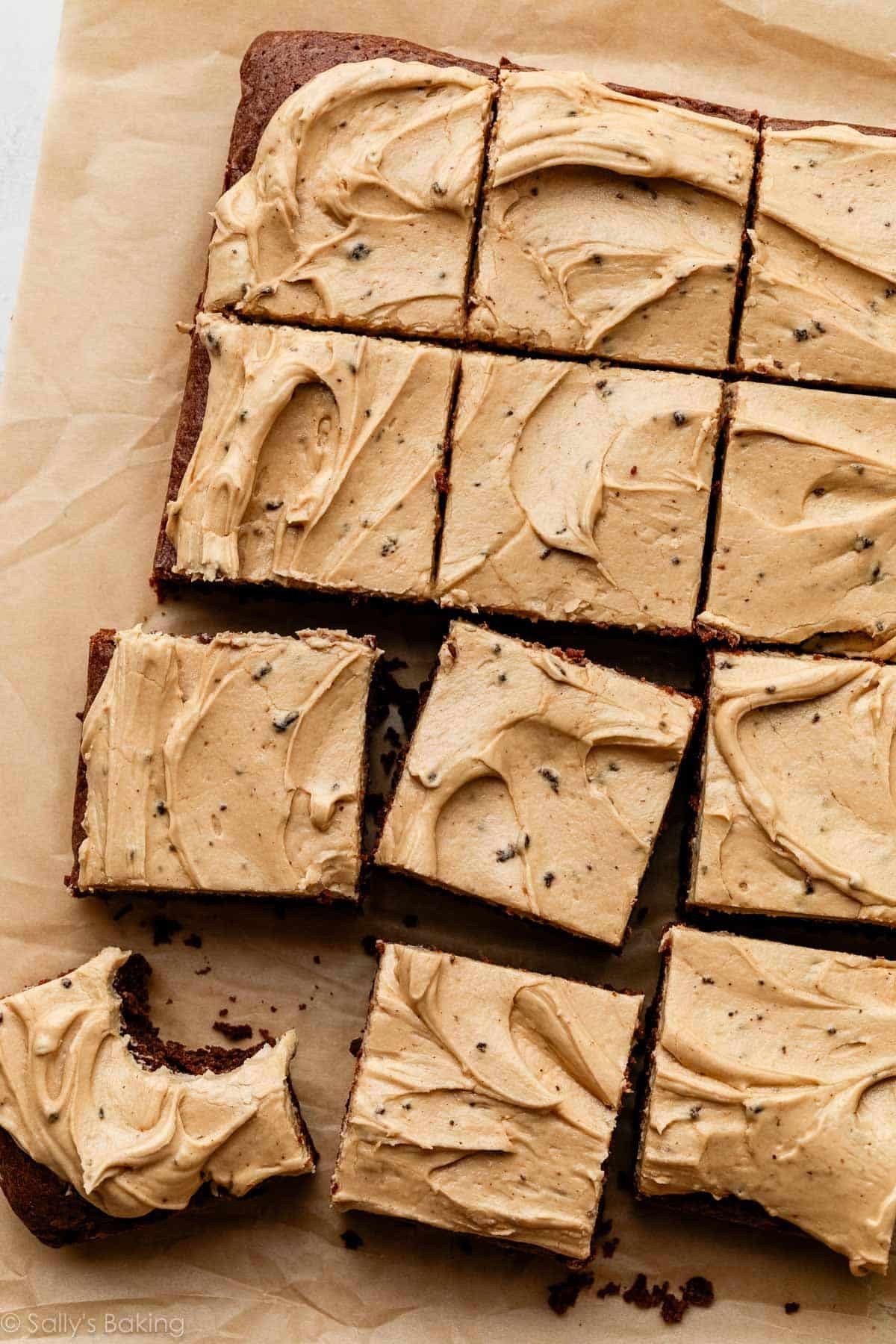
A notable characteristic of this recipe is the deliberate absence of chemical leavening agents like baking powder or baking soda. These ingredients are typically added to baked goods to create lift and a lighter, cakier crumb structure. For a truly fudgy brownie, however, leavening is intentionally omitted. This decision ensures the brownies remain dense and rich, akin to a solidified chocolate ganache, rather than developing an airy, cake-like texture. This meticulous attention to ingredient function underscores the recipe’s dedication to achieving a specific, ultra-fudgy outcome, placing it firmly in the category of decadent, melt-in-your-mouth chocolate confections.
The preparation process itself is straightforward once the Guinness is reduced. It typically involves melting the butter and chocolate together to form a glossy, smooth base. This mixture is then combined with sugar and the reduced Guinness, followed by eggs and vanilla, and finally the dry ingredients. The resulting batter is characteristically thick and lustrous, ready to be spread into a lined 9-inch square metal baking pan. The choice of a metal pan over glass or ceramic is also a considered detail, as metal conducts heat more efficiently and evenly, contributing to a consistently baked brownie with perfectly crisp edges and a soft, chewy center.
The Crown Jewel: Guinness-Infused Frosting
While the Guinness brownies are exceptional on their own, their inherent richness and depth naturally call for a complementary topping. The recipe proposes a distinctive Guinness frosting, elevating the dessert to a new level of indulgence. This creamy, lightly sweet frosting serves as the perfect counterpoint to the dense brownie base, echoing and amplifying the underlying stout notes.
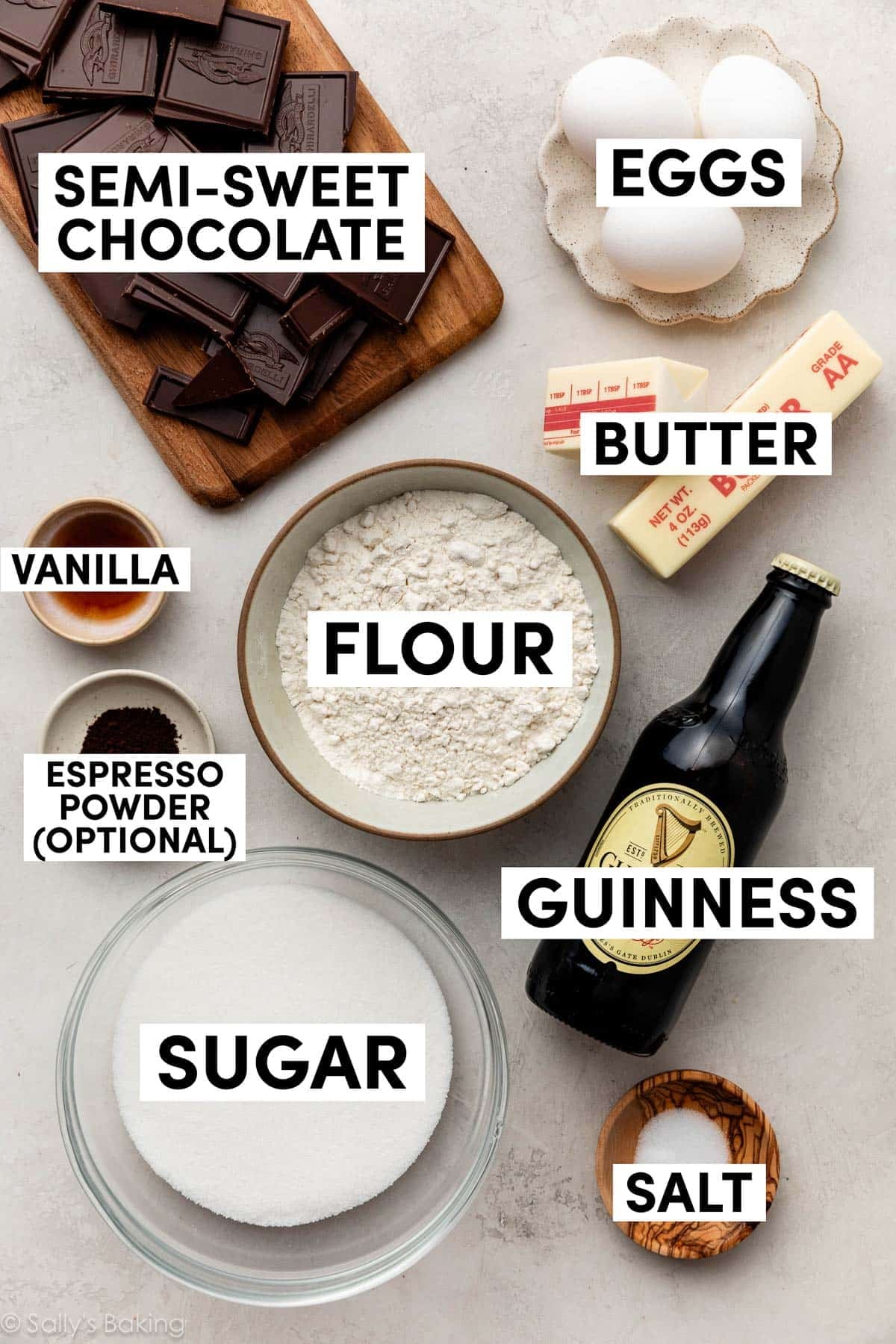
The frosting is crafted using more of the reduced Guinness, alongside espresso powder and vanilla. The combination yields a flavor profile that is both unique and irresistibly delicious. Described as espresso-like with subtle malty and caramelized undertones from the stout, it avoids any strong beer taste, instead contributing a complex richness that enhances the entire experience. This frosting not only adds a textural contrast but also a final layer of aromatic complexity, completing the sophisticated dessert. For those seeking alternative accompaniments, the brownies would also pair exquisitely with a scoop of vanilla bean ice cream, a dollop of homemade whipped cream, or even a mocha whipped cream for an added coffee dimension.
Broader Culinary Implications and Market Trends
The popularity and ongoing refinement of recipes like these Guinness brownies speak to several broader trends within the culinary world.
St. Patrick’s Day Culinary Expansion: Traditionally associated with savory dishes like corned beef and cabbage, St. Patrick’s Day has increasingly become a catalyst for diverse culinary creativity. Desserts incorporating Irish ingredients, particularly Guinness, have seen a significant surge in popularity, reflecting a desire among consumers to celebrate cultural holidays with themed, yet gourmet, sweet treats. This expansion beyond traditional fare highlights the holiday’s growing influence on seasonal menus in both professional kitchens and home settings.
The Influence of Digital Platforms: Food blogs and online recipe platforms play a pivotal role in disseminating and popularizing innovative recipes. The ability to share, update, and receive feedback on recipes in real-time fosters a dynamic environment for culinary development. The re-release of this Guinness brownie recipe with enhanced tips is a prime example of how digital platforms drive continuous improvement and maintain the relevance of beloved dishes.
Innovation in Classic Desserts: There is an enduring appeal in elevating classic comfort foods with unexpected, yet harmonious, ingredients. This trend showcases a desire for culinary adventure while maintaining the reassuring familiarity of traditional desserts. Incorporating a robust ingredient like Guinness into a humble brownie transforms it into a gourmet offering, appealing to a sophisticated palate.
Evolving Consumer Palates: Modern consumers often seek desserts that are decadent without being cloyingly sweet. The balanced flavor profile of these Guinness brownies, characterized by deep chocolate and subtle malty notes rather than overwhelming sugar, aligns perfectly with this evolving preference for more complex and nuanced sweet experiences.
Expert Insights and Public Reception

Culinary experts frequently cite the successful integration of seemingly disparate flavors as a hallmark of innovative gastronomy. Dr. Eleanor Vance, a hypothetical food scientist specializing in flavor chemistry, might note, "The compounds in roasted barley found in Guinness, such as specific pyrazines and maltols, are known to interact positively with the complex polyphenols in chocolate. This creates a perception of increased depth and a more rounded flavor profile, which is why the ‘beer’ taste recedes, and the ‘chocolate’ intensity is amplified." This scientific understanding underpins the broad appeal of such recipes, dispelling any initial skepticism about combining beer with dessert.
Public reception, particularly around St. Patrick’s Day, has consistently shown enthusiasm for these types of creative culinary fusions. Social media channels and food forums frequently buzz with discussions and shared successes of Guinness-infused desserts, indicating a strong community engagement and a willingness to explore sophisticated flavor combinations in home baking.
Frequently Asked Questions Addressed:
- Do Guinness brownies taste like beer? No. The stout primarily enhances the chocolate’s natural flavor with subtle roasted, coffee-like, and caramel notes, rather than imparting a strong beer taste.
- What type of Guinness is best for baking? Classic Guinness Draught stout is recommended due to its smooth, roasted profile that complements chocolate effectively. While other dark stouts can be used, they may alter the final flavor slightly.
- Is reducing the Guinness essential? Absolutely. Reducing the stout concentrates its flavor and prevents the addition of excess liquid to the batter, which is crucial for maintaining the brownies’ dense, moist, and fudgy texture.
- Can these brownies be made without alcohol? While the alcohol content is significantly reduced during simmering and baking, a stout-style non-alcoholic beer can be substituted for an alcohol-free version, aiming for a similar flavor profile.
- How do I know when the brownies are perfectly baked? Brownies are typically done when a toothpick inserted into the center emerges with a few moist crumbs attached. It should not be wet with batter (underbaked) nor completely clean (overbaked), as overbaking can lead to a dry texture.
In conclusion, the updated Guinness brownie recipe stands as a testament to thoughtful culinary innovation and the enduring appeal of merging traditional flavors with modern baking techniques. Its sophisticated profile and meticulously refined instructions ensure it will remain a cherished favorite, particularly as St. Patrick’s Day approaches, offering a truly unique and deeply satisfying dessert experience.