
The culinary world often seeks perfection in simplicity, a principle elegantly embodied by the definitive classic cheesecake recipe presented by Sally’s Baking Addiction. This highly acclaimed formula, celebrated for its creamy, ultra-smooth texture and robust, buttery graham cracker crust, has established itself as a benchmark for home bakers aspiring to achieve simple decadence without compromise. The recipe, meticulously developed and refined, promises a flawless outcome, effectively eliminating common baking anxieties such as cracks, leaks, and inconsistent textures, primarily through the strategic use of a water bath.
The Enduring Appeal of Classic Cheesecake
Cheesecake holds a venerable position in global dessert culture, tracing its origins back to ancient Greece before evolving into countless regional variations across Europe and the Americas. From the dense, rich New York-style cheesecake, characterized by its substantial body and often tangy finish, to lighter, airier Japanese versions and the creamy Italian ricotta cheesecakes, the dessert’s fundamental appeal lies in its luxurious texture and versatile flavor profile. Despite the proliferation of innovative and complex dessert trends that frequently dominate social media and gastronomic circles, the classic cheesecake retains a timeless charm, serving as a comforting staple for celebrations and everyday indulgences alike. Its enduring popularity underscores a universal appreciation for well-executed, foundational recipes that deliver consistent satisfaction. For many, a classic cheesecake represents the ultimate expression of baking skill, making the pursuit of a "perfect" recipe a significant endeavor for both amateur and seasoned bakers. Sally’s Baking Addiction, a prominent voice in the online baking community renowned for its reliable and accessible recipes, has successfully tapped into this desire, offering a formula that demystifies the process and empowers individuals to create a dessert traditionally perceived as challenging.
The Genesis and Evolution of a Bestselling Recipe
The journey of this particular classic cheesecake recipe began in 2018 when it was first published on the Sally’s Baking Addiction blog, a platform known for its detailed instructions and extensive baking tips. Since its initial release, the recipe has undergone iterative improvements, reflecting a continuous commitment to excellence and responsiveness to user feedback. These enhancements have included the addition of new, high-quality photographs that visually guide bakers through each step, alongside supplementary success tips designed to further refine the baking process and address common troubleshooting areas.
The recipe’s sustained popularity and proven reliability led to its inclusion in Sally’s Baking 101, a comprehensive cookbook that quickly ascended to the New York Times best-seller list. This significant achievement not only validated the recipe’s inherent quality but also broadened its reach, introducing it to a wider audience beyond the digital sphere. The cookbook version further enriches the offering with an optional cherry sauce topping, demonstrating the recipe’s adaptability to complementary flavors while maintaining its core integrity. The continuous refinement and expansion of this recipe’s presence—from a popular blog post to a print publication—underscore its status as a consistently reliable and highly cherished culinary guide within the home baking community. This trajectory exemplifies how meticulous recipe development, combined with a strong community connection, can elevate a digital creation to a celebrated culinary staple.
From Blog Post to Bestseller: A Timeline
- 2018: The Classic Cheesecake recipe is initially published on the Sally’s Baking Addiction blog, quickly gaining traction among baking enthusiasts.
- Post-2018 Period: The recipe undergoes continuous optimization, with the author and her team integrating new photographic assets and refining success tips based on extensive testing and direct feedback from the baking community.
- Publication of Sally’s Baking 101: The classic cheesecake recipe is selected for inclusion in the author’s print cookbook, cementing its status as a foundational dish and a fan favorite. This publication also introduced an optional cherry sauce recipe, enhancing its versatility.
- New York Times Bestseller Status Achieved: Sally’s Baking 101 earns significant critical and commercial success, securing a spot on the New York Times best-seller list, which further elevates the classic cheesecake recipe’s profile and broadens its audience.
- Present Day: The recipe continues to be a highly celebrated and frequently accessed resource, consistently garnering widespread acclaim and positive testimonials from bakers worldwide, underscoring its enduring appeal and proven reliability.
Mastering the Art of the Perfect Crust
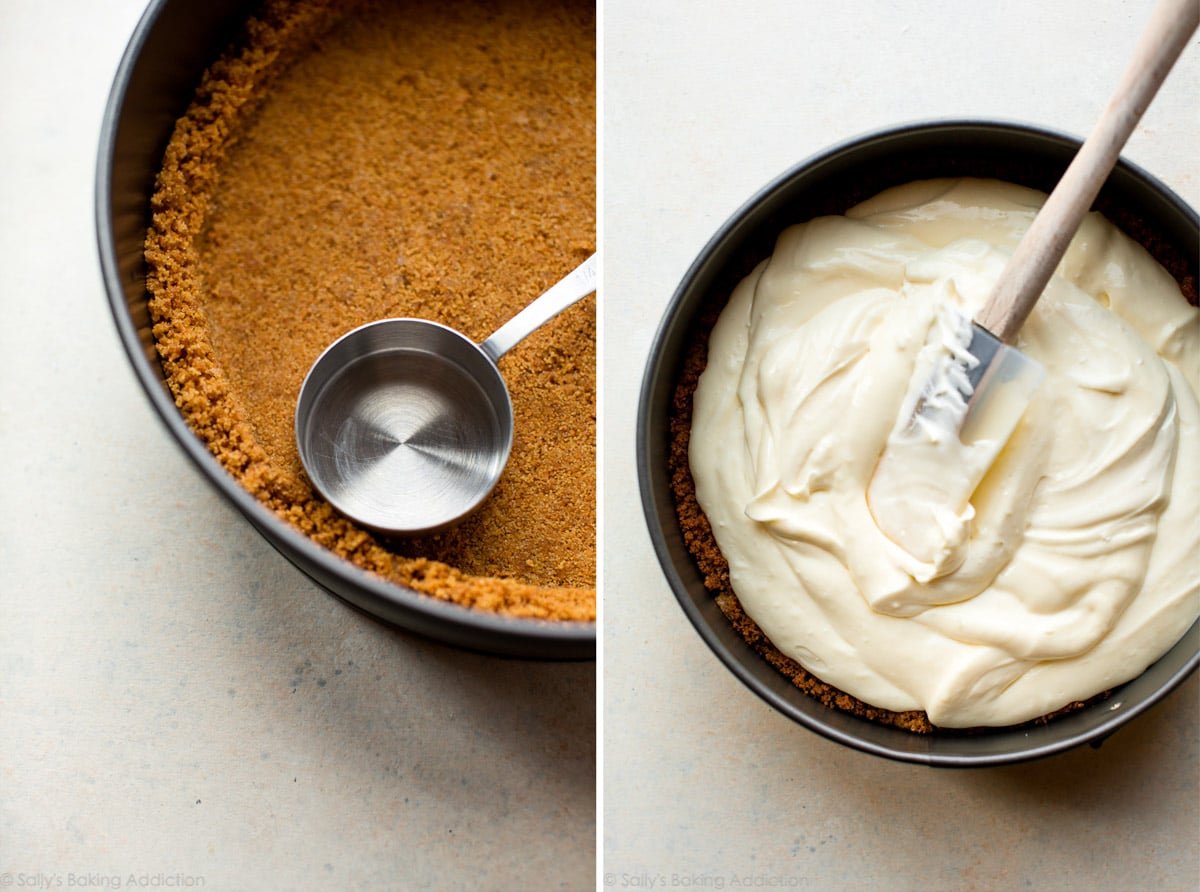
The foundation of any exceptional cheesecake is its crust, and this recipe champions the classic graham cracker variety. The selection of graham crackers is no arbitrary choice; their subtly sweet, slightly spicy notes and crisp texture provide an ideal counterpoint to the rich, creamy filling. The recipe specifies a slightly reduced amount of butter compared to some traditional graham cracker crust recipes, a deliberate modification aimed at enhancing the crust’s crunchiness and preventing sogginess, a common pitfall that can compromise the overall dessert experience. To ensure structural integrity and a uniformly crisp base, the crust mixture is tightly packed into the springform pan and then pre-baked. This pre-baking step is crucial for "setting" the crust, creating a barrier against moisture from the filling, and contributing to its desirable crunchy texture, which holds up against the moisture of the cheesecake batter.
For those seeking alternative flavor profiles, the recipe offers commendable flexibility. Bakers can opt for an Oreo cookie crust, though it is advised to lightly grease the springform pan to prevent sticking, or a Biscoff pie crust for a distinct spiced caramel note. This adaptability highlights the recipe’s versatility while emphasizing the fundamental importance of a well-prepared and properly set base, regardless of the chosen flavor.
The choice of baking vessel is equally critical. A 9-inch or 10-inch springform pan is recommended, a specialized piece of equipment designed with removable sides that facilitate the safe and effortless release of the delicate cheesecake without needing to invert the pan or struggle with serving. While springform pans are known for their convenience, they can pose a risk of leakage, especially when a water bath is employed. However, the recipe specifically endorses a reliable pan model, reassuring bakers that proper equipment selection can mitigate this common concern, ensuring a seamless baking experience from preparation to presentation.
The Science of a Flawless Filling: Texture and Flavor
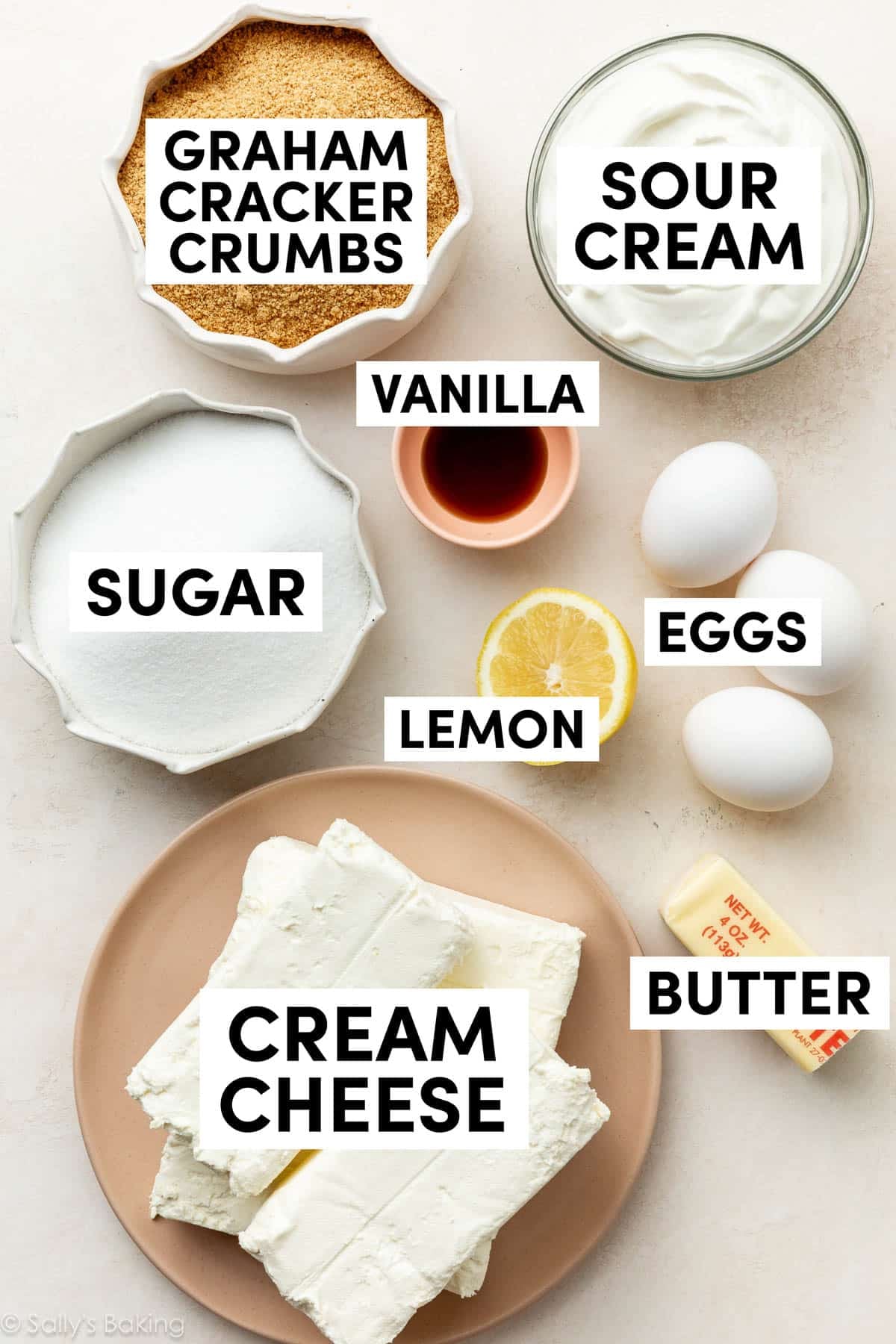
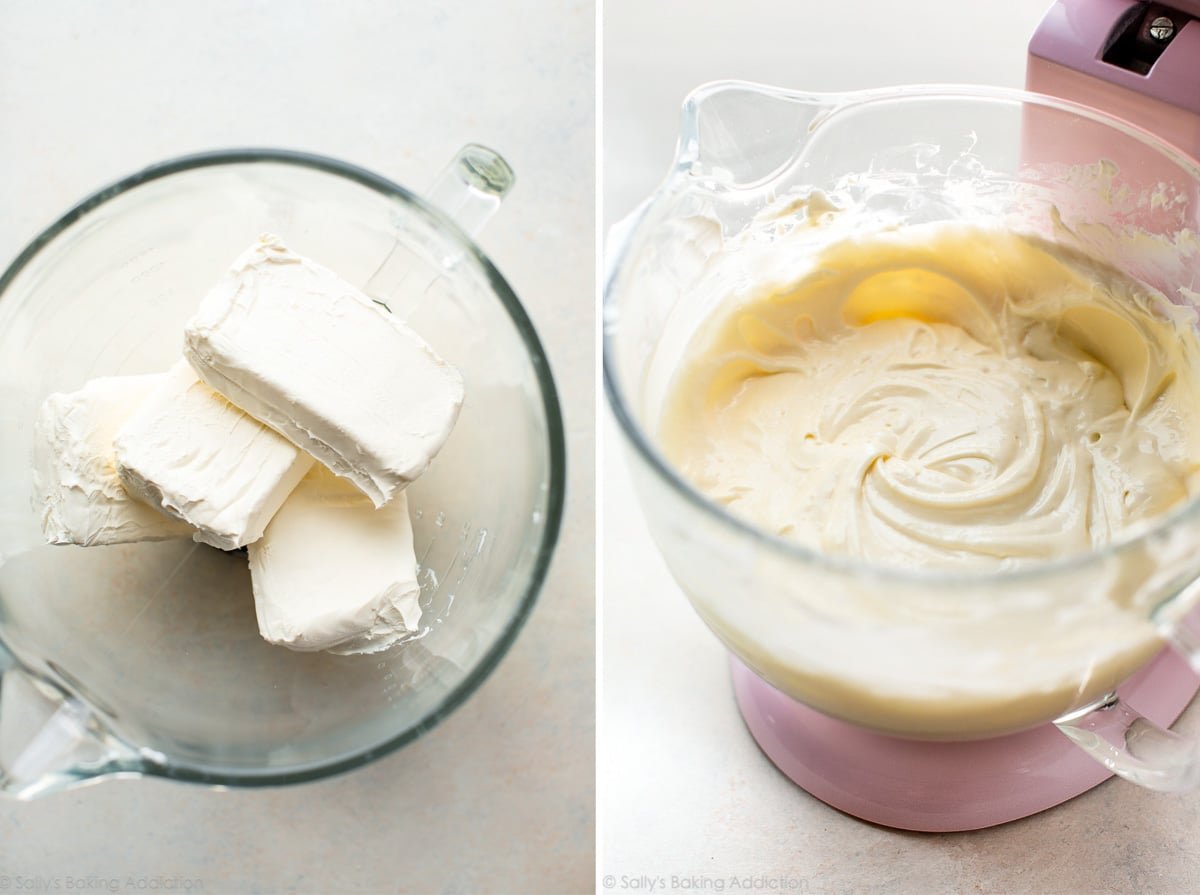
The heart of this classic cheesecake lies in its creamy, tangy filling. While the specific ingredient list is concise, comprising foundational staples such as cream cheese, sugar, eggs, and often a touch of sour cream or heavy cream and vanilla extract, their interaction and meticulous preparation are paramount to achieving the signature texture. The recipe stresses the paramount importance of using all cheesecake batter ingredients at room temperature. This is not merely a suggestion but a critical directive rooted deeply in culinary science. Cold cream cheese, eggs, or sour cream will resist smooth incorporation, leading to a lumpy batter that requires excessive mixing to achieve homogeneity. Over-mixing, in turn, introduces too much air into the batter, which can expand rapidly during baking and then collapse upon cooling, a primary cause of unsightly cracks on the cheesecake’s surface. By contrast, room temperature ingredients emulsify effortlessly, creating a smooth, homogenous batter with minimal agitation, thus preserving the delicate protein structure that prevents cracking and ensures a velvety consistency.
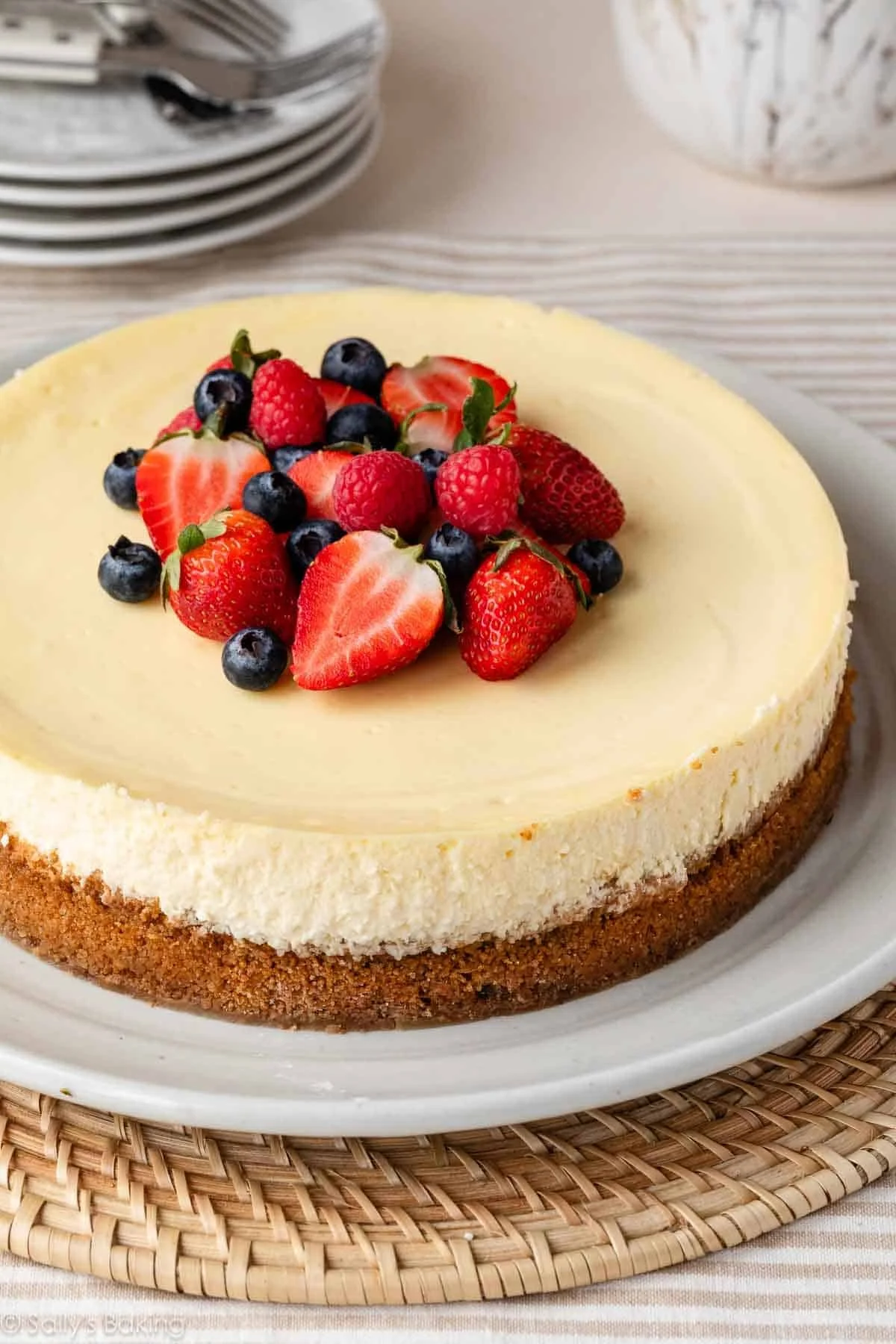
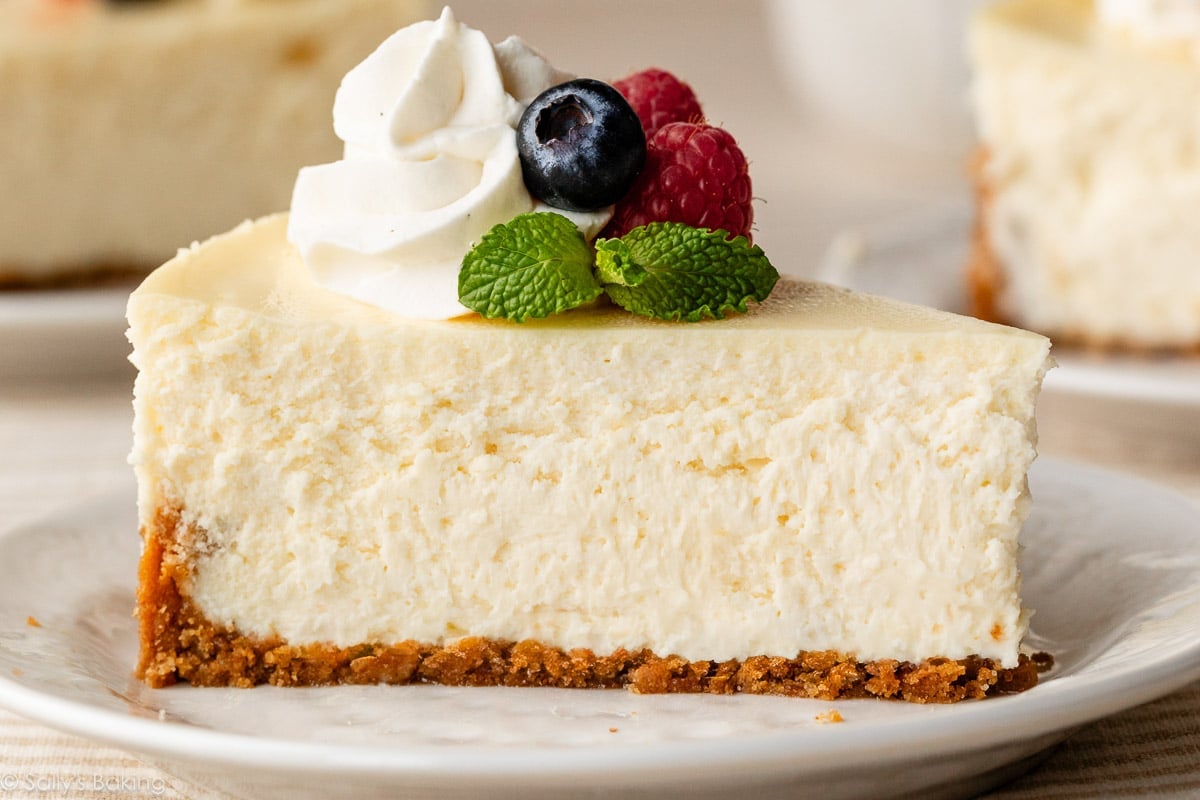
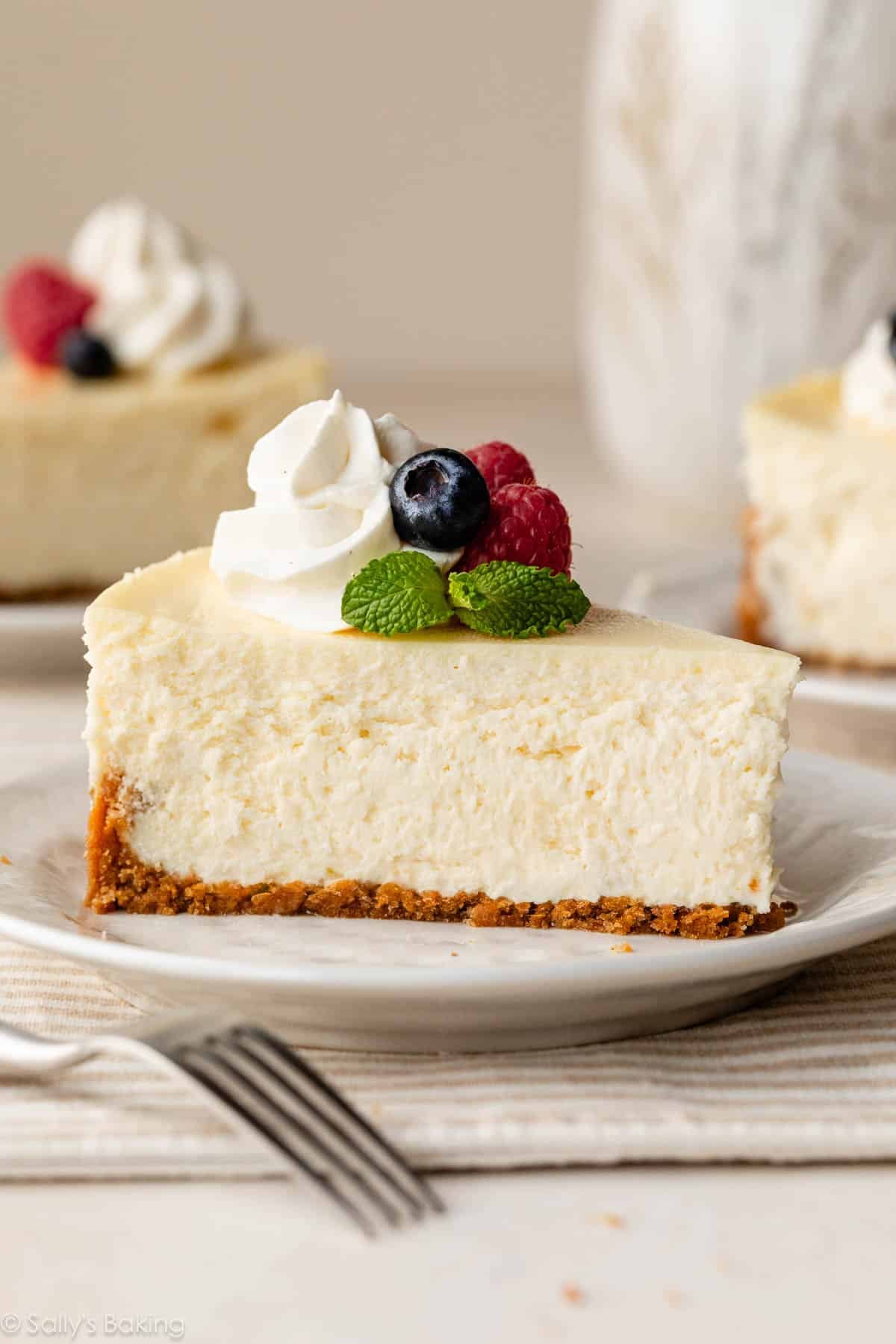
The texture of this cheesecake is deliberately crafted to be rich and smooth, subtly distinguishing it from the famously dense, often firm New York-style cheesecake. While the latter is characterized by its compact, weighty mouthfeel and sometimes a taller stature, Sally’s classic version achieves a thick, velvety decadence that is "just as special" in its own right, offering a slightly lighter yet equally satisfying experience. This balance of richness and a less dense consistency makes it broadly appealing, evoking a sense of nostalgic comfort, reminiscent perhaps of iconic fictional cheesecakes. The deliberate absence of additional chunks, swirls, or sprinkles in this "ivory crowned jewel" is intentional, allowing the inherent quality of the filling and crust to shine through, proving that simplicity, when perfected, can indeed be stunning.
The Water Bath Method: A Baker’s Secret Weapon
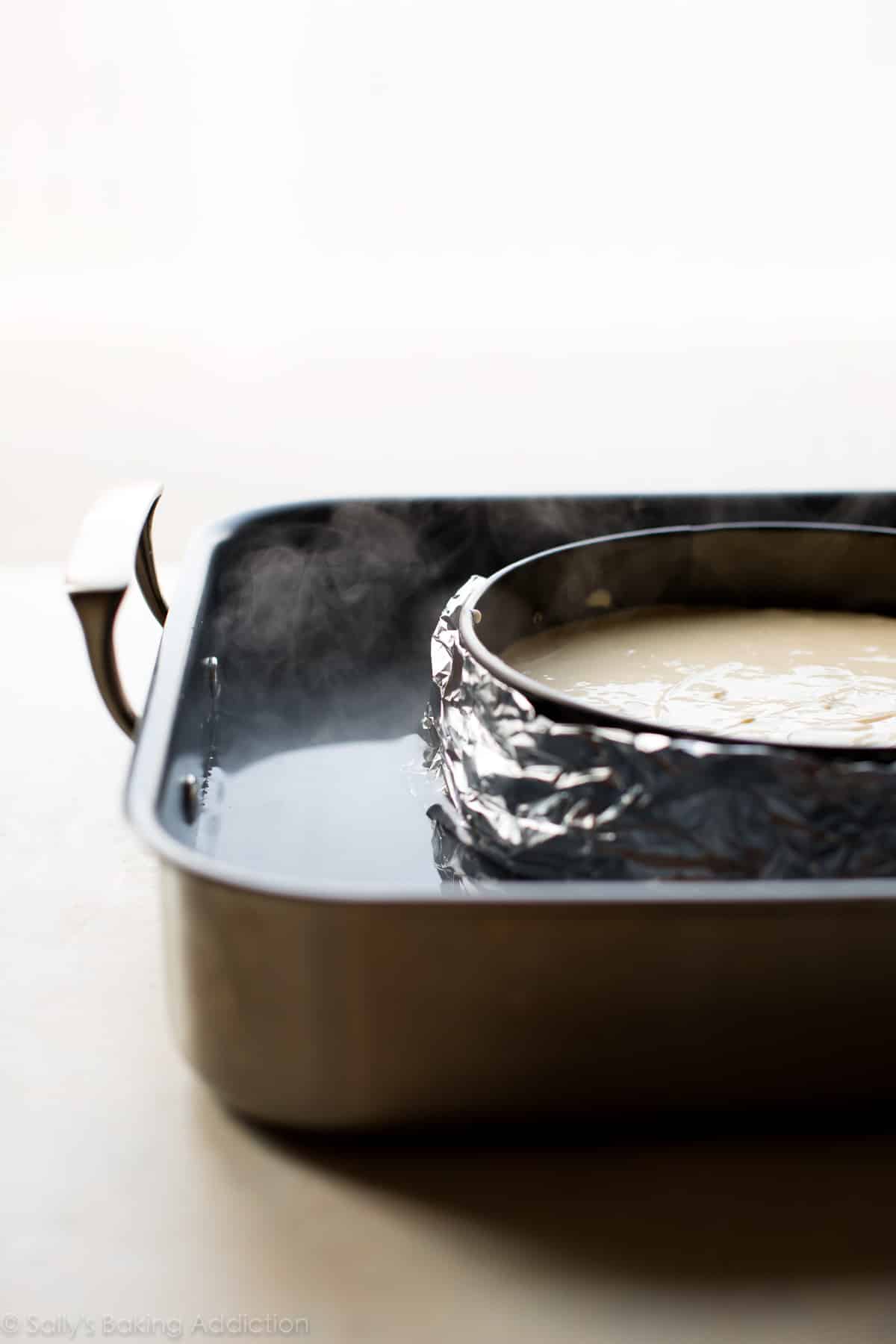
One of the most crucial techniques advocated by this recipe for achieving cheesecake perfection is the water bath, or bain-marie. Far from being a complicated procedure, it involves placing the foil-wrapped springform pan containing the cheesecake into a larger roasting pan, which is then carefully filled with hot water before being transferred to the oven for baking. The benefits of this method are multi-faceted and scientifically grounded, addressing the delicate nature of cheesecake custard.
Cheesecake batter, being a custard primarily composed of dairy and eggs, is particularly susceptible to rapid temperature changes and dry heat. Such conditions can cause the egg proteins to set too quickly and unevenly, leading to a tough texture and, most notably, unsightly cracks on the surface as the cheesecake cools and contracts. The humid environment created by the steam from the hot water bath acts as a buffer, ensuring that the cheesecake bakes slowly and gently. This gentle, even heat distribution prevents the edges from over-baking and drying out before the center is cooked, significantly reducing the risk of these common surface cracks. Furthermore, the water bath helps to maintain a more consistent internal temperature for the cheesecake throughout the baking process, preventing it from puffing up too dramatically due to trapped air and subsequently sinking or cracking upon cooling. This slow, uniform baking and cooling process is paramount to achieving the cheesecake’s characteristic creamy texture and flawless appearance. While it adds a few extra minutes to the preparation, the water bath is unequivocally deemed "well worth it" for guaranteeing a superior end product: no cracks, no water leaks into the cheesecake itself, and significantly reduced guesswork regarding optimal baking conditions.
The Art of Patience: Cooling, Chilling, and Presentation
Beyond the water bath, careful handling during the cooling and chilling phases is equally vital for preventing cracks and developing the cheesecake’s optimal texture and flavor. Abrupt temperature changes are among the greatest adversaries of cheesecake. Therefore, once the cheesecake is baked—identified by set edges and a slight wobble in the center, typically after 55 to 70 minutes, though this can vary by oven—the cooling process begins slowly within the oven itself. The oven is turned off, and the door is cracked open, allowing the cheesecake to gradually adjust to a cooler temperature over the course of an hour. This controlled descent from high heat to ambient warmth minimizes thermal shock, which can cause rapid contraction and cracking.
Following this initial in-oven cooling, the cheesecake is carefully transferred to a counter to cool completely to room temperature. This gradual transition is essential before the final, critical step: refrigeration. The cheesecake must be chilled in the refrigerator for a minimum of four hours, and ideally overnight. This extended chilling period serves multiple purposes: it firmly sets the delicate custard, allowing its complex flavors to meld and deepen, and ensures the cheesecake is perfectly firm and stable for clean slicing and serving. The anticipation during these waiting hours is described as a "test to your willpower," yet the author and countless readers affirm that the reward of that first perfect bite makes every minute of patience completely worthwhile.
Beyond the Classic: Customization and Alternatives
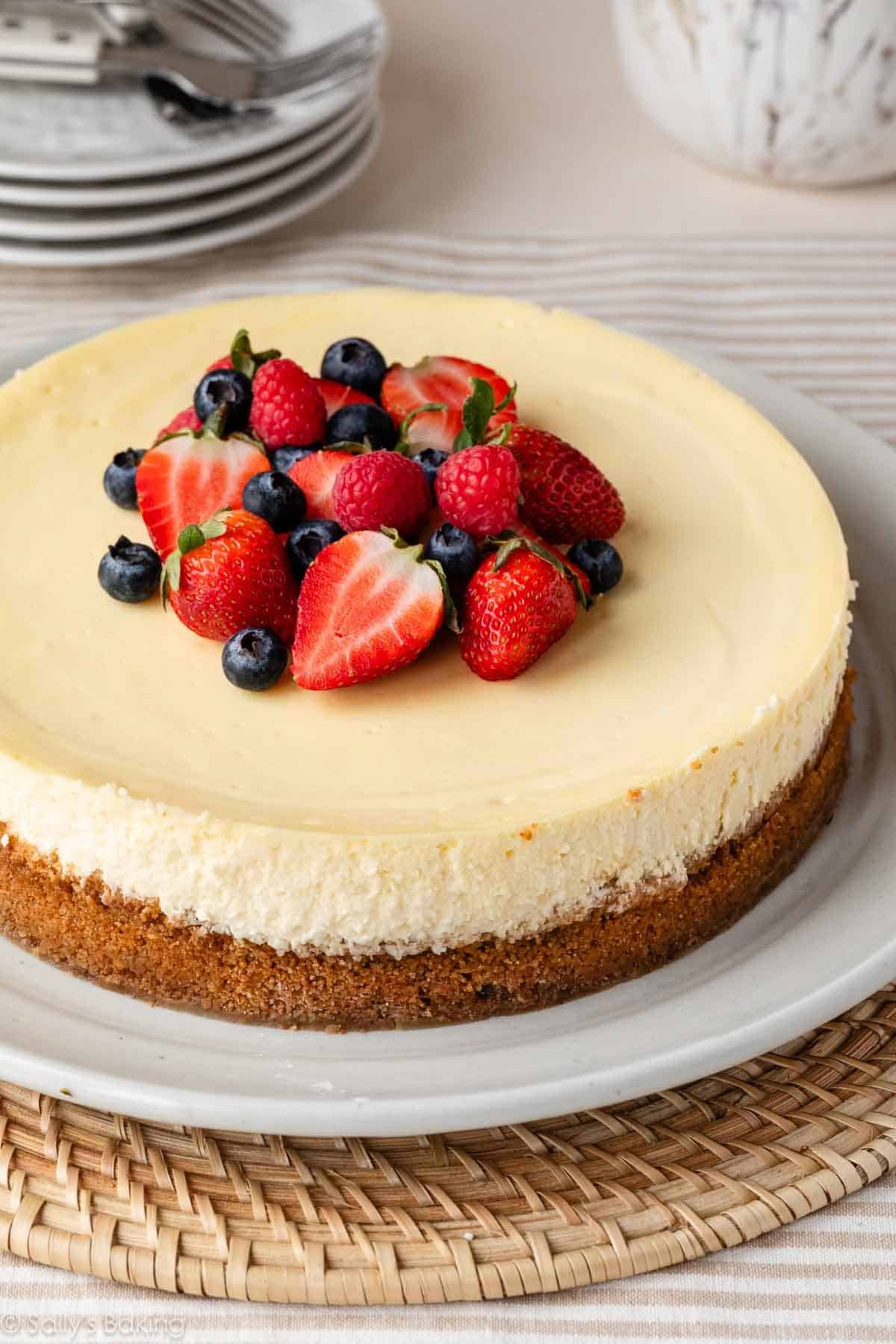
While the classic cheesecake stands as a paragon of dessert perfection, the recipe’s underlying principles can be adapted for diverse culinary preferences. The author, having shared numerous other cheesecake recipes—including peanut butter, blueberry swirl, Snickers, pumpkin swirl, lemon, and Amaretto cheesecakes—demonstrates the vast potential for creative variation built upon a solid foundation. This classic recipe serves as a robust base, welcoming a wide array of toppings from fresh seasonal berries and vibrant fruit sauces (like the cherry sauce detailed in Sally’s Baking 101) to rich chocolate ganache, luscious caramel, or a simple dollop of freshly whipped cream. Whether opting for elaborate garnishes or maintaining a minimalist aesthetic, the inherent quality and flawless texture of the cheesecake ensure an impressive presentation.
For those seeking quicker or less intensive alternatives, the author also provides accessible suggestions such as cheesecake pie or pumpkin cheesecake pie, which offer similar flavor profiles with a simplified structure and often reduced baking time. For an entirely bake-free experience, a no-bake cheesecake recipe is available, bypassing the oven and the extensive cooling/chilling protocols, catering to different levels of time commitment and baking expertise. This comprehensive range of options underscores the author’s understanding of diverse baker needs while firmly positioning the classic cheesecake as the definitive and highly recommended starting point for any cheesecake enthusiast.
Acclaim and Impact: A Testament to Quality
The profound impact and widespread acclaim for this classic cheesecake recipe are best encapsulated by testimonials from its fervent followers. One particularly enthusiastic reader, Randy from New York, commented, "This is the best cheesecake I have ever had! I’m from New York and nothing there beats this—even in the fanciest of restaurants. The only problem is that everyone I’ve shared it with wants me to make more and more. They rave about it being the best ever." Such enthusiastic endorsements are not isolated incidents but represent a consistent pattern of positive feedback that has solidified the recipe’s reputation as a reliable and superior choice among a crowded field of dessert recipes.
This level of reader engagement and satisfaction, combined with its consistent presence on a high-traffic baking blog and its inclusion in a New York Times best-selling cookbook, speaks volumes about the recipe’s exceptional quality and its proven reliability. It illustrates how a meticulously crafted recipe, coupled with clear, actionable advice and a commitment to addressing common baking challenges, can empower home bakers to consistently achieve professional-level results. The success of this recipe contributes significantly to a broader trend of accessible, high-quality baking content that enriches the culinary landscape, encouraging experimentation and skill development among enthusiasts worldwide.
Expert Tips for Unwavering Success
To summarize the critical elements for achieving an impeccable classic cheesecake, the following expert tips are paramount and should be followed diligently:
- Room Temperature Ingredients: Absolutely essential for a smooth, lump-free batter that requires minimal mixing, thereby preventing the incorporation of excess air.
- Tightly Packed, Pre-baked Crust: This step is crucial for creating a crisp, stable base that effectively resists moisture and prevents sogginess.
- The Water Bath Method: Employing a water bath is a non-negotiable technique for ensuring even, gentle baking, which is vital for preventing cracks and maintaining a creamy, custard-like texture.
- Gradual Cooling in the Oven: Allowing the cheesecake to cool slowly within a turned-off, slightly ajar oven minimizes thermal shock, a primary cause of surface cracks.
- Extended Chilling: Refrigerating the cheesecake for a minimum of 4 hours, or preferably overnight, is critical to allow it to fully set, firm up, and develop its complete, rich flavor profile.
- Reliable Springform Pan: Investing in a high-quality, leak-proof springform pan is highly recommended to ensure a mess-free water bath experience.
Final Presentation and Storage
Once the arduous but ultimately rewarding cooling and chilling process is complete, the classic cheesecake is ready for its grand reveal. Carefully release the springform pan sides, and if desired, transfer the cheesecake to a dedicated serving plate. The inherent beauty of a classic cheesecake often lies in its pristine, unadorned surface, which also serves as a perfect canvas for a myriad of toppings. Fresh berries, a vibrant fruit compote, a rich chocolate ganache, a luscious caramel drizzle, or a simple dollop of freshly whipped cream can all elevate its aesthetic and enhance its flavor profile. For long-term enjoyment and to prolong its freshness,