
The pursuit of the optimal cup of coffee is a journey deeply rooted in both intricate chemistry and meticulous engineering, a dance between art and science that continues to evolve. At its core, coffee extraction involves dissolving myriad chemical compounds from ground coffee beans into water. These compounds, spanning an astonishing nine orders of magnitude in concentration, each possess distinct solubility characteristics and extraction rates. This inherent variability is not a flaw but a fundamental feature, allowing for the vast spectrum of flavors and aromas that define coffee. If all compounds were extracted uniformly, the creative latitude in brewing would diminish significantly. Instead, this differential extraction forms the bedrock of what is often termed "selective extraction," a technique favored by connoisseurs and professionals over simply extracting every soluble compound.
The Chemistry of the Ideal Cup: Selective Extraction
Achieving a brew that accurately reflects the maximum soluble content of a coffee bean would necessitate grinding the coffee as finely as possible, steeping it for an extended duration, and potentially even boiling the mixture to accelerate the release of slower-extracting compounds. Such a method, akin to a strong, unsweetened Turkish coffee, could yield an extraction efficiency approaching 30%. While robust and flavorful, this approach does not inherently produce the "best" coffee. The objective for many specialty coffee enthusiasts is not merely to maximize extraction yield but to achieve a selective extraction, where certain desirable compounds are preferentially dissolved, resulting in a nuanced and complex flavor profile.
From a chemical perspective, this selective approach translates to an uneven extraction, where compounds are not extracted to the same degree. This nuanced balance is where the art of brewing truly lies. The pour-over or percolation technique is widely recognized as a primary method for achieving this selective extraction. It is crucial to distinguish this from the historical "coffee percolator," a device popular in the mid-20th century, which used convection to cycle heated coffee through a central tube and back over the coffee bed. Modern pour-over, by contrast, relies on gravity filtration, allowing precise control over water contact time and flow dynamics.
Pour-Over Brewing: A Multitude of Interacting Variables
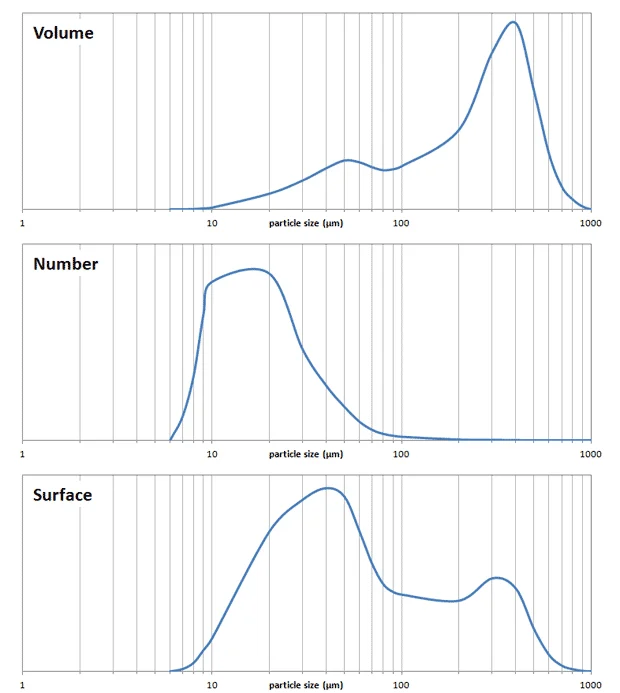
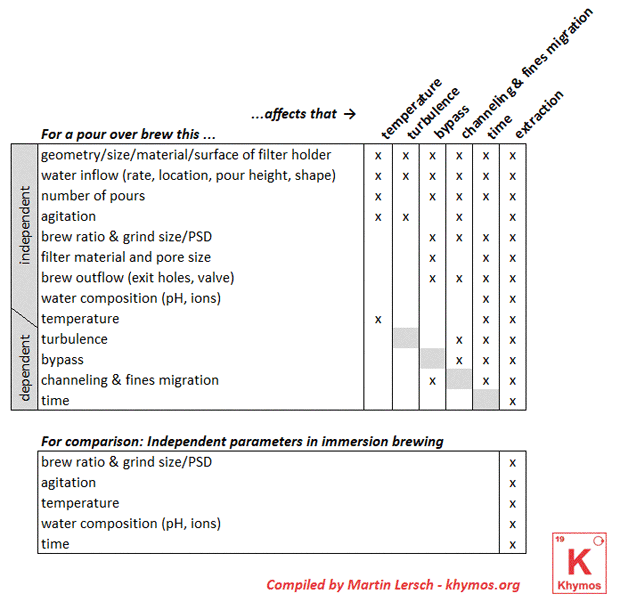
Pour-over brewing, while seemingly straightforward—hot water poured over ground coffee, dripping through a filter—is a remarkably complex system characterized by a surprising number of adjustable parameters. Initial considerations include the brew ratio (the proportion of coffee to water), grind size and its particle size distribution (PSD), water composition (mineral content, pH), and precise water temperature. However, the intricacies extend far beyond these fundamental elements, encompassing factors that are often overlooked in standard recipes.
Many of these parameters are not isolated but deeply correlated, creating a challenging optimization landscape. For instance, grind size and PSD are paramount. Finer particles increase the total surface area available for extraction, but also significantly reduce water flow, extending contact time and risking filter clogging. This intricate relationship can also influence "channeling," where water bypasses the majority of the coffee bed by finding paths of least resistance. As a fundamental principle of fluid dynamics, water will always take the easiest route. If water accumulates above a finely ground coffee bed, it may bypass the bed entirely by flowing through the sides of the filter, especially in filter holders designed with patterns or ridges that reduce filter contact. This uncontrolled bypass dilutes the final brew without contributing to extraction.
Anatomy of Pour-Over Devices: Engineering for Extraction Control
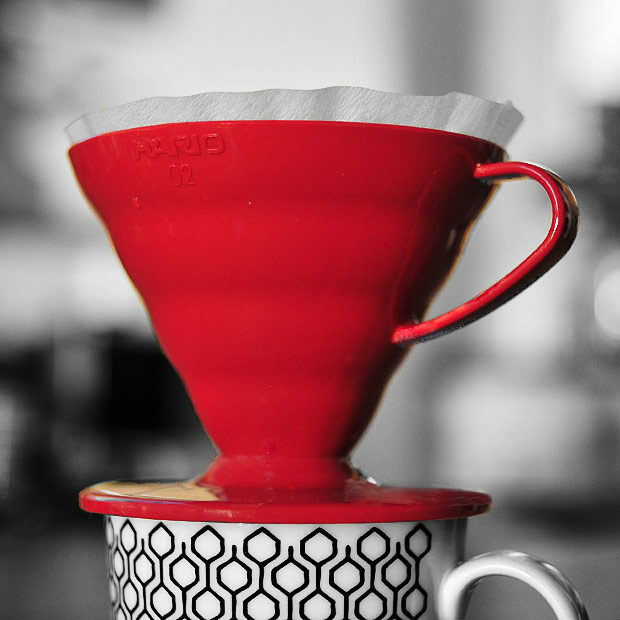
The diverse array of pour-over brewers available today, from the iconic Hario V60 to the innovative Kalita Wave, testifies to the ongoing efforts to master these variables. Manufacturers continually experiment with design elements, each influencing the extraction process in subtle yet significant ways.
-
Material and Insulation: The material of the filter holder plays a critical role in maintaining temperature stability during brewing. Metal, being a good thermal conductor, can rapidly dissipate heat, unless it features double-walled vacuum insulation (like the Stagg X/XF) or possesses substantial thermal mass. Glass, while aesthetically pleasing, is often too fragile for daily handling. Polypropylene (PP) plastics or ceramics are frequently preferred for their cost-effectiveness, superior heat retention, and durability, minimizing heat loss that can affect extraction kinetics.
-
Shape and Geometry: The physical form of the brewer dictates the shape and size of the coffee bed, directly impacting water flow and contact. Trapezoid-shaped filter holders (e.g., Melitta) offer a broader, shallower bed. Cone-shaped designs (e.g., Hario V60) create a deeper, narrower bed, promoting longer contact time but potentially slower flow. Flat-bottom brewers (e.g., Kalita Wave) with their characteristic W-folded filters aim for a faster, more even flow, though they can be susceptible to channeling if not managed properly. The choice of geometry represents a trade-off between maximizing contact and facilitating efficient drainage.
-
Inside Wall Surface: The internal surface of the filter holder interacts directly with the filter paper. Smooth surfaces, particularly in tapered or cone-shaped designs, can cause wet paper to adhere, potentially blocking flow. The Chemex, for example, leverages this by effectively minimizing bypass through the sides. Conversely, most other designs incorporate ridges or patterns to create channels, allowing coffee to flow even when the filter clings to the surface, ensuring a consistent drip rate.
-
Filter Type: The filter material and design profoundly affect clarity and flow. Paper filters are ubiquitous, with cylindrical discs (Aeropress) or tailored cone/trapezoid shapes being common. A primary challenge with paper is clogging by fine coffee particles. To counteract this, fluted or W-folded filters (Kalita Wave) increase surface area, allowing faster filtration. Metal filters, sometimes integrated into brewers (e.g., Stanley pour over, Canadiano), allow more fines and oils to pass, contributing to a fuller body but potentially less clarity. The Karlsbader brewer stands as an outlier, utilizing only a coarse ceramic grating, resulting in a very rich, sediment-laden brew.
-
Inflow Control: The method of water delivery onto the coffee bed is crucial for preventing disturbance and channeling. Simple pouring can redistribute grounds, creating inconsistent flow paths. Specialized gooseneck kettles are designed to provide a narrow, controlled stream, reducing pouring height and impact. More sophisticated solutions, such as water distributors (Gabi Dripmaster B, Melodrip), employ multiple small holes to ensure a slow, even, and consistent saturation of the coffee bed, promoting a perfectly flat bed. A drawback of some open water distributors is potential temperature loss during distribution.
-
Exit Holes and Outflow Control: Beyond grind size and filter material, the design of the exit holes significantly influences the overall flow rate. Brewers designed for rapid flow often feature a single, large open hole combined with internal ridges. Fewer or smaller holes, or a smooth surface allowing filter adhesion, can restrict flow. Certain innovative brewers, such as the Clever Dripper or Hario Switch, incorporate an additional valve to restrict or completely shut off flow. This feature is highly advantageous, enabling an initial immersion or steeping phase before transitioning to percolation. This allows for precise control over total contact time, making recipes more scalable and adaptable to varying grind sizes without necessitating further adjustments to brew ratio.
-
Bypass: The Unseen Dilution: Bypass refers to water that flows around, rather than through, the coffee bed, effectively diluting the brew without contributing to extraction. This is generally undesirable, as validated by research in optimal percolation brewing. Designs that promote filter adhesion to smooth surfaces (e.g., Chemex) are effective at minimizing bypass. Conversely, features like ridges, patterned surfaces, or fluted filters, while aiding flow, can inadvertently increase bypass. The rate of water addition also matters: pouring too quickly, causing water to stand high above the coffee bed, can encourage bypass through the sides. Ideally, only the coffee bed itself should restrict water flow, not the equipment (excluding intentional on/off valves). The lack of more cylindrical filter holders with a flat filter entirely situated below the coffee bed, like the Aeropress, Tricolate, or the Vietnamese Phin, is a notable observation in the market, as such designs inherently prevent bypass.
Immersion Brewing: Robustness and Repeatability
In contrast to the intricate dance of variables in pour-over, immersion brewing offers a more robust and repeatable method. Here, all coffee grounds are steeped in the entire volume of hot water for a predetermined duration, typically with an initial stir to eliminate gas bubbles. After the desired contact time, the brew is separated from the grounds by filtration.
Pressure filtration methods, such as the French press or the inverted Aeropress technique, are common in immersion brewing. A significant advantage of pressure filtration is the ability to control brewing time largely independently of grind size. The total dissolved solids (TDS) and extraction yield (EY) increase with contact time, eventually leveling off as the system approaches equilibrium between the coffee brew and the grounds. While immersion brewing typically uses a coarser grind than maximum-extraction methods and often experiences a rapid temperature drop below 90°C, it still achieves a selective extraction, frequently yielding a delightful cup. Varying extraction time, grind size, and brew ratio further expands the possibilities within this method.
The French Press Paradox: Body, Sediment, and Clarity
The French press, a quintessential immersion brewer, is characterized by its relatively open wire mesh filter. This design allows a significant amount of fine coffee particles, or "fines," to pass into the final cup. These fines contribute a distinct body and texture to the beverage, often leaving a visible sediment at the bottom of the cup. While some appreciate this mouthfeel, the extended contact of these fines with the brew can also introduce undesired bitterness. For those seeking a clearer, cleaner taste, filtering French press coffee through a paper filter post-brew is a recommended experiment, effectively removing fines and even some oils. Despite such efforts, immersion-brewed coffee can sometimes be perceived as "muted" compared to the vibrant clarity achievable through precisely executed pour-over.
A Century of Innovation: The Enduring Quest
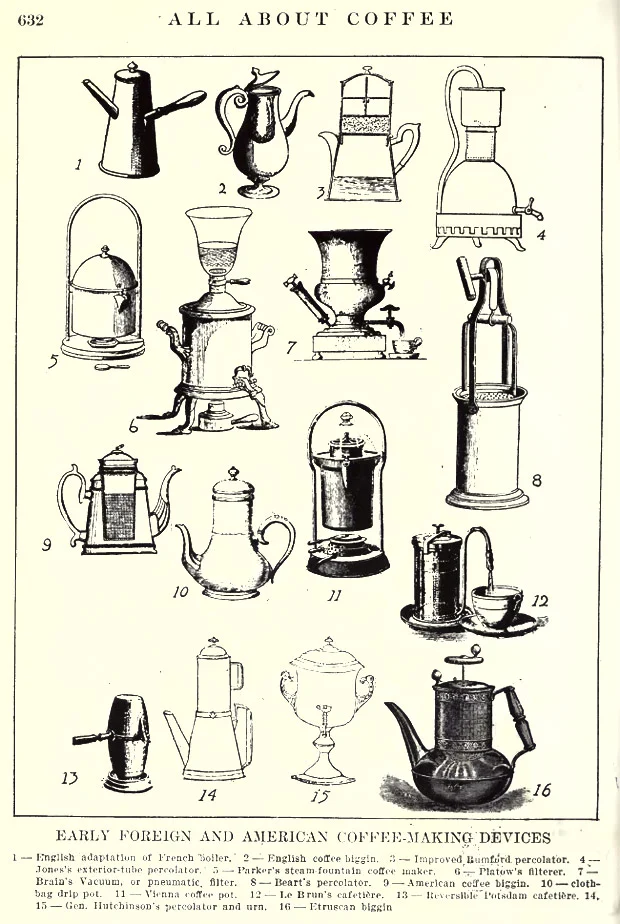
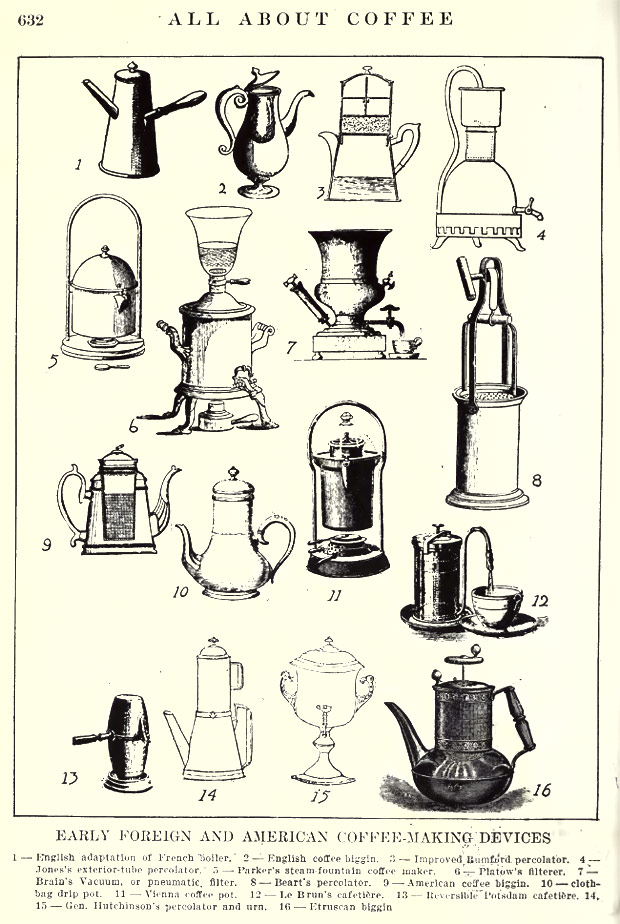
The complexity of coffee brewing is not a recent discovery. Historical texts, such as W. A. Ukers’ seminal 1922 work, "All About Coffee," illustrate a long history of ingenious coffee maker designs, highlighting humanity’s persistent efforts to refine the brewing process. From early percolation devices to the myriad pour-over brewers available today, inventors have continuously striven to "untie the coffee knot," seeking to optimize every parameter.
The Specialty Coffee Association (SCA) and similar organizations have played a pivotal role in standardizing terminology, defining quality benchmarks, and promoting scientific understanding within the coffee industry. Their guidelines for brewing, covering parameters like water temperature, brew ratio, and target extraction yields (typically 18-22% for optimal flavor), underscore the scientific rigor now applied to coffee. This collective effort, fueled by both professional baristas and dedicated home enthusiasts, drives ongoing innovation in brewer design and technique.
The Future of the Brew: Convergence and Customization
The journey to the "very best cup of coffee" remains a deeply personal and continuous exploration. The complexity inherent in pour-over brewing, while offering unparalleled control, also introduces variables that can lead to inconsistent results and fuel brewing myths, as many recipes lack sufficient detail to account for all interacting parameters. This can be frustrating for consumers attempting to replicate professional results. Conversely, immersion brewing offers a more reliable and forgiving experience, though it might sacrifice some of the delicate nuances of flavor.
The ongoing evolution of coffee makers suggests a future where these two philosophies may converge. Devices incorporating features from both worlds—such as pour-over drippers with immersion valves—aim to offer the best of both: the control of percolation with the repeatability of immersion. Ultimately, understanding the underlying chemistry and engineering principles empowers coffee lovers to navigate this complex landscape, making informed choices about their equipment and techniques. The pursuit of the perfect cup is not just about a single method or device, but about a deeper appreciation for the wonders of extraction and the endless possibilities it presents.