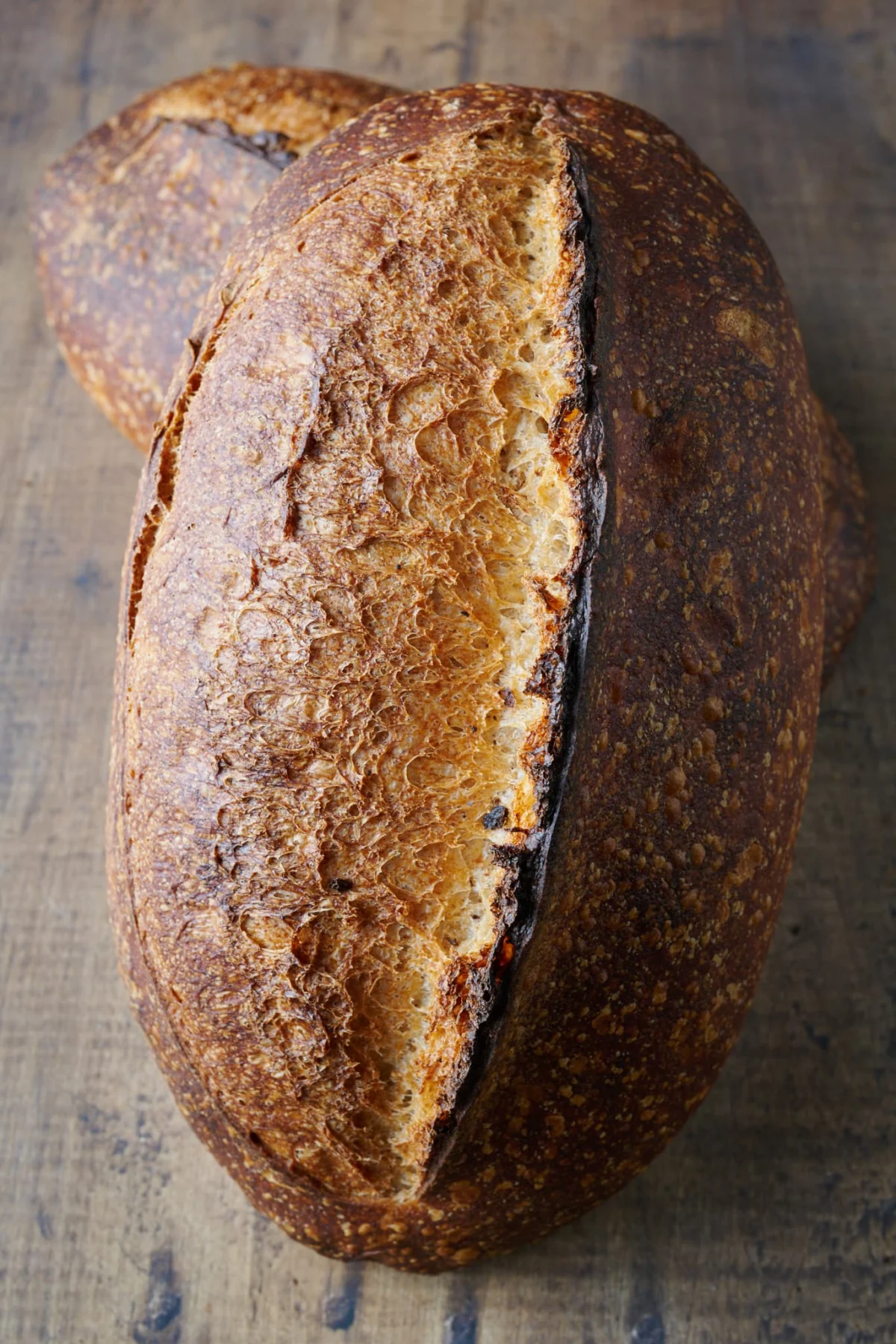

The quest for an ideal loaf of sourdough bread is a journey marked by distinct priorities for each baker. While some are drawn to the visual allure of a dark, crackling crust and the artistry of a perfectly executed score, others prioritize the tactile experience – the gentle resistance of a well-shaped loaf. Yet, for many, the ultimate measure of a sourdough’s success lies within its interior: the crumb. The intricate web of air pockets, the "open crumb," has become a coveted characteristic, often pursued with an almost obsessive dedication. However, seasoned bakers and experts emphasize a fundamental truth: flavor, the very essence of sourdough, must always take precedence.
This exploration delves into the multifaceted nature of achieving an open crumb in sourdough, examining the interplay of ingredients, techniques, and environmental factors. While the visual appeal of an open crumb is undeniable, it is increasingly understood as a byproduct of underlying fermentation prowess, meticulous dough development, and skillful handling, rather than an end in itself. This guide aims to demystify the process, empowering bakers to understand their dough and achieve the results they desire, whether that means a visually striking open crumb or a more nuanced, flavor-forward loaf.
Understanding the Open Crumb: More Than Just Holes
At its core, an open crumb refers to a loaf’s interior characterized by a network of well-distributed, relatively large air pockets. These pockets are the result of carbon dioxide gas, produced by yeast and bacteria during fermentation, being effectively trapped by a strong gluten structure. As the dough bakes, the trapped gas expands, creating the characteristic lightness and airy texture that many sourdough enthusiasts seek.
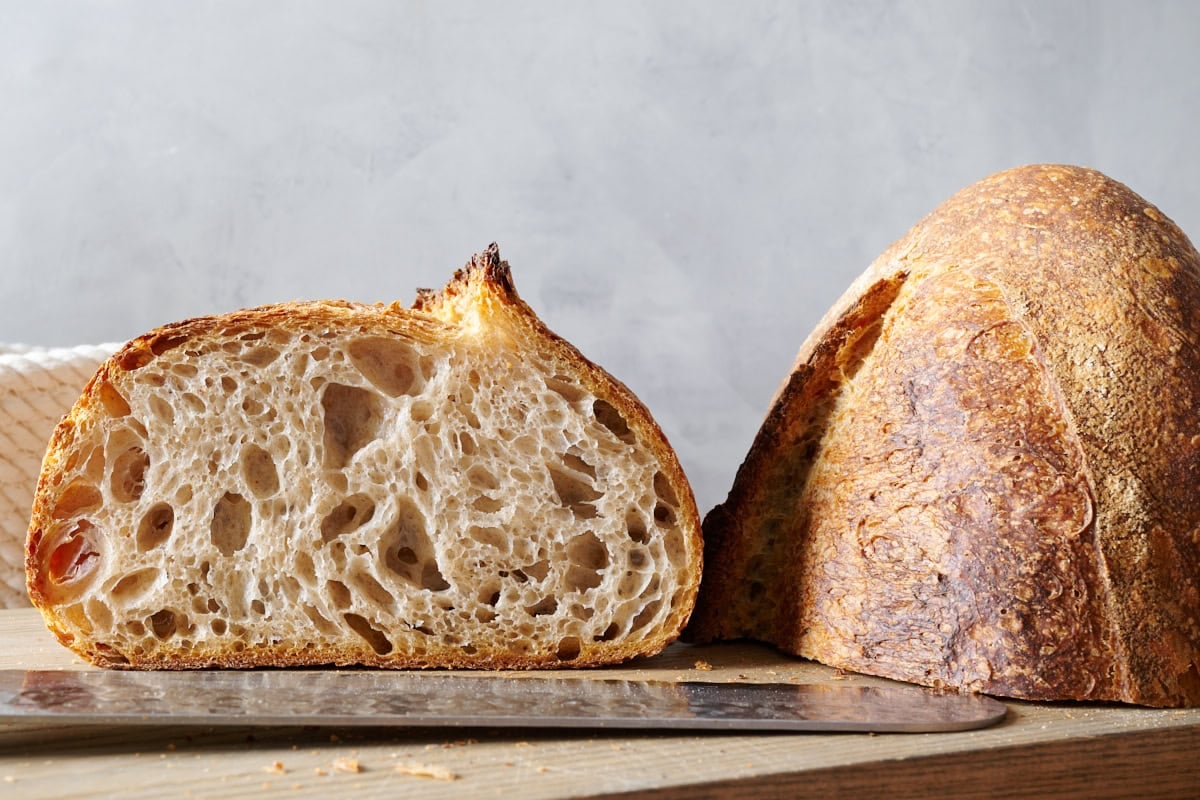
However, a common misconception is that "open crumb" equates to bread with vast, gaping holes that compromise the structural integrity of the slice. True to the artisanal philosophy, an appropriately open crumb is defined by a light, even texture with uniformly distributed holes, free from dense, gummy patches or overly large caverns. This refined structure enhances the eating experience, making the bread genuinely pleasurable, especially when paired with the complex flavors inherent to properly fermented sourdough.
The Misconception of Underproofing
A frequent pitfall for novice bakers is mistaking an underproofed loaf for one with a desirable open crumb. While underproofing can indeed result in a loaf with noticeable air pockets, these are often accompanied by large, irregular holes interspersed with denser, tighter sections. This unevenness is a telltale sign that the dough has not fermented sufficiently, leaving its gluten network underdeveloped and unable to fully expand. The loaf might exhibit an aggressive, uncontrolled oven spring, with scores breaking open erratically.
Distinguishing between a truly open crumb and the appearance of underproofing requires a developed baker’s intuition, honed through experience and careful observation. The ideal proof point is a delicate balance, achieved during both bulk fermentation and the final proof, where the dough has risen sufficiently to create a light structure but retains enough strength to expand further in the oven.
Key Factors Influencing Crumb Structure
Achieving a desirable open crumb is not a matter of a single magic bullet, but rather a symphony of carefully considered factors. From the choice of flour to the final proof, each step plays a critical role in shaping the loaf’s interior.

Flour Selection: The Foundation of Gluten Strength
The type of flour used is arguably the most crucial element in developing an open crumb. White flour, particularly that with a higher protein content, is generally favored. Protein is the precursor to gluten, the elastic network that traps fermentation gases. A higher protein content translates to a more robust gluten network, capable of expanding significantly without tearing. This is akin to the difference between a thin, easily ruptured balloon and a thicker, more resilient one that can be inflated to a larger size.
However, an excessive protein content can also be detrimental, leading to a bread that is chewy and unpleasantly rubbery, despite an open crumb. Bakers often find a sweet spot in white flours with protein levels between 11% and 13%. High-extraction flours, such as Type 85, can also contribute to an open crumb, especially when adequately hydrated, while simultaneously imparting superior flavor.
Whole wheat flour, while rich in nutrients and flavor, presents a greater challenge for achieving an open crumb. The bran and germ in whole wheat flour can interfere with gluten development, leading to a denser loaf. While a 50% whole wheat loaf may not achieve the same height and airiness as an all-white flour loaf, the trade-off in flavor and nutritional value is often considered worthwhile.
Sourdough Starter: The Engine of Fermentation
A healthy and active sourdough starter is the bedrock of any successful sourdough bake, including those aiming for an open crumb. Consistent feeding, ideally twice daily at a temperature between 74°F and 78°F (23-25°C), ensures the starter’s vitality and leavening power.

The timing of starter usage is also critical. It should be used when it has just reached its peak ripeness, typically indicated by a bubbly, airy appearance and a slightly domed top. An over-fermented starter, while potent, introduces an excess of protease enzymes into the dough. These enzymes can continue to break down gluten throughout fermentation, weakening the dough’s structure and leading to a tighter crumb.
Signs of a ripe starter include:
- Volume Increase: The starter has doubled or tripled in volume since its last feeding.
- Bubbles: Numerous small to medium-sized bubbles are visible throughout the starter.
- Aroma: A pleasant, slightly tangy aroma, not overly acidic or vinegary.
- Float Test: A small spoonful of ripe starter should float in water.
Hydration Levels: The Role of Water
Higher dough hydration generally facilitates the creation of an open crumb. Water plays a dual role: it makes the dough more extensible, allowing it to stretch and expand without tearing, and it generates steam during baking, which aids in pushing the crumb open. Doughs with hydration levels between 70% and 80% are often considered ideal for achieving this characteristic.
However, increased hydration also introduces challenges. Wetter doughs are more difficult to handle and require more skill in developing adequate strength. Pushing hydration too high for the flour’s capacity can result in a weak, soupy dough that cannot support the gas bubbles, regardless of mixing techniques. The goal is to find a balance where the dough is supple and responsive, not overly slack.

Dough Strengthening: Building the Gluten Network
Sufficient gluten development is paramount for an open crumb. The process of mixing and developing the dough builds an elastic network that can effectively trap the gases produced during fermentation. Under-developed dough will result in weak pockets that collapse, leading to a dense crumb. Conversely, over-mixing can create a dough that is too elastic, resisting expansion and resulting in a closed crumb.
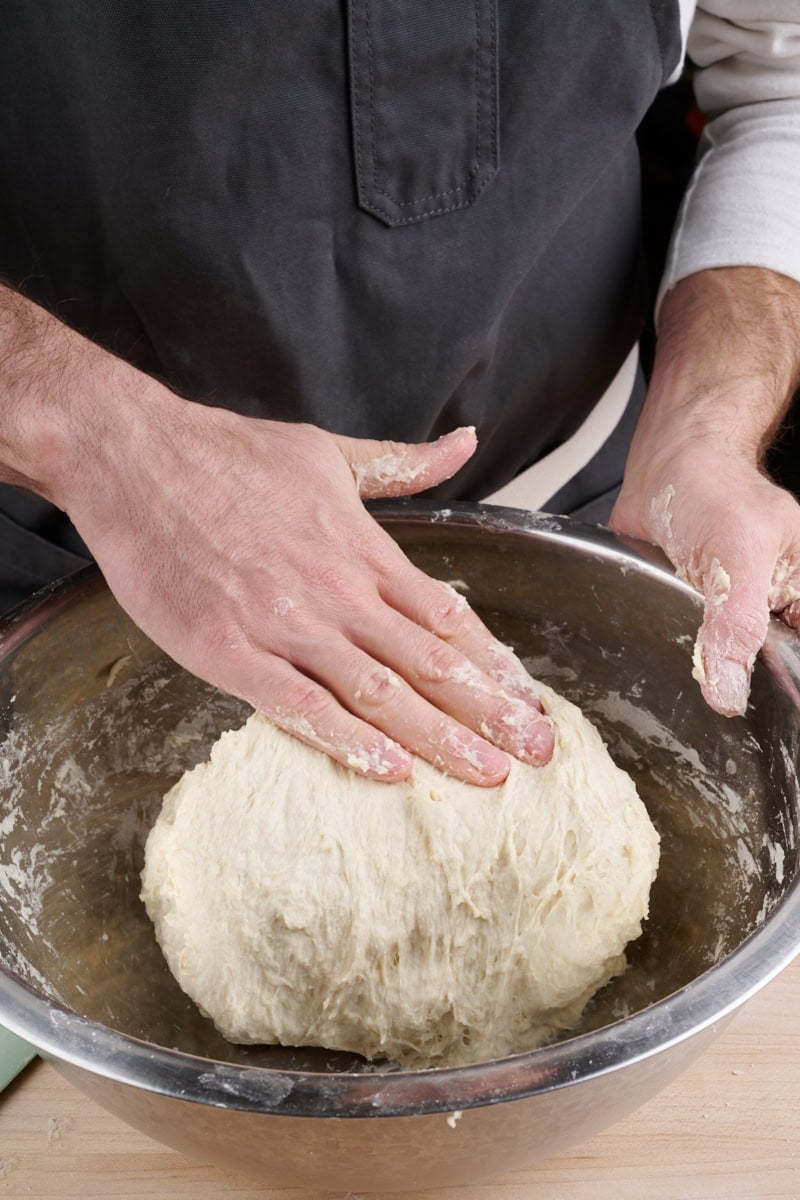
For many home bakers, particularly those mixing by hand, underdevelopment is a more common issue. It’s often recommended to mix the dough for a few minutes longer than feels intuitively comfortable, employing techniques like folding in the bowl, slap-and-folds, or using a stand mixer. The dough should become smooth, elastic, and capable of passing a modified windowpane test, where a thin membrane can be stretched without tearing.
Gentle Preshaping and Shaping: Preserving Delicate Structures
The handling of the dough during preshaping and final shaping is crucial for preserving the delicate gas pockets formed during fermentation. Rough handling, such as pressing too hard or slapping the dough against the counter, can rupture these bubbles, leading to a tighter, more uniform crumb.
Gentle techniques are key. The goal is to maintain the integrity of the gluten network and the trapped gases, allowing them to expand naturally during baking.

The Batard Advantage: Shape and Structure
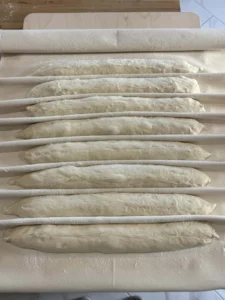
In many instances, oval-shaped loaves, or batards, tend to exhibit a more open crumb than round boules. This can be attributed to two primary factors:
- Shaping Technique: Batard shaping involves a more linear rolling motion, which is generally gentler and less likely to compress the developing gas pockets compared to the all-around tension required for shaping a boule.
- Baking Dynamics: The elongated profile of a batard allows for more even and rapid heat penetration, facilitating a more consistent expansion of the crumb. This is analogous to the difference between a thin baguette, known for its wild crumb, and a thick miche, which tends towards a denser interior.
While a boule can certainly achieve an open crumb, transitioning to a batard shape may prove beneficial for bakers struggling with a tight interior.
The Art of Proofing: The Final Frontier
The final proof is a critical stage where the dough undergoes its last significant rise before baking. The objective is to achieve a state where the dough has risen by approximately 75% to 80% of its full potential height, leaving some reserve for oven spring.
Overproofing can lead to the breakdown of the gluten network due to enzyme activity, resulting in a dough that loses its ability to trap gas. This translates to a sluggish rise in the oven and a denser crumb, even if the flavor profile is still desirable.

A well-proofed dough will feel light and puffy. The poke test, a gentle indentation with a finger, should result in the impression slowly springing back, not immediately (under-proofed) or remaining fully indented (over-proofed).
Bonus Technique: The Autolyse for Enhanced Extensibility
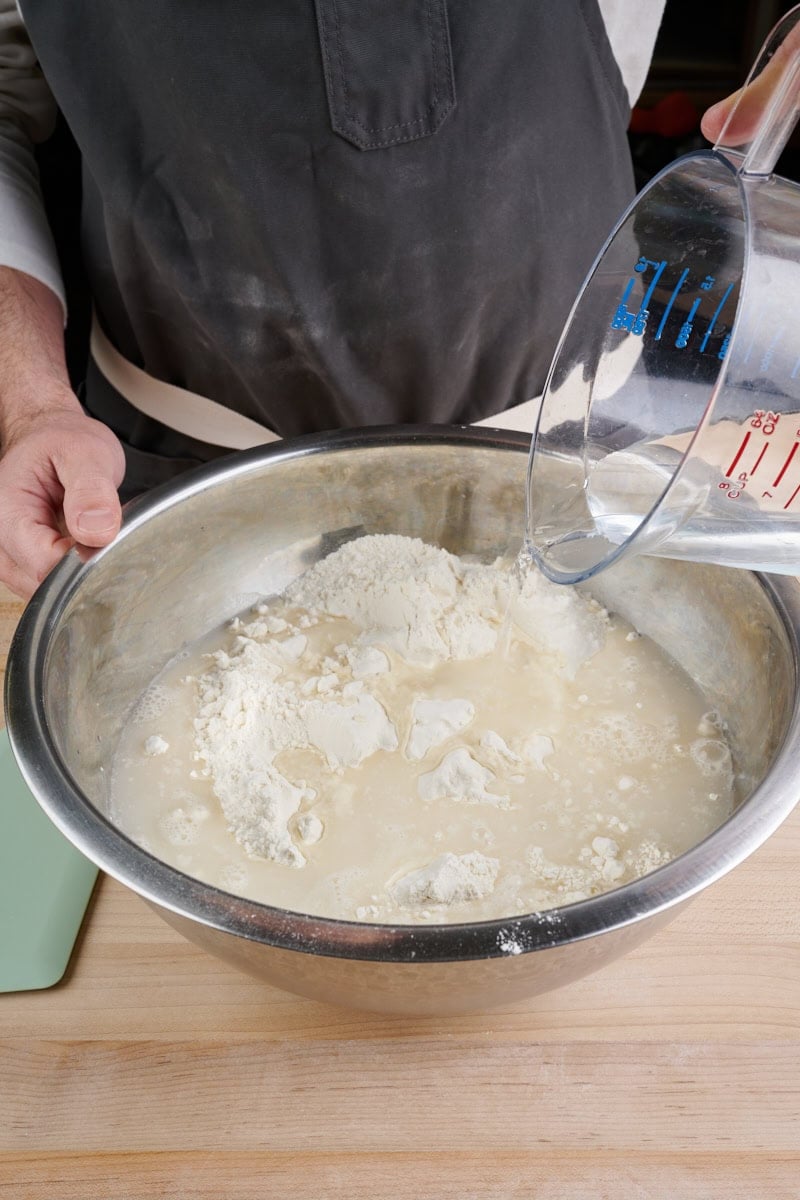
The autolyse technique, involving the resting of flour and water before the addition of salt and leavening agents, can significantly improve dough extensibility. During this resting period, flour enzymes begin to break down protein bonds, making the dough more pliable and less resistant to stretching. This is particularly beneficial when working with high-protein flours, which can be quite elastic.
An autolyse of 30 minutes to an hour can help tame the flour’s natural resistance, allowing the dough to expand more freely and accommodate larger gas bubbles without tearing. This increased extensibility is a valuable asset in the pursuit of an open crumb.
The Broader Implications of Sourdough Craftsmanship
The pursuit of the perfect sourdough crumb is more than just a culinary endeavor; it’s a testament to the patience, observation, and iterative learning inherent in artisanal baking. It highlights how subtle changes in ingredients and techniques can lead to significant differences in the final product. The emphasis on flavor above all else underscores a deeper appreciation for the sourdough process itself, where the transformation of simple ingredients through fermentation yields complex and rewarding results.
As bakers experiment with hydration levels, starter ripeness, and shaping methods, they gain a profound understanding of their dough’s behavior. This knowledge empowers them to troubleshoot issues, adapt recipes to their environment, and ultimately, create bread that brings them joy. The ultimate goal is not necessarily to replicate a picture-perfect loaf, but to bake bread that is delicious and satisfying.
FAQs: Addressing Common Open Crumb Challenges
How can I avoid an overly open crumb?
For those who prefer a less open crumb, gentle degassing of the dough before shaping can help. By patting the dough with a flat hand to slightly flatten it, you can redistribute gases more evenly, minimizing large, gaping holes.
My bread has a nice open crumb, but it’s gummy or tough. What’s wrong?
This can often be attributed to using flour with an excessively high protein content. While high protein contributes to an open crumb, it can also lead to a chewy, rubbery texture if not balanced appropriately.
What’s next for achieving a great crumb?
For those seeking a reliable recipe that consistently produces a beautiful, open crumb, exploring recipes like "My Best Sourdough Recipe" can be a valuable starting point. These recipes often encapsulate the principles discussed, offering a roadmap to achieving desired results.
The journey to mastering sourdough is continuous, with each loaf offering an opportunity for learning and refinement. By understanding the interplay of various factors, bakers can move beyond chasing a singular ideal and instead cultivate a deeper connection with their craft, producing bread that is not only visually appealing but, most importantly, exceptionally delicious.