
The allure of a steaming bowl of gumbo is undeniable. This iconic Southern stew, a rich tapestry woven with tender meats, vibrant vegetables, and a deeply flavored broth, offers a symphony of tastes that embodies the spirit of regional cuisine. But when faced with such a robust and complex dish, the question naturally arises: what accompaniments can elevate this culinary masterpiece even further? This exploration delves into a curated selection of the finest Southern side dishes, offering both traditional complements and delightful surprises to perfectly balance the profound flavors of gumbo.
The Foundation: Rice, the Quintessential Gumbo Companion
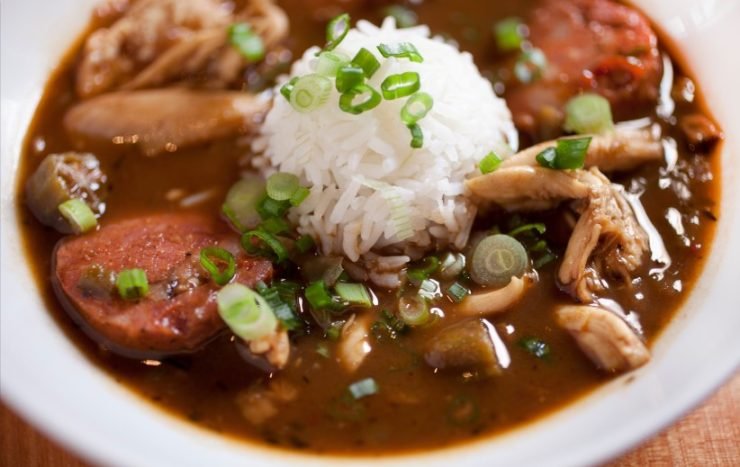
At the heart of any traditional gumbo experience lies the humble yet indispensable grain of rice. This pairing is so deeply ingrained in the culinary fabric of the South that it’s often considered an inseparable element of the dish itself. White rice, in its myriad forms, serves as the ideal canvas upon which the complex flavors of gumbo can unfold without competition. Its neutral profile and yielding texture absorb the rich, savory broth, providing a comforting foundation that enhances the overall dining experience. While standard white rice is the classic choice, individuals seeking a slightly heartier and nuttier alternative may opt for brown rice, a variation that still harmonizes beautifully with the stew’s depth.
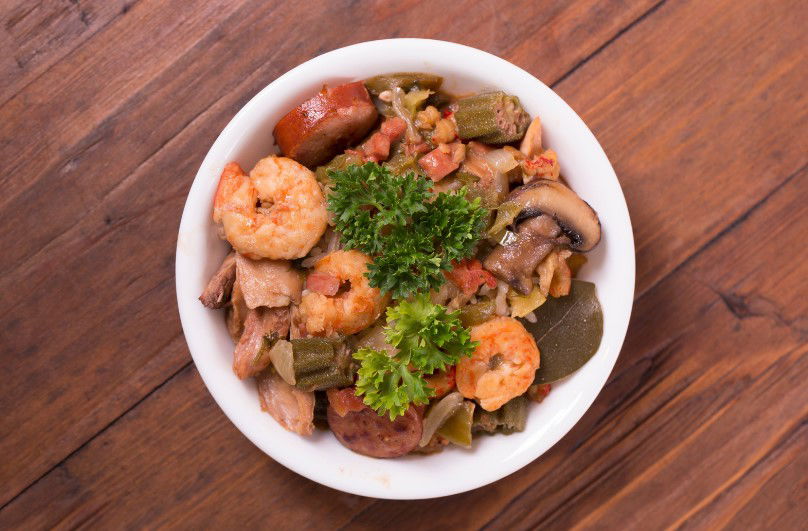
The strategic advantage of serving gumbo with rice extends beyond mere flavor compatibility. Rice significantly contributes to the overall heartiness of the meal, transforming a generous portion of gumbo into a truly satisfying repast. This is particularly beneficial when serving larger groups, as the rice effectively stretches the meal, ensuring that even the most voracious appetites are appeased. Furthermore, rice’s inherent simplicity makes it an excellent candidate for meal preparation. Its ability to reheat quickly and efficiently means that leftover gumbo, served alongside freshly prepared or reheated rice, remains a delectable and convenient option for subsequent meals.
For those who wish to perfect their rice preparation at home, the advent of modern kitchen appliances offers a pathway to consistent, flawless results. Rice cookers, particularly those originating from Japan, are renowned for their precision and ability to produce perfectly fluffy grains every time. Investing in such a device can elevate home cooking, ensuring that this fundamental element of gumbo service is always executed with excellence. Alternatively, for those who prefer traditional stovetop methods, comprehensive guides are readily available, detailing the precise techniques needed to achieve ideal rice consistency in any standard kitchen pot.
Cooling the Palate: The Refreshing Contrast of Potato Salad
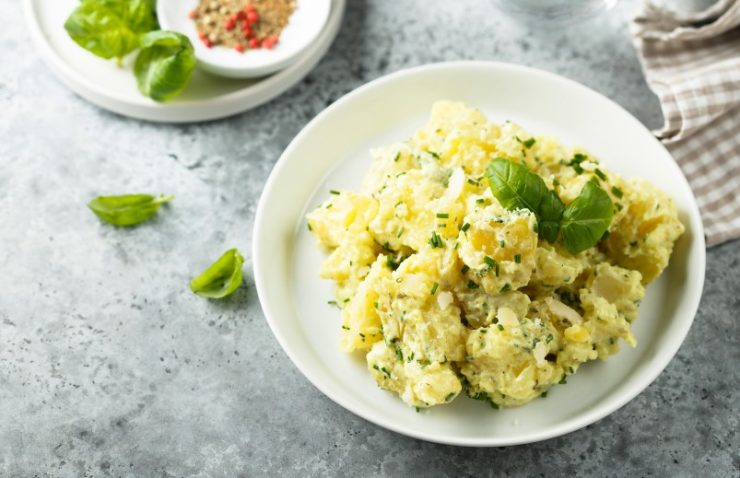
While the notion of pairing a cool, creamy potato salad with a hot, hearty gumbo might initially seem unconventional, this combination offers a surprisingly effective and delightful contrast. The creamy, often mayonnaise-based dressing of a well-made potato salad provides a welcome counterpoint to the inherent heat and spice that can characterize many gumbo recipes. In the midst of savoring the complex layers of a well-spiced gumbo, a spoonful of chilled potato salad offers a palate-cleansing respite, effectively taming any lingering spice and preparing the taste buds for the next flavorful bite.
The practical advantages of potato salad as a gumbo accompaniment are also significant. Its ability to be prepared entirely in advance makes it an ideal choice for hosts aiming for a seamless serving experience. Assembling the gumbo and the potato salad ahead of time significantly reduces day-of cooking stress, allowing for a more relaxed and enjoyable gathering. The cool, starchy texture of the potatoes, combined with the richness of the dressing, creates a satisfying textural diversity that complements the often-simmering consistency of gumbo. For those seeking an authentic Southern experience, a recipe that embraces regional nuances, such as the inclusion of ingredients like mustard, celery, and a touch of vinegar, will further enhance the traditional appeal of this pairing.
A Crumbling Classic: The Enduring Appeal of Cornbread
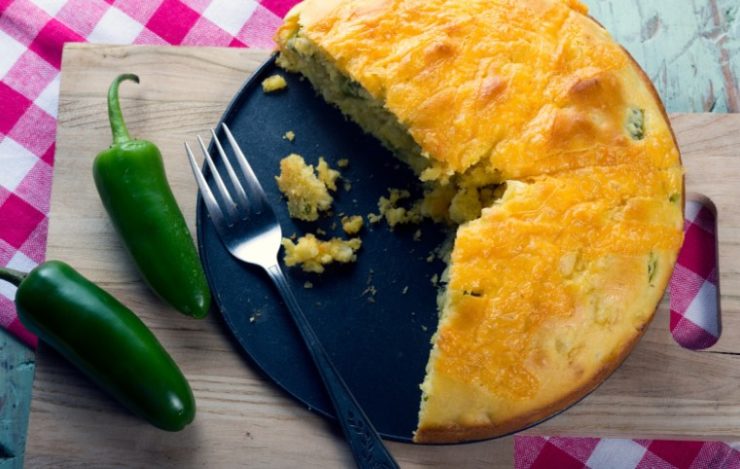
Cornbread stands as another pillar of Southern cuisine, and its presence alongside gumbo is a testament to its enduring popularity and versatility. This slightly sweet, crumbly bread offers a comforting and familiar flavor profile that harmonizes beautifully with the savory depths of gumbo. Whether prepared from a simple boxed mix or crafted from scratch, cornbread provides a hearty and satisfying element that is almost universally adored.
The preparation of cornbread itself can be a delightful culinary journey. Many home cooks favor the rustic charm and superior heat retention of a cast-iron skillet, which allows for effortless serving directly from the pan. This method not only enhances the presentation but also contributes to the bread’s characteristic crispy exterior. The beauty of cornbread lies in its adaptability. While a classic Southern-style recipe forms a solid foundation, it readily accommodates a variety of additions. The inclusion of ingredients such as diced jalapeños can introduce a subtle spicy kick, while crumbled bacon or grated cheddar cheese can add layers of savory richness. Regardless of the chosen modifications, the resulting cornbread offers a delightful textural contrast and a complementary flavor profile that begs to be dipped into a warm bowl of gumbo.
A Lighter Touch: The Sophisticated Pairing of Bleu Cheese Wedge Salad
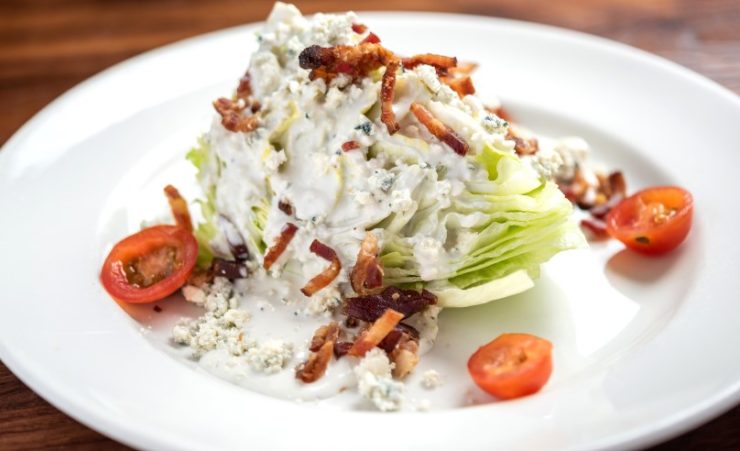
For those seeking a lighter yet equally sophisticated accompaniment to a rich and hearty gumbo, the Bleu Cheese Wedge Salad emerges as an inspired choice. The distinctive, pungent character of bleu cheese, coupled with its inherent creaminess, offers a bold yet balanced counterpoint to the often intense flavors of gumbo. This salad provides a refreshing contrast without overwhelming the palate, making it an excellent option when a less substantial side is desired.
The elegance of a wedge salad lies in its simplicity and the quality of its components. A crisp head of iceberg lettuce, expertly cut into wedges, forms the base. This is then adorned with a generous drizzle of creamy bleu cheese dressing, often enhanced with crumbles of the cheese itself, perhaps some crispy bacon bits, or even thinly sliced red onion for a touch of sharpness. The cool, crisp texture of the lettuce, combined with the tangy, creamy dressing, provides a welcome textural and flavor interlude between bites of the savory gumbo. The relative speed with which a wedge salad can be assembled further adds to its appeal, making it a practical yet impressive addition to any gumbo feast.
A Textural Delight: The Crispy Charm of Fried Okra
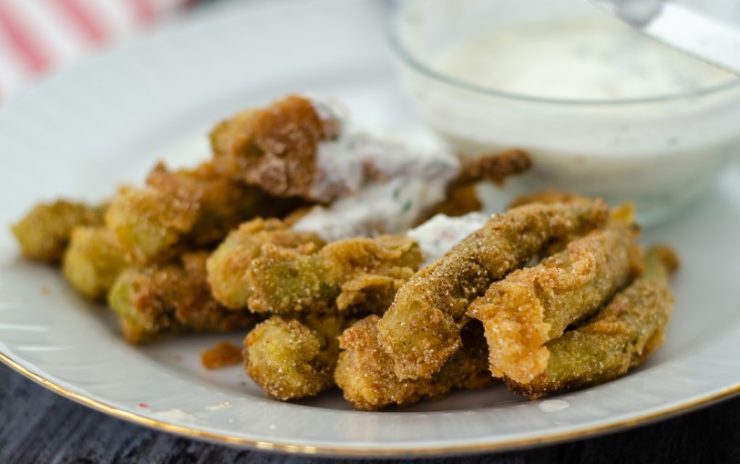
The inclusion of okra in gumbo is not merely a culinary tradition; it is deeply rooted in the very etymology of the dish. The word "gumbo" itself is believed to derive from the West African word for okra, underscoring its historical significance in the region’s cuisine. Therefore, extending this beloved ingredient to a side dish by frying it offers a delightful and thematically appropriate pairing. Fried okra provides a much-appreciated textural contrast to the often-simmering consistency of gumbo, introducing a satisfying crunch that elevates the overall dining experience.
The preparation of fried okra typically involves coating tender okra pods in a seasoned cornmeal or flour mixture before frying them to a golden crisp. The result is a delectable appetizer or side that can be enjoyed independently or used to garnish bowls of gumbo. The subtle, slightly earthy flavor of okra complements the savory notes of the stew without competing. For an added layer of enjoyment, serving fried okra with a complementary dipping sauce, such as a tangy remoulade or a creamy garlic aioli, further enhances its appeal. This approach not only honors the historical connection between okra and gumbo but also introduces a popular and universally enjoyed element to the meal.
A Comforting Embrace: The Richness of Creamed Corn
Southern-style creamed corn offers a comforting and decadent counterpoint to the often bold and spicy nature of gumbo. This dish, characterized by its generous use of butter and cream, provides a rich and velvety texture that effectively soothes the palate. The inherent sweetness of the corn, combined with the luxuriousness of the dairy, creates a harmonious balance that complements, rather than competes with, the complex flavors of the gumbo.
Creamed corn can be served either as a standalone side dish or, for those seeking an extra layer of indulgence, spooned directly onto a bowl of gumbo. Its smooth consistency and mild sweetness act as a delightful foil to the more robust elements of the stew, creating a more nuanced and multi-dimensional flavor experience. The simplicity of its preparation, often involving just a few key ingredients, belies its rich flavor profile. This makes it an accessible yet impressive addition to any gumbo spread, embodying the comforting and soul-satisfying essence of Southern cooking.
The Versatile Staple: Fluffy Baked Potatoes
A perfectly cooked baked potato, with its crispy, salty exterior and impossibly fluffy interior, presents itself as an exceptionally versatile and satisfying accompaniment to gumbo. This humble staple offers an economical yet substantial option that can easily be scaled to feed any gathering, ensuring that no guest leaves hungry. The inherent heartiness of a baked potato provides a robust foundation that can stand up to the richness of gumbo, making it a filling and comforting choice.
The art of preparing an exceptional baked potato often involves a "double-bake" technique. The initial bake renders the potato tender throughout, while a subsequent bake after seasoning and brushing with fat (such as butter or olive oil) creates a wonderfully crispy skin. This duality of textures—the yielding interior and the satisfyingly crisp exterior—is highly appealing. Baked potatoes can be served in various ways: simply split open with butter, allowing the gumbo to be spooned over the fluffy interior, or transformed into loaded baked potatoes with an array of toppings like shredded cheese, crispy bacon bits, chives, and sour cream. This adaptability allows for customization to suit individual preferences and adds an interactive element to the meal.
A Tangy Refresher: The Crisp Appeal of Coleslaw
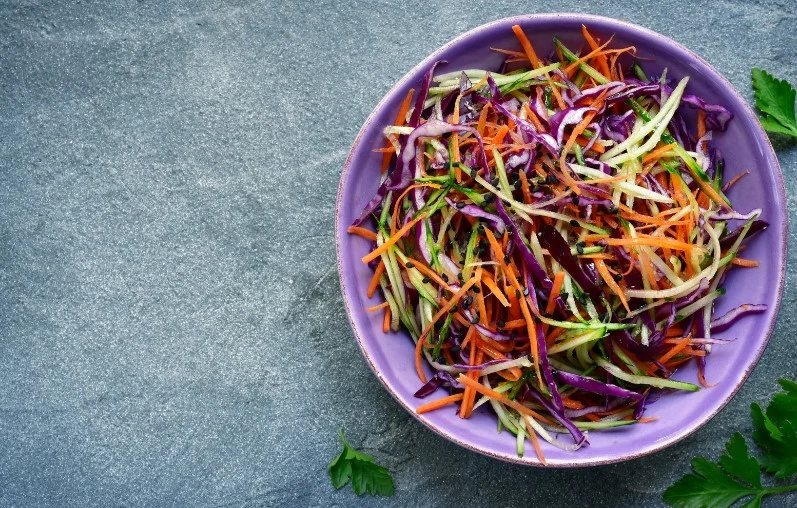
For those who appreciate a bright, tangy counterpoint to the richness of gumbo, coleslaw stands out as an excellent choice. The refreshing crunch of shredded cabbage, combined with a creamy, zesty dressing, offers a vibrant contrast that effectively cuts through the intensity of the stew. The interplay of textures—the crisp cabbage against the smooth dressing—adds another layer of interest to the meal.
A classic Southern coleslaw typically features a base of shredded cabbage and carrots, bound together with a dressing often made from mayonnaise, vinegar, and a blend of spices. This combination creates a delightful balance of creamy, tangy, and slightly sweet notes. Coleslaw is also an ideal make-ahead side dish, as the flavors tend to meld and deepen as it sits. This practicality, coupled with its refreshing character, makes it a highly sought-after accompaniment for a hearty bowl of gumbo, providing a welcome burst of freshness with every bite.
Frequently Asked Questions
What kind of bread goes with gumbo?
A variety of breads can complement gumbo, each offering a distinct textural experience. Cornbread, with its slightly sweet and crumbly nature, is a classic choice. Soft, buttery biscuits provide a tender and absorbent option, while a simple soft yeast roll offers a more neutral, bread-like accompaniment.
Does jambalaya go with gumbo?
While both jambalaya and gumbo are iconic Louisiana dishes with shared culinary roots and ingredients, they are generally considered distinct main courses. Jambalaya inherently incorporates rice into its preparation, whereas gumbo is traditionally served with a side of rice. Serving both might lead to a duplication of starch and flavor profiles, so it is typically recommended to choose one as the central dish for a meal.