
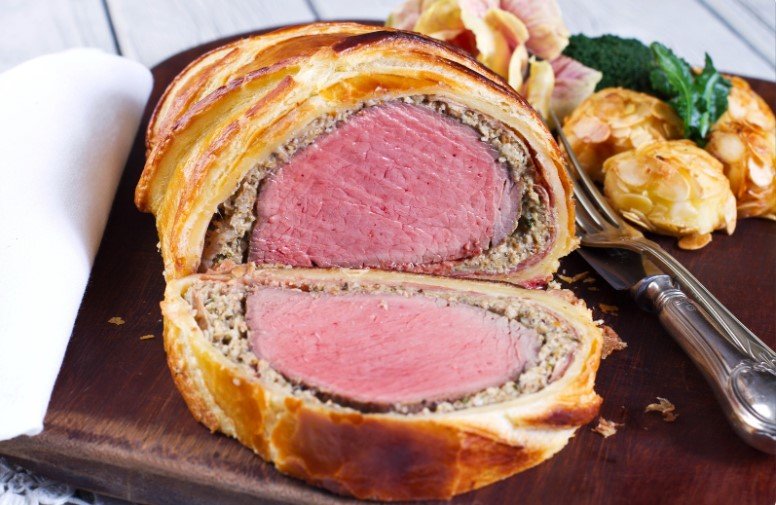
Crafting a Beef Wellington is an culinary undertaking that demands precision, patience, and a certain degree of daring. The process, often described as nerve-wracking by home cooks, culminates in a dish of exquisite richness and complexity. Given the labor and indulgence inherent in this classic centerpiece, the accompanying sauces and sides play a crucial role in complementing, rather than competing with, its grandiosity. This exploration delves into meticulously selected accompaniments designed to enhance the Beef Wellington experience without introducing unnecessary complexity to the final stages of preparation.
Harmonizing Flavors: Sauces Fit for a Wellington
The journey to a perfectly executed Beef Wellington often involves a delicate balance of flavors. The savory beef, earthy mushroom duxelles, and flaky pastry create a symphony on the palate. To further elevate this experience, a thoughtfully chosen sauce can act as a bridge, unifying the elements and adding another layer of sophistication.
The Quintessential Red Wine Reduction Sauce
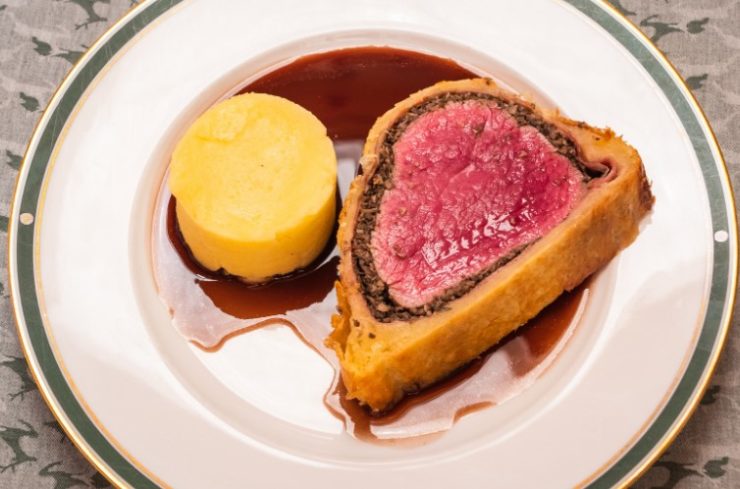
When considering the ideal partner for a Beef Wellington, the Red Wine Reduction Sauce emerges as an undisputed classic. This choice is not merely a matter of popular opinion; it is a testament to its enduring appeal and its ability to resonate with the core components of the dish. Notably, this is the very sauce that graces the esteemed Beef Wellington offerings at Gordon Ramsay’s renowned Hell’s Kitchen restaurants, a fact that speaks volumes about its culinary merit.
The magic of a red wine reduction lies in its concentrated essence. A carefully selected red wine, often a robust Cabernet Sauvignon or a Merlot, is simmered with aromatics such as garlic, fresh thyme, and a touch of balsamic vinegar. This slow reduction process intensifies the wine’s natural flavors, creating a sauce that is both bold and nuanced. The garlic provides a pungent depth, the thyme offers an herbaceous counterpoint, and the balsamic vinegar introduces a subtle acidity that cuts through the richness of the beef and the inherent earthiness of the mushroom duxelles. The resulting sauce is a deep, glossy elixir that beautifully coats the tender pastry and succulent meat.
Crucially, this sauce offers remarkable efficiency in its preparation. Many recipes for a red wine reduction can be completed in under 10 minutes, a timeframe that aligns perfectly with the resting period of a freshly baked Beef Wellington. This allows the chef to focus on the critical task of allowing the Wellington to settle before slicing, ensuring optimal moisture retention and presentation. The ability to prepare such a sophisticated sauce in a minimal amount of time underscores its practicality for both novice and experienced cooks.
A valuable insight for those seeking flexibility in their pantry is the adaptability of this sauce. In instances where red wine is not readily available or when a preference for a non-alcoholic option exists, a direct substitution of an equal volume of high-quality beef stock can yield a similarly satisfying result. While the distinctive notes of the wine will be absent, the fundamental savory depth and aromatic qualities will remain, ensuring a delicious complement to the Wellington.
The Complementary Creamy Mushroom Sauce
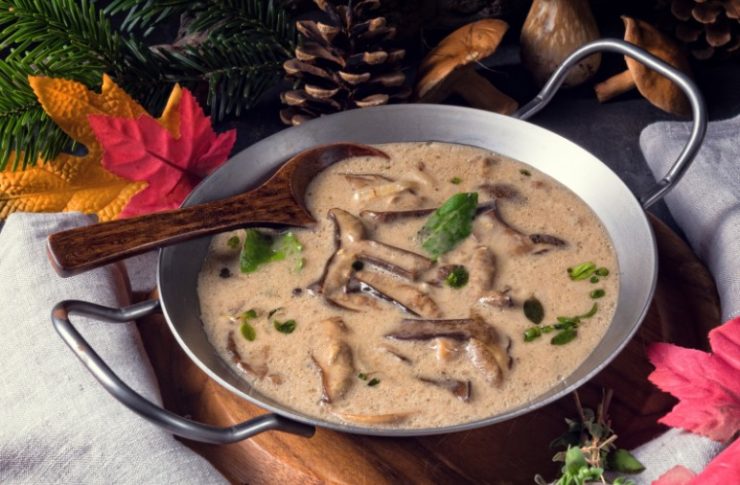
Given that the Beef Wellington is traditionally enveloped in a layer of mushroom duxelles, a Creamy Mushroom Sauce offers a strategic advantage by building upon and amplifying these existing flavors. This approach creates a harmonious culinary narrative, where the sauce acts as an extension of the Wellington’s inherent profile, rather than an unrelated addition.
The construction of this sauce is remarkably straightforward, often requiring minimal ingredients and a swift execution. Its versatility allows for spontaneous adjustments based on available pantry items. A fresh clove of garlic can be introduced for an added pungent kick, a splash of white wine from an opened bottle can lend a subtle acidity, and a medley of chopped fresh herbs can infuse the sauce with vibrant, aromatic notes. This adaptability makes it an ideal choice for those who enjoy a degree of improvisation in their cooking.
The creamy texture of this sauce, derived from ingredients like heavy cream or crème fraîche, provides a luxurious mouthfeel that elegantly drapes over the Beef Wellington. The earthy notes of the mushrooms are further enhanced, creating a rich and deeply satisfying flavor profile. The quick preparation time further solidifies its position as a practical and impactful accompaniment.
For those who may not have soy sauce on hand, a small amount of balsamic vinegar can serve as a suitable substitute, offering a similar tanginess. Similarly, if thyme is unavailable, a broad range of dried or fresh herbs can be employed, demonstrating the sauce’s forgiving nature and its capacity to incorporate a variety of complementary flavors.
The Bold Decadent Peppercorn Sauce
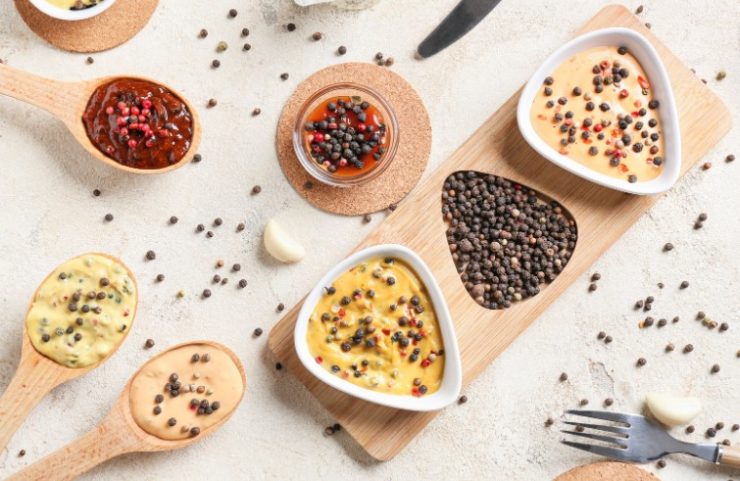
For those who gravitate towards bolder flavor profiles, a Decadent Peppercorn Sauce presents an undeniably luxurious and potent pairing for Beef Wellington. This sauce is a testament to the power of simple, high-quality ingredients coming together to create an extraordinary culinary experience.

The foundation of this sauce is typically a rich combination of heavy cream, cracked peppercorns, beef stock, finely minced shallots, garlic, butter, and Worcestershire sauce. The heavy cream plays a dual role: it mellows the assertive bite of the peppercorns, transforming them into a warm, spicy embrace, while simultaneously lending the sauce a thick, unctuous consistency that stands up admirably to the substantial nature of the Beef Wellington. The shallots and garlic provide aromatic depth, the butter contributes a silken richness, and the Worcestershire sauce adds a subtle umami complexity.
The resulting sauce is so intensely flavorful and satisfying that its appeal can be almost primal, prompting a desire to savor every last drop. Its robust character ensures that it can hold its own against the powerful flavors of the Beef Wellington, creating a dynamic interplay on the palate.
A strategic advantage of this sauce, as highlighted by its proponents, is its synergy with other dishes. When served alongside French green beans, particularly those prepared with shallots, the flavors of the sauce and the side dish can mutually enhance each other. The shared ingredient of shallots creates a thematic link, allowing the subtle sweetness and aroma of the shallots in the beans to harmonize with their presence in the sauce. This thoughtful pairing can elevate the entire dining experience, demonstrating a sophisticated understanding of flavor compatibility.
The Essential Counterpoint: Five Sides to Complement Beef Wellington
While the Beef Wellington reigns supreme as the main event, the accompanying side dishes are vital for creating a balanced and complete meal. These selections are chosen for their ability to provide textural contrast, introduce complementary flavors, and maintain a sense of refined simplicity.
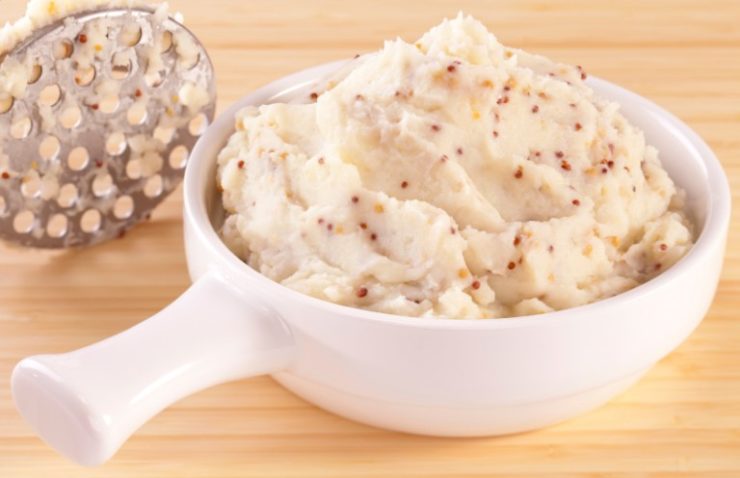
Whole Grain Mustard Mashed Potatoes
The inclusion of Dijon mustard within the Beef Wellington itself is a well-guarded secret for many chefs, contributing a subtle yet distinct tang. Whole Grain Mustard Mashed Potatoes serve as an elegant extension of this flavor profile, creating a cohesive culinary narrative that flows from the main dish to its accompaniments.
This side dish exemplifies the principle of achieving significant flavor impact with minimal effort. Utilizing straightforward ingredients, these mashed potatoes come together efficiently, often in a single pot, minimizing cleanup. Furthermore, their make-ahead potential offers a significant advantage for busy hosts. They can be prepared in advance and then gently reheated with a touch of butter and cream just before serving, ensuring a warm and comforting addition to the meal.
The distinctive character of whole grain mustard, with its slightly coarser texture and more assertive flavor, provides a delightful contrast to the smooth, creamy texture of the mashed potatoes. This combination offers a more complex and engaging potato experience than traditional preparations.
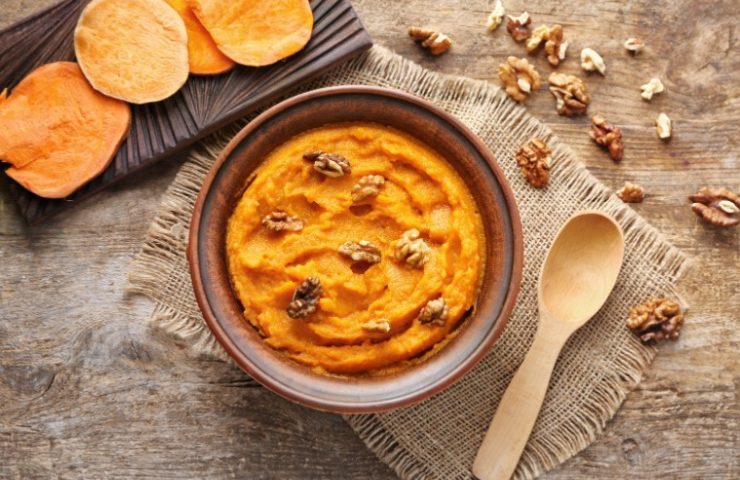
Roasted Garlic Mashed Sweet Potatoes & Carrots
The appeal of mashed vegetables as a side for Beef Wellington is undeniable, offering a comforting and receptive canvas for the rich sauces. This particular iteration elevates the humble mashed side by incorporating the sweet, mellow notes of roasted garlic and the vibrant, earthy sweetness of pureed carrots.
The roasting process imbues the garlic with a profound sweetness and a creamy texture, transforming its usual pungent bite into a mellow, savory depth. When blended with the inherent sweetness of sweet potatoes and the subtle earthiness of carrots, the result is a side dish that is both comforting and sophisticated. The bright orange hue of the carrots adds a visually appealing element to the plate, further enhancing the overall presentation.
The flavor profile of this mashed medley is carefully calibrated to complement, rather than overpower, the Beef Wellington. Its savory sweetness and smooth texture provide a delightful counterpoint to the richness of the beef and the crispness of the pastry. This seamless integration ensures that the Beef Wellington remains the star of the show, while the side dish provides a harmonious and satisfying backdrop.
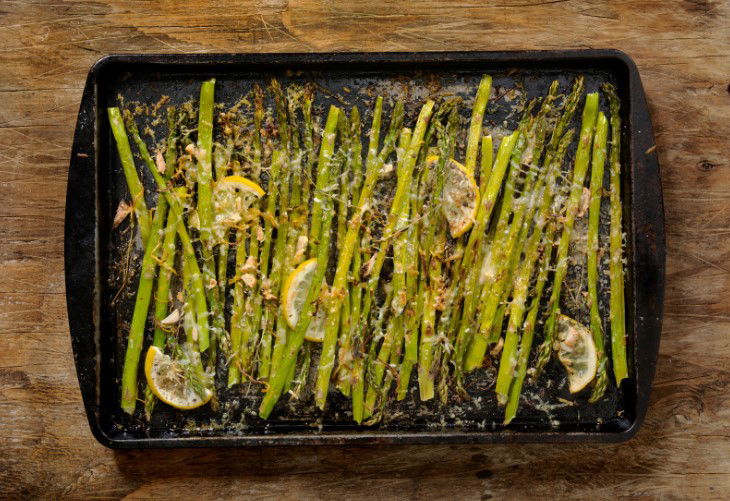
Baked Asparagus with Parmesan
For those seeking a lighter, brighter counterpoint to the opulence of Beef Wellington, Baked Asparagus with Parmesan offers an ideal solution. This preparation introduces a refreshing zest and a pleasing textural contrast to the plate.
The inherent crisp-tender nature of asparagus provides a welcome textural variation. When baked with a coating of Panko breadcrumbs and grated Parmesan cheese, it achieves a delightful crispness, offering a satisfying crunch with each bite. The addition of lemon, often incorporated into recipes for this dish, introduces a crucial element of acidity. This citrusy note acts as a palate cleanser, cutting through the richness of the Beef Wellington and preventing the meal from feeling overly heavy.
A significant practical advantage of this side dish is its synchronicity with the Beef Wellington’s cooking process. Asparagus can often be baked in the oven alongside the Wellington during its final stages of cooking, streamlining the overall preparation. This efficiency is invaluable when hosting, allowing the chef to manage multiple components of the meal simultaneously.
Honey Balsamic Brussels Sprouts
Brussels sprouts, when prepared correctly, can transform from a divisive vegetable into a culinary delight. The Honey Balsamic Brussels Sprouts recipe offers a compelling example of this transformation, yielding a side dish that is both complex in flavor and delightfully balanced.
These Brussels sprouts are characterized by their tender interiors and crispy, caramelized outer leaves, a testament to proper roasting techniques. The combination of honey and balsamic vinegar creates a captivating sweet and tangy profile. The natural bitterness of the sprouts is beautifully counteracted by the sweetness of the honey, while the balsamic vinegar provides a sharp, acidic counterpoint that prevents the dish from becoming cloying.
The texture and flavor of these sprouts make them an exceptionally well-suited partner for Beef Wellington. They are not overly heavy, thus avoiding any sense of caloric overload. Their inherent sweetness and tanginess offer a refreshing contrast to the savory richness of the Wellington. The irresistible nature of this dish is often noted, with many finding it difficult to resist consuming them directly from the baking tray.
French Green Beans with Shallots
Simplicity, elegance, and a depth of subtle flavor characterize French Green Beans with Shallots, making it a sophisticated choice to accompany Beef Wellington. This dish eschews overt complexity for a refined approach that highlights the natural quality of its ingredients.
The key to achieving the hallmark tenderness of this dish lies in a low and slow cooking method, typically in olive oil. This gentle cooking process mellows the inherent flavor of the green beans, rendering them soft and yielding, almost pillowy in texture. The shallots, when cooked slowly, release their natural sweetness and a delicate aromatic essence, infusing the beans with a subtle yet profound flavor.
As previously mentioned, the pairing of these green beans with a peppercorn sauce offers a particularly synergistic experience. The shared presence of shallots in both the sauce and the side dish creates a cohesive flavor profile, where the distinct notes of the shallots are amplified and harmonized. This thoughtful integration demonstrates how well-chosen sides can elevate the entire dining experience. The straightforward nature of the recipe ensures that this elegant dish can be prepared without adding undue stress to the host’s workload.
Frequently Asked Questions
What’s a good side dish for Beef Wellington?
An ideal accompaniment for Beef Wellington often involves mashed or pureed vegetables, serving as a comforting base for the rich sauce. The combination of a smooth vegetable side and a complementary sauce creates an indulgent, satisfying, and decadent meal that harmonizes with the main course.
How do you keep Beef Wellington from getting soggy?
Preventing a soggy Beef Wellington involves addressing several critical factors. First, thoroughly cooking the mushroom duxelles is paramount to remove excess moisture. Second, ensuring the meat is properly tied and chilled before baking helps to contain its juices. Finally, wrapping the beef in a barrier, such as prosciutto or a thin layer of crepes before the puff pastry, can further prevent moisture transfer, safeguarding the crispness of the pastry layers.