
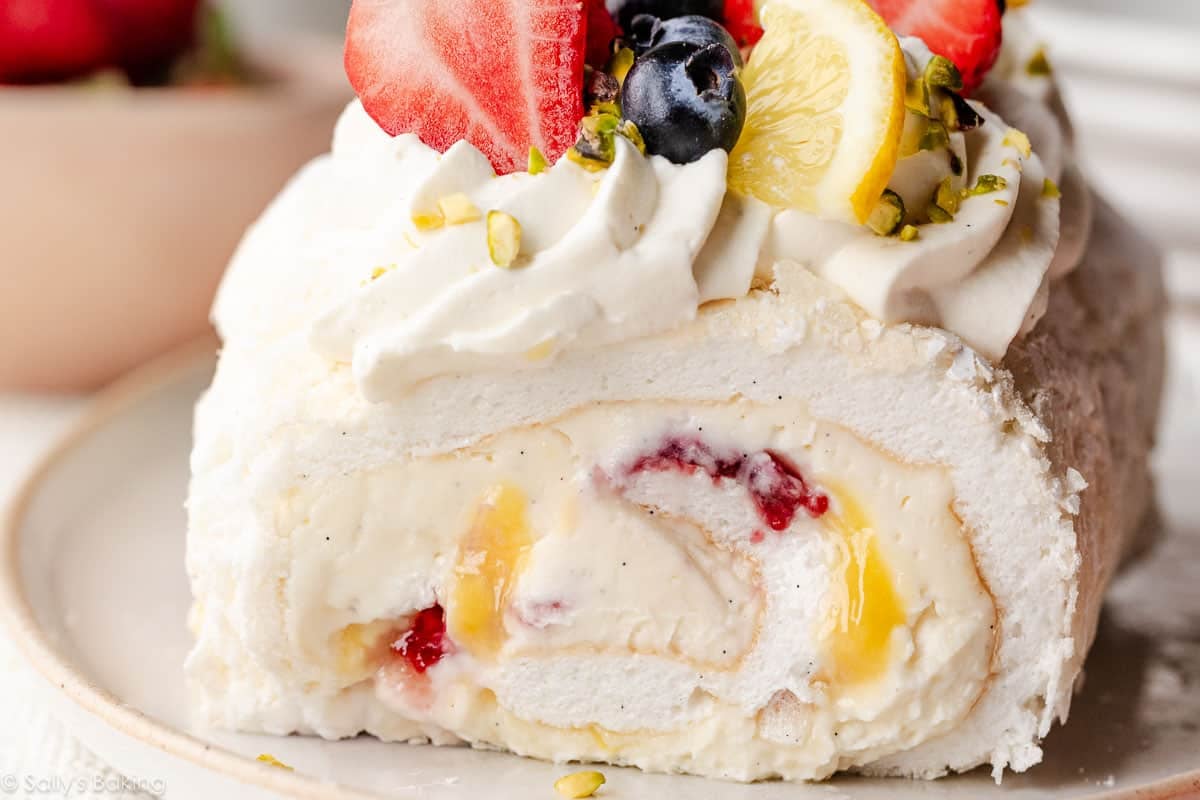
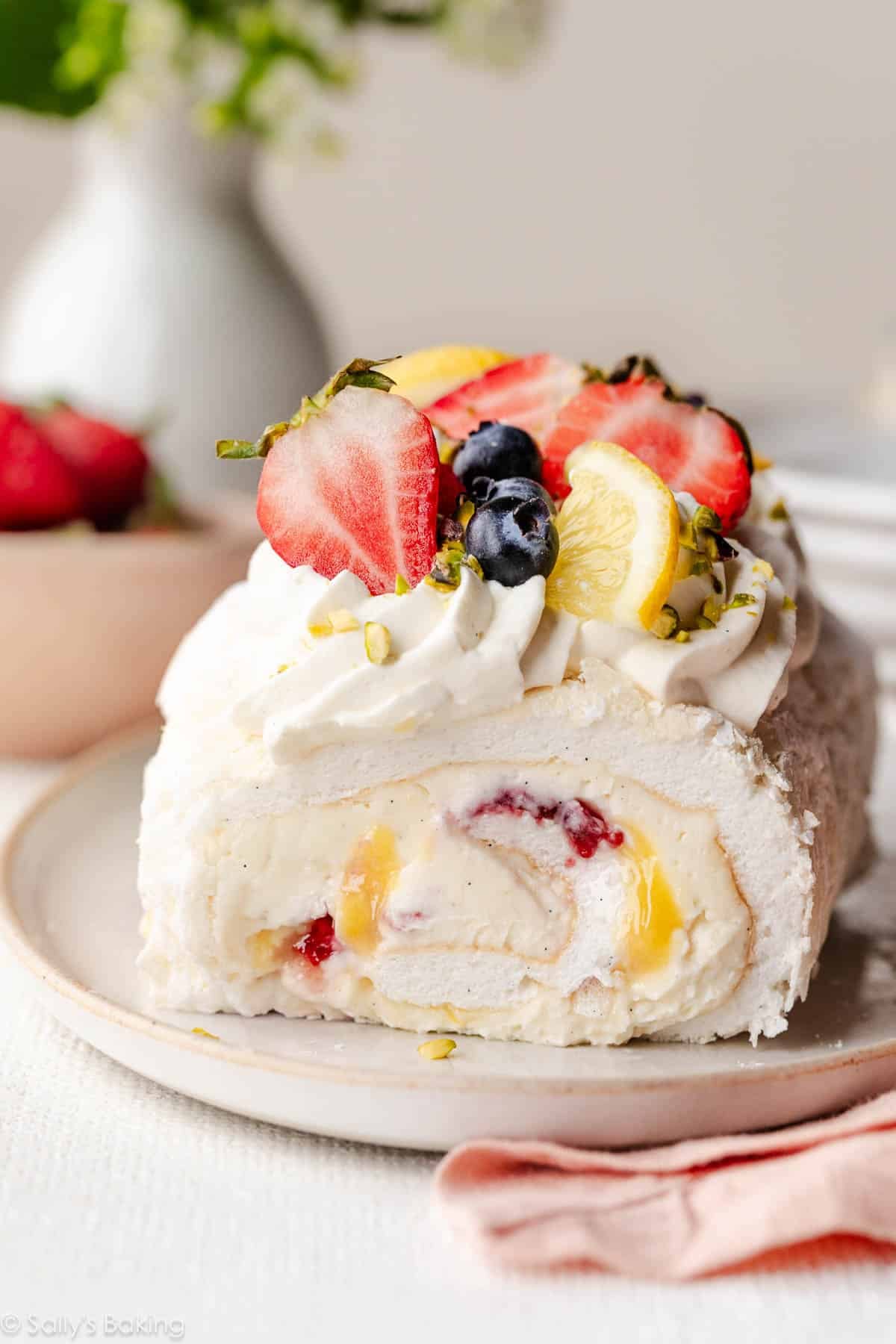
The Meringue Roulade: A Delectable Confection Elevating Special Occasions with Delicate Crisps and Marshmallowy Centers has emerged as a quintessential dessert for those seeking a balance of ethereal lightness, sophisticated presentation, and a naturally gluten-free profile. This culinary masterpiece, characterized by its delicately crisp exterior and soft, marshmallowy interior, is not merely a sweet treat but a testament to precision baking, offering endless customization possibilities that make it a show-stopping centerpiece at any celebratory gathering. Its growing popularity underscores a broader appreciation for intricate homemade desserts that combine visual artistry with an unforgettable textural experience.
Historical Roots and Culinary Evolution of Meringue and Roulade
To fully appreciate the meringue roulade, one must delve into the distinct histories of its two primary components: meringue and the roulade technique. Meringue, a confection made from whipped egg whites and sugar, boasts a history that is somewhat debated, with origins often attributed to either the Swiss or the French in the 17th or 18th century. Some culinary historians credit a Swiss pastry chef named Gasparini in the village of Meiringen, from which the name "meringue" is supposedly derived. Others point to French culinary texts from the 17th century, suggesting its development within the sophisticated patisserie traditions of France. Regardless of its precise birthplace, meringue quickly became a staple in European aristocratic kitchens, admired for its ethereal texture and versatility. Early meringues were often baked into small, delicate kisses or used as toppings for pies and puddings, evolving over centuries to include more complex forms like the Pavlova, a meringue-based dessert with a crisp crust and soft, light inside, typically topped with fruit and whipped cream.
The roulade, derived from the French word "rouler" meaning "to roll," refers to a dish, typically sweet or savory, that is rolled around a filling. This technique has been employed across various cuisines for centuries, ranging from meat roulades to sponge cake rolls. The marriage of meringue and the roulade technique is a more recent innovation, gaining prominence as bakers experimented with meringue’s inherent flexibility when properly baked. Unlike traditional sponge cakes, a meringue base for a roulade must be baked to achieve a specific balance—crisp enough to hold its shape, yet pliable enough to roll without extensive cracking. This unique characteristic differentiates the meringue roulade from its cake-based counterparts, offering a distinct textural experience that has captivated dessert enthusiasts globally.
The Intricacies of Meringue Roulade Preparation: A Baker’s Challenge
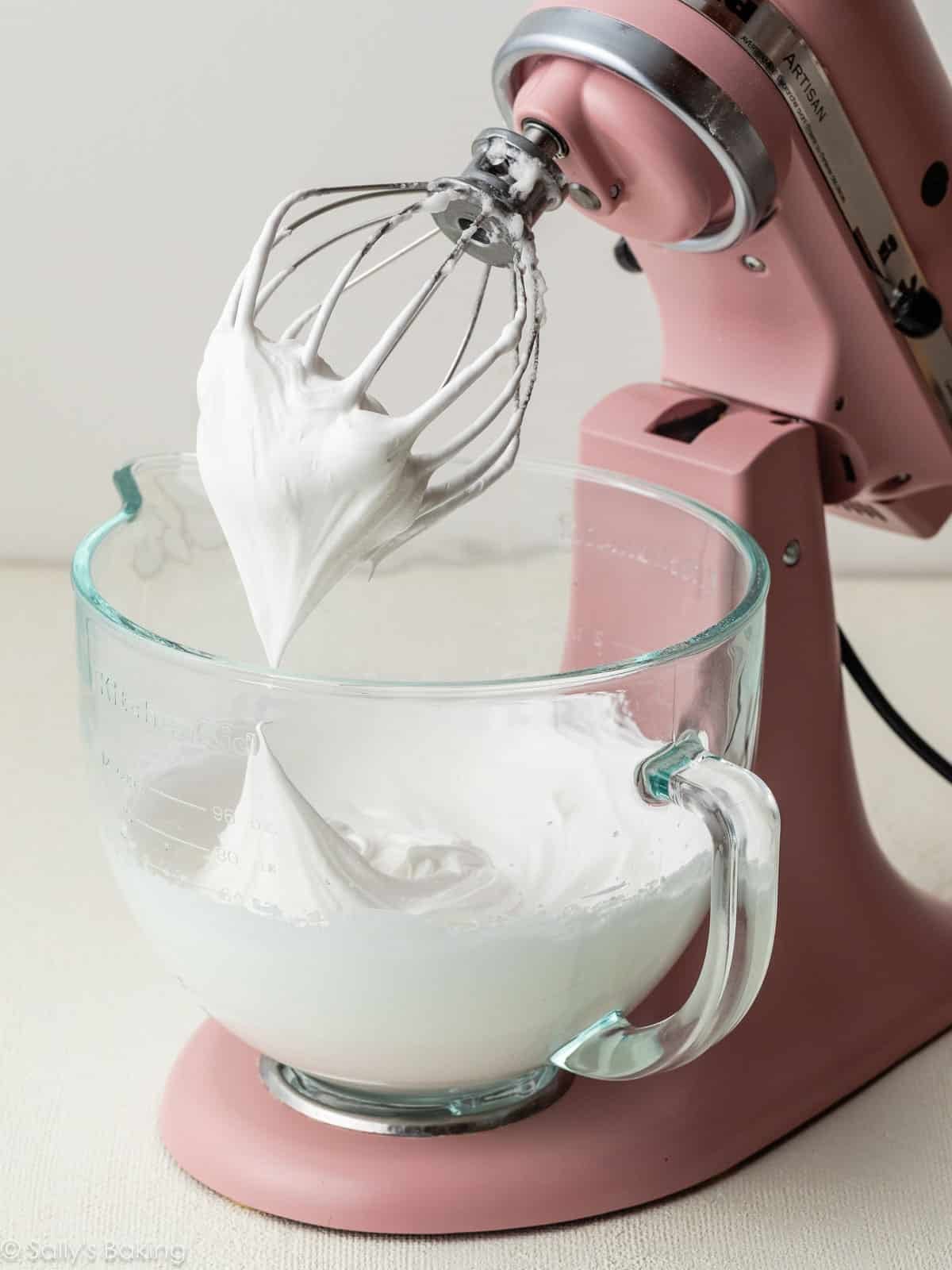
Crafting a meringue roulade is widely regarded within the baking community as an advanced endeavor, demanding a meticulous approach and a keen understanding of ingredient interactions. The process begins with the careful preparation of the meringue base, where the quality and temperature of the egg whites are paramount. Culinary experts emphasize the importance of using egg whites at room temperature, as they whip to a greater volume and achieve more stable peaks compared to cold egg whites. The sugar, ideally superfine or caster sugar, is gradually incorporated into the whipping egg whites. This slow addition is crucial for ensuring the sugar fully dissolves, preventing the meringue from "weeping" or becoming grainy. The inclusion of an acid, such as cream of tartar, further stabilizes the egg whites, contributing to a robust and glossy meringue that can withstand the baking and rolling process.
Baking the meringue requires precision. The goal is to achieve a surface that is lightly crisp to the touch while maintaining a soft, marshmallowy interior. Over-baking can lead to a brittle meringue that shatters upon rolling, while under-baking results in a sticky, unstable base. The ideal bake time yields a meringue that is set and pale golden, still slightly springy when gently pressed. Once baked, the timing of the first roll is critical. Experienced bakers recommend a brief cooling period, typically around 10 minutes, allowing the meringue to firm up slightly but retain enough warmth and flexibility to be rolled without extensive cracking. This initial "training roll," performed with the aid of parchment paper and a kitchen towel, sets the structural memory for the final roll, significantly minimizing potential aesthetic imperfections.
Essential Ingredients and Their Functional Significance
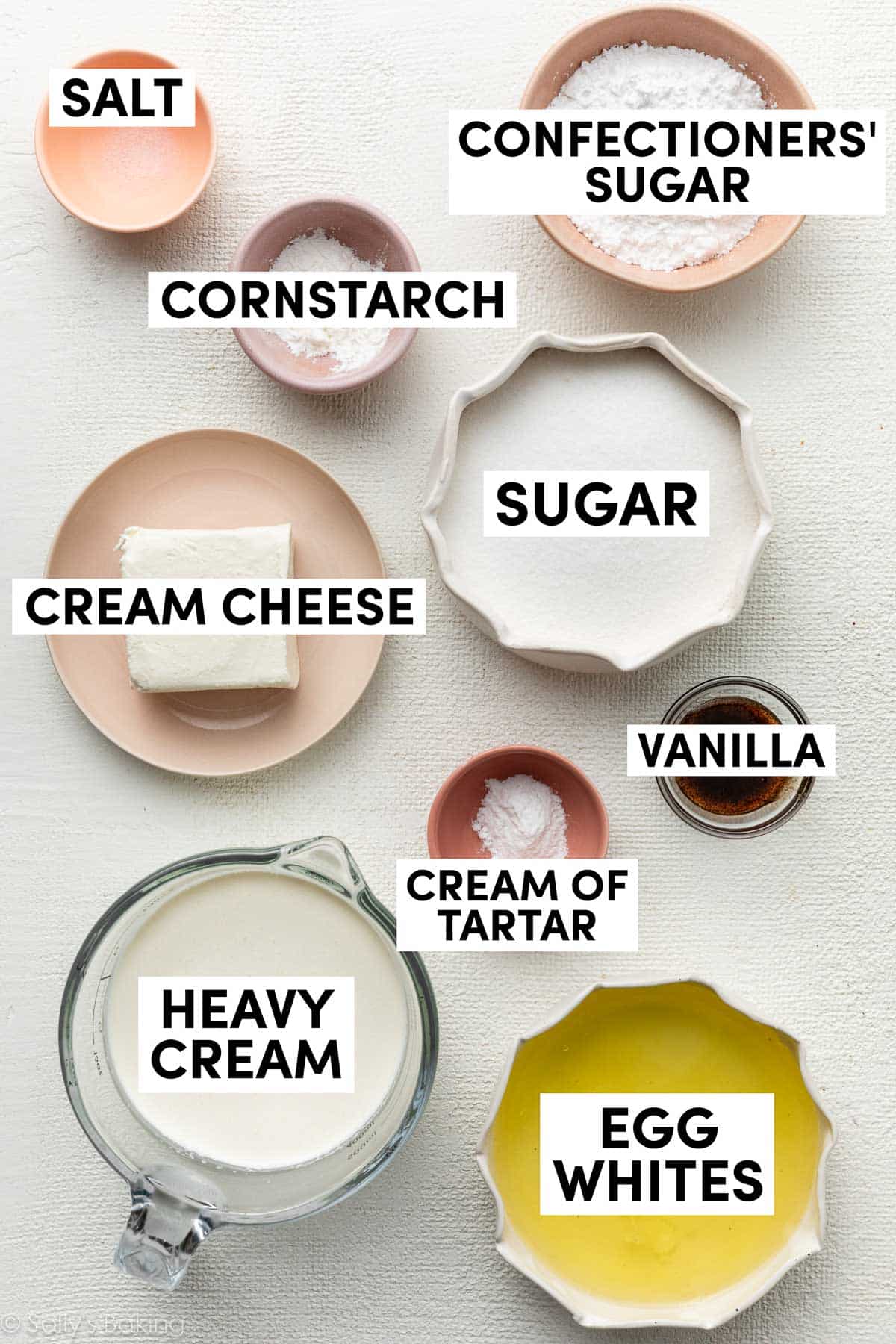
The perceived simplicity of meringue, often requiring just egg whites and sugar, belies the complex chemistry at play. For a meringue roulade, several key ingredients contribute to its structural integrity and delightful texture:
- Egg Whites: The foundation of meringue, egg whites contain proteins that, when whipped, denature and create a stable foam, trapping air. This aeration is responsible for the meringue’s characteristic lightness and volume.
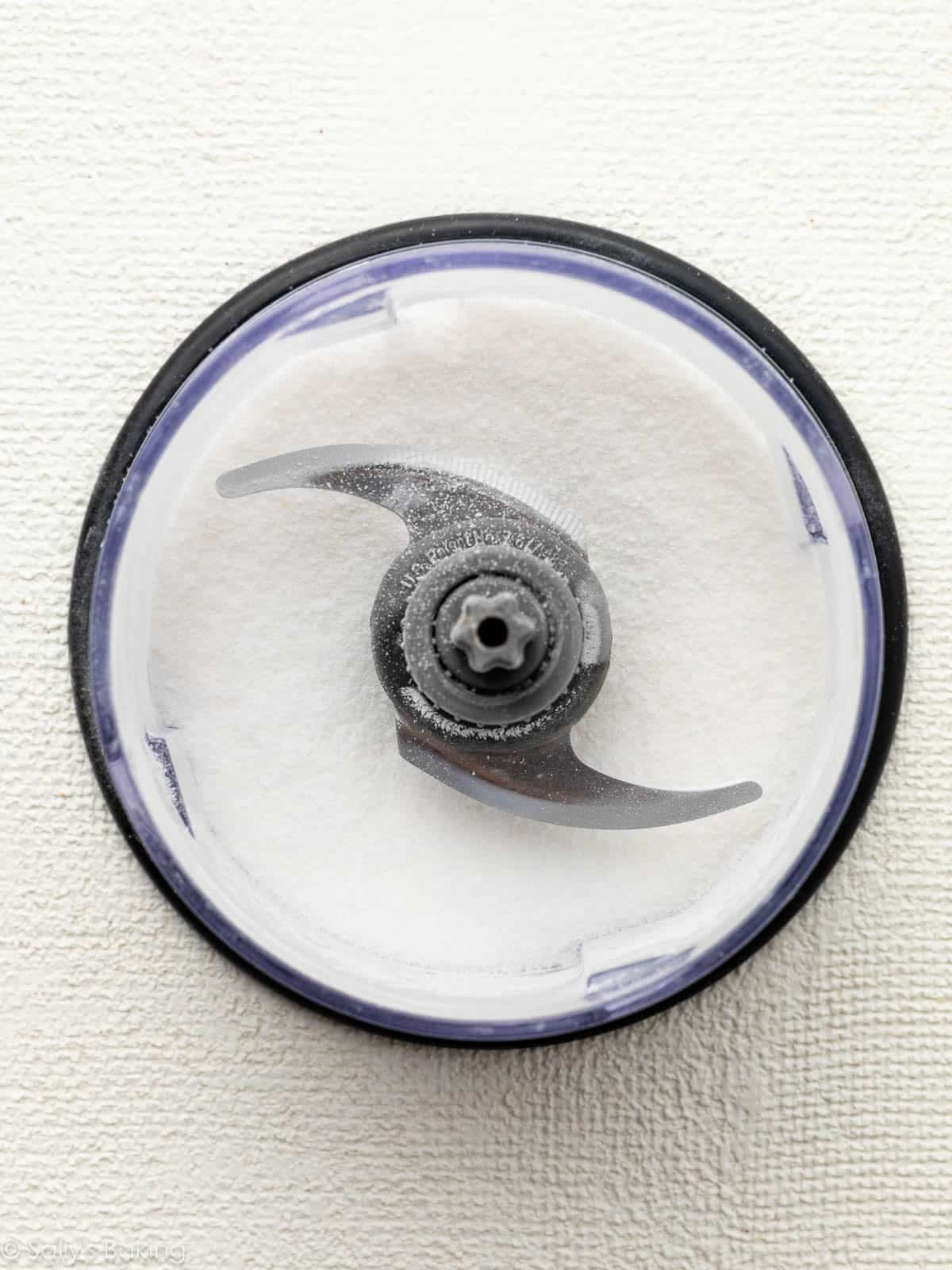
- Superfine or Caster Sugar: The fine crystals of this sugar dissolve more readily into the egg whites, preventing a gritty texture and contributing to a glossy, stable meringue. Sugar also adds sweetness and helps in the browning process during baking.
- Cream of Tartar (or another acid like lemon juice/vinegar): This acidic component stabilizes the whipped egg whites, helping them achieve higher volume and preventing collapse. It also contributes to the meringue’s bright white color.
- Cornstarch: Often added to meringue for roulades or Pavlovas, cornstarch helps absorb excess moisture, contributing to the soft, marshmallowy interior and preventing the meringue from becoming too dry or brittle. It also aids in preventing shrinkage.
- Vanilla Extract: Primarily for flavor, vanilla complements the sweetness of the meringue and the richness of the cream filling.
- Cream Cheese (for filling): Used in the featured recipe’s filling, cream cheese provides stability and a subtle tang to the whipped cream, creating a richer, more robust filling that holds its shape better than plain whipped cream. Mascarpone is also a common alternative.
- Heavy Cream: The base for the filling, heavy cream whips to form a light, airy, and rich complement to the meringue.
Each ingredient plays a vital role in achieving the desired balance of crispness, chewiness, and creamy indulgence that defines a successful meringue roulade.
Customization: A Canvas for Culinary Creativity
Beyond its structural demands, the meringue roulade offers an expansive canvas for flavor customization, allowing bakers to adapt it to various palates and seasonal availability. The core vanilla cream filling provides a versatile base, but the addition of fruit curds, jams, or fresh fruits elevates the dessert significantly. Lemon curd, with its vibrant tartness, offers a classic counterpoint to the sweet meringue and cream, while raspberry jam introduces a burst of fruity sweetness and a beautiful visual swirl. Other popular additions include passion fruit curd, strawberry compote, or even a drizzle of chocolate ganache for a richer profile.
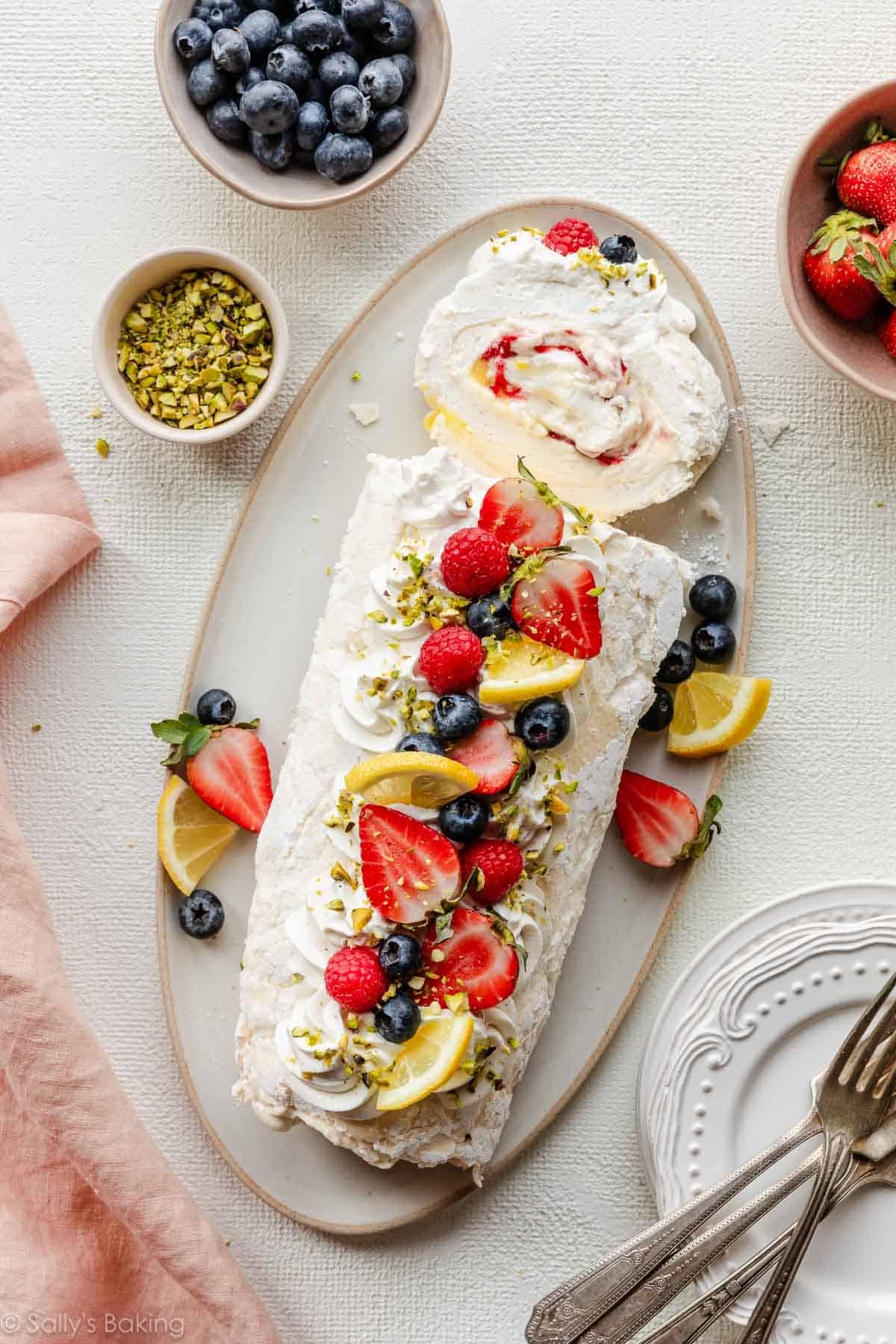
Garnishes further enhance both the aesthetic appeal and flavor complexity. Fresh berries such as raspberries, blueberries, and strawberries are perennial favorites, adding natural sweetness, acidity, and a pop of color. A dusting of confectioners’ sugar provides an elegant finish, while toasted nuts like pistachios or almonds introduce a textural crunch. Shaved white chocolate, mint leaves, or edible flowers can transform the roulade into an even more elaborate presentation, making each creation uniquely personal and reflective of the occasion. This adaptability ensures the meringue roulade remains a dynamic dessert, capable of surprising and delighting guests with each variation.
The Gluten-Free Advantage and Modern Dietary Trends
One of the inherent advantages of the meringue roulade, and a significant factor in its increasing popularity, is its natural gluten-free composition. Made primarily from egg whites and sugar, without any flour, it seamlessly accommodates individuals with gluten sensitivities or celiac disease, making it an inclusive dessert choice for diverse gatherings. This aligns with broader contemporary dietary trends, where there is a growing demand for delicious and accessible gluten-free options that do not compromise on taste or texture.
The emphasis on natural ingredients and the absence of common allergens like gluten also resonates with consumers seeking healthier or more mindful dessert choices. While still an indulgence, its lightness and fruit-forward customization options can position it as a relatively lighter alternative to heavy, flour-based cakes. The meringue roulade thus stands out not just for its elegance and flavor, but also for its ability to meet modern dietary needs without requiring complex substitutions or specialized gluten-free flours.
Overcoming Obstacles: Tips for Success and Troubleshooting
The journey to a perfect meringue roulade is often accompanied by a learning curve, and even experienced bakers encounter challenges. The most common hurdle is cracking during the rolling process. Culinary experts consistently advise that a few small cracks are normal and part of the rustic charm of a homemade roulade, easily camouflaged with garnishes. However, extensive cracking typically points to either an over-baked meringue, which becomes too brittle, or allowing the meringue to cool for too long before the initial roll, causing it to lose its pliability. The recommended 10-minute cooling period post-baking is a critical window for success.
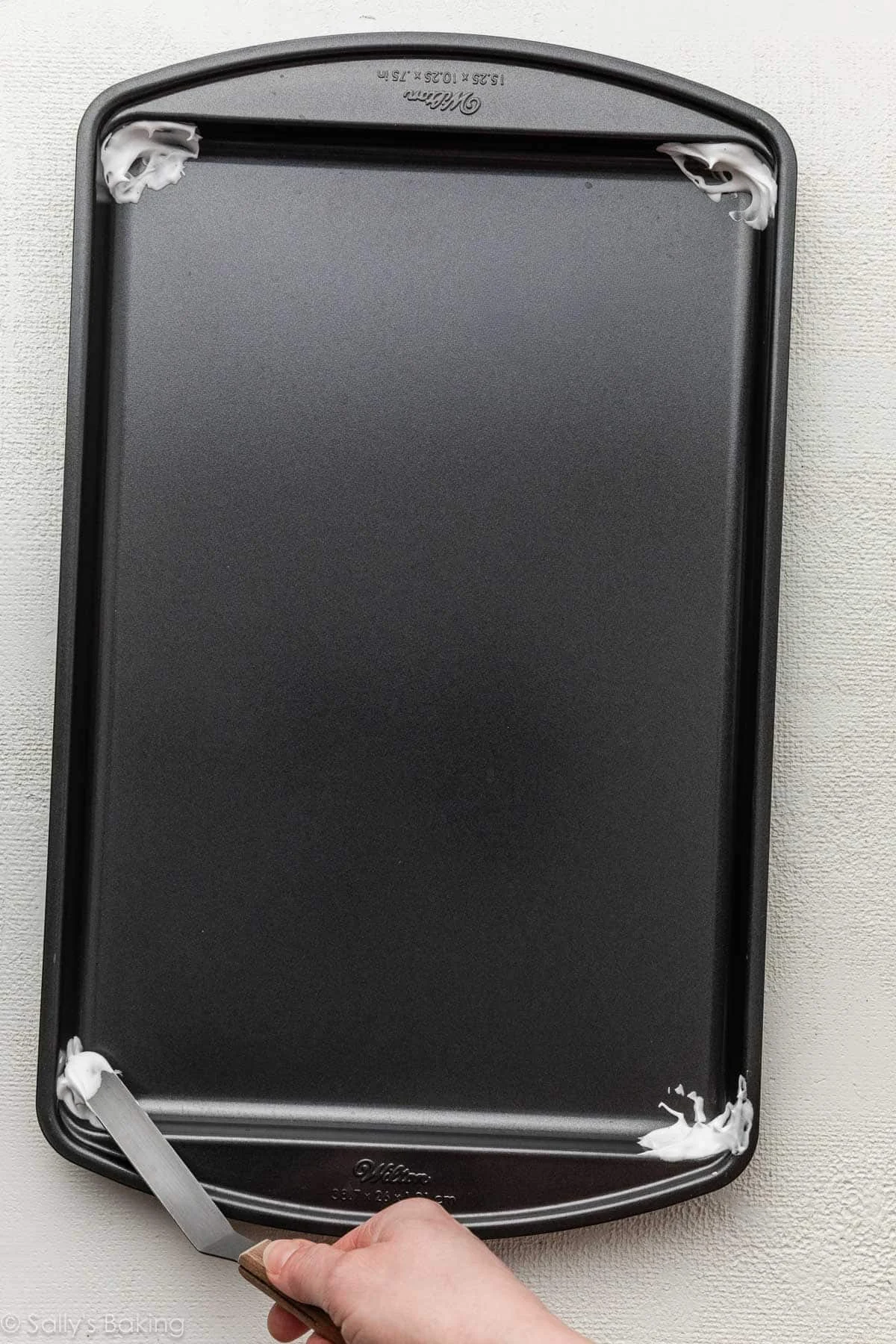
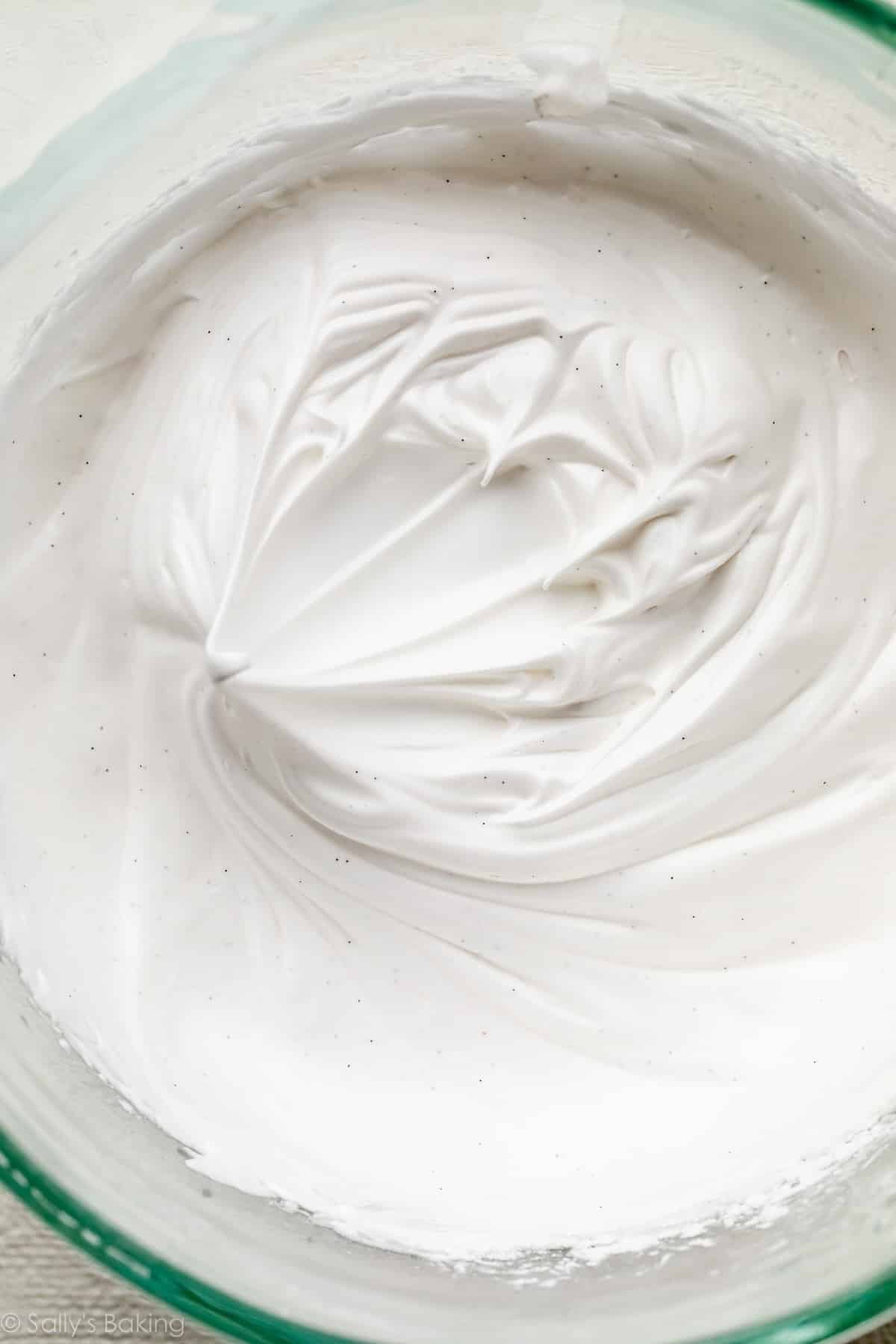
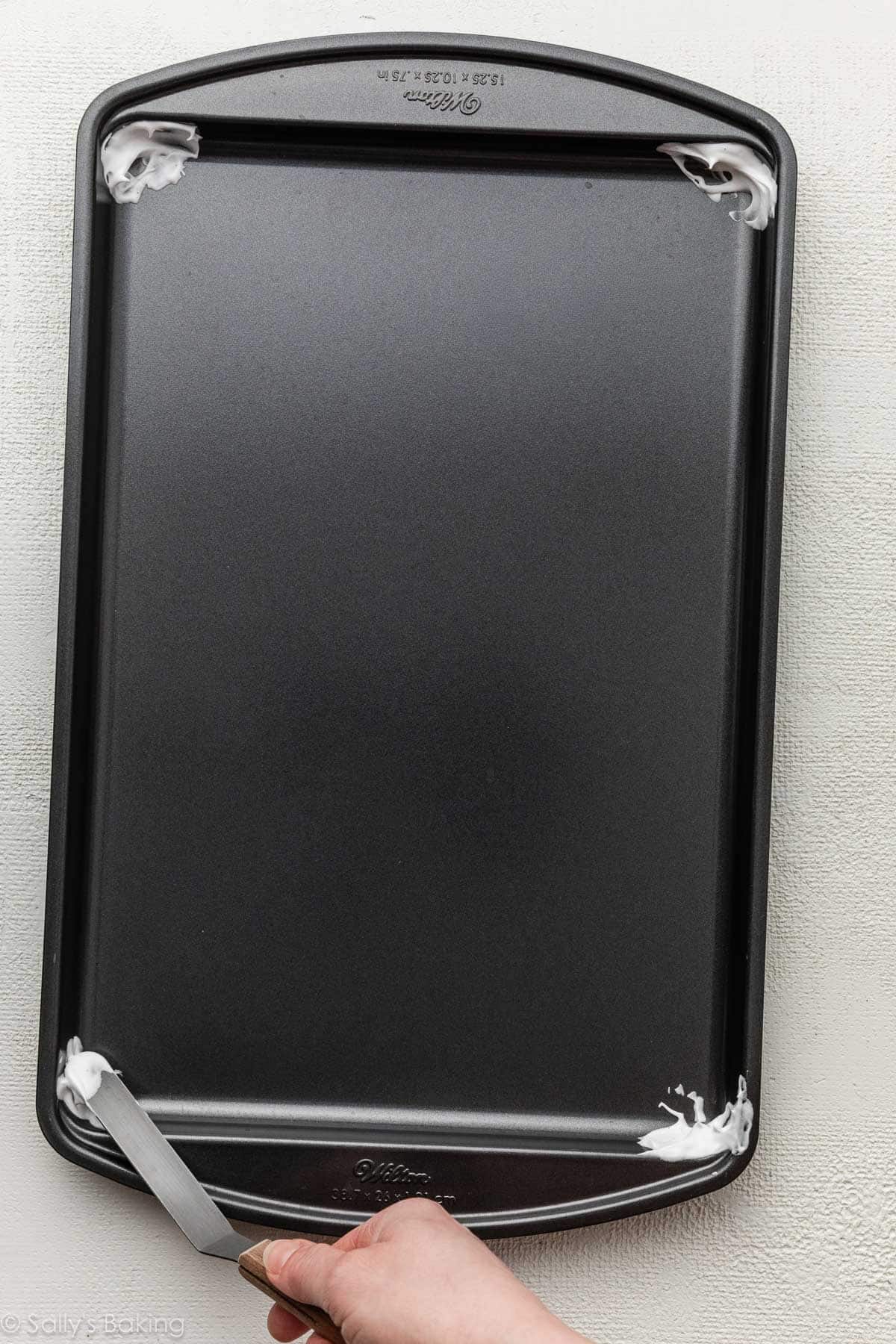
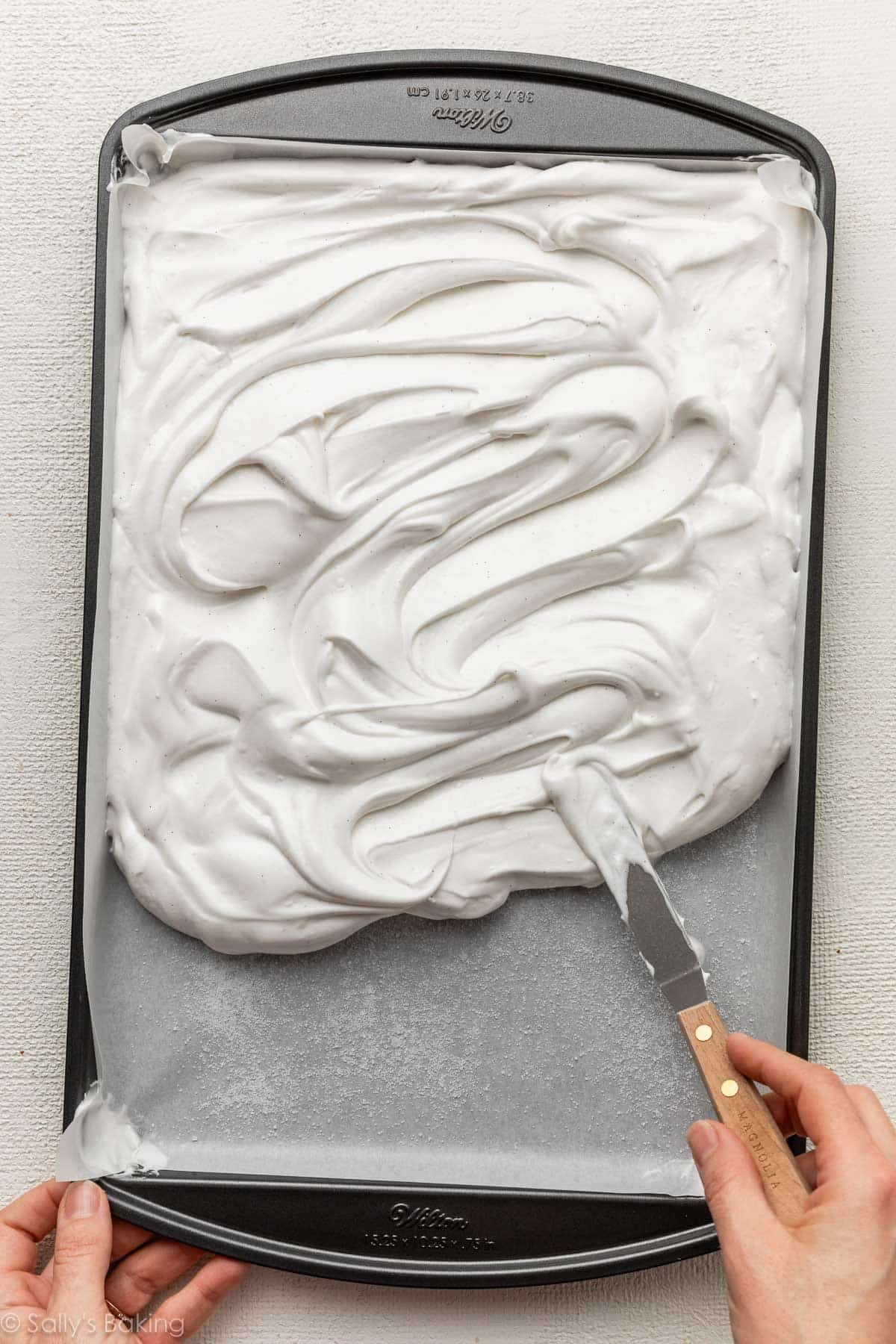
Another frequent issue is a sticky meringue. Humidity is a notorious enemy of meringue, as sugar readily absorbs moisture from the air, leading to a sticky, unstable texture. Baking on very humid days is often discouraged. Ensuring the parchment paper is lightly dusted with granulated sugar before spreading the meringue can also prevent sticking during inversion. Weeping, where liquid leaks from the meringue, indicates an unstable structure, often due to under-beating the egg whites or insufficient dissolution of the sugar. Whipping the meringue until it forms truly stiff, glossy peaks and using superfine sugar are key preventative measures.
While the process demands attention, the reward is substantial. Many bakers find the precision required for meringue roulade akin to the satisfaction derived from mastering French macarons—a truly rewarding culinary achievement that instills a sense of pride and accomplishment. The ability to troubleshoot and adapt is part of the baking journey, transforming potential failures into learning opportunities.
Serving and Storage: Maximizing Freshness and Flavor
The meringue roulade, with its delicate structure and creamy filling, is best enjoyed fresh, ideally within a few hours of assembly. This ensures the meringue retains its optimal crisp-yet-marshmallowy texture and the filling remains perfectly airy. Over time, particularly when refrigerated, the meringue will naturally soften as it absorbs moisture from the filling, and the roll may slightly flatten.
For those planning ahead, components can be prepared in advance. The meringue base can be baked and cooled, then stored uncovered at room temperature for a short period (though it’s most pliable when still slightly warm). The cream filling, being more stable than standard whipped cream due to the inclusion of cream cheese or mascarpone, can be made a day in advance and refrigerated. However, assembling the full roulade—unrolling the meringue, spreading the filling and desired fruit, and re-rolling—is best reserved for just before serving to maximize its textural integrity and visual appeal. This approach allows for efficient preparation while preserving the dessert’s peak quality.
Broader Implications: A Renaissance in Home Baking
The enduring appeal and increasing prominence of desserts like the meringue roulade signal a broader renaissance in home baking, particularly among enthusiasts who seek to refine their skills and produce impressive, artisanal results. In an era often dominated by convenience foods, the meticulous process of crafting a meringue roulade represents a return to fundamental baking techniques and the satisfaction of creating something truly special from scratch.
This trend is supported by the proliferation of online culinary resources and baking communities, where detailed guides and troubleshooting tips empower home bakers to tackle complex recipes with greater confidence. The visual nature of social media platforms further fuels this interest, with stunning images of perfectly swirled roulades inspiring others to attempt the challenge. The meringue roulade, therefore, is more than just a dessert; it’s a symbol of culinary aspiration, a celebration of handcrafted quality, and a delicious manifestation of the joy found in the baking process. Its versatility and inherent elegance ensure its continued status as a cherished item for special occasions, embodying the artistry and dedication that define exceptional homemade confections.
Conclusion
The meringue roulade stands as a testament to the elegant simplicity and challenging complexity that can coexist within the culinary arts. From its historical lineage intertwining European patisserie traditions to its modern-day appeal as a naturally gluten-free and endlessly customizable dessert, it commands respect for its delicate balance of textures and flavors. While demanding precision and patience, the reward of a homemade meringue roulade—light as air, exquisitely crisp, and marshmallow-soft with a vibrant, creamy swirl—is an unparalleled source of culinary pride. Its charm lies not only in its sophisticated appearance but also in the rich, satisfying experience it offers, solidifying its position as a cherished centerpiece worthy of any special occasion.