
The seemingly simple act of brewing a cup of coffee unveils a surprisingly intricate world of chemical compounds, extraction kinetics, and fluid dynamics. Far from a mere combination of hot water and ground beans, the process is a delicate balance of science and artistry, with every variable capable of profoundly influencing the final beverage. From the fundamental chemical composition of a coffee bean to the sophisticated design of brewing equipment, achieving an exceptional cup requires a deep understanding of these underlying principles.
A Century of Coffee Innovation: The Historical Context of Brewing Technology
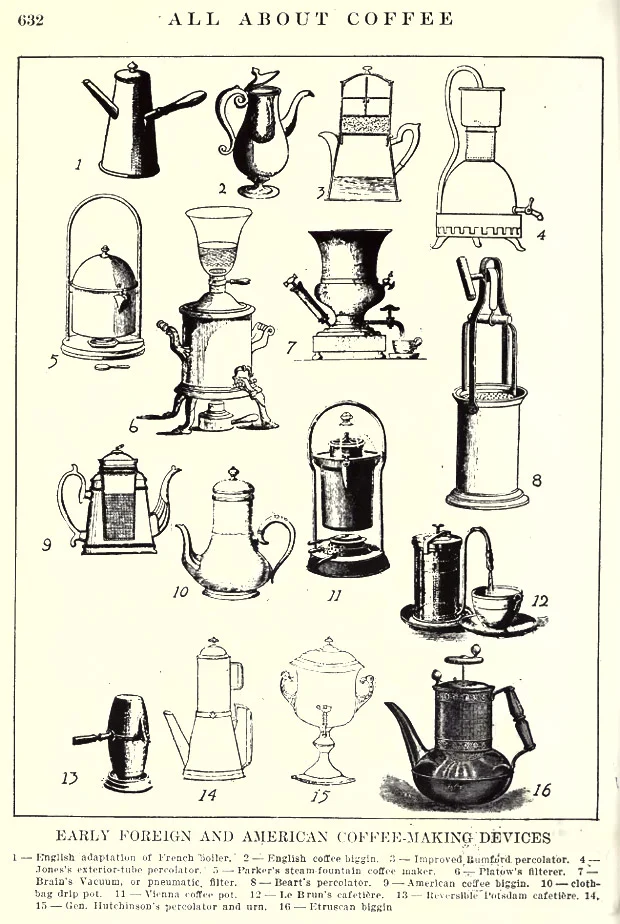
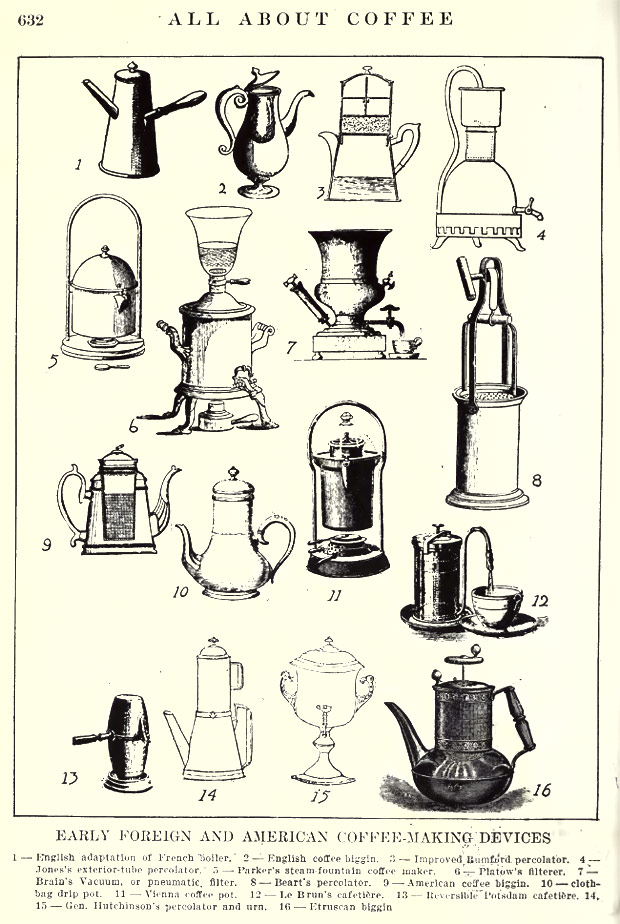
The pursuit of the ideal coffee extraction is not a modern phenomenon. For centuries, inventors and enthusiasts have sought to refine brewing methods, leading to a rich history of innovative designs. As early as 1922, publications like W. A. Ukers’ "All about coffee" showcased a myriad of coffee makers, illustrating a long-standing fascination with optimizing the brewing process. Early percolators, dating back over 200 years, utilized convection to cycle heated water through coffee grounds, a method that saw a resurgence in popularity in the 1970s. However, the contemporary landscape of coffee brewing, particularly the rise of specialty coffee in the late 20th and early 21st centuries, has ushered in an era of unprecedented scientific inquiry and technological advancement, driven by a desire for greater control and consistency. The invention of the Melitta drip cone in 1908 by Melitta Bentz, a German housewife seeking a cleaner cup, marked a pivotal moment, laying the groundwork for modern pour-over techniques.
The Science of Extraction: Beyond Simple Dissolution
At its core, coffee brewing is an extraction process, where hot water selectively dissolves soluble compounds from roasted coffee grounds. The chemical landscape of a brewed cup is astonishingly complex, with compound concentrations spanning an impressive nine orders of magnitude. Crucially, these compounds – including acids, sugars, lipids, and various aromatic molecules – do not extract at the same rate or to the same degree. This differential solubility and extraction kinetics are not a flaw but a fundamental feature that allows for the vast spectrum of coffee flavors. If all compounds were extracted uniformly, there would be little room for nuance or variation.
The objective in crafting an exceptional cup is rarely to achieve a complete, "accurate" extraction of every soluble compound. Such an approach, often achieved by grinding exceptionally fine and steeping for extended periods (even boiling, akin to Turkish coffee without sugar or spices), would push the extraction yield towards 30%. While strong, this can often result in an overpowering, bitter, and less desirable flavor profile. Instead, the goal is typically a selective extraction, where certain desirable compounds are preferentially extracted, and less desirable ones (e.g., harsh bitter notes from over-extracted components or under-extracted sour notes) are minimized. Industry standards, such as those from the Specialty Coffee Association (SCA), generally target an extraction yield between 18% and 22% by weight of the dry coffee grounds, resulting in a total dissolved solids (TDS) concentration of 1.15% to 1.35% for an optimal balance of flavor. This indicates that what many might intuitively describe as "even extraction" is, from a chemical perspective, precisely the opposite: an uneven extraction where compounds are extracted to different degrees to achieve a balanced and pleasing flavor profile.
Pour-Over Brewing: An Art of Precision and Variability
The pour-over, or percolation, technique is widely celebrated for its ability to produce clean, nuanced, and aromatic coffees. It involves pouring hot water over a bed of ground coffee, allowing gravity to filter the brew through a paper or metal filter into a receptacle below. While seemingly straightforward, pour-over brewing is an immensely complex system, influenced by a multitude of interconnected parameters that offer unparalleled control to the barista, yet simultaneously introduce significant challenges for consistency.
Key parameters affecting the pour-over result include:
- Brew Ratio: The ratio of coffee grounds to water, directly impacting concentration.
- Grind Size and Particle Size Distribution (PSD): Finer grinds increase surface area, accelerating extraction but also increasing resistance to water flow and potential for clogging. An inconsistent PSD can lead to uneven extraction.
- Water Composition: Mineral content (hardness, alkalinity) and pH significantly affect extraction efficiency and flavor perception.
- Water Temperature: Higher temperatures increase solubility and extraction rates, but can also lead to over-extraction of bitter compounds.
- Filter Material and Pore Size: Paper filters trap fines and oils, yielding a cleaner cup; metal filters allow fines and oils through, contributing to body. Pore size affects flow rate.
- Pouring Technique: The speed, height, and pattern of water application influence bed saturation and turbulence.
- Bloom: The initial wetting phase to release CO2, preventing channeling and promoting even saturation.
- Total Brew Time: The duration of water contact with coffee, affecting overall extraction.
- Bed Agitation: Stirring or swirling affects particle redistribution and contact uniformity.
- Channeling: Uneven water flow through the coffee bed, where water finds paths of least resistance, leading to under-extraction in some areas and over-extraction in others.
- Bypass: Water flowing around, rather than through, the coffee bed, diluting the brew without contributing to extraction.
The intricate interdependencies of these parameters are often overlooked. For instance, a finer grind might increase extraction but also slow flow, increasing contact time, and potentially causing filter clogging, which further slows drainage. Furthermore, a fine grind combined with a filter holder design that reduces filter contact can exacerbate bypass, as water, being "lazy," will seek the easiest exit, often along the sides of the filter. This complexity is precisely why countless YouTube tutorials and expert discussions exist, each attempting to demystify or optimize specific aspects of the pour-over process.
The inherent variability of pour-over brewing, particularly when recipes lack sufficient detail on all these correlated parameters, can lead to inconsistent results and the propagation of "coffee preparation myths." Two individuals following the same basic recipe might produce vastly different cups due to subtle, unstated variations in their technique or equipment.
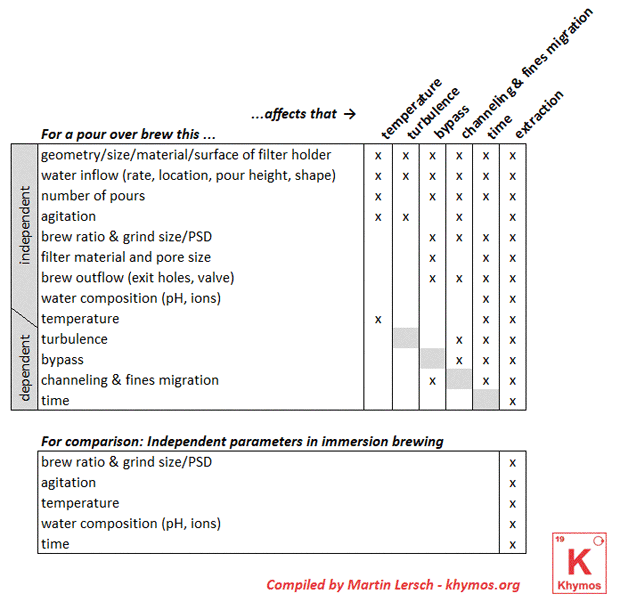
Innovations in Pour-Over Equipment: Deconstructing the Dripper Design
The ongoing quest for pour-over perfection has spurred significant innovation in dripper design. These devices are meticulously engineered, with seemingly minor differences often serving a specific purpose in controlling the extraction process.
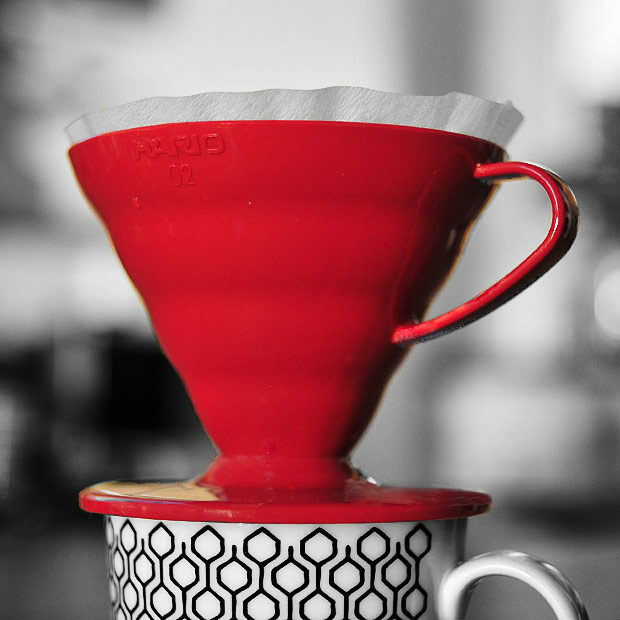
- Material and Insulation: The material of a filter holder is critical for maintaining brew temperature. Materials like polypropylene (PP) plastic or ceramic (e.g., Hario V60, Origami) are favored for their excellent heat retention and sturdiness compared to glass or metal, which are good heat conductors unless vacuum-insulated (e.g., Fellow Stagg X/XF). Thermal mass plays a role, with heavier ceramic drippers retaining heat better than thin plastic ones.
- Shape and Geometry: The shape of the filter holder dictates the geometry of the coffee bed, influencing water flow dynamics.
- Cone-shaped (e.g., Hario V60, Chemex): Creates a deeper, narrower coffee bed, maximizing contact time and extraction efficiency, but can lead to slower flow.
- Trapezoid-shaped (e.g., Melitta): Offers a wider, shallower bed, balancing flow rate and contact.
- Flat-bottomed (e.g., Kalita Wave, April Pour Over Brewer): Creates a uniformly shallow bed, promoting even extraction by reducing channeling risks, but potentially allowing faster flow and more bypass if not managed.
- Cylindrical (e.g., Aeropress, Tricolate): Ensures a consistent bed depth with minimal bypass as the filter is often situated entirely below the coffee bed.
- Inside Wall Surface: The texture of the dripper’s interior wall impacts how the filter paper adheres and, consequently, how water flows.
- Smooth surfaces (e.g., Chemex): Can cause the wet paper to cling, effectively blocking flow along the sides and minimizing bypass, but potentially slowing filtration significantly.
- Ridges or Patterns (e.g., Hario V60, Loveramics): Create channels between the filter paper and the dripper wall, allowing filtered coffee to flow freely, but also increasing the potential for bypass.
- Filter Type: The choice of filter material and design directly affects flow rate, clarity, and body.
- Paper Filters: Most common, available in plain (cone, trapezoid) or folded/fluted (Kalita Wave, laboratory fluted filters). They trap fines and oils, yielding a clean cup. The challenge is clogging by coffee fines.
- Metal Filters: Allow fines and oils to pass, contributing to a fuller body and less clarity (e.g., Stanley pour over, French Press mesh).
- Specialized Filters: The Karlsbader coffee brewer, for example, uses only a coarse ceramic grating, resulting in a unique, sediment-rich brew.
- Inflow Control: How water is introduced to the coffee bed is crucial for even saturation.
- Gooseneck Kettles: Designed with narrow spouts for precise, controlled pouring, minimizing disturbance to the coffee bed and reducing channeling.
- Water Distributors (e.g., Gabi Dripmaster B, Melodrip): Accessories placed atop the coffee bed that disperse water through multiple small holes, ensuring a slow, even, and gentle saturation, preventing agitation and maintaining a flat bed. A drawback can be temperature loss due to exposed water.
- Exit Holes and Outflow Control: The design of the dripper’s base significantly affects flow rate and contact time.
- Single Large Hole (e.g., Hario V60): Designed for maximum flow, heavily reliant on grind size and pouring technique for control.
- Multiple Smaller Holes (e.g., Kalita Wave’s three holes): Offers a more regulated flow, making it somewhat more forgiving.
- Shut-off Valves (e.g., Clever Dripper, Hario Switch, December Dripper): These innovative designs allow the user to completely stop or restrict flow, enabling an initial immersion phase before percolation. This provides superior control over contact time, making recipes more scalable and repeatable regardless of minor grind variations.
- Bypass Mitigation: Water that bypasses the coffee bed dilutes the brew without extracting flavor. Minimizing bypass is a key design objective.
- Designs where the filter clings tightly to a smooth surface (e.g., Chemex) inherently reduce bypass.
- Adding water slowly, without allowing it to pool high above the coffee bed, also minimizes bypass.
- Drippers with cylindrical shapes and filters entirely below the coffee bed (e.g., Aeropress, Tricolate, Proper, Vietnamese Phin, Büchner funnel) are highly effective at preventing bypass, ensuring all water interacts with the coffee grounds. The design principle here is that ideally, only the coffee bed itself should restrict water flow, not the equipment, unless an intentional valve is present.
Immersion Brewing: The Pursuit of Reproducibility
While pour-over offers extensive control, its complexity can be a barrier to repeatability. For those prioritizing consistency and a robust method, immersion brewing presents a compelling alternative. In immersion, all the ground coffee is steeped in the total volume of hot water for a predetermined duration, allowing for a more complete and uniform saturation of the grounds. The slurry is typically stirred initially to ensure all grounds are wet and to release trapped gases. After the steeping period, the brewed coffee is separated from the grounds, often via pressure filtration.
The robustness of immersion brewing lies in its reduced sensitivity to minor variations in technique. Sharing an immersion recipe with two different individuals is far more likely to yield similar results than with a pour-over recipe, as many of the dynamic flow-related variables are eliminated.
- Extraction Dynamics: In immersion, extraction yield (EY) and total dissolved solids (TDS) increase with contact time, eventually leveling off as the system approaches equilibrium between the coffee brew and the grounds. While the grind size is typically coarser than for pour-over, and the temperature naturally drops during steeping, immersion still results in a selective extraction, yielding a distinct flavor profile that many find delightful.
- The French Press: The archetypal immersion brewer, the French press, employs a relatively coarse wire mesh filter. This design allows a significant amount of coffee fines (tiny particles) to pass into the final cup. These fines contribute a characteristic body and texture to the beverage, and often leave a noticeable sediment at the bottom of the cup. While some appreciate this mouthfeel, the extended contact of these fines with the brew can also contribute to undesired bitterness. For a cleaner, brighter cup, many recommend an additional paper filtration step for French press coffee, which effectively removes fines and some oils.
- Aeropress: A versatile device, the Aeropress excels in immersion brewing (especially using the inverted method), employing a small paper filter disk and pressure to separate the brew. This combination yields a clean cup with good body, and its sealed chamber allows for precise control over immersion time.
While highly repeatable, immersion coffee can sometimes be perceived as "muted" or less vibrant compared to the clarity and pronounced aromatics achievable with a perfectly executed pour-over. This trade-off between control, clarity, and consistency is a central theme in coffee brewing.
The Confluence of Methods: Hybrid Approaches and Future Directions
The ongoing quest for the "very best cup of coffee" often leads to a blending of techniques, seeking to leverage the strengths of both pour-over and immersion. Hybrid brewers, such as the Clever Dripper and Hario Switch, embody this philosophy by integrating a shut-off valve that allows for an initial immersion phase, followed by a controlled percolation. This enables baristas to achieve the robust, repeatable extraction of immersion while retaining some of the clarity and flavor definition typically associated with pour-over.
The iconic scene from "Breaking Bad" (S3:E6 "Sunset"), where Gale Boetticher meticulously explains his elaborate coffee extraction setup to Walter White, perfectly encapsulates this blend of scientific rigor and passionate pursuit. His complex apparatus, while perhaps theatrical, symbolizes the deep understanding and meticulous control that enthusiasts and professionals strive for in coffee preparation.
Looking ahead, the evolution of coffee brewing technology continues to emphasize precision and data-driven insights. Refractometers, which measure TDS, allow brewers to quantitatively assess extraction yields and fine-tune recipes. Smart kettles offer precise temperature control, and automated pour-over machines aim to eliminate human variability. The future of coffee brewing likely lies in increasingly sophisticated devices that empower both the home enthusiast and the professional barista to exert greater control over every variable, moving closer to the elusive ideal of a consistently perfect cup. The journey from a simple bean to a complex brew remains a fascinating intersection of chemistry, engineering, and sensory delight, continually pushing the boundaries of what a cup of coffee can be.