
The familiar yearning for a larger oven, once a distant aspiration, has transformed into a concrete pursuit. The dream of effortlessly baking six loaves at a time, a modest ambition by professional bakery standards yet a significant leap for a home kitchen, signals a natural progression for any serious baker. As dough quantities increase, so too does the demand for tools that enhance efficiency and allow for a deeper focus on the nuances of flavor, fermentation, handling, and shaping. For many home bakers, this evolution inevitably leads to exploring specialized equipment, and the Rofco bread oven stands as a prominent next step. This guide aims to consolidate the essential knowledge—tools, temperatures, timings, and techniques—acquired through extensive use of the Rofco B40, offering a comprehensive resource for those considering this investment or seeking to optimize their existing Rofco experience.
Understanding the Rofco Bread Oven: A Belgian Workhorse
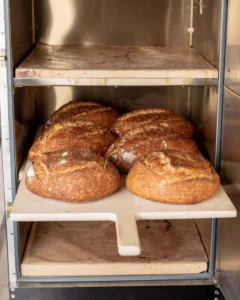
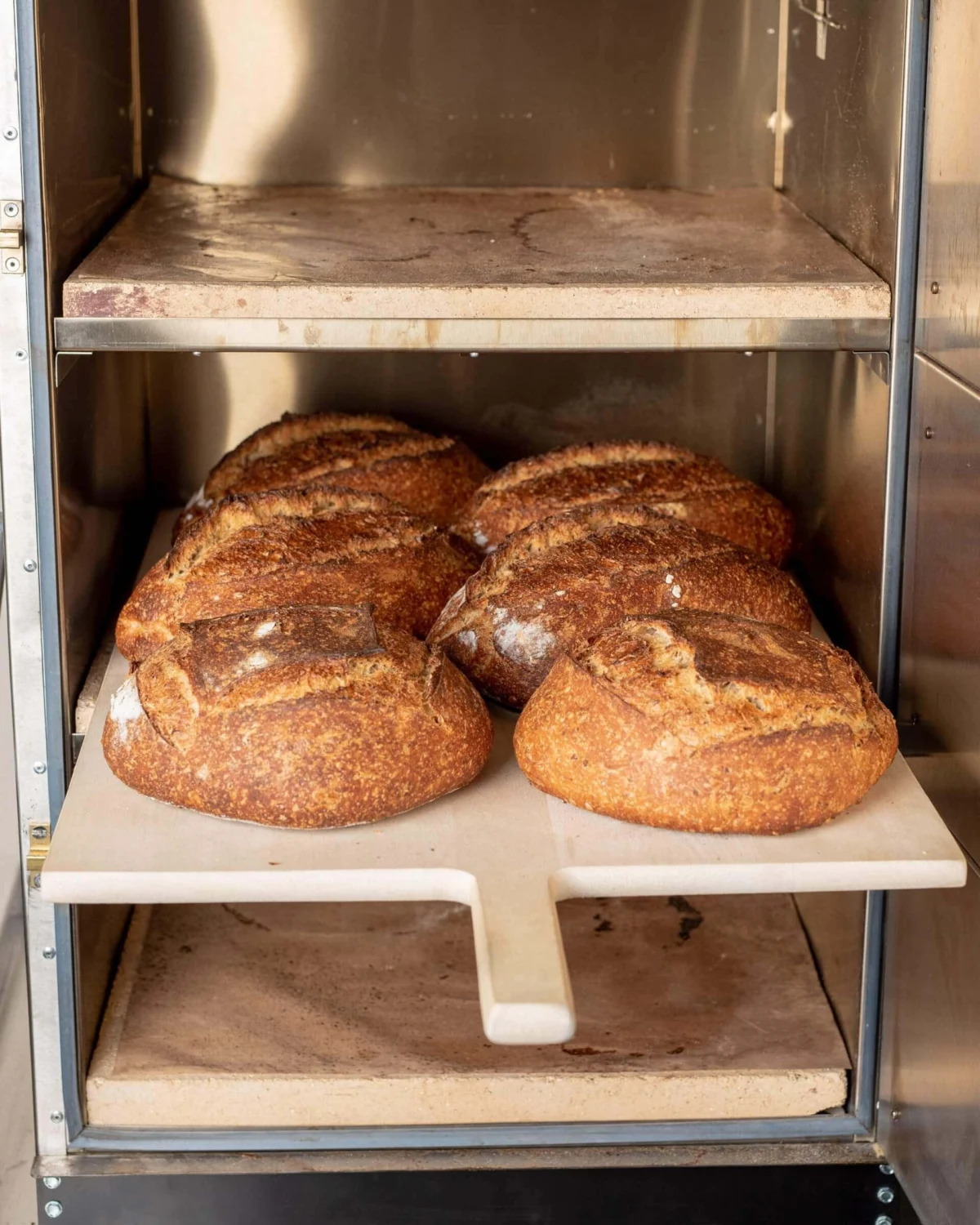
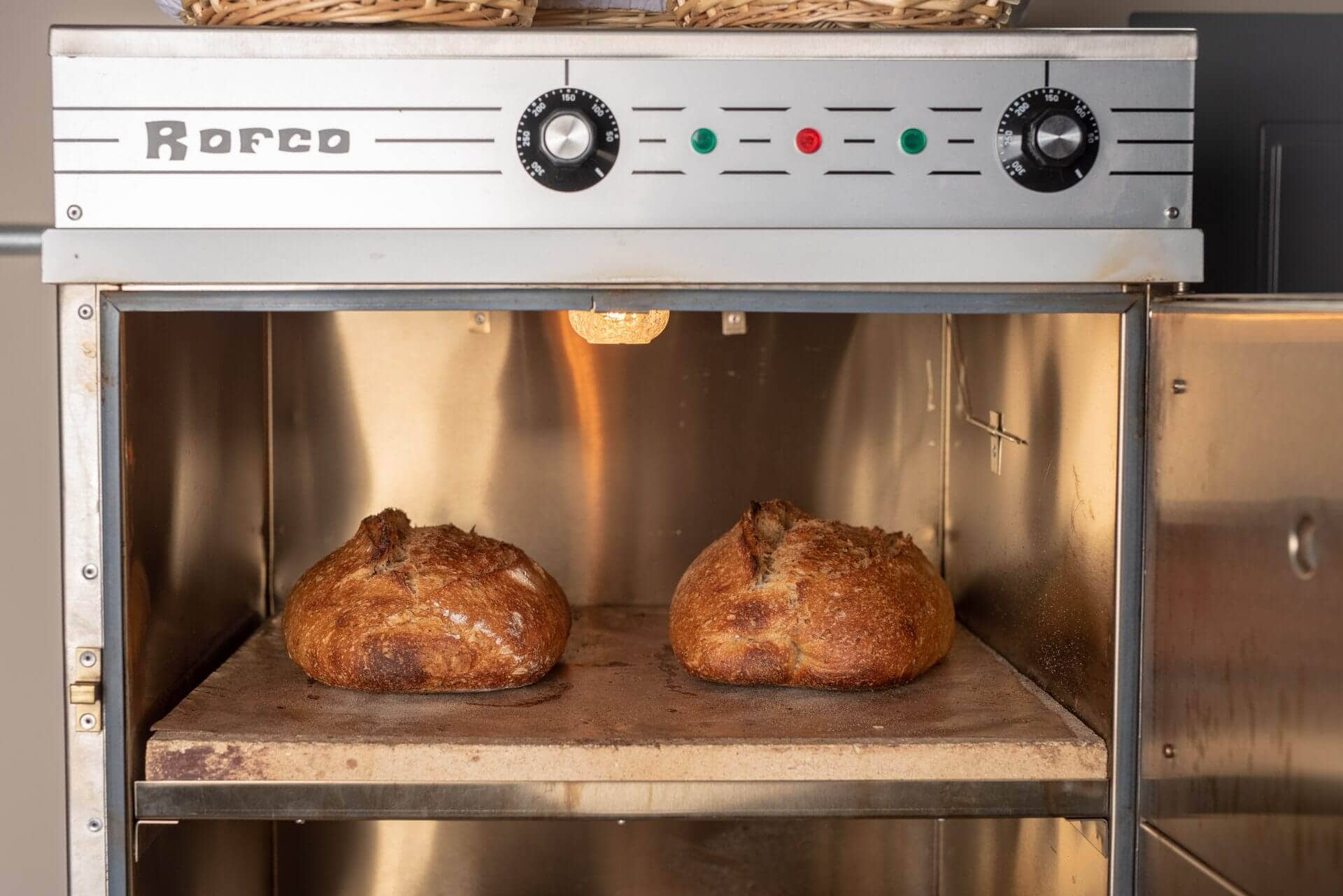
The Rofco is a Belgian-engineered electric brick oven meticulously designed for the art of bread baking. Available in various configurations, the B40 model, the largest in the Rofco line, features three spacious square baking decks. Its construction is characterized by a robust, no-nonsense design with a sealed oven chamber. This enclosure minimizes external radiant heat, allowing for placement in close proximity to other kitchen appliances or walls. A key feature is its three 1-3/8-inch thick chamotte deck stones. These refractory bricks possess exceptional heat retention capabilities, ensuring stable temperatures even after loading dough, a critical factor for consistent baking. The Rofco’s ability to maintain heat for extended periods makes it ideal for consecutive baking sessions with minimal downtime between batches.
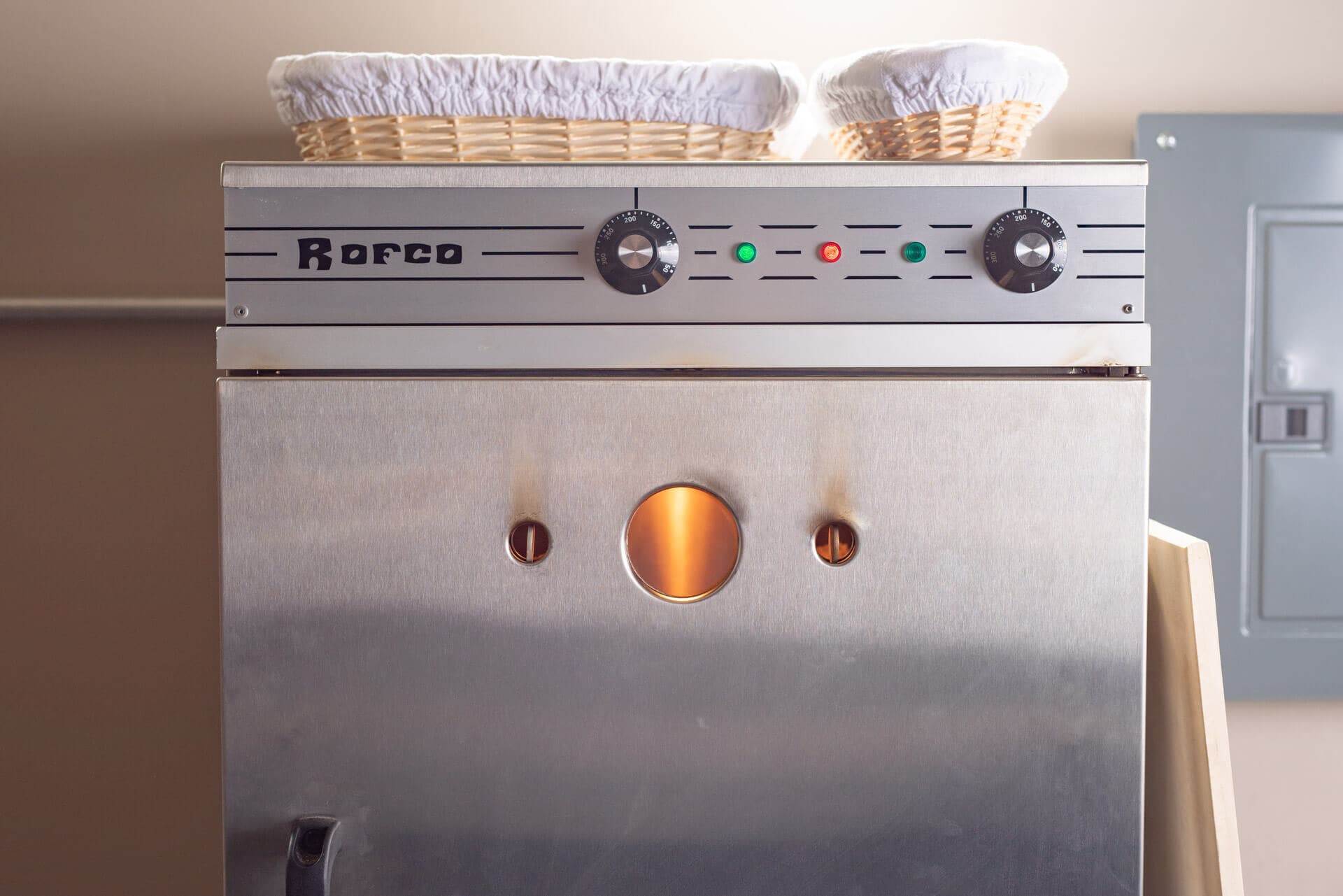
The Rofco B40 operates on a standard 220V AC single-phase power supply, a common requirement for many household appliances in North America, typically utilizing a 6-20P cord and a 6-20R receptacle. Installation in a home environment may necessitate a consultation with a qualified electrician to ensure the appropriate breaker and outlet are installed.
The Rofco’s Place in the Baking Landscape
The transition to a Rofco oven often stems from an escalating passion for baking, which may lead some bakers to establish nano or micro-bakeries, or to sell their goods at local farmers’ markets. Regardless of the scale of ambition, the Rofco B40 offers a tangible solution for increasing production volume. While many bakers successfully produce larger quantities of bread in standard home ovens, the Rofco liberates the baker to dedicate more attention to the finer points of the craft—flavor development, precise fermentation control, and intricate shaping techniques.
My personal journey with the Rofco began with the desire to bake 4-6 loaves consistently, a far cry from the multi-loaf batches required for larger events or festivals. The oven has proven to be an efficient and reliable workhorse, consistently delivering on its promise of producing high-quality bread. Initial purchases of the Rofco in the United States were facilitated by retailers like Pleasant Hill Grain, known for their exceptional customer service. In my experience, their responsiveness to inquiries and even minor issues with oven components has been exemplary. It is important to note that while a discount was received from Pleasant Hill Grain for this oven, this guide is an independent compilation of personal experience and expertise, free from any external influence or expectation.
A Resounding Endorsement: The Rofco B40
To be unequivocal: the Rofco bread oven garners my highest recommendation. It represents a significant advancement for any baker aiming to move beyond the limitations of a standard two-loaf home oven. Its elegantly simple design, the accessibility of its components for straightforward repairs, and its consistent, even baking performance make it an outstanding choice for both dedicated home bakers and emerging professional artisans.
Optimizing Dough Placement for Consistent Baking
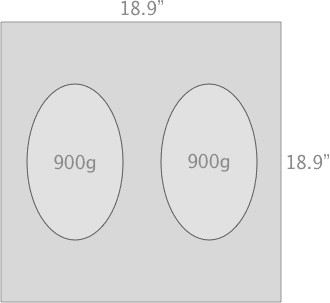
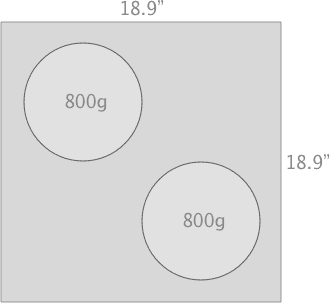
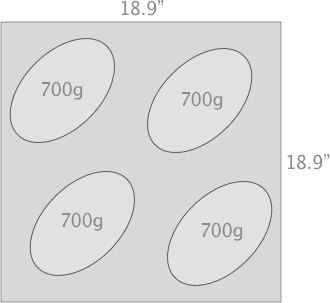
A key aspect of maximizing the Rofco’s potential lies in the strategic arrangement of dough on its decks, akin to a game of culinary Tetris. The goal is to bake the maximum number of loaves while ensuring adequate space for expansion and even heat circulation. While I primarily bake 2-3 loaves at a time, experienced bakers have refined techniques for filling all three decks. The following diagrams illustrate common dough configurations for the Rofco B40, whose decks measure 18.9 inches by 18.9 inches. Ovals represent the typical batard shape, while circles denote boules. The top edge of each diagram indicates the rear of the oven, and the bottom edge represents the front, where the door is located.
- Configuration 1: 2 x 900g Batards per Deck: This arrangement, often my go-to for home baking, positions two elongated loaves towards the front and back of each deck, allowing for ample oven spring.
- Configuration 2: 2 x 800g Boules per Deck: Round loaves offer more flexibility in placement. Two boules can be spaced comfortably on each deck, ensuring they do not touch during the bake.
- Configuration 3: 4 x 700g Loaves per Deck: For those aiming to maximize output, fitting four smaller loaves per deck is achievable, requiring careful spacing to prevent overcrowding.
Beyond traditional bread loaves, the Rofco’s square steel trays, included with the oven, are versatile. They are perfectly suited for baking smaller items like buns, rolls, or even large square pizzas. These trays are particularly useful for containing any spills and simplifying the transfer of multiple small items into the oven.

Mastering Steam: The Rofco’s Secret Weapon
Achieving optimal oven spring and a desirable crust in bread baking hinges on effective steaming during the initial stages of the bake. The Rofco’s sealed oven chamber, lacking an external exhaust fan, inherently retains steam well, a significant advantage. However, unlike some professional ovens, it does not feature integrated steam injection. Fortunately, several effective manual methods can be employed to introduce the necessary steam.
High-Pressure Sprayer: The Preferred Method
My preferred method for generating steam involves a commercial-grade pressure sprayer. When set to a fine mist, this tool allows for precise and efficient steam delivery. Prior to loading the dough, the sprayer, filled with water, is pressurized. Starting with the bottom deck, a 10-12 second spray envelops the chamber in a fine mist. This process is repeated for the middle and top decks. A crucial caution: avoid spraying the glass of the oven light fixture, as rapid temperature changes can cause the glass to crack. Immediately after spraying the top deck, a second, brief spray is administered to each deck as the oven door is closed.
To vent the steam, the oven door is carefully opened—allowing steam to dissipate before looking inside—then briefly closed before tilting the two circular vents on the door to their open position. This controlled release of steam is vital for achieving the desired crust development.
Steam Pods: An Optional Approach
Rofco offers optional rectangular steel steam pods designed to be placed on the sides of each deck. These pods are preheated within the oven. When steam is required, water or ice cubes are poured into the pods, and the oven door is closed. The resulting steam generation is effective, but these pods occupy valuable deck space, which can be a constraint when baking larger loaves or maximizing capacity. While they perform well, the space trade-off leads many bakers, including myself, to favor the pressure sprayer method.
The Rofco Baking Process: A Step-by-Step Guide
The Rofco oven features two primary controls: the left knob manages the top heating element, and the right knob controls the bottom element. Indicator lights illuminate when each respective element is active.
Preheating: The oven must be thoroughly preheated to ensure the deck stones are fully saturated with heat. With both the door and vents closed, both temperature dials are set to 240°C (482°F). This preheating phase typically lasts for 1.5 hours.
Loading the Dough: Once preheated, the process of loading the dough begins. A large wooden peel is placed on a nearby table. A silicone baking mat is laid on the peel, followed by the scored dough loaves. The sheet with the dough is then slid directly into the oven. This process is repeated for each subsequent loaf, using the peel to transfer the dough from the silicone mat into the oven.
The Baking Cycle: The baking process is carefully timed and regulated by temperature adjustments and steam management:
| Step | Temperature | Duration | Notes |
|---|---|---|---|
| 1. Preheat Oven (Door & Vents Closed) | 240°C (482°F) | 1 hour 30 minutes | Ensures deck stones are fully heated. |
| 2. Bake with Steam | 150°C (302°F) | 20 minutes | Initial bake to encourage oven spring. |
| 3. Vent Steam & Continue Baking | 220°C (428°F) | 10 minutes | Briefly open door, then open vents. Allows crust to set and brown. |
| 4. Final Bake (Reshuffle loaves if needed) | 150°C (302°F) | 20-30 minutes | Final baking phase for deep coloration and internal temperature. |
Upon completion of the bake, the loaves are removed using the peel and placed on wire racks to cool. The oven is then either turned off or reheated for subsequent batches.
Essential Tools for Rofco Baking
Several tools significantly enhance the Rofco baking experience:
High-Capacity Electric Sprayer
For efficient steam generation without the space constraints of steam pods, an electric spray bottle is invaluable. Models like the Electric Spray Bottle, which are compact yet capable of delivering a substantial fine mist with the press of a button, are highly recommended. This replaces older manual pump sprayers and offers superior control and volume.
Custom Oven Stand
Elevating the Rofco oven to a comfortable working height is crucial for ease of loading and unloading. A custom-cut stainless steel equipment stand, such as those offered by WebstaurantStore, provides a sturdy platform. For the Rofco B40, a 30" x 30" stand with legs cut to approximately 18 inches offers an ideal height. The inclusion of locking casters can add mobility, though for maximum stability, fixed legs might be preferable.

Large Wooden Peel
While the Rofco B40 includes square steel trays, a large wooden peel offers a more manageable and effective solution for transferring dough. An 18-inch wide peel, matching the width of the Rofco’s decks, is particularly useful. This allows for direct transfer of dough from a silicone mat on the peel into the oven. The peel’s ample surface area facilitates precise placement and minimizes the risk of dough sticking.
Post-Bake Optimization: Drying Bannetons
A practical tip for bakers using the Rofco is to utilize the residual heat of the oven after removing the baked bread to dry proofing baskets (bannetons). Placing damp bannetons in the warm oven for a short period effectively dries the lining, preventing mold and ensuring they are ready for immediate storage. This simple step contributes to the longevity and hygiene of essential baking tools.
Looking Ahead: The Future of Home Baking
As bakers adapt to new equipment like the Rofco, a slight initial adjustment in baking quality is common. It is advisable to select a straightforward sourdough recipe and practice it consistently until proficiency with the Rofco’s unique characteristics is achieved. For those considering a Rofco purchase, Pleasant Hill Grain is a highly recommended vendor.

For bakers aspiring to further professionalize their operations, exploring complementary equipment is essential. The Famag spiral dough mixer, capable of handling up to 8 kilograms of dough, is a significant asset for larger batch production. For smaller-scale operations or testing, the Ooni Halo Pro Spiral Mixer offers a convenient alternative. For those seeking even greater baking capacity than the Rofco B40, larger ovens like the RackMaster 2020 Bread Oven, featuring expanded deck sizes, are also available.
The journey of a baker is one of continuous learning and adaptation. The Rofco B40 represents a powerful tool for those ready to elevate their bread-making endeavors, offering a pathway to increased volume without compromising on quality.