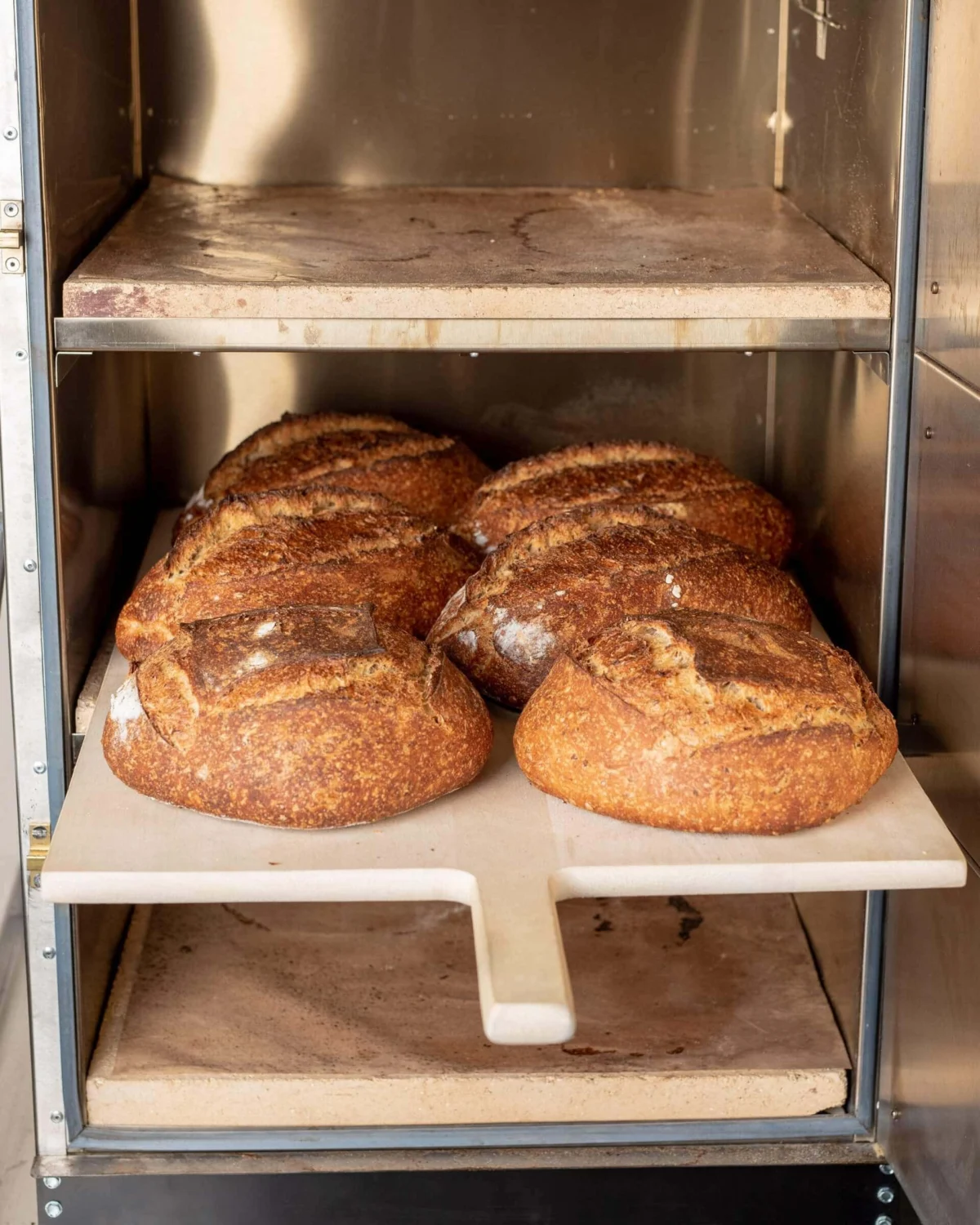

The pursuit of culinary excellence often leads home bakers down a path of gradual expansion, a journey marked by the evolution from aspiration to necessity. For many, this progression culminates in the acquisition of specialized equipment that transcends the limitations of a standard domestic kitchen. Such was the case for this baker, whose growing ambition to produce larger quantities of artisanal bread—specifically, the desire to easily bake six loaves at a time—shifted from a wistful thought to an active search for a more capable oven. This shift underscores a common trajectory in the home baking community: as proficiency and output increase, the demand for tools that enhance efficiency becomes paramount. This guide delves into the practicalities of scaling up home baking operations, with a particular focus on the Rofco bread oven, a Belgian-made appliance that has become a cornerstone for bakers seeking to elevate their craft.
While it is certainly not impossible to bake substantial quantities of bread in a conventional home oven, the right tools, like the Rofco, allow bakers to dedicate their attention to the finer points of bread making: the intricate development of flavor, the nuanced science of fermentation, the tactile art of dough handling, and the precision of shaping. The Rofco oven represents a natural progression for those whose passion for baking has outgrown their existing setup. This journey of expansion is often fueled by an increasing obsession with the craft, a subtle yet powerful force that can lead some bakers to establish nano or micro-bakeries, or even venture into selling their creations at local farmers’ markets. Regardless of the motivation behind scaling up, this comprehensive guide aims to consolidate essential information regarding the tools, temperatures, timings, and techniques discovered through practical experience with the Rofco bread oven. It is intended to serve as a resource for individuals contemplating the acquisition of a Rofco, or for those who have recently purchased one and are seeking guidance on initiating its use and developing their own optimized baking processes.
Understanding the Rofco Bread Oven
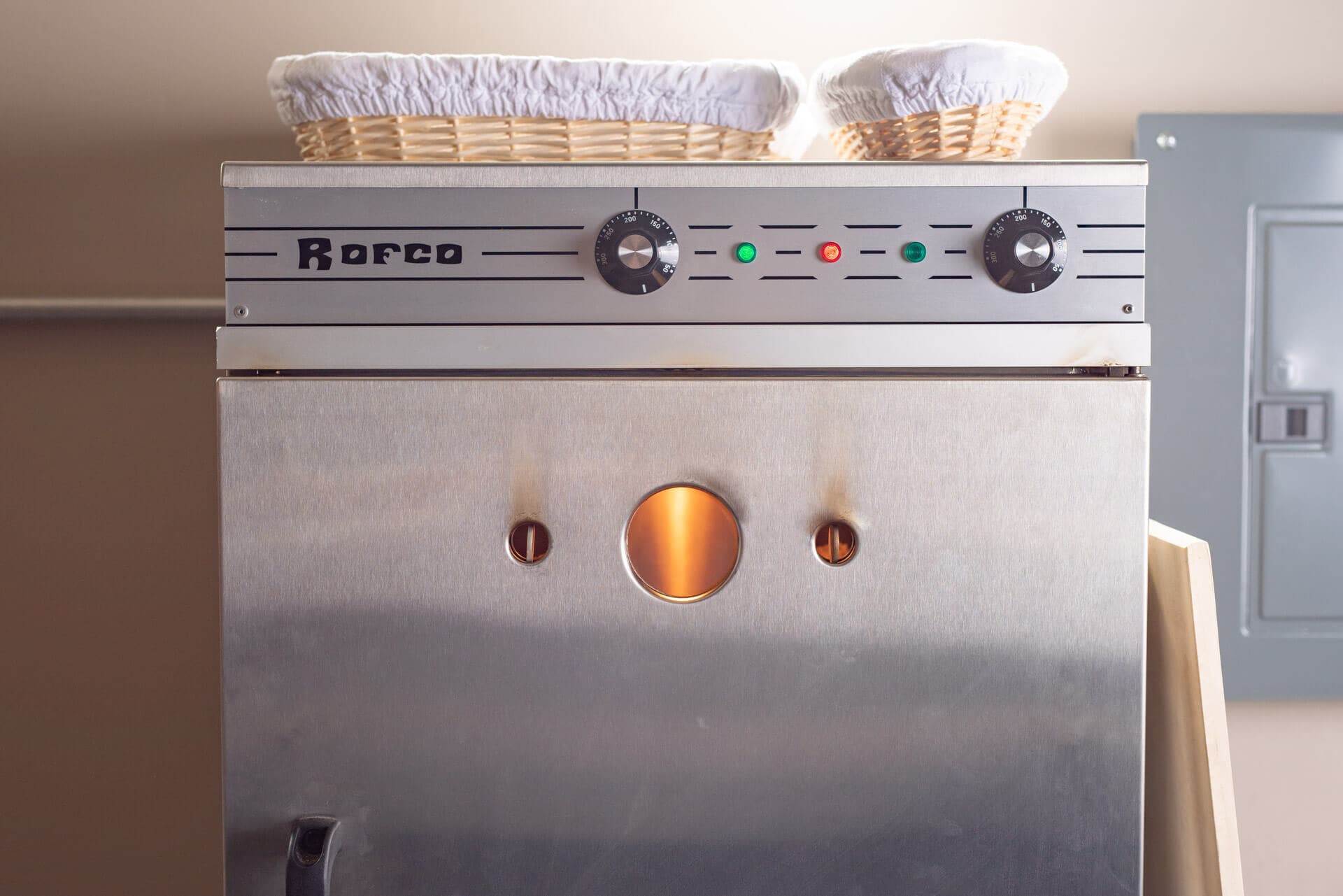
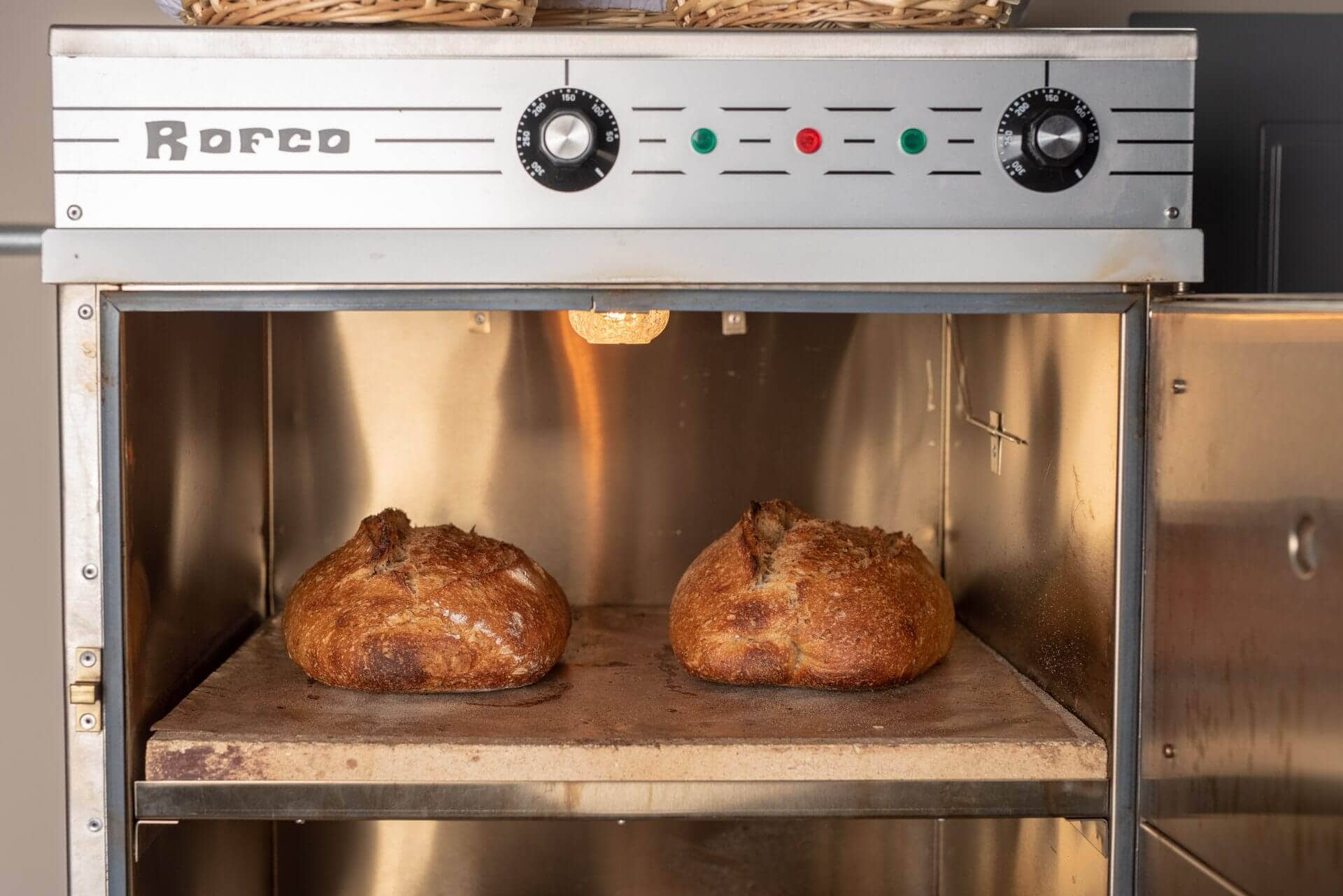
The Rofco is a purpose-built electric brick oven originating from Belgium, specifically engineered for the art of bread baking. Available in various configurations, the model under examination, the B40, is the largest offered, featuring three expansive square baking decks. Its design is characterized by a robust, no-nonsense construction and a sealed oven chamber. A key operational advantage is its minimal external heat radiation, allowing for placement in close proximity to other kitchen appliances or walls, despite the oven’s surfaces reaching high temperatures. The oven is equipped with three chamotte deck stones, each 1-3/8 inches thick. These refractory bricks possess a remarkable capacity for heat retention, maintaining temperature even after the oven door has been opened for loading dough. This sustained heat retention makes the Rofco exceptionally well-suited for consecutive baking sessions, requiring only brief recovery periods between batches to return to optimal temperature.
Operationally, the Rofco typically runs on standard 220V AC single-phase power, utilizing a 6-20P cord plug and a 6-20R receptacle, common in many modern households. Installation may necessitate the services of an electrician to ensure appropriate wiring and breaker capacity. The author’s experience includes having a dedicated receptacle and breaker installed for the oven, a common requirement for such appliances.
A Baker’s Endorsement: The Rofco’s Value Proposition
The Rofco bread oven receives a strong recommendation from experienced bakers for its ability to facilitate bread production beyond the typical two loaves possible in a standard home oven. Its straightforward design, coupled with easily repairable components and consistent baking performance, positions it as a valuable asset for both home enthusiasts and professional bakers. The oven’s efficiency and convenience, described as a "bare-bones workhorse," make it an indispensable tool for those who regularly bake larger quantities. The author notes a positive purchasing experience with Pleasant Hill Grain in the US, highlighting their exceptional customer service, responsiveness to inquiries, and support even with minor equipment issues. While a discount was received from the retailer, this guide’s content is presented as independent, based solely on personal experience and insights.
Optimizing Dough Placement for Maximum Yield
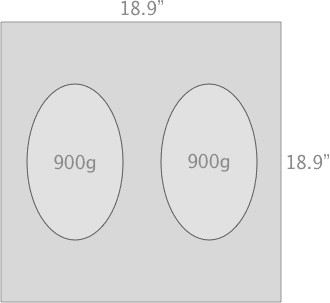
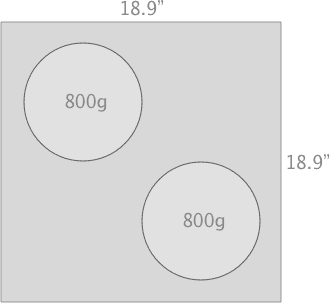
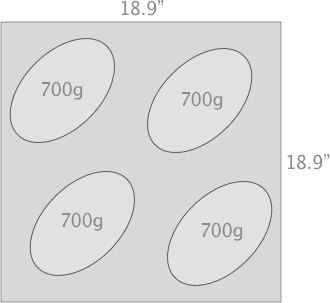
A critical aspect of maximizing baking capacity in the Rofco oven involves strategic dough placement, akin to a real-life game of Tetris. The objective is to fit the greatest number of dough pieces without them touching, while ensuring uniform baking. While extensive experience with extreme scaling is acknowledged, the author outlines common configurations for home baking, with the arrangement of two 900g batards per deck being the most frequently employed. The diagrams illustrate typical layouts for batard and boule shapes within the Rofco B40’s 18.9" x 18.9" decks, indicating the back of the oven as the top edge and the door as the bottom edge.
In addition to loaves, the Rofco’s included square steel trays offer versatility. These trays are suitable for baking smaller items like buns and rolls, as well as larger formats such as square pizzas. They are particularly useful for managing multiple small items and containing any potential spills, simplifying the transfer process into and out of the oven.
Mastering Steam for Optimal Rise
Effective steaming is crucial for achieving the desired oven spring and crust development in bread. The Rofco’s sealed oven chamber is advantageous in retaining steam, as there is no integrated exhaust fan. However, unlike professional ovens with built-in steam injection systems, manual methods are required. The author refers to previous guides on steaming in home ovens, emphasizing its importance for dough expansion.

Two primary methods for steam generation in the Rofco are detailed:
High-Pressure Sprayer Method
This technique involves using a commercial-grade pressure sprayer, set to the finest mist. The sprayer is pressurized with water, and then, after loading the dough, a fine mist is applied to each deck for approximately 10-12 seconds. A second application is recommended just before closing the door completely. It is crucial to avoid spraying the glass of the oven light fixture, as it can crack under thermal shock. Venting the steam is achieved by briefly opening the door and then tilting the circular vents on the door to their open position.
Steam Pods
Optional steam pods are available, which are rectangular steel boxes placed on the sides of each deck. These are preheated within the oven. To generate steam, water or ice cubes are poured into the pods, and the oven door is closed. While effective, these pods consume valuable deck space. The author finds the pressure sprayer method more practical due to space constraints.
The Rofco Baking Process: A Step-by-Step Guide
The author emphasizes that the baking process in the Rofco is subject to ongoing refinement, with times and temperatures often adjusted based on the specific dough formulation. The following procedure represents a reliable baseline for most recipes.
The Rofco features two control knobs: the left for the top heating element and the right for the bottom element. Indicator lights signify when each element is active.
Preheating: The oven is preheated with both dials set to 240°C for 1.5 hours to ensure thorough saturation of the deck stones with heat. It is imperative to ensure the oven is empty, removing any silicone sheets or other non-heat-resistant items.
Loading: A large wooden pizza peel is prepared with a silicone sheet. Dough is turned out onto the sheet, scored, and then slid into the oven using the peel. Subsequent dough pieces are loaded similarly.
Baking Stages:
| Step | Temperature | Duration | Notes |
|---|---|---|---|
| 1. Preheat oven (door closed, vents closed) | 240°C | 1 hour 30 minutes | Ensures deck stones are fully heated. |
| 2. Bake with steam | 150°C | 20 minutes | Initial phase for optimal oven spring. |
| 3. Vent steam and bake | 220°C | 10 minutes | Briefly open door and open vents to release steam. |
| 4. Final bake | 150°C | 20-30 minutes | Allows for proper crust development. |
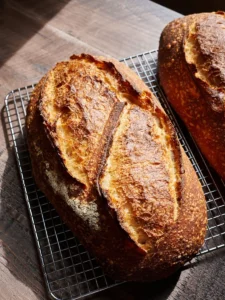
After baking, loaves are removed and placed on wire racks to cool. The oven is then either turned off or reheated for subsequent batches.
Essential Tools for Rofco Baking
Several tools significantly enhance the Rofco baking experience:
Commercial-Grade Electric Sprayer
An electric spray bottle is recommended for steam generation, offering a more efficient and consistent mist compared to manual pump sprayers. This particular model is noted for its capacity to inject a substantial amount of fine mist with a single button press.
Custom Oven Equipment Stand
Raising the Rofco oven on a custom-cut stainless steel equipment stand from WebstaurantStore is a practical modification. A 30" x 30" stand, with legs cut to an 18" height, provides comfortable working clearance for loading and unloading. The addition of locking casters can offer mobility, though they might slightly impact structural rigidity.

Large Wooden Peel
A generously sized wooden pizza peel, specifically one with a width approximating the Rofco’s deck dimensions (18.9 inches), is invaluable. This allows for efficient transfer of dough on silicone sheets directly from a preparation surface into the oven. The author uses an 18" wide peel with an 18" handle, finding it ideal for the Rofco B40 decks.
Post-Baking Efficiency: Drying Proofing Baskets
An ingenious tip for maximizing oven utility involves utilizing the residual heat after unloading baked goods to dry proofing baskets (bannetons). Placing damp baskets inside the warm oven after removing the bread expedites the drying process, preventing mold formation and allowing for immediate storage.
Future Baking Endeavors
The transition to a new oven, especially one like the Rofco, often involves an initial adjustment period. Bakers are advised to select a straightforward sourdough recipe and practice it consistently to master the new oven’s nuances. For those considering a Rofco, Pleasant Hill Grain is recommended for their excellent service.

For individuals looking to further professionalize their baking setup, resources on complementary equipment are available. These include guides on the Famag spiral dough mixer, capable of handling large dough batches, and the Ooni Halo Pro Spiral Mixer, suitable for smaller batches and microbakery operations. Additionally, information on larger-capacity ovens, such as the RackMaster 2020 Bread Oven, is provided for those with even greater scaling ambitions.
The journey of a home baker often leads to the exploration of specialized equipment like the Rofco bread oven. This investment signifies a commitment to elevating the craft, enabling the production of larger quantities of high-quality bread. By understanding the oven’s capabilities, optimizing operational techniques, and utilizing appropriate tools, bakers can successfully transition from domestic hobbyists to efficient producers, capable of meeting increasing demands and exploring new avenues within the artisanal bread community.