
The pursuit of culinary perfection often leads home bakers down a path of continuous improvement, a journey marked by the gradual acquisition of specialized tools that elevate their craft. For many, this evolution climaxes with the decision to move beyond the limitations of a standard home oven and embrace the capabilities of professional-grade equipment. This transition is precisely what the author, a dedicated home baker, experienced, culminating in the acquisition and deep dive into the Rofco B40 bread oven. This article aims to provide a comprehensive guide to this particular oven, detailing its features, operational nuances, and practical applications for bakers looking to scale their production or simply achieve superior results.
The Genesis of an Oven Upgrade: From Wishful Thinking to Practical Investment
The desire for a larger oven typically arises organically for passionate bakers. It begins as a subtle wish – the ability to bake more than a handful of loaves at once – and soon transforms into a tangible goal. As the volume of dough handled increases, so does the yearning for efficiency. While baking large quantities of bread in a conventional home kitchen is certainly achievable, the right tools allow bakers to dedicate more attention to the finer points of their craft: flavor development, precise fermentation, dough handling, and intricate shaping. The Rofco oven, with its robust construction and specialized design, represents a natural progression for bakers seeking to optimize their home baking operations, potentially even paving the way for micro-bakery ventures or participation in local farmers’ markets. This guide serves as a consolidated resource, offering insights into the tools, temperatures, timings, and techniques that have proven effective for the author in mastering the Rofco bread oven. Furthermore, it is intended to assist potential buyers in assessing whether a Rofco oven aligns with their baking aspirations and to guide new owners in initiating their journey with this equipment.
Understanding the Rofco: A Deep Dive into its Design and Functionality
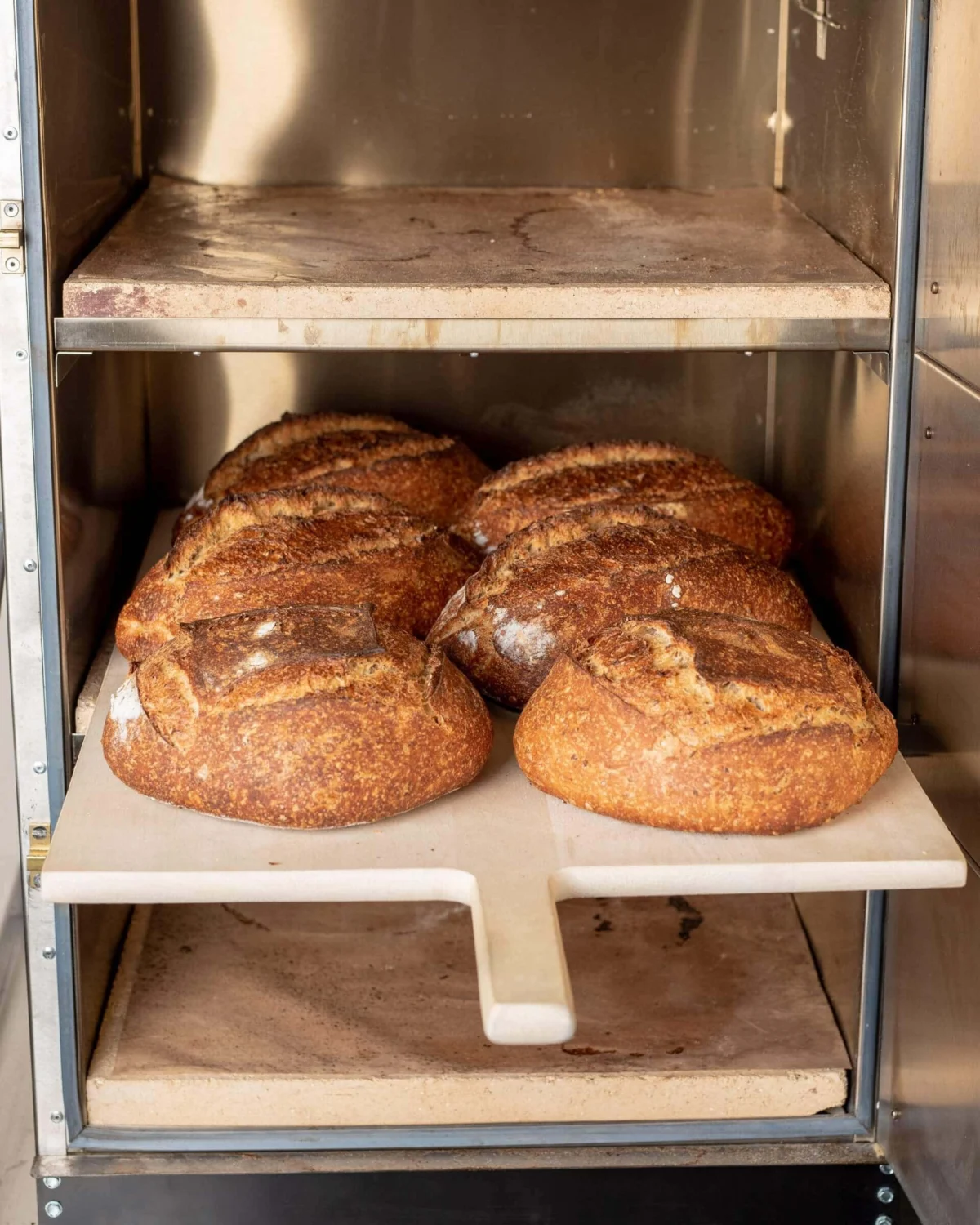
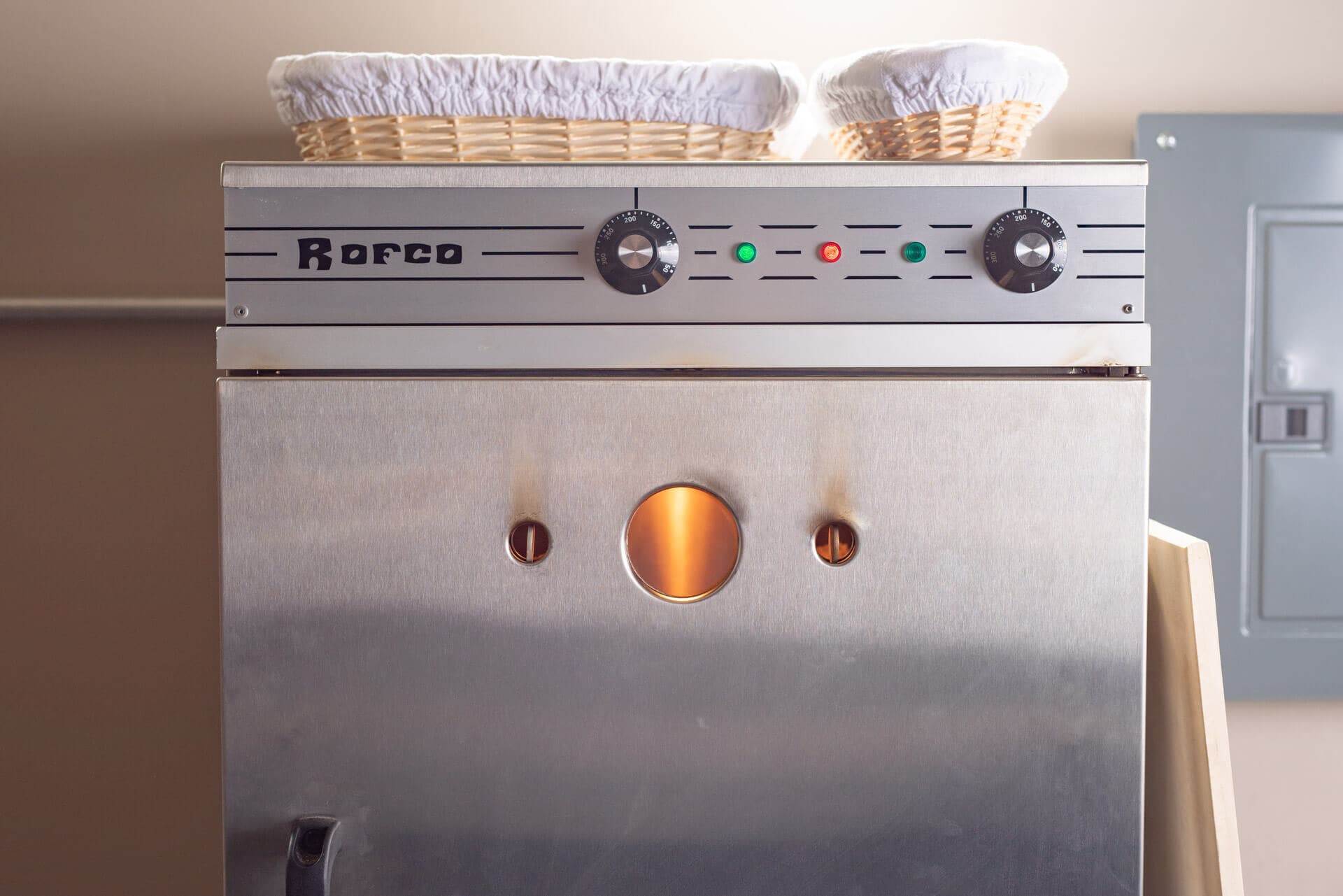
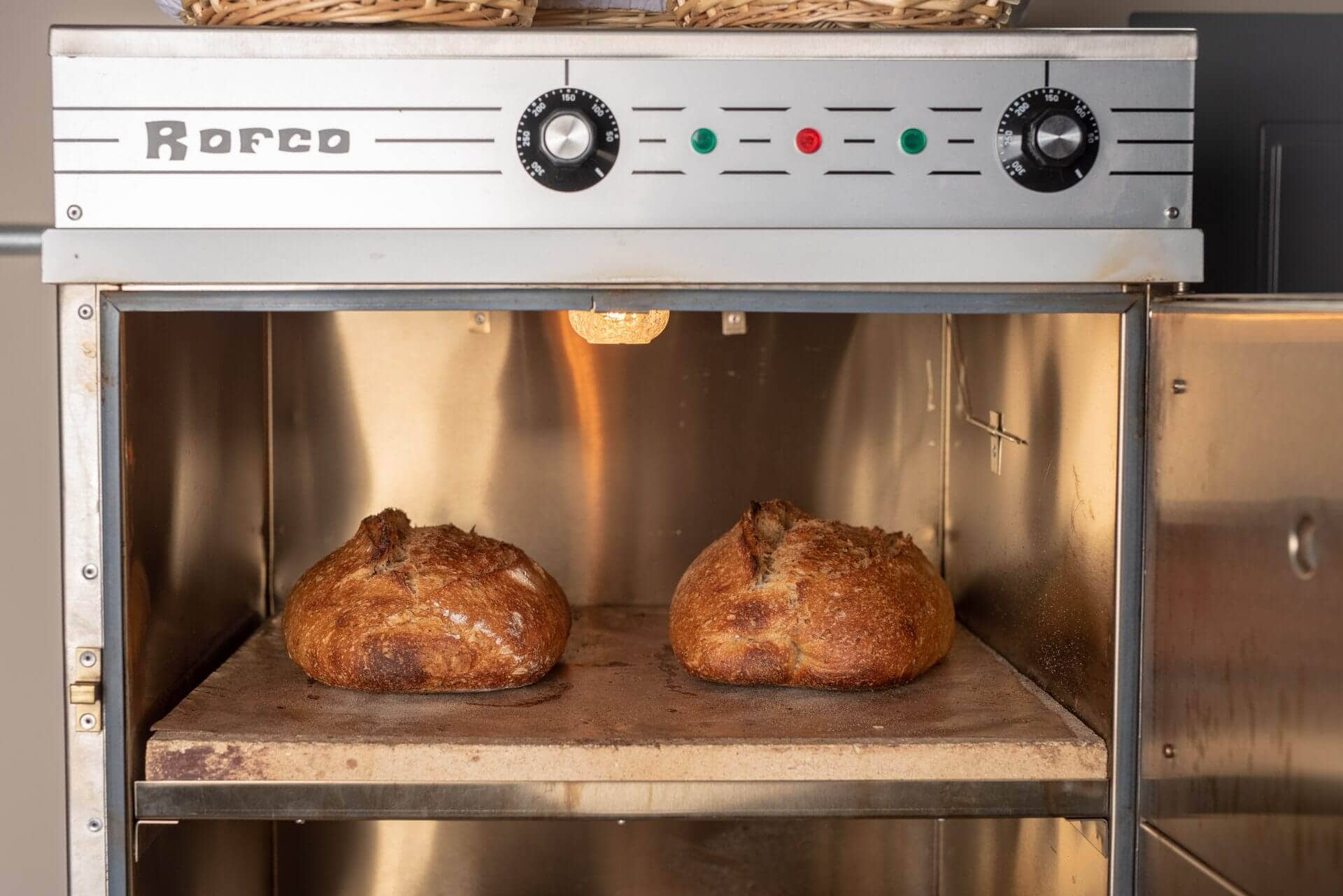
The Rofco, a Belgian-manufactured brick oven, is specifically engineered for the art of bread baking. Available in various configurations, the author’s B40 model stands as the largest option, boasting three expansive square baking decks. Its design is characterized by a no-nonsense approach to construction, featuring a completely sealed oven chamber. This design minimizes external heat radiation, allowing for closer placement to other kitchen appliances or walls, a significant advantage in space-conscious home environments. The oven is equipped with three 1-3/8-inch thick chamotte deck stones, renowned for their superior heat retention. Even after the initial preheating phase and subsequent door openings for loading dough, these stones maintain a consistent temperature, crucial for achieving optimal oven spring and crust development. The Rofco’s ability to hold heat for extended periods makes it exceptionally well-suited for consecutive baking sessions, requiring only brief recovery periods between batches to return to the desired temperature.
The Rofco oven operates on a standard 220V AC single-phase power supply, utilizing a 6-20P cord plug and a 6-20R receptacle, common in many contemporary households. For installation, it is advisable to have a qualified electrician ensure a dedicated circuit and appropriate breaker are in place to support the oven’s power demands.
The author has successfully utilized the Rofco oven for a range of baking needs, from large-scale production for events to the more frequent baking of four to six loaves for personal consumption. Its efficiency and user-friendly design position it as a dependable workhorse for any serious baker.
A Reseller’s Commitment to Quality: The Pleasant Hill Grain Experience
The author’s purchase of the Rofco oven was facilitated by Pleasant Hill Grain, a retailer noted for its exceptional customer service. Their responsiveness to inquiries and support during a minor issue with a door clasp underscores their commitment to customer satisfaction. It is important to note that while a discount was provided by Pleasant Hill Grain, this guide is an independent assessment based on the author’s personal experience and expertise, without external influence or expectation.
The Verdict: A Resounding Recommendation for the Rofco Bread Oven
To be unequivocally clear, the Rofco bread oven garners a strong endorsement. It represents a significant upgrade for home bakers looking to expand their capabilities beyond the typical two-loaf capacity of standard ovens. Its straightforward design, ease of repair due to its simple components, and remarkably consistent baking performance make it an outstanding choice for both dedicated home bakers and aspiring professionals.

Optimizing Dough Placement: The Art of the Rofco Bake
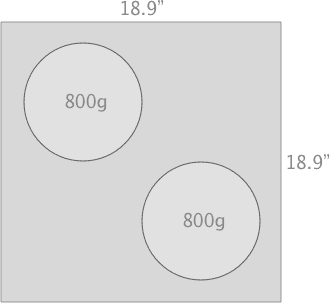
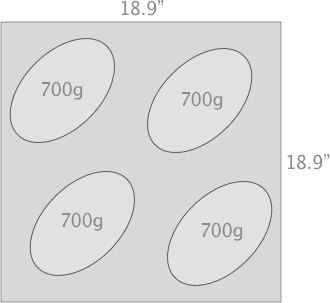
A key consideration when baking multiple loaves in the Rofco is the strategic placement of dough on its decks to ensure even baking and prevent loaves from touching. This process can be likened to a real-life game of Tetris, where maximizing capacity without compromising bake quality is paramount. While the author primarily bakes two 900g batards per deck, a common and manageable configuration, other bakers have refined this art to accommodate even more. The following diagrams illustrate typical dough arrangements for the author’s home baking needs. It’s important to note that the Rofco B40 decks measure 18.9 inches by 18.9 inches. In the diagrams, ovals denote the author’s preferred batard shape, while circles represent boules. The top edge of each depicted square signifies the rear of the oven, and the bottom edge represents the front, where the door is located.
-
Configuration 1: Two 900g Batards per Deck
This arrangement is the author’s most frequent choice, offering a balance of loaf size and spacing for optimal heat circulation. -
Configuration 2: Two 800g Boules per Deck
This option accommodates round loaves, utilizing the deck space effectively.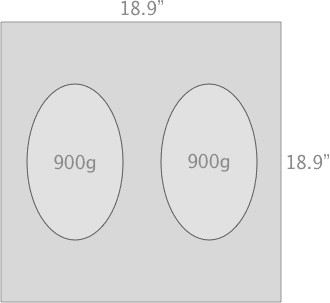
-
Configuration 3: Four 700g Loaves per Deck
This configuration maximizes the number of loaves baked, suitable for larger batches.
Beyond individual loaves, the Rofco’s included square steel trays offer versatility. These trays are ideal for baking smaller items such as buns, rolls, or even large square pizzas. Their use also simplifies the transfer of multiple small items into and out of the oven and helps contain any potential spills.
Mastering the Steam: Essential for Rofco Bread Baking
As previously highlighted in guides on Dutch oven baking, steam plays a critical role in achieving the desired oven spring and a beautifully caramelized crust. The Rofco’s sealed oven chamber, lacking an exhaust fan, retains steam effectively until the front vents are opened. However, unlike professional ovens with integrated steam injection systems, the Rofco requires manual steam application. Fortunately, several effective methods exist to introduce sufficient steam for optimal bread baking.
Method 1: The High-Pressure Sprayer – A Preferred Technique
The author’s preferred method for steaming the Rofco involves a commercial-grade pressure sprayer. This tool, set to produce the finest mist, is filled with water and pressurized. Before loading the dough, the baker meticulously sprays each deck for approximately 10-12 seconds, starting with the bottom deck and moving upwards. A second misting is applied to each deck just before closing the oven door completely. It is crucial to avoid spraying directly onto the glass of the oven light fixture, as extreme temperature changes can cause the glass to crack.
To vent the steam, the oven door is carefully opened (allowing initial steam to dissipate before direct exposure) and then briefly closed. The circular vents on the door are then tilted to their open position.
Method 2: Optional Steam Pods – A Functional Alternative
Rofco offers optional rectangular steam pods that can be preheated within the oven. When steam is desired, water or ice cubes are poured into these steel boxes, positioned on the sides of each deck. While effective in generating steam, these pods occupy valuable deck space, which can be a limitation for bakers aiming to maximize their load. The author occasionally uses these pods for testing but generally favors the space-saving efficiency of the pressure sprayer. Once the water has evaporated from the pods, steam is vented by opening the circular door vents.
The Rofco Baking Process: A Step-by-Step Chronology
The author’s baking process in the Rofco oven is a carefully refined sequence, though it is acknowledged that different dough formulations may necessitate adjustments to times and temperatures. The following represents a reliable baseline process for most recipes.
The Rofco features two control knobs: the left controls the top heating element, and the right controls the bottom. Indicator lights illuminate when each respective element is active.

Preheating: The oven is preheated empty (ensuring no silicone sheets are left inside) with both dials set to 240°C. A preheating period of 1.5 hours is recommended to ensure the chamotte deck stones are thoroughly saturated with heat.
Loading the Dough: Once preheated, a large wooden peel is placed on a nearby table. A silicone baking mat is laid on the peel, followed by two additional mats placed alongside. Dough is gently turned out onto each mat, scored, and then slid from the peel into the oven. This process is repeated sequentially for each loaded dough.
The Baking Stages:
| Step | Description | Temperature | Duration |
|---|---|---|---|
| 1 | Preheat oven (door closed, vents closed) | 240°C | 1 hour 30 minutes |
| 2 | Bake with steam | 150°C | 20 minutes |
| 3 | Vent steam (briefly open door, open circular vents) | 220°C | 10 minutes |
| 4 | Continue baking (reshuffle loaves if necessary for even browning) | 150°C | 20-30 minutes |
Upon completion of baking, the loaves are removed from the oven using the peel and placed on wire racks to cool. The oven is then either turned off or reheated for subsequent batches, with the door closed.

Essential Tools for Rofco Oven Operation
Several tools significantly enhance the Rofco baking experience:
1. High-Pressure Sprayer for Steam: While the author previously recommended a manual pump sprayer, a more efficient option has been identified: the Electric Spray Bottle. This compact device delivers a powerful, fine mist with the simple press of a button, significantly improving steam application efficiency.
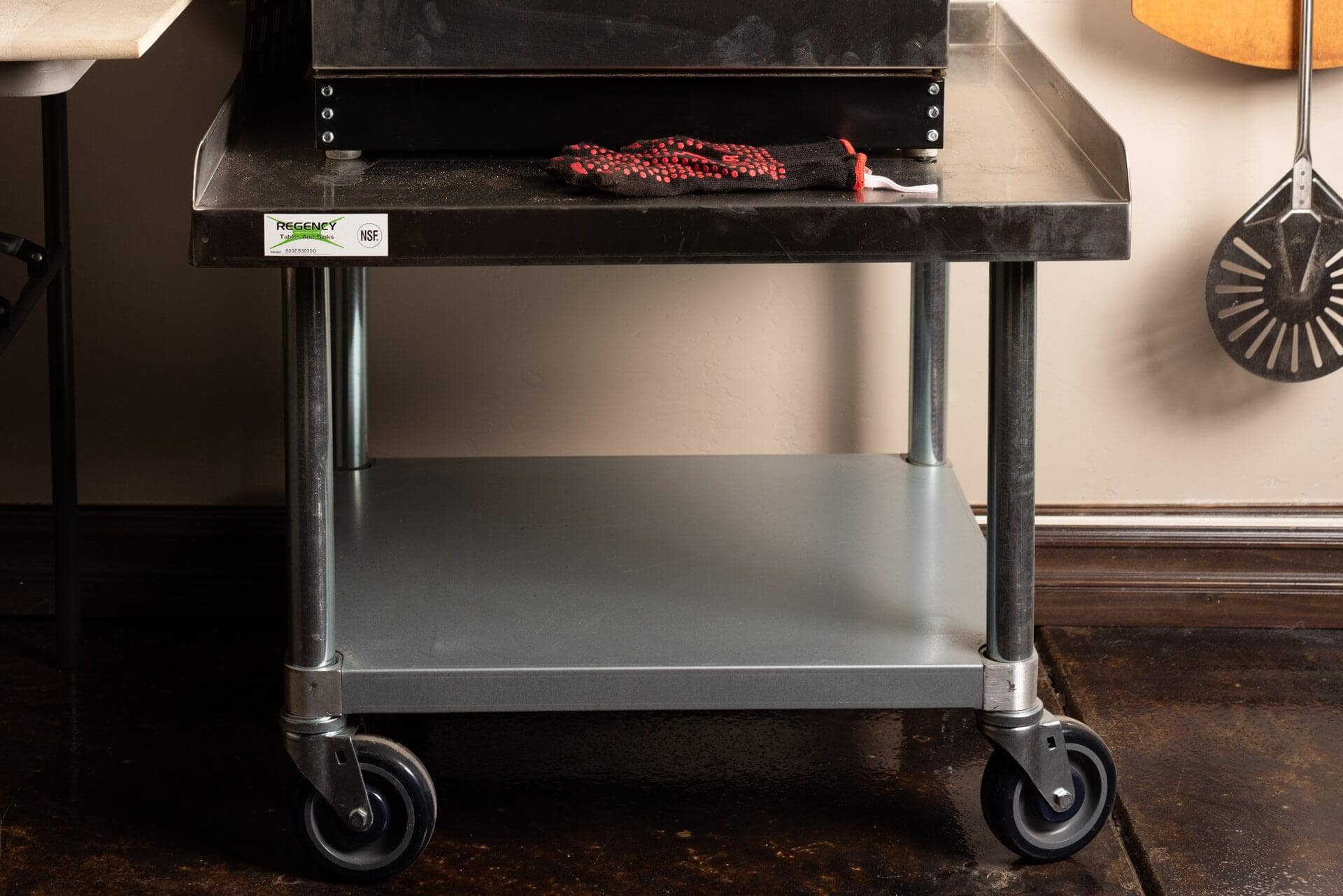
2. Oven Equipment Stand: To optimize ergonomics, the author elevated the Rofco oven using a custom-cut stainless steel equipment stand. A 30" x 30" Regency stand, with legs shortened to 18", provides a comfortable working height for loading and unloading. The addition of locking casters offers mobility if the oven needs to be repositioned.
3. Large Wooden Peel: A generously sized wooden pizza peel, specifically an 18" x 29.5" model with an 6.5" handle, has proven invaluable. Its width, nearly matching the Rofco B40 decks, allows for precise placement of dough on silicone mats directly onto the peel for seamless transfer into the oven.
Post-Baking Efficiency: Drying Bannetons
A practical tip for efficient post-baking cleanup involves utilizing the residual heat of the Rofco oven. After unloading the baked bread, proofing baskets (bannetons) can be placed inside the warm oven. This quickly dries any residual moisture from the liner or canvas, preventing mold and ensuring the baskets are ready for immediate storage.
Looking Ahead: Continued Exploration in Baking

As with any new piece of baking equipment, a slight adjustment period is to be expected when transitioning to the Rofco oven. It is recommended to start with a straightforward sourdough recipe and practice consistently until a comfortable workflow is established. For those considering a Rofco purchase, Pleasant Hill Grain is highly recommended for their excellent service.
For bakers seeking to further enhance their capabilities, exploring complementary equipment is a logical next step. The Famag spiral dough mixer, capable of handling substantial dough batches (up to 8 kilograms), is an excellent option for scaling up production. For smaller-scale operations or test batches, the Ooni Halo Pro Spiral Mixer offers convenience and efficiency. Furthermore, for those envisioning even larger baking capacities, the RackMaster 2020 Bread Oven, with its expanded deck space, presents a compelling alternative.
The journey of a home baker is one of continuous learning and adaptation. The Rofco bread oven, with its robust design and specialized capabilities, empowers bakers to push the boundaries of their craft, transforming home kitchens into veritable bakeries.