
The American Homebrewers Association (AHA) recently marked Home Fermentation Day by releasing a comprehensive technical guide authored by Dr. Julia Skinner, a preeminent authority on the intersection of food history and microbial science. This initiative comes at a time when global interest in fermented foods—ranging from kombucha and sourdough to traditional lacto-fermented vegetables—has reached an all-time high, driven by a growing public interest in gut health, sustainable living, and the revival of ancestral culinary skills. Dr. Skinner, the founder of the Culinary Curiosity School and author of the award-winning "Our Fermented Lives," provided a framework that bridges the gap between ancient preservation techniques and modern food safety standards, offering both novice and experienced practitioners a roadmap for successful home production.
The Cultural and Scientific Context of Home Fermentation Day
Home Fermentation Day serves as a strategic educational pillar for the American Homebrewers Association, an organization that has historically focused on malt-based beverages but has increasingly expanded its scope to include the broader world of fermented consumables. The event highlights a fundamental biological process: lacto-fermentation. This process relies on Lactic Acid Bacteria (LAB), which are naturally present on the skins of fruits and vegetables. When placed in an anaerobic (oxygen-free) environment with a specific concentration of salt, these bacteria convert sugars into lactic acid. This acid acts as a natural preservative, inhibiting the growth of harmful pathogens while enhancing the nutritional profile and flavor complexity of the food.
Historically, fermentation was a matter of survival rather than a hobby. Before the widespread adoption of mechanical refrigeration in the early 20th century, lacto-fermentation was the primary method used by agrarian societies to preserve the harvest. The current resurgence of this practice is viewed by sociologists and food historians as a "re-skilling" movement. As global supply chains face increasing volatility and consumers express skepticism toward highly processed industrial foods, the ability to preserve fresh produce at home using only salt and water represents a significant shift toward food sovereignty and household resilience.
The Mechanics of Brine and Microbial Safety
Central to Dr. Skinner’s guidance is the precision of salinity. In the realm of vegetable fermentation, the salt concentration is the primary variable that determines the success or failure of the microbial colony. Dr. Skinner notes that while LAB can tolerate salt concentrations ranging from 1.5% to 5%, the optimal range for both flavor and safety is generally between 2% and 3%.
This salinity serves a dual purpose. First, it draws moisture out of the vegetable cells through osmosis, creating the liquid environment necessary for the bacteria to thrive. Second, it creates a hostile environment for putrefying bacteria and molds, giving the beneficial LAB a competitive advantage. For "self-brining" vegetables like cabbage, the salt is massaged directly into the shredded plant matter, utilizing the vegetable’s own high water content. For denser vegetables like carrots or cucumbers, a "pour-over" brine is required.
The AHA guide provides standardized ratios for a 1-quart (4-cup) volume of water to ensure consistency:
- A 2% brine requires approximately 1 tablespoon of sea salt.
- A 3% brine requires approximately 1.5 tablespoons of sea salt.
- A 5% brine, often used for vegetables prone to softening or in warmer climates where fermentation occurs more rapidly, requires approximately 2.5 tablespoons of sea salt.
Dr. Skinner emphasizes a critical safety distinction regarding "living foods." While industrial canning (heat processing) is a common method for long-term shelf stability, applying this method to fermented foods kills the very probiotic microbes that provide health benefits. For those seeking the digestive advantages of fermented vegetables, the products should remain unpasteurized and stored in cold environments once the desired flavor profile is achieved.
Methodological Approaches to Traditional Ferments
The technical application of these principles is best illustrated through the production of sauerkraut and pickled carrots, two staples of the fermentation craft. According to the data provided by Skinner, the production of sauerkraut is an exercise in mechanical extraction. By shredding a head of cabbage and applying salt, the cell walls are broken down. The subsequent "kneading" process is essential; a standard half-head of cabbage typically yields between 1.5 and 2 cups of natural brine, which is sufficient to keep the solids submerged.
Submergence is the "golden rule" of fermentation. Anything exposed to oxygen is susceptible to aerobic molds and yeasts, such as Kahm yeast. To mitigate this, practitioners use weights—often glass stones or even a smaller jar filled with water—to keep the vegetables below the brine line.
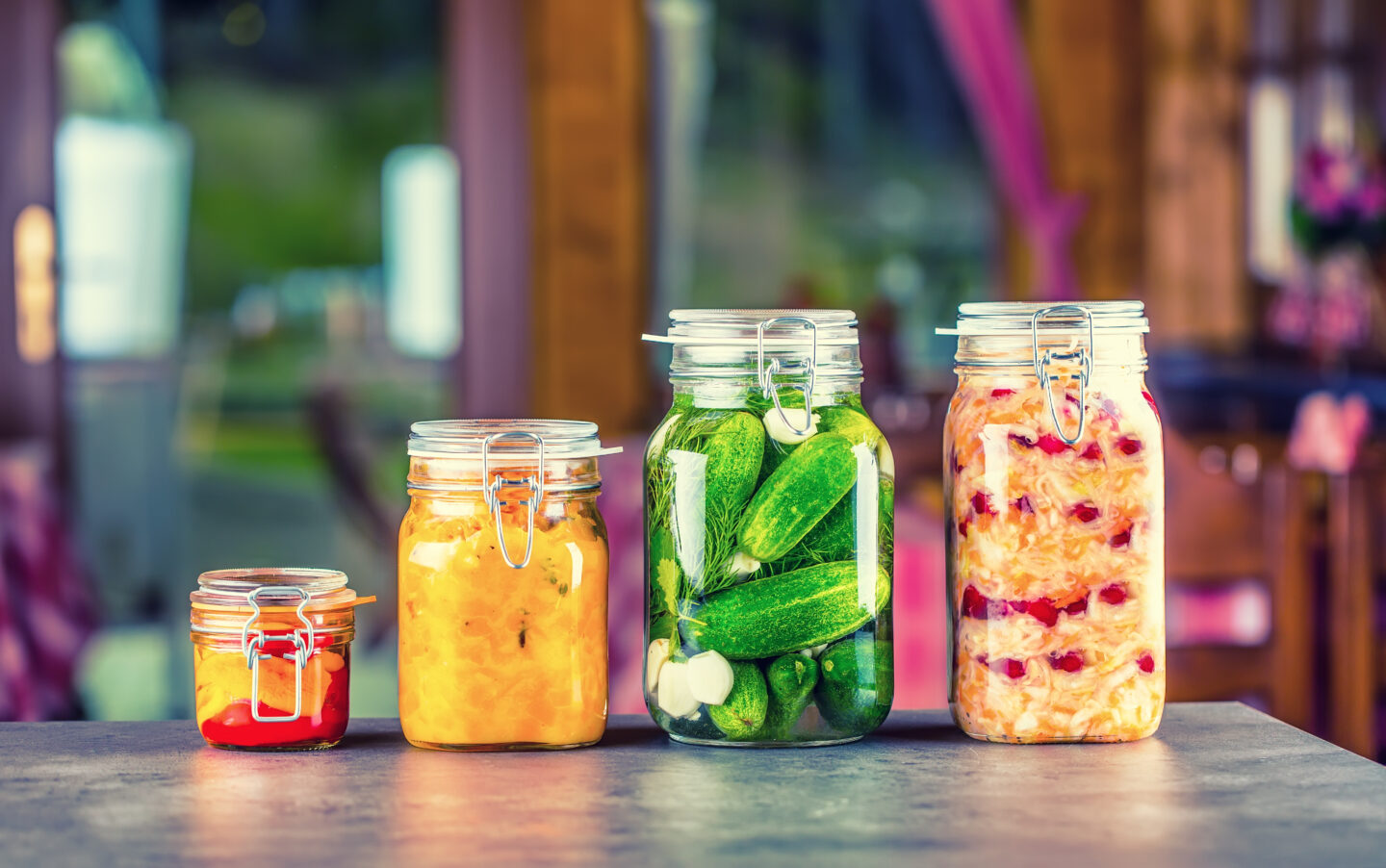
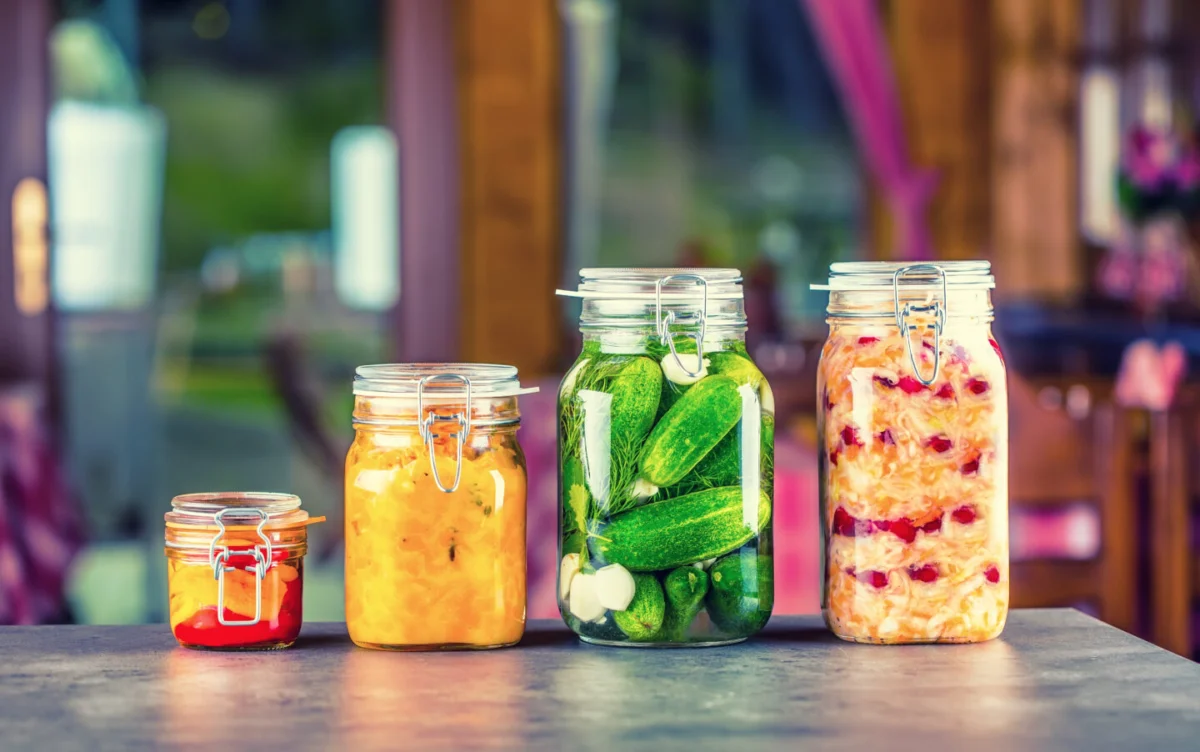
For root vegetables like carrots, the guide suggests a different approach. Because carrots do not release enough liquid to submerge themselves, the pour-over method is utilized. Dr. Skinner’s recipe for pickled carrots involves peeling and slicing the vegetables into sticks, packing them tightly into a jar with aromatics such as garlic and ginger, and covering them with a 2% or 3% brine. The fermentation timeline typically spans three to twenty-one days, depending on ambient room temperature and the practitioner’s preference for acidity.
"Kraut-chi" and the Zero-Waste Movement
A significant enrichment to the modern fermentation discourse is the concept of "kraut-chi," a term popularized by fermentation revivalist Sandor Katz and expanded upon by Dr. Skinner. Kraut-chi represents a hybrid approach, blending the techniques of European sauerkraut with the diverse ingredient profiles of Korean kimchi. This method is increasingly being promoted as a solution to domestic food waste.
According to the Food and Agriculture Organization (FAO) of the United Nations, approximately one-third of all food produced for human consumption is lost or wasted. Dr. Skinner’s kraut-chi methodology encourages the use of "scraps" and aging produce—such as carrot ends, beet tops, and softening root vegetables—that might otherwise be discarded. By grating these diverse ingredients and subjecting them to the same salting and kneading process as traditional cabbage, consumers can transform potential waste into nutrient-dense, shelf-stable condiments.
The flexibility of kraut-chi allows for the inclusion of seasonal foraged greens, apples, and hearty root vegetables like parsnips. However, the guide warns against using delicate greens like lettuce, which lack the structural integrity to withstand the fermentation process and often result in an unappealing texture.
Economic and Health Implications of the Fermentation Revival
The broader implications of the data provided by Dr. Skinner and the AHA extend into the realms of economics and public health. The global fermented food and ingredients market was valued at approximately $575 billion in 2022 and is projected to grow significantly over the next decade. While commercial products dominate this market, the rise of "DIY" fermentation represents a grassroots economic shift. By fermenting at home, consumers can produce high-quality probiotic foods at a fraction of the retail cost.
From a health perspective, the consumption of unpasteurized fermented foods is linked to improved gut microbiome diversity. Scientific literature increasingly suggests that a healthy microbiome is essential for immune function, mental health, and the prevention of chronic inflammatory diseases. Dr. Skinner’s role as an educator focuses on demystifying the science, making these health benefits accessible to the general public without the need for expensive supplements.
Chronology of the Modern Fermentation Movement
To understand the significance of Home Fermentation Day 2025, one must look at the timeline of the practice’s return to the mainstream:
- Pre-1900s: Fermentation is a standard household chore globally.
- 1910s–1950s: The rise of industrial refrigeration and chemical preservatives leads to a decline in home fermentation.
- 2003: Sandor Katz publishes "Wild Fermentation," sparking a modern revival in the United States.
- 2010s: The "probiotic boom" hits the commercial sector, with kombucha and Greek yogurt becoming household staples.
- 2020–2022: The COVID-19 pandemic leads to a massive surge in home-based food projects, including sourdough and vegetable fermentation, as people seek self-sufficiency.
- Present Day: Organizations like the AHA and experts like Dr. Skinner are formalizing this interest into rigorous, science-based educational programs.
Expert Analysis and Concluding Observations
Dr. Julia Skinner’s contribution to Home Fermentation Day is more than a collection of recipes; it is a technical manual for a changing world. By providing precise brine ratios and addressing physical limitations (such as suggesting pour-over brines for those with arthritis who cannot knead cabbage), she ensures the inclusivity of the craft.
The move toward home fermentation reflects a broader societal trend toward "slow food" and a rejection of the "visual perfection" demanded by modern supermarkets. As Skinner notes, "visual perfection isn’t required—flavor and creativity take the lead." This sentiment encapsulates the modern fermentation movement: a blend of rigorous biological science, environmental stewardship, and creative culinary expression.
As the American Homebrewers Association continues to expand its reach, the integration of vegetable fermentation into the homebrewing community suggests a future where the home kitchen becomes a laboratory for microbial exploration. This shift not only honors historical traditions but also provides a practical framework for addressing modern challenges in nutrition, sustainability, and food security. Through the expert guidance of figures like Dr. Skinner, the "living arts" of fermentation are being secured for a new generation of practitioners.