
As the year draws to a close, many bakers, both amateur and professional, begin to reflect on their culinary journeys and anticipate the tools that will elevate their craft in the coming year. This annual tradition, now in its fourth iteration, serves not only as a curated selection of indispensable baking equipment but also as a testament to the continuous evolution of home baking. The underlying philosophy driving this guide is a commitment to practicality and effectiveness, emphasizing tools that transcend mere novelty to become integral components of the baking process. The author’s extensive experience highlights a recurring theme: the right equipment doesn’t just simplify baking; it fundamentally enhances the quality and consistency of the final product.
This guide is built upon the principle that dedicated bakers seek equipment that earns its place through demonstrable utility, avoiding the clutter of superfluous gadgets. Each item featured has been rigorously tested and proven to be a valuable asset in the demanding environment of a home bakery. The selection process prioritizes durability, functionality, and the tangible impact on the baking workflow, aiming to equip fellow enthusiasts with the means to achieve exceptional results.
A Powerful (and Beautiful) Dough Mixer: The Ooni Halo Pro Spiral Mixer
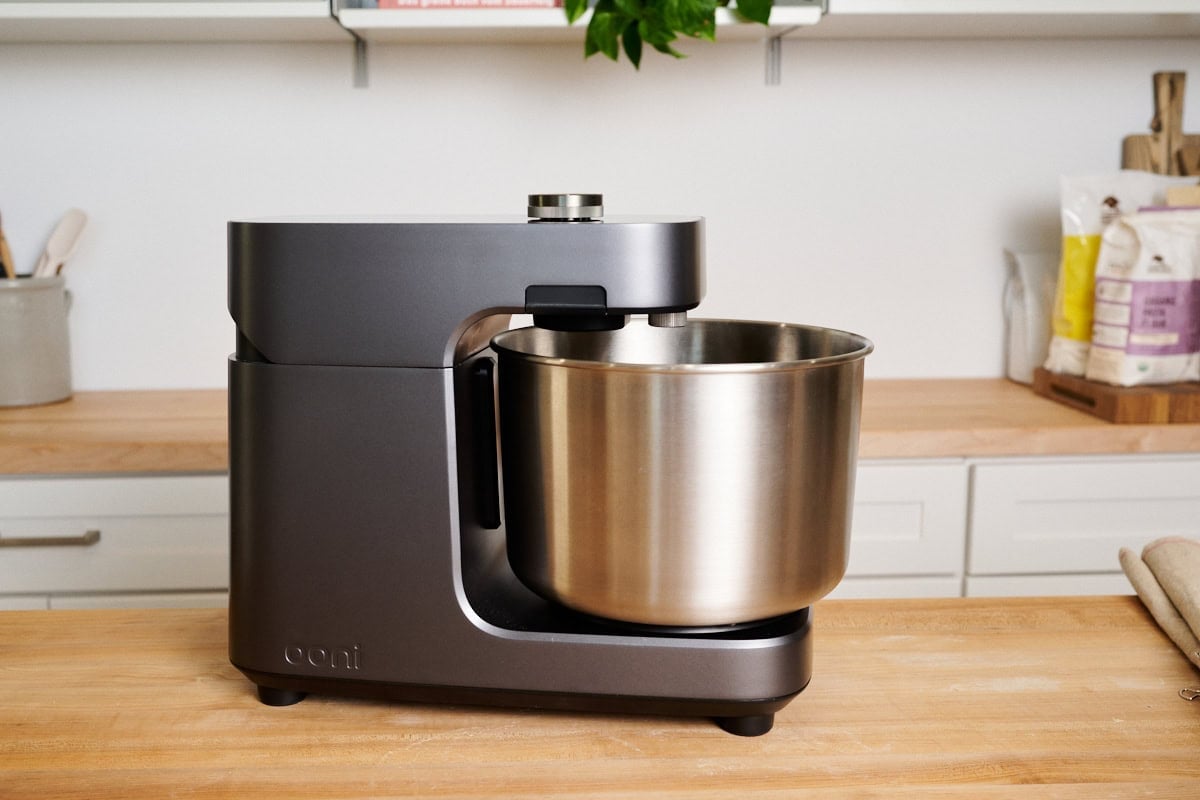
In the realm of bread making, the quality of dough development is paramount, directly influencing the texture, crumb, and overall character of the final loaf. Over the past year, a standout innovation that has significantly transformed the author’s baking process is the Ooni Halo Pro Spiral Mixer. This appliance, while compact, delivers substantial power, proving its worth across a spectrum of dough consistencies, from the rich, enriched doughs of challah to the more robust and demanding pizza bases.
The design of the Halo Pro Spiral Mixer is a testament to thoughtful engineering, featuring an intuitive control system that offers precisely what is needed without unnecessary complexity. Its particular strength lies in its efficiency with smaller batch sizes, capable of expertly handling as little as 1 kilogram of dough. This makes it an ideal choice for home bakers who may not be producing commercial quantities but still desire professional-level dough development. The inclusion of a removable bowl further streamlines the post-baking cleanup process, a crucial consideration for any home kitchen appliance. For those seeking a visual demonstration of its capabilities, a comprehensive guide detailing its use is available, offering insights into how this mixer can revolutionize dough preparation.
The impact of such a mixer extends beyond mere convenience. Precise and consistent gluten development is a cornerstone of artisanal bread, contributing to superior oven spring, a more open crumb structure, and a more satisfying chew. The Halo Pro Spiral Mixer achieves this by mimicking the action of larger, industrial spiral mixers, effectively stretching and folding the dough to build a strong gluten network with minimal effort from the baker. This consistency is particularly valuable when working with sourdough, where the fermentation process relies heavily on a well-developed gluten matrix to trap gasses and achieve optimal rise.
A Sharp Choice: The Zassenhaus Bread Slicer
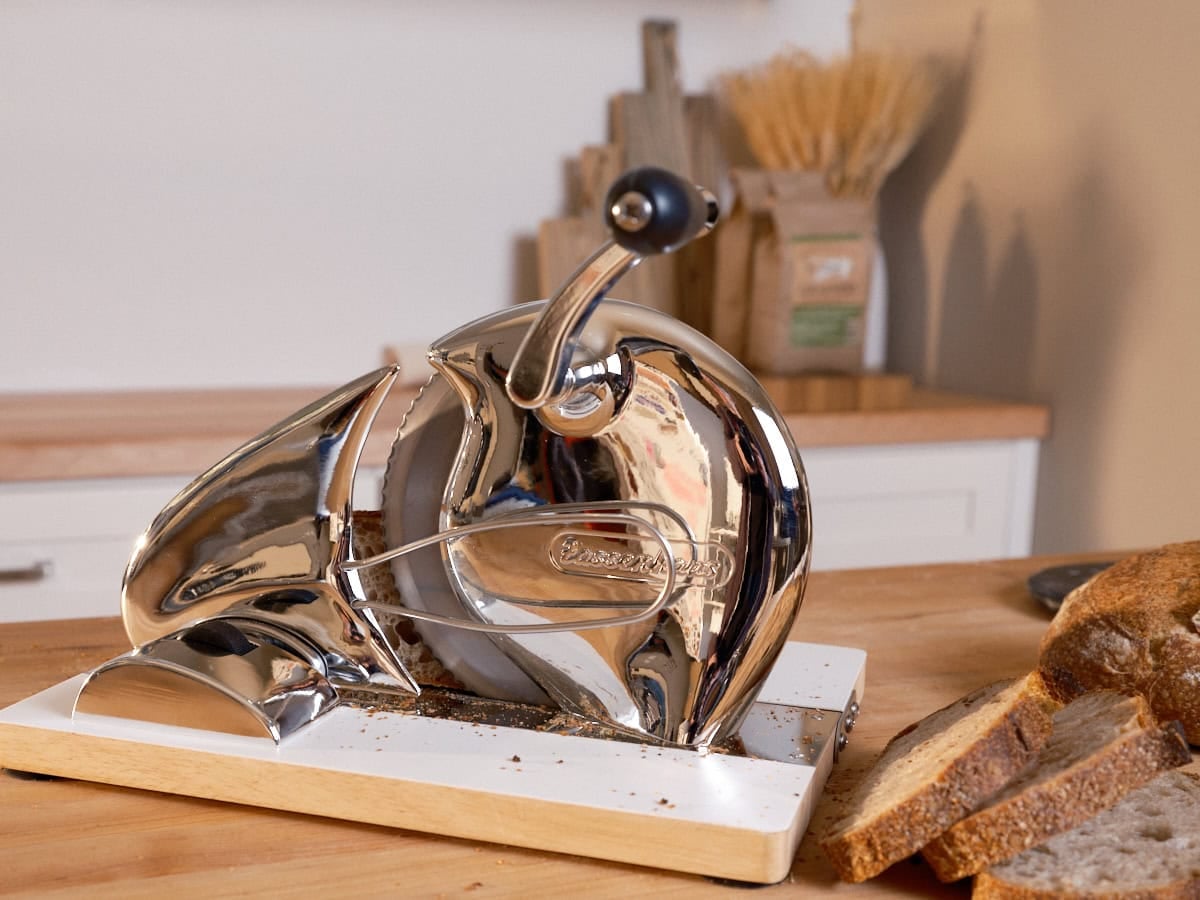
Achieving uniformly sliced bread is often a challenge, particularly with crusty artisanal loaves. A consistent slice is not only aesthetically pleasing but also contributes to an even toasting experience and allows for precise portioning. The Zassenhaus bread slicer, a recipient of the author’s endorsement, addresses this need with remarkable effectiveness. This tool, upon its introduction into the kitchen, prompted a question of why its acquisition was delayed for so long.
The Zassenhaus slicer is engineered for efficiency, capable of transforming an entire crusty sourdough loaf into perfectly uniform slices in mere minutes, with minimal physical exertion. Its construction is robust and user-centric, featuring suction cup feet that anchor it securely to the countertop, preventing any slippage during operation. A key feature is its adjustable spacing, allowing the user to dictate the thickness of each slice, catering to personal preference or specific recipe requirements. While the chrome-plated model with a slice holder is highlighted, the manufacturer offers alternative versions that perform with equal proficiency and may offer a more budget-conscious option. The author’s appreciation for this particular model underscores the blend of form and function, where even seemingly mundane items like a bread slicer can become objects of admiration when executed with such quality and thoughtfulness.
The significance of a precise bread slicer cannot be overstated in a home baking context. It ensures that each slice offers the intended experience of the baker’s work. For sourdough, where the crust can be particularly hard, a dull knife can lead to squashed loaves and uneven slices. The Zassenhaus slicer, with its sharp, well-maintained blade, negates this issue, preserving the integrity of the loaf and the baker’s effort. This tool transforms the often-frustrating task of slicing a dense, crusty bread into a smooth, efficient process.
A Great Focaccia (and Pizza!) Pan: The Versatile Rectangular Pan
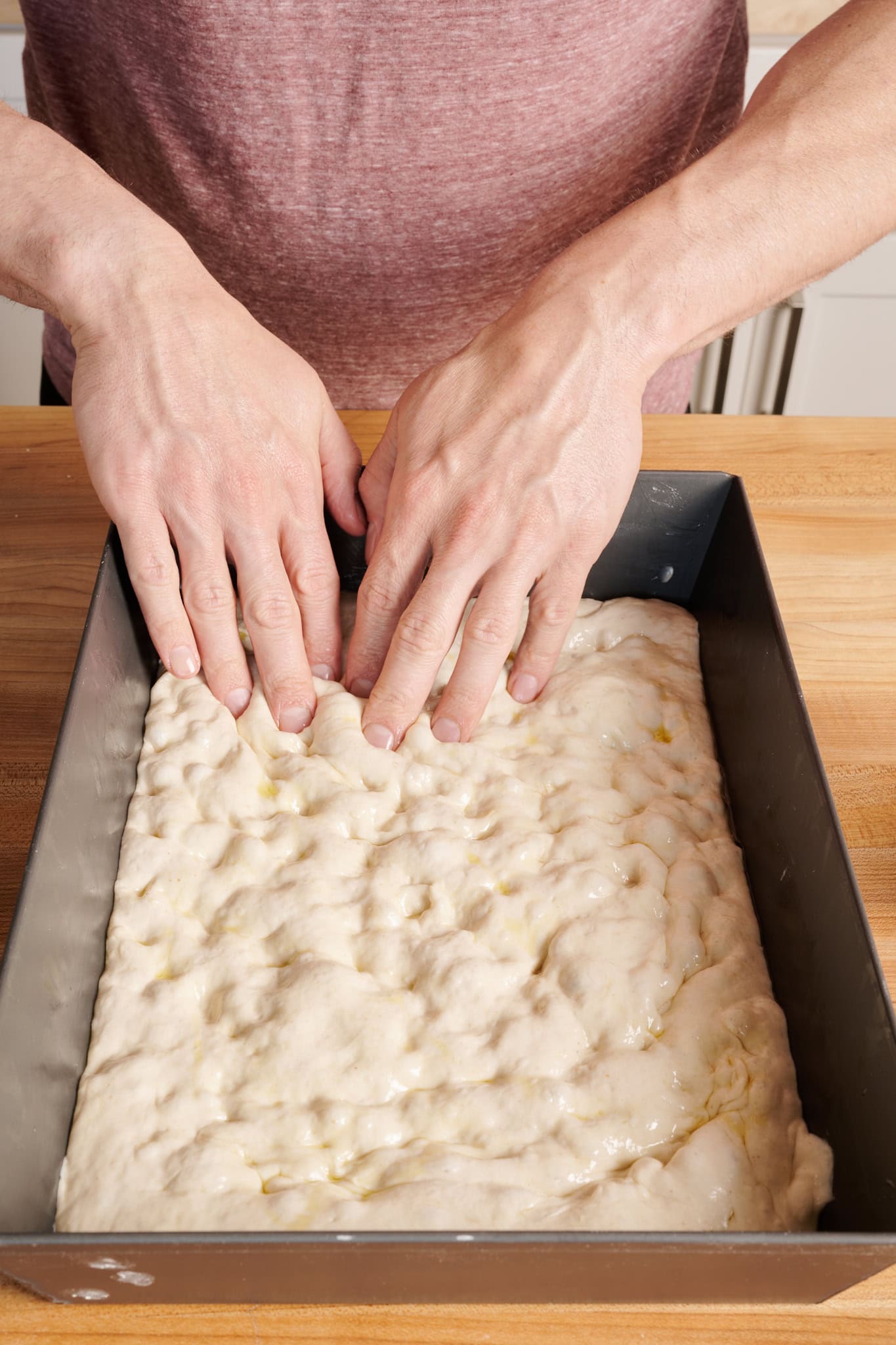
The versatility of baking equipment is a key consideration for any home baker aiming to maximize their kitchen’s utility. The author’s endorsement of a specific rectangular pan stems from its exceptional adaptability, proving invaluable for a wide array of baked goods, particularly focaccia and various styles of pizza. While traditional round pans have their place, this rectangular counterpart offers a more expansive canvas for culinary creativity.
This pan is a champion for a variety of pizza styles, including Detroit, Sicilian, and Grandma-style, all of which benefit from the defined edges and even heat distribution provided by a rectangular pan. Beyond pizza, it serves as an excellent vessel for an assortment of focaccia, from the rustic Pugliese to everyday varieties. The pan’s construction is noteworthy for its durable, non-stick coating, which is integrated into the material itself, preventing chipping or scratching and ensuring longevity. This robust coating contributes to an unparalleled crust development, a critical element in both focaccia and pizza. For bakers seeking a singular pan that can accommodate a broad spectrum of flatbread creations, this model is presented as an exemplary choice.
The impact of this pan on focaccia and pizza making is significant. The rectangular shape allows for larger batches, ideal for entertaining or meal prep. The consistent heat distribution ensures that the dough bakes evenly, resulting in a crispy bottom crust and a tender, airy interior. For focaccia, the edges of the pan help to contain the olive oil and toppings, creating those coveted crispy, golden edges. For pizzas, it facilitates the creation of a thick, chewy crust characteristic of styles like Detroit pizza, which traditionally bakes in a well-oiled rectangular pan. This versatility reduces the need for multiple specialized pans, making it a space-saving and cost-effective addition to any baker’s arsenal.
Teiger Dough Cleaning Cloth: Tackling Stubborn Dough Residue
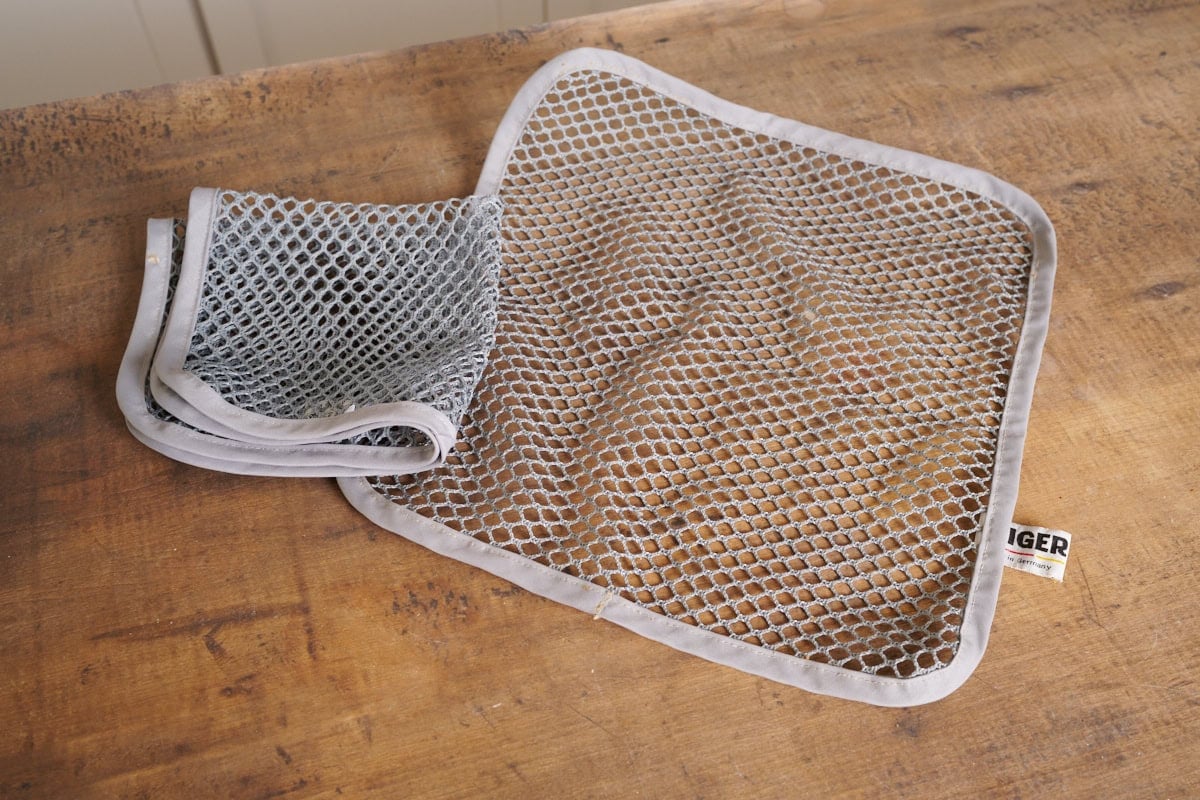
The meticulous nature of baking often extends to the cleanup process, where sticky dough residues can be a persistent nuisance. The Teiger Dough Cleaning Cloth emerges as a highly effective solution to this common challenge, addressing the difficulty of removing dough from mixers, countertops, and various baking tools. The author expresses a long-standing struggle with dough cleanup, highlighting this cloth as a product they wished they had acquired years earlier.
This specialized cloth is presented as an indispensable companion for anyone using a dough mixer, particularly the Ooni Halo Pro Spiral Mixer mentioned previously. Its design and material properties are optimized for lifting and removing even the most stubborn dough remnants, significantly simplifying the post-baking cleanup routine. The effectiveness of such a tool lies in its ability to absorb and gently scrape away dough without damaging surfaces or requiring excessive scrubbing. This not only saves time but also preserves the condition of valuable baking equipment.
The practical implications of an efficient dough cleaning cloth are substantial. It contributes to a more hygienic baking environment and prolongs the lifespan of kitchen equipment by preventing the buildup of dried dough. For bakers who frequently work with high-hydration doughs or enriched doughs, which can be particularly sticky, this tool offers a welcome reprieve from laborious cleaning. Its inclusion in a gift guide underscores the importance of considering the entire baking lifecycle, from preparation to cleanup, and recognizing that even seemingly minor tools can have a profound impact on the overall baking experience.
Cut From A Superior Cloth: The High-Quality Couche
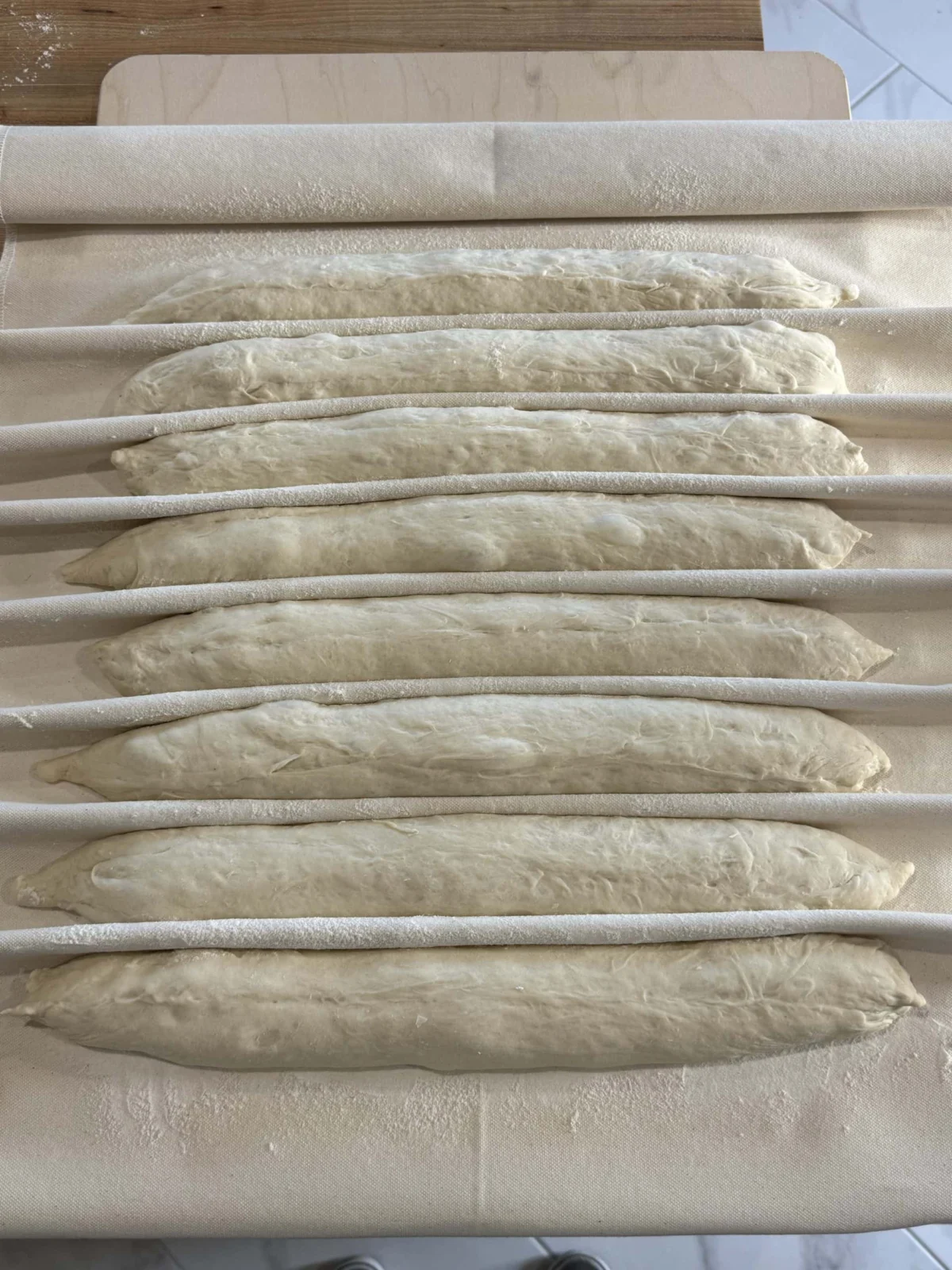
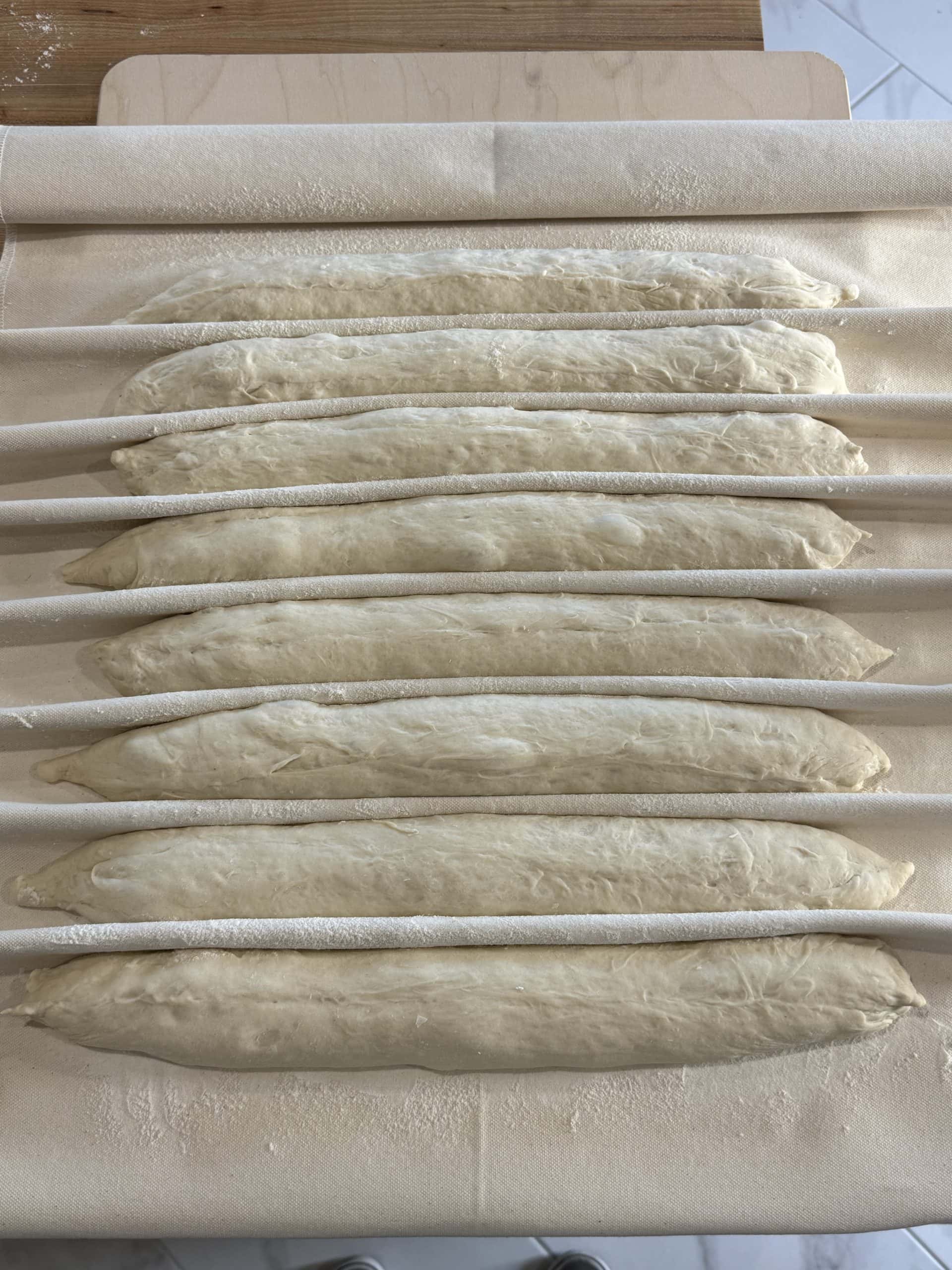
The proofing stage of bread making is critical for developing flavor and achieving the desired crumb structure. For certain types of bread, particularly baguettes and other elongated loaves, a baker’s linen, or "couche," is an essential tool. The author champions the use of a couche, not just for its primary function of supporting dough during proofing but also for its ability to manage space and facilitate easy cleanup.
The recent acquisition of a larger, higher-quality couche from Central Milling has revolutionized the author’s understanding of this seemingly simple piece of fabric. This new couche is characterized by its thicker material, superior non-stick properties, and overall higher quality weave. These attributes translate directly into improved performance, ensuring that dough does not adhere excessively and maintains its shape during proofing. The generous dimensions of this particular couche (24×59 inches) provide ample space for proofing multiple loaves simultaneously, a significant advantage for bakers working with larger quantities or diverse shapes. The ease of cleaning, typically involving a simple brushing out, further enhances its appeal.
The importance of a quality couche lies in its ability to provide a stable, supportive, and slightly absorbent surface for dough to rest and rise. This controlled environment helps to prevent the dough from spreading excessively, allowing for the development of a tall, well-formed loaf. The fabric’s texture imparts a subtle pattern to the dough’s surface, which can contribute to the final crust’s appearance. For bakers specializing in long-fermented breads like baguettes, a reliable couche is not merely an accessory but a fundamental component that directly influences the success of the final product. The author’s enthusiastic recommendation of this specific, premium-quality couche highlights the significant difference that superior materials and construction can make in even the most basic baking tools.
The Best Cover: Snap-On Sheet Pan Lids for Proofing
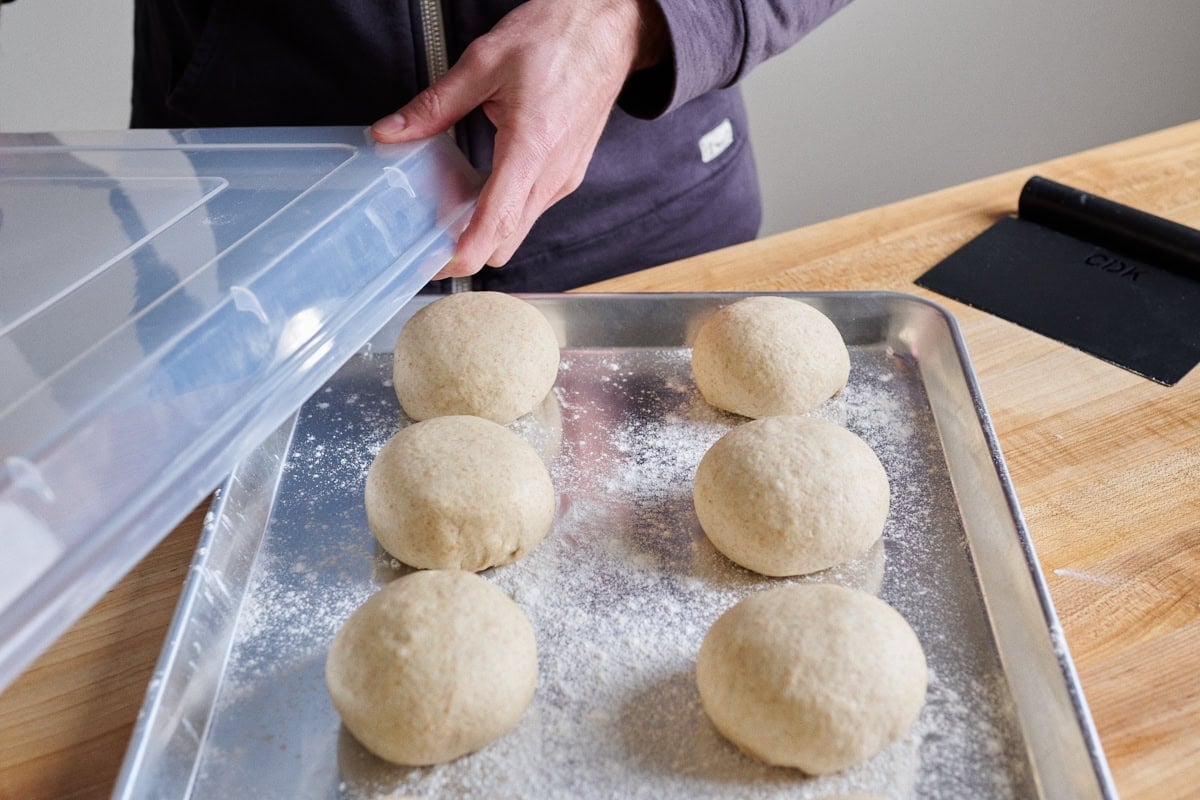
Maximizing the utility of existing kitchen equipment is a hallmark of efficient home baking. The author revisits a product that proved its worth in previous years: snap-on lids for standard half sheet pans. This seemingly simple innovation transforms high-quality baking sheets into effective proofing containers, offering a practical and space-saving solution.
The brilliance of these lids lies in their ability to create a sealed environment for dough. When paired with quality half sheet pans (identified as a favorite by the author), they effectively function as large proofing boxes. This is particularly beneficial for bulk fermentation or for proofing multiple smaller doughs at once. The sealed environment helps to maintain a consistent temperature and humidity, crucial factors for optimal dough development, preventing the dough from drying out prematurely. The convenience of using existing sheet pans, rather than dedicated proofing boxes, makes this an attractive option for bakers with limited storage space.
The implication of this tool is a significant enhancement in the control and consistency of the proofing process. By preventing moisture loss, these lids ensure that the dough remains supple and can achieve its full potential for rise. This is especially important for sourdough and other long-fermented doughs, where precise control over the fermentation environment is key to achieving complex flavors and a desirable texture. The ease with which these lids can be attached and removed also streamlines the baking workflow, minimizing disruptions during the critical proofing stages. Their reappearance in the gift guide speaks to their enduring utility and the significant impact they have on the practical aspects of home baking.
Really Great Baskets: The Enduring Appeal of Wicker Proofing Baskets
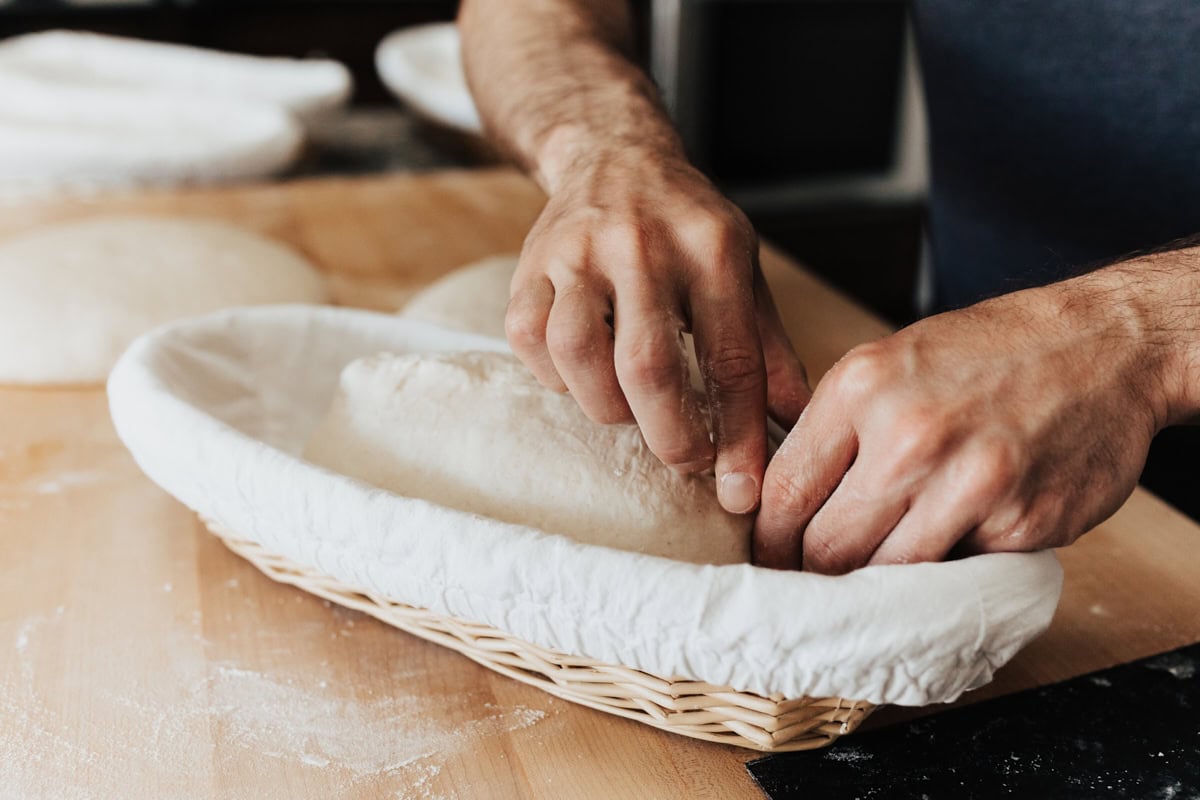
Bread proofing baskets, or "bannetons," are a quintessential tool for shaping and supporting dough during its final rise. The author admits to an "unhealthy collection" of these baskets, having experimented with various materials including wicker, cane, wood pulp, and plastic. Despite this extensive experience, a consistent preference has emerged for well-made wicker baskets, particularly those lined with canvas.
The enduring appeal of wicker baskets lies in their inherent properties that benefit dough proofing. The natural material allows for gentle air circulation around the dough, preventing the formation of a dry, leathery skin. Simultaneously, the canvas liner, if used, helps to wick away excess moisture from the surface of the dough. This combination is instrumental in achieving the specific crust characteristics that the author has become known for. The TMB Baking 12.5-inch proofing baskets are specifically recommended for their suitability for approximately 900 grams of dough, a common size for loaves made at The Perfect Loaf. The author notes that while liners are often used, they are sometimes omitted when baking doughs without inclusions like dried fruit.
The functional advantage of these wicker baskets is directly tied to the quality of the proofing process. By providing gentle support and controlled moisture management, they allow the dough to rise evenly and develop its full structure. This is particularly important for high-hydration doughs, which can be prone to spreading. The wicker’s texture also imparts a distinctive pattern to the dough, a visual hallmark of artisanal bread. The author’s recommendation of a specific size and brand signifies a high level of confidence in their performance, highlighting how a well-chosen tool can significantly contribute to the signature qualities of a baker’s creations.
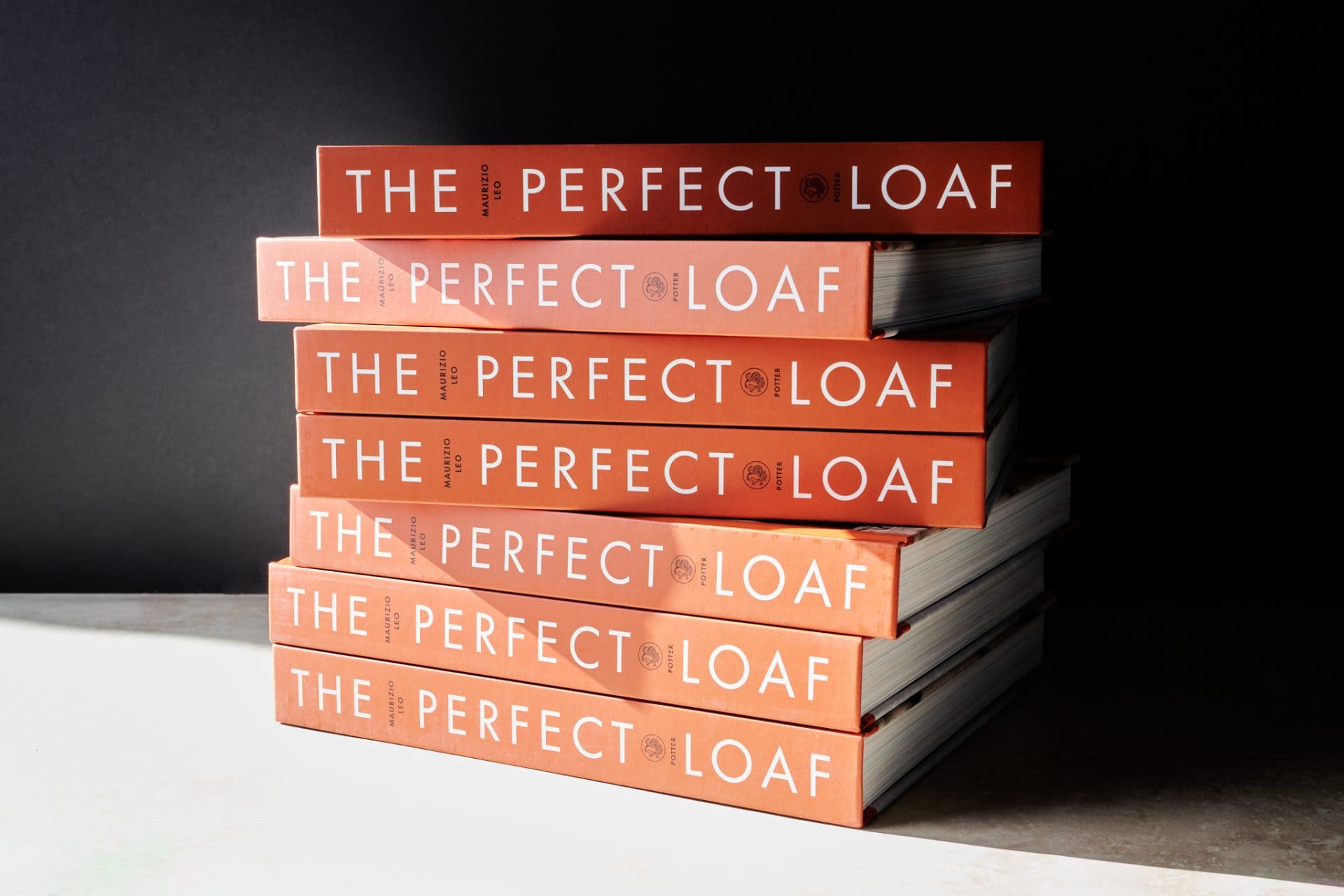
My Cookbook (Three Years Later): A Culinary Cornerstone
A significant milestone in any baker’s journey is the publication of a cookbook, a distillation of years of experience, experimentation, and passion. The author’s own cookbook, now available for some time, is presented as a prime gifting opportunity, especially given recent significant discounts. This book represents more than just a collection of recipes; it is a comprehensive guide designed to empower aspiring bakers.
The cookbook is currently experiencing a substantial discount of 44%, making it an exceptionally accessible entry point for anyone interested in deepening their bread-making knowledge. It is framed as an ideal gift for individuals who are either new to baking or those who are yet to discover their passion for it. The value proposition extends beyond mere instruction, offering insights into the philosophy and techniques that underpin successful bread baking.
The existence of such a resource highlights the democratization of culinary knowledge. Cookbooks serve as a vital conduit for sharing expertise, allowing individuals to learn from the masters and replicate their success. For a baker who has dedicated years to honing their craft, publishing a cookbook is a way to share that accumulated wisdom, providing a roadmap for others to follow. The current promotional pricing makes this particular cookbook an even more compelling proposition, offering a wealth of knowledge and practical guidance at an unprecedented value.
I Hope You Like Cookbooks As Much As I Do: Curated Culinary Literature
The author openly confesses to being a "cookbook junkie," viewing cookbooks as a high form of art. This personal passion underpins a section dedicated to other noteworthy culinary texts, emphasizing the profound value of learning from the masters. The core idea is that cookbooks encapsulate the distilled wisdom of experienced practitioners, offering not just recipes but also the underlying principles, motivations, and evolutionary journey of their craft.
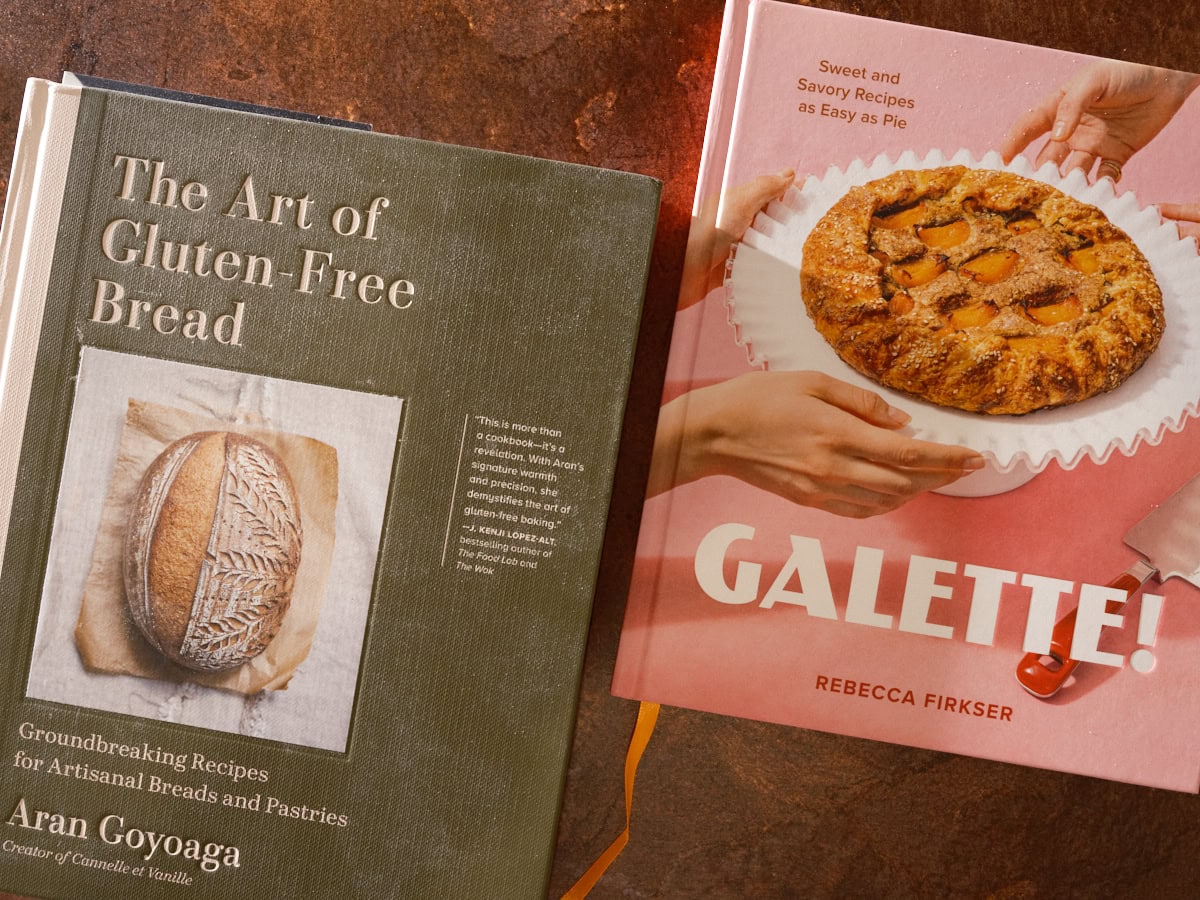
One featured cookbook, "GALETTE!" by Rebecca Firkser, is lauded for its focus on achieving flaky, tender, and deeply flavorful galette and pie crusts. The author expresses a particular fondness for galettes, appreciating their approachable and casual nature compared to traditional pies. A recent recipe for a sourdough discard cocoa galette crust, inspired by Firkser’s work, serves as a testament to the book’s influence and the quality of its content.
Another highlighted publication is by Aran Goyoaga, which is described as the definitive resource for gluten-free baking. Despite the author’s personal preference for gluten-containing breads, Goyoaga’s book is acknowledged for its comprehensive approach to alternative grains, encompassing everything from sourcing to a wide array of recipes for loaves, pastries, and more. For gluten-free bakers, it’s deemed essential; for those curious about gluten-free baking, it’s presented as the ideal starting point.
The underlying message is that cookbooks offer a unique form of knowledge transfer. They provide a direct line to the insights of accomplished bakers, allowing readers to learn not only the "what" but also the "why" and "how" behind successful baking. This curated selection encourages readers to explore beyond their immediate needs and discover new perspectives and techniques that can enrich their own baking endeavors.
The Best Thermometer: The Indispensable Thermapen
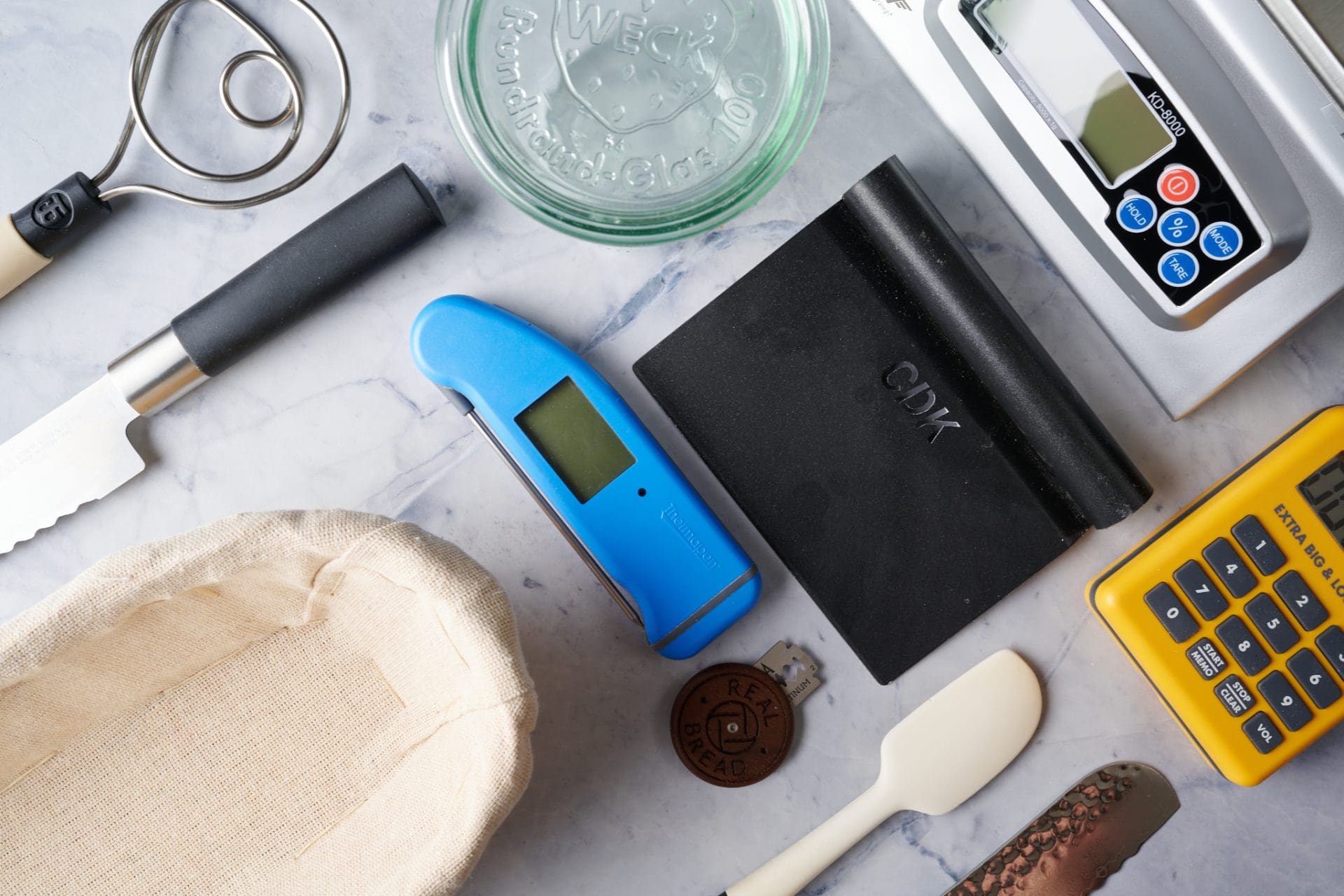
Precision in baking is often dictated by temperature, from the initial water temperature for yeast activation to the final internal temperature of a baked loaf. The Thermapen has been a steadfast companion in the author’s kitchen for nearly a decade, a testament to its reliability and importance in the baking process. Its constant presence, often tucked into a shirt or apron, underscores its role in monitoring critical temperature variables.
The author emphasizes the pervasive influence of temperature in baking, citing its importance in water, dough, and ambient air measurements. The Thermapen’s standout feature is its speed and accuracy, delivering readings in a mere one second. This rapid response time is crucial for bakers who need to make swift adjustments or confirm temperatures during various stages of the baking process. Its rugged construction ensures durability, making it a dependable tool even in the demanding environment of a busy kitchen.
The impact of an accurate thermometer like the Thermapen cannot be overstated. It provides objective data that informs crucial decisions, leading to more consistent and predictable results. For instance, maintaining the correct water temperature for sourdough starters ensures optimal yeast activity, directly affecting fermentation speed and flavor development. Similarly, monitoring the internal temperature of a loaf ensures it is baked through without becoming overcooked. The Thermapen’s speed and robustness make it an invaluable asset for any baker serious about achieving precision and consistency.
The Best Bench Knife (Scraper): A Tool of Durability and Ergonomics
The bench knife, or bench scraper, is a fundamental tool for any baker, serving a multitude of purposes from dividing dough to cleaning work surfaces. The author’s long-standing reliance on a specific steel bench scraper is highlighted, attesting to its exceptional durability and ergonomic design. After years of use, this scraper shows no signs of wear, scuffs, or bending, a testament to its superior construction.
The only decision point presented is the size: the 6-inch or the 8-inch model. The author’s possession of both underscores their versatility. The smaller scraper is ideal for tasks involving smaller dough portions, such as rolls and buns, where precise handling is required. The larger scraper is better suited for dividing and manipulating larger loaves of bread. This dual ownership strategy allows for optimal efficiency across a range of baking projects.
The value of a well-made bench knife lies in its practical application throughout the entire baking process. It is essential for cleanly dividing dough, preventing the tearing that can occur with less precise tools. Its flat, sturdy surface makes it ideal for transferring dough from the work surface to a baking sheet or proofing basket. Furthermore, its scraping ability is invaluable for cleaning sticky dough residue from countertops and work surfaces, contributing to a cleaner and more efficient baking environment. The ergonomic design ensures comfortable handling, even during repetitive tasks, reducing strain and improving the overall baking experience.
Gift A Baker’s Corner Membership: Community and Resources
Beyond physical tools, the value of community and access to comprehensive resources cannot be overstated in the world of baking. The "Baker’s Corner" membership at The Perfect Loaf is presented as an ideal gift for both novice and experienced bakers, offering a supportive environment and a wealth of valuable assets.
This membership provides instant access to a recipe spreadsheet archive, discounts on baking tools, and a host of other benefits. It is positioned as a perfect option for someone just beginning their baking journey or for those seeking a vibrant community to connect with. The implication is that baking is not solely an individual pursuit but one that thrives on shared knowledge and mutual support.
The concept of a baking community offers tangible advantages. Members can share their successes and challenges, receive advice from experienced bakers, and discover new techniques and recipes. The inclusion of a recipe archive and tool discounts further enhances the practical value of the membership, providing ongoing benefits that support a baker’s development. Investing in such a membership is an investment in continuous learning and culinary growth, offering a holistic approach to improving one’s baking skills.
What’s Next?
For those who have perused the curated list and are still seeking the perfect item, a comprehensive roundup of essential baking tools is available. This resource is intended to cover any potential gaps and offers further recommendations for gifts that are sure to delight any baker. The author concludes by expressing gratitude to the readership, acknowledging the long-standing community that has been built over twelve years, and extending warm holiday wishes. The emphasis on continued learning and the joy of baking reinforces the enduring appeal of this culinary pursuit.