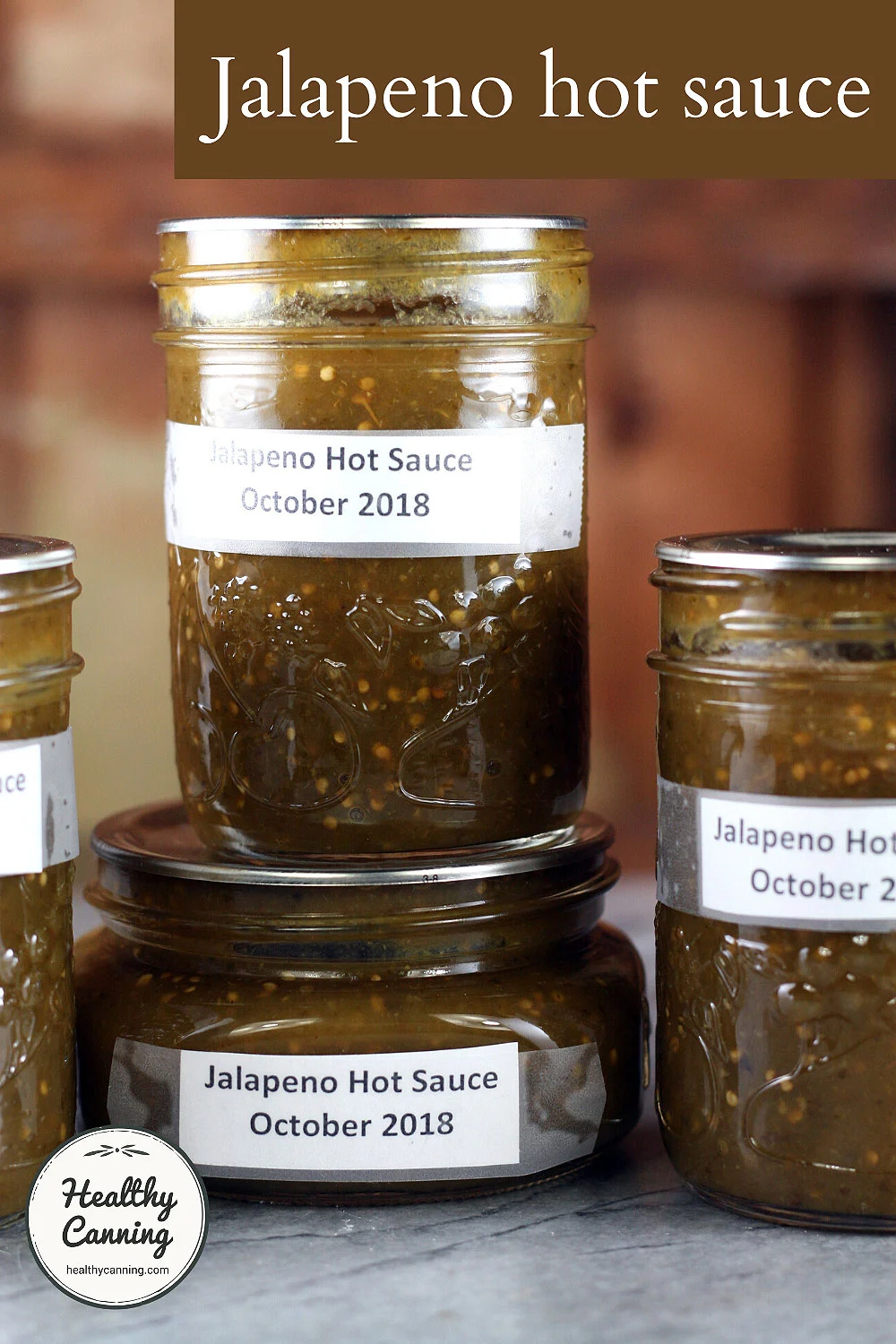

The landscape of home food preservation has undergone a significant transformation in recent years, as culinary enthusiasts increasingly seek to bridge the gap between traditional techniques and modern safety protocols established by federal agricultural authorities. Central to this movement is the adaptation of standardized recipes, such as the United States Department of Agriculture (USDA) Cayenne Pepper Sauce, into specialized condiments like Jalapeno Hot Sauce. This specific preparation, which utilizes a base of canned tomatillos and green jalapeno peppers, represents a sophisticated intersection of flavor innovation and rigorous food safety science. By substituting red tomatoes with high-acid tomatillos and swapping traditional cayenne for the distinct heat of the jalapeno, home canners are producing a thick, spoonable condiment that meets contemporary shelf-stability requirements while satisfying the growing consumer demand for spicy, artisanal products.
The Scientific Foundation of Acidic Preservation
The transition from a standard red pepper sauce to a green jalapeno variant is not merely an aesthetic choice but a calculated adjustment within the parameters of safe canning. Home canning relies heavily on the management of pH levels to prevent the growth of Clostridium botulinum, the bacterium responsible for botulism. In the context of the Jalapeno Hot Sauce recipe, safety is maintained through the use of tomatillos and vinegar. Tomatillos, while often mistaken for green tomatoes, belong to the nightshade family and possess a natural acidity that, when combined with standardized vinegar (5% acidity), ensures the final product remains well below the safety threshold of pH 4.6.
Food safety experts from the National Center for Home Food Preservation (NCHFP) emphasize that modifications to tested recipes must be handled with extreme caution. However, the substitution of tomatillos for tomatoes and green jalapenos for other pepper varieties is recognized as a safe modification because these ingredients do not lower the overall acidity of the mixture. This flexibility allows for the creation of a "green" profile that is both chemically stable and organoleptically distinct. The resulting sauce is characterized by its density—described as "spoonable" rather than pourable—making it an ideal condiment for a variety of culinary applications.

Technical Specifications and Processing Requirements
To ensure a successful and safe preservation cycle, specific technical parameters must be observed. The recipe is designed for flexibility in container sizing, allowing for 125 ml (4 oz), 250 ml (8 oz), or 500 ml (16 oz) jars. Regardless of the jar size selected, the processing time remains a consistent 10 minutes, provided that the canner is operating at sea level. This uniformity in processing time for different jar sizes is a common feature in high-acid pepper sauces where the heat penetration is rapid and the microbial load is managed effectively by the vinegar-based brine.
Furthermore, the recipe dictates a precise headspace of 2 centimeters (approximately 1/2 inch). Proper headspace is critical for the formation of a vacuum seal; too much air can lead to oxidation and discoloration, while too little can cause the contents to bubble over during processing, potentially interfering with the integrity of the lid’s sealing compound. For modern home canners, the choice between water-bath canning and steam canning offers additional versatility. While water-bath canning has been the gold standard for decades, recent research has validated steam canning as an equally effective and often more energy-efficient method for high-acid foods, provided the processing time is adjusted for altitude.
Chronology of the Preservation Process
The production of home-canned Jalapeno Hot Sauce is a multi-stage process that requires approximately four hours from preparation to the completion of the cooling phase. The chronology of the process is as follows:
- Ingredient Preparation (1 Hour): This phase involves the cleaning and dicing of green jalapenos and the preparation of the tomatillos. Safety protocols suggest wearing gloves when handling large quantities of peppers to prevent capsaicin burns.
- Simmering and Reduction (3 Hours): The mixture of peppers, tomatillos, and acidifying agents is simmered to achieve the desired "thick and spoonable" consistency. This extended cooking time allows the flavors to meld and the natural pectins in the tomatillos to provide body to the sauce.
- Jar Sterilization and Filling: Jars are cleaned and kept warm to prevent thermal shock. The hot sauce is ladled into the jars, ensuring the 2 cm headspace is maintained.
- Processing (10 Minutes + Altitude Adjustment): The filled jars are placed in either a water-bath or steam canner. Once the water reaches a full rolling boil (or the steam reaches the appropriate temperature), the 10-minute timer begins.
- Cooling and Sealing: After processing, jars are removed and placed on a protected surface to cool for 12 to 24 hours. During this time, the vacuum seal is formed, indicated by the characteristic "ping" of the lid.
Supporting Data and Nutritional Profile
The Jalapeno Hot Sauce produced through this method is not only a potent flavor enhancer but also a low-calorie addition to a health-conscious diet. Based on a standard serving size of one tablespoon, the nutritional impact is minimal, making it an attractive option for those monitoring their caloric intake.
Nutritional Analysis per Tablespoon:
- Calories: 8 kcal
- Total Carbohydrates: 1.6 g
- Dietary Fiber: 0.3 g
- Sugars: 0.8 g
- Protein: 0.3 g
- Sodium: 2 mg
- Total Fat: 0.1 g
The low sodium content is particularly noteworthy, as many commercially produced hot sauces rely heavily on salt for both flavor and preservation. By utilizing the high acidity of vinegar and tomatillos, home canners can produce a shelf-stable product that aligns with cardiovascular health recommendations. Additionally, the recipe yields approximately five 500 ml (US pint) jars, providing a significant volume of condiment that can be stored for up to a year in a cool, dark environment.
Official Responses and Safety Warnings
The National Center for Home Food Preservation (NCHFP) has issued specific commentary regarding this recipe, noting its exceptional heat level. Unlike many USDA-approved recipes which are designed for a general palate, the Jalapeno Hot Sauce is categorized as "very hot." This transparency from federal authorities serves as a guide for consumers to use the product sparingly or as a base for other culinary creations.
Official recommendations for the use of this sauce include:
- Mixing with cream cheese or sour cream to create a spicy dip.
- Adding to soups or stews for a concentrated burst of acidity and heat.
- Using as a marinade for meats, where the vinegar acts as a tenderizer and the capsaicin provides depth.
Experts also remind canners in international regions, specifically Australia and New Zealand, to verify the strength of their vinegar. While North American standards assume a 5% acetic acid concentration, variations in other markets may require adjustments to ensure the safety of the final product.
Broader Impact and Culinary Implications
The rise of specialized home canning recipes like the Jalapeno Hot Sauce reflects a broader cultural shift toward food sovereignty and artisanal craftsmanship. As consumers become more wary of ultra-processed foods and the additives found in commercial condiments, the ability to control every ingredient in a hot sauce becomes increasingly valuable. This trend is supported by the "DIY" movement, which has seen a resurgence in traditional skills like fermentation and pressure canning.
Moreover, the adaptation of the Cayenne Pepper Sauce recipe demonstrates the versatility of USDA guidelines. It proves that safety and creativity are not mutually exclusive. By understanding the underlying science of acidity and heat penetration, home cooks can innovate within a safe framework, producing professional-quality condiments that rival boutique brands.
In conclusion, the Jalapeno Hot Sauce recipe is more than a simple kitchen instruction; it is a testament to the rigorous standards of modern food preservation. It provides a blueprint for safe experimentation, ensuring that the vibrant flavors of the harvest can be enjoyed year-round without compromising health or safety. As the community of home canners continues to grow, the emphasis on tested, research-based recipes will remain the cornerstone of a safe and delicious domestic pantry. Through careful adherence to processing times, headspace requirements, and ingredient substitutions, the art of the "green" hot sauce continues to thrive as a staple of contemporary food preservation.