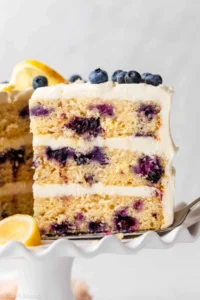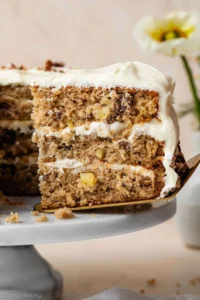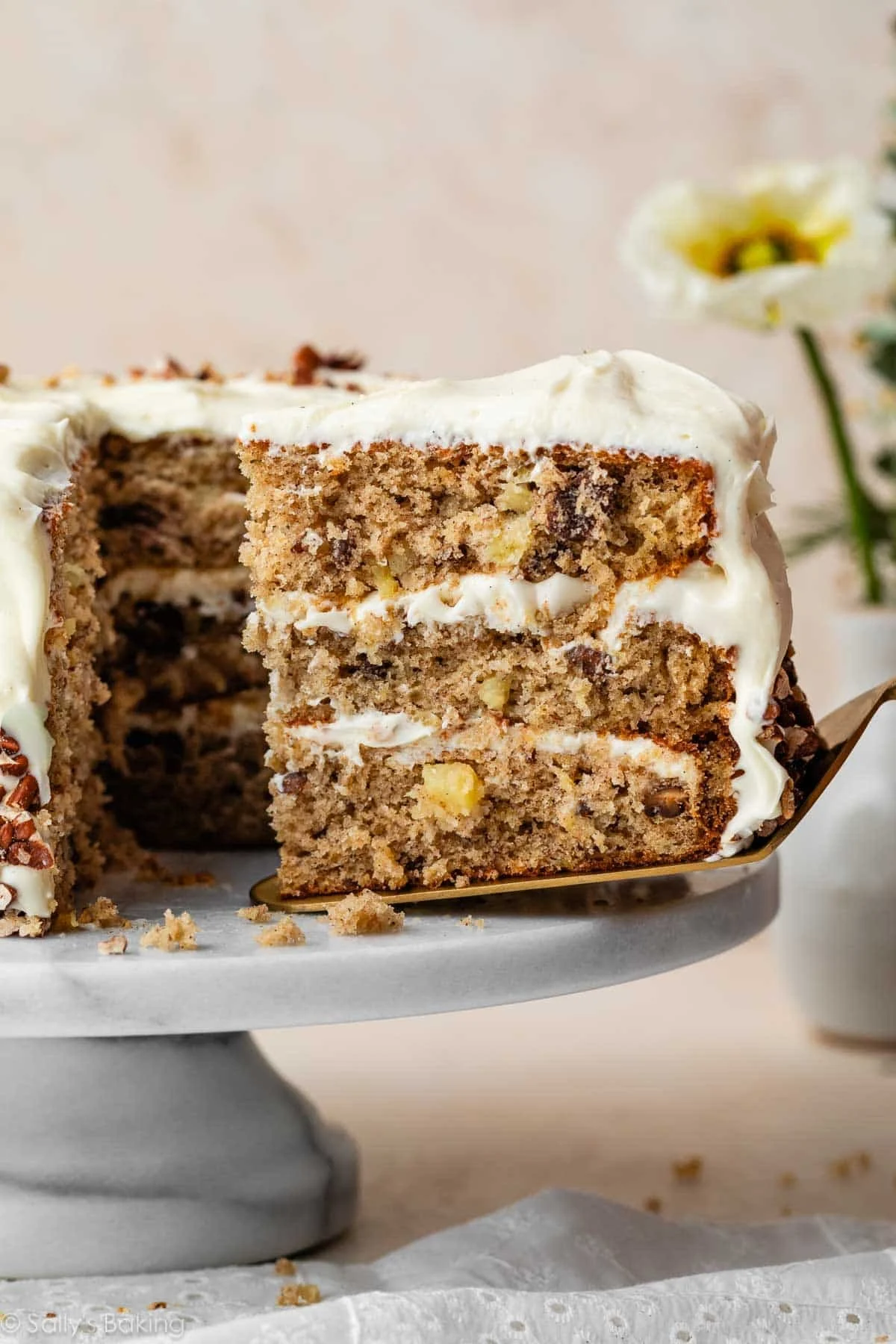

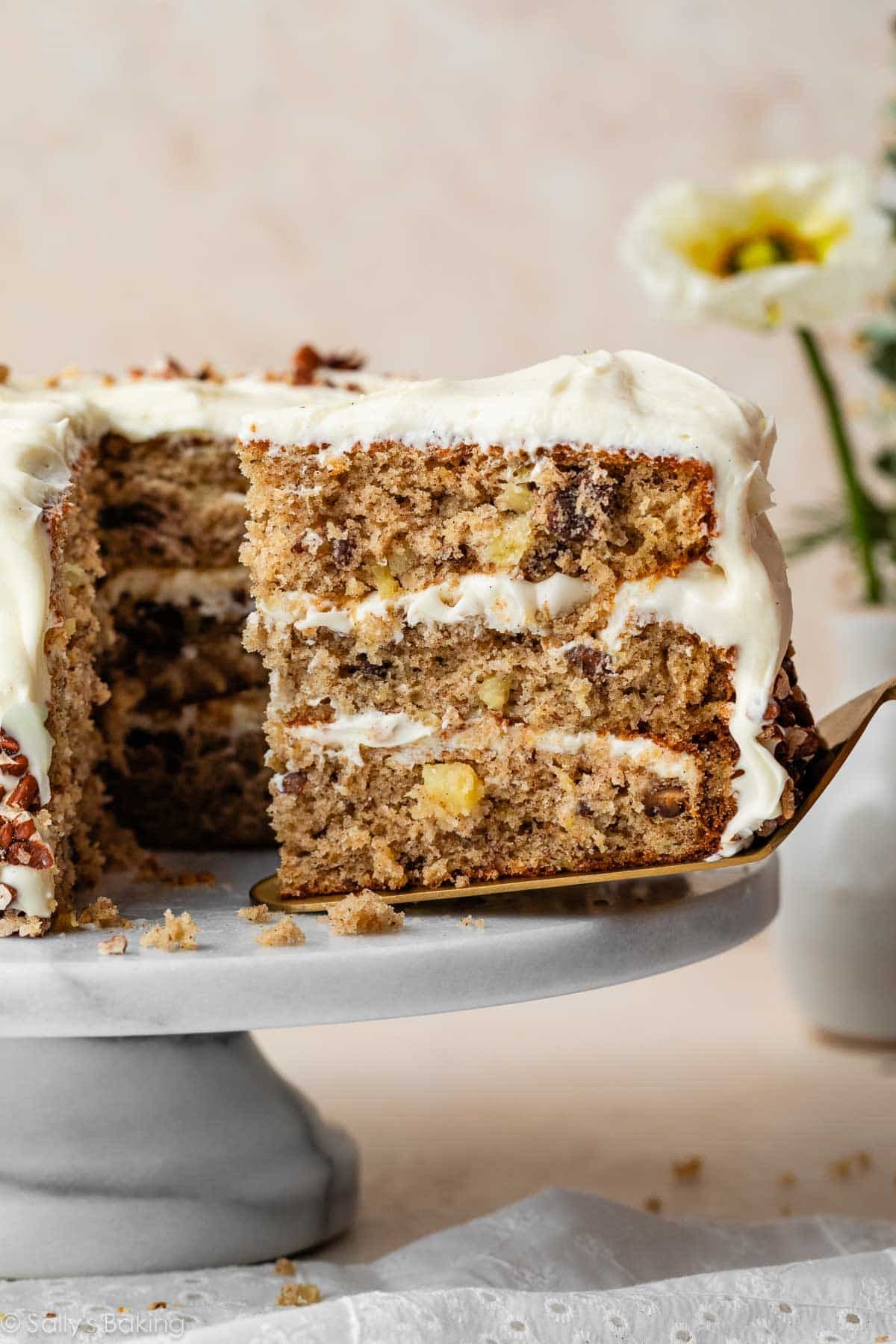
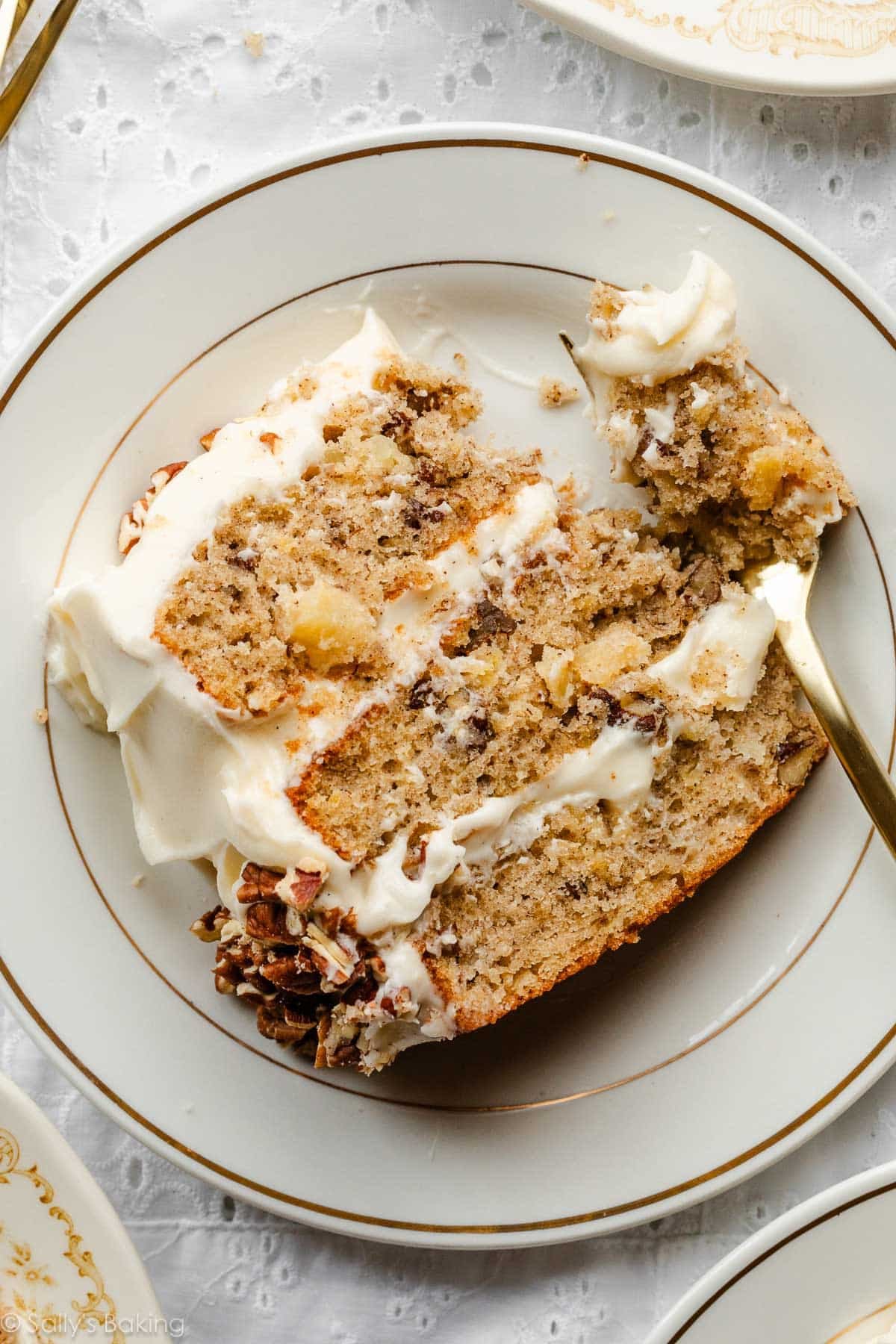
Hummingbird cake, a classic Southern layer cake, continues to captivate palates with its unique blend of tropical flavors and comforting familiarity. Often described as a delightful hybrid for those who appreciate the moist richness of carrot cake and the comforting sweetness of banana bread, this dessert has cemented its place in American culinary traditions. Characterized by its incredibly moist crumb, rich with ripe bananas, crushed pineapple, warm spices, and toasted pecans, and crowned with a tangy cream cheese frosting, the Hummingbird cake offers an unforgettable sensory experience. Its enduring popularity, spanning decades, is a testament to its harmonious flavor profile and accessibility for home bakers.
A Culinary Journey: From Jamaican Roots to Southern Icon

The history of the Hummingbird cake is as rich and layered as the cake itself, tracing a fascinating journey from the Caribbean to the heart of the American South. Its origins are widely attributed to Jamaica, where it is known as "Doctor Bird Cake," named after the island’s national bird, the Red-billed Streamertail hummingbird (known colloquially as the "doctor bird" due to its long beak resembling a doctor’s probe). These birds are drawn to the sweet nectar of tropical flowers, much like enthusiasts are drawn to this cake’s inherent sweetness. Jamaican recipes for this banana-pineapple cake have existed for many years, often incorporating local spices and a dense, moist texture.
The cake’s trajectory to widespread fame in the United States began in 1978, when a recipe submitted by Mrs. L.H. Wiggins of Greensboro, North Carolina, was published in Southern Living magazine. Southern Living, a publication renowned for its celebration of Southern culture, lifestyle, and, crucially, its cuisine, served as a powerful catalyst. At a time before the internet revolutionized recipe sharing, Southern Living was a bible for home cooks across the South and beyond. The Hummingbird cake recipe quickly became one of the magazine’s most requested, a clear indicator of its immediate and overwhelming appeal. This publication marked a pivotal moment, transforming a regional Caribbean specialty into a quintessential Southern dessert, a staple at bridal showers, Easter gatherings, and family celebrations throughout the region.
The initial publication in Southern Living highlighted the cake’s approachable nature and its distinctive flavor profile. The magazine’s vast readership, eager for reliable and delicious recipes, propelled the Hummingbird cake into countless kitchens. Its ability to marry tropical ingredients with the comforting familiarity of a spiced cake resonated deeply, solidifying its status as a beloved classic.
The Symphony of Flavors: Deconstructing the Hummingbird Cake
What makes the Hummingbird cake so exceptionally moist and flavorful lies in its carefully chosen ingredients, each playing a crucial role in its overall composition.
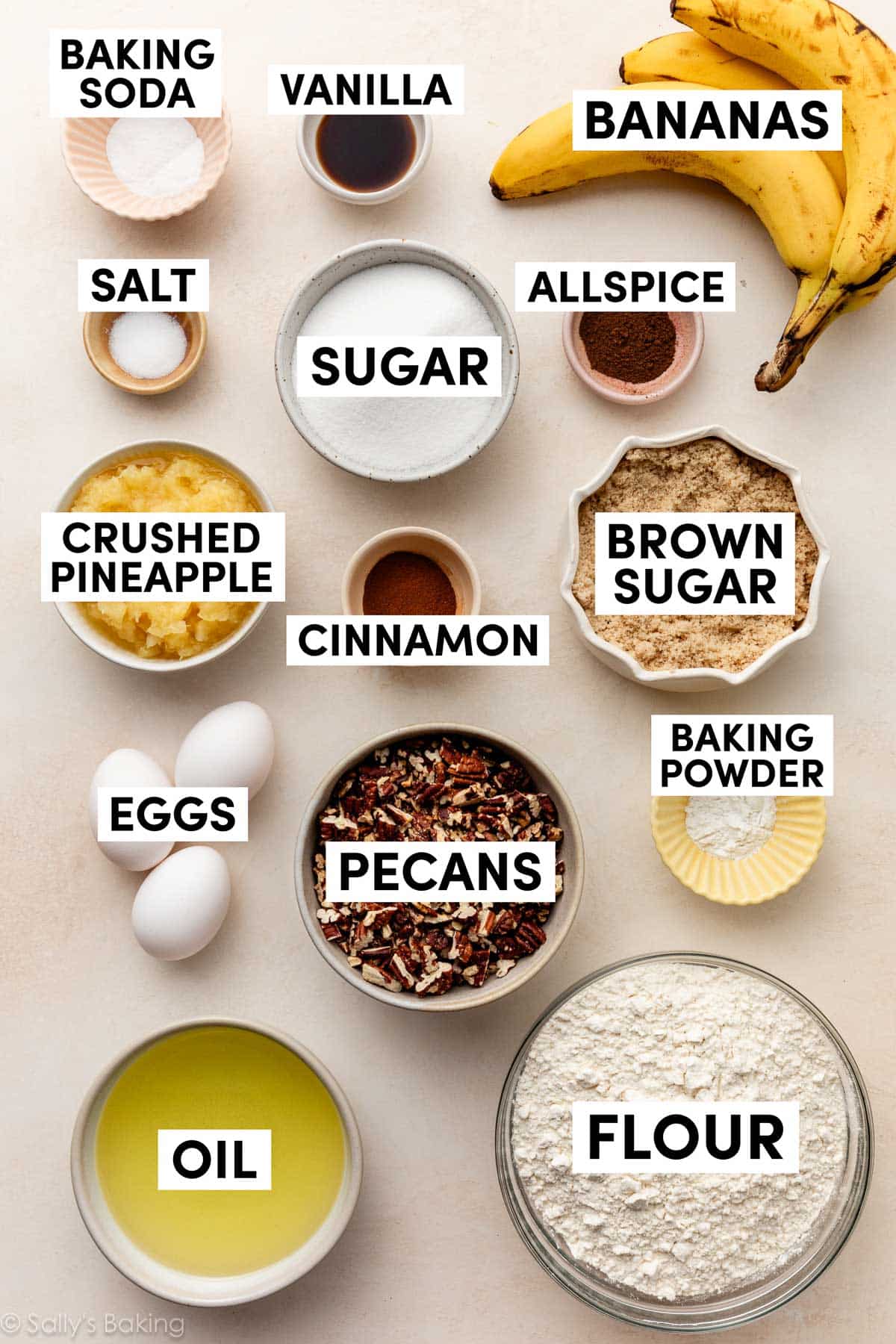
- Ripe Bananas: The foundation of the cake’s incredible moisture and natural sweetness comes from ripe, mashed bananas. As bananas ripen, their starches convert to sugars, enhancing sweetness and contributing to a tender, soft crumb. They also add a subtle, fruity aroma that complements the other ingredients without overpowering them.
- Crushed Pineapple: Drained crushed pineapple introduces a vibrant, tangy sweetness and an additional layer of moisture. The acidity in the pineapple also interacts with leavening agents, contributing to the cake’s light texture. Its tropical essence is unmistakable, providing a bright counterpoint to the richer flavors.
- Warm Spices, Particularly Allspice: While the original article mentions "warm spices," a key ingredient often found in traditional Hummingbird cake recipes, and specifically noted in updated versions as "allspice," is crucial. Allspice, a single spice with a flavor profile reminiscent of cloves, cinnamon, and nutmeg, is deeply rooted in Caribbean culinary traditions. Its inclusion provides a comforting warmth and aromatic depth that ties the tropical fruits to the cake’s spiced character. Other recipes might include a blend of cinnamon and nutmeg, but allspice is historically significant for this cake.
- Toasted Pecans: Pecans, a hallmark of Southern baking, provide a delightful textural contrast. When toasted, their nutty flavor intensifies, adding a depth and slight bitterness that balances the sweetness of the fruits and frosting. They are often incorporated into the batter and used as a garnish, offering both internal structure and external appeal.
- Oil-Based Batter: Unlike butter-based cakes, which can sometimes be drier, Hummingbird cake often uses a neutral oil (like vegetable oil). This contributes significantly to its signature moistness and tender crumb, ensuring it remains delicious for days. Oil also helps the cake stay fresh longer and creates a softer texture.
- Tangy Cream Cheese Frosting: No Hummingbird cake is complete without a generous slathering of cream cheese frosting. This frosting, made with full-fat brick-style cream cheese, unsalted butter, confectioners’ sugar, and vanilla extract, provides a crucial tangy counterpoint to the sweet, spiced cake. The acidity of the cream cheese cuts through the richness, creating a perfectly balanced bite. The consistency of this frosting is paramount; using full-fat cream cheese is essential for a stable, pipeable, yet spreadable frosting that holds its shape.
Other essential ingredients like all-purpose flour, granulated and brown sugar, eggs, and vanilla extract work in concert to create the cake’s structure and overall flavor. The combination of both granulated and brown sugar adds complexity, with brown sugar contributing molasses notes and additional moisture.
The Craft of Creation: Simple Steps to a Celebrated Dessert
Despite its impressive appearance and complex flavor, the Hummingbird cake is surprisingly straightforward to prepare, a factor contributing to its widespread adoption by home bakers. The original recipe’s appeal includes the convenience of requiring no electric mixer for the cake batter, making it accessible even to those with basic kitchen equipment.
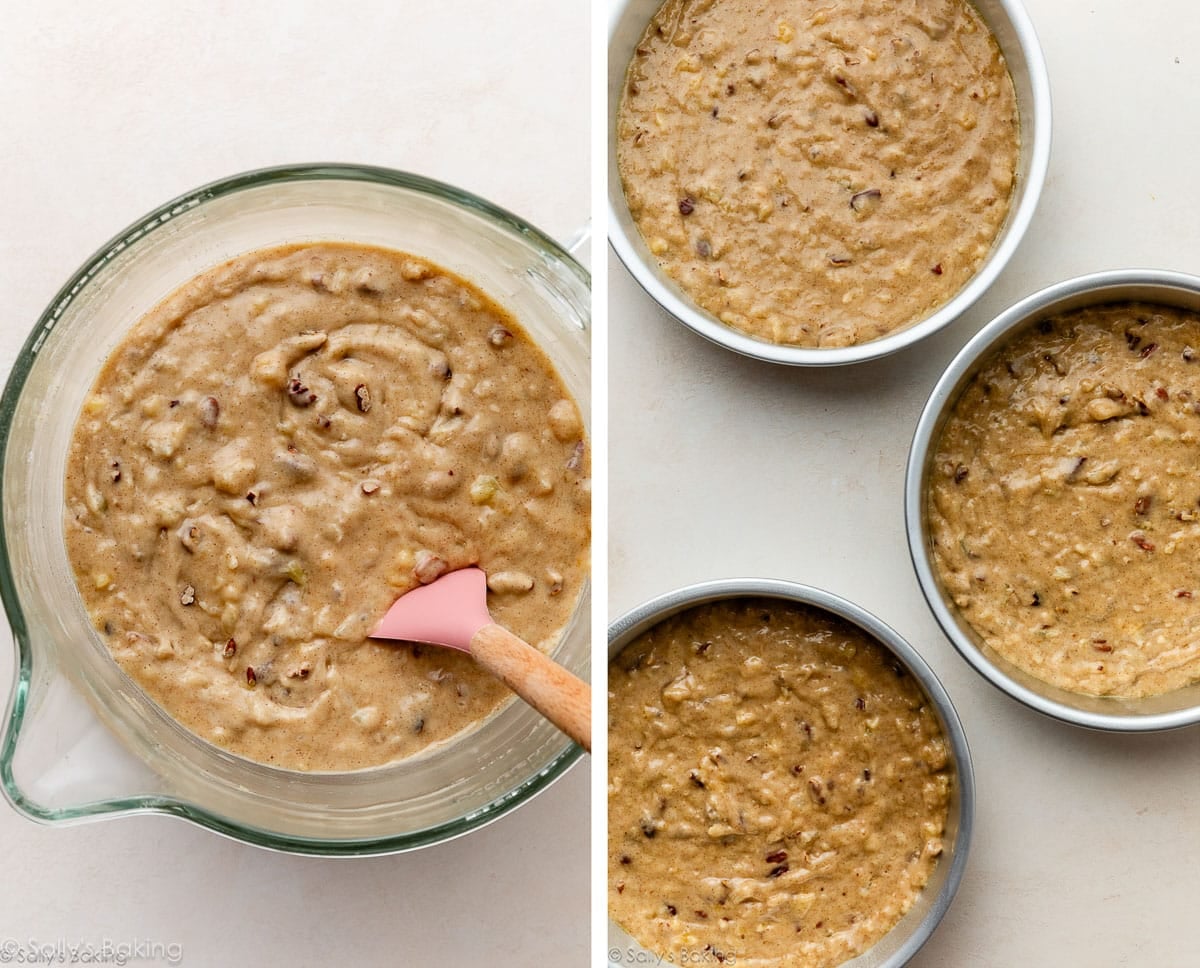
The process typically begins by combining the dry ingredients—flour, sugar, leavening agents (baking soda, often baking powder), salt, and spices—in one bowl. In a separate bowl, the wet ingredients, including the mashed bananas, crushed pineapple (often undrained to maximize moisture), oil, eggs, and vanilla, are whisked together. The wet ingredients are then gently folded into the dry, followed by the toasted pecans. This method minimizes gluten development, contributing to a tender cake.
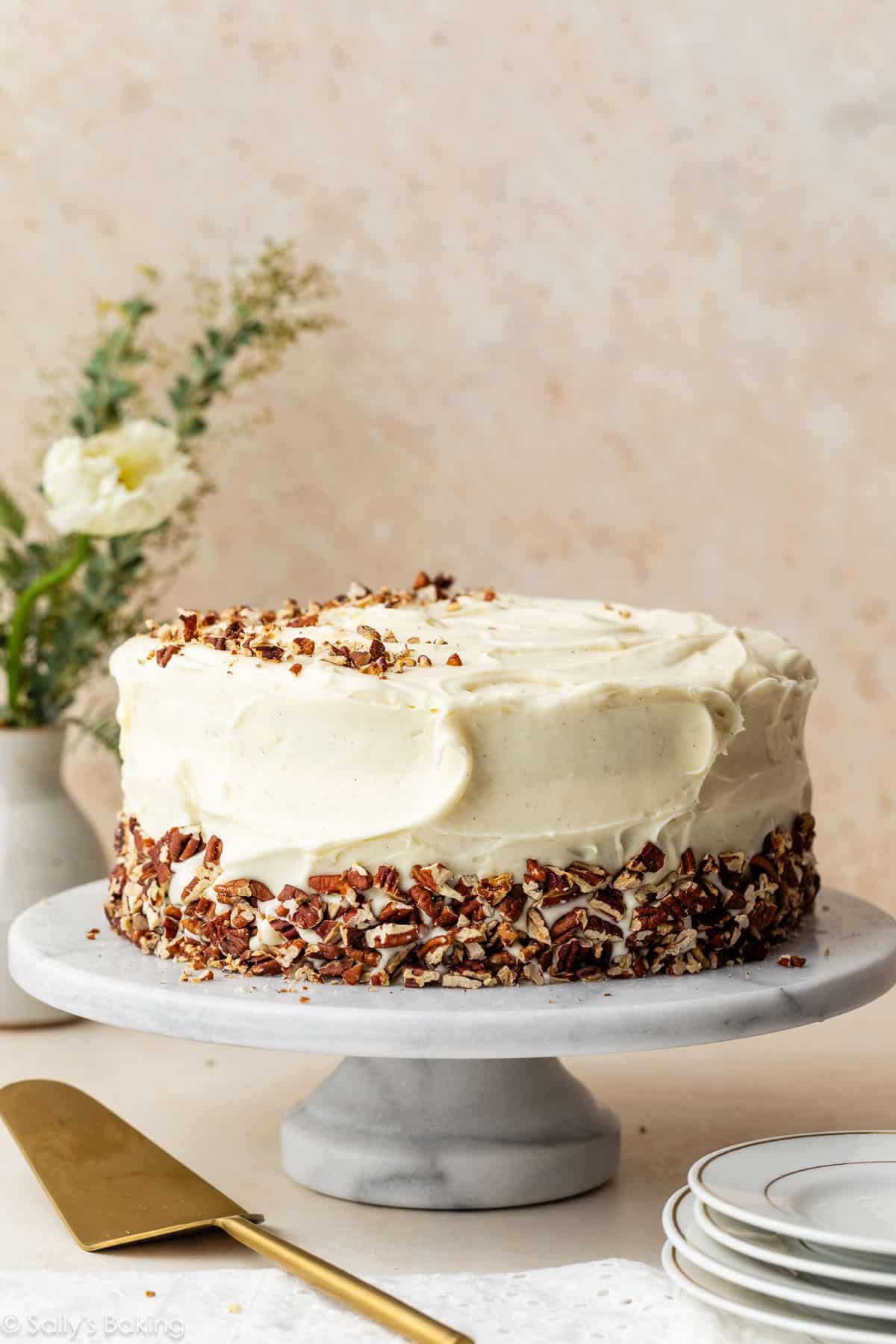
For baking, 8-inch round cake pans are generally recommended. These produce thick, substantial layers that create an impressive stack when frosted. While 9-inch pans can be used, bakers should anticipate thinner layers and adjust baking times accordingly to prevent over-baking, which can compromise the cake’s signature moisture. Proper preparation of the cake pans—greasing and flouring, or lining with parchment paper—is crucial to ensure the layers release cleanly.
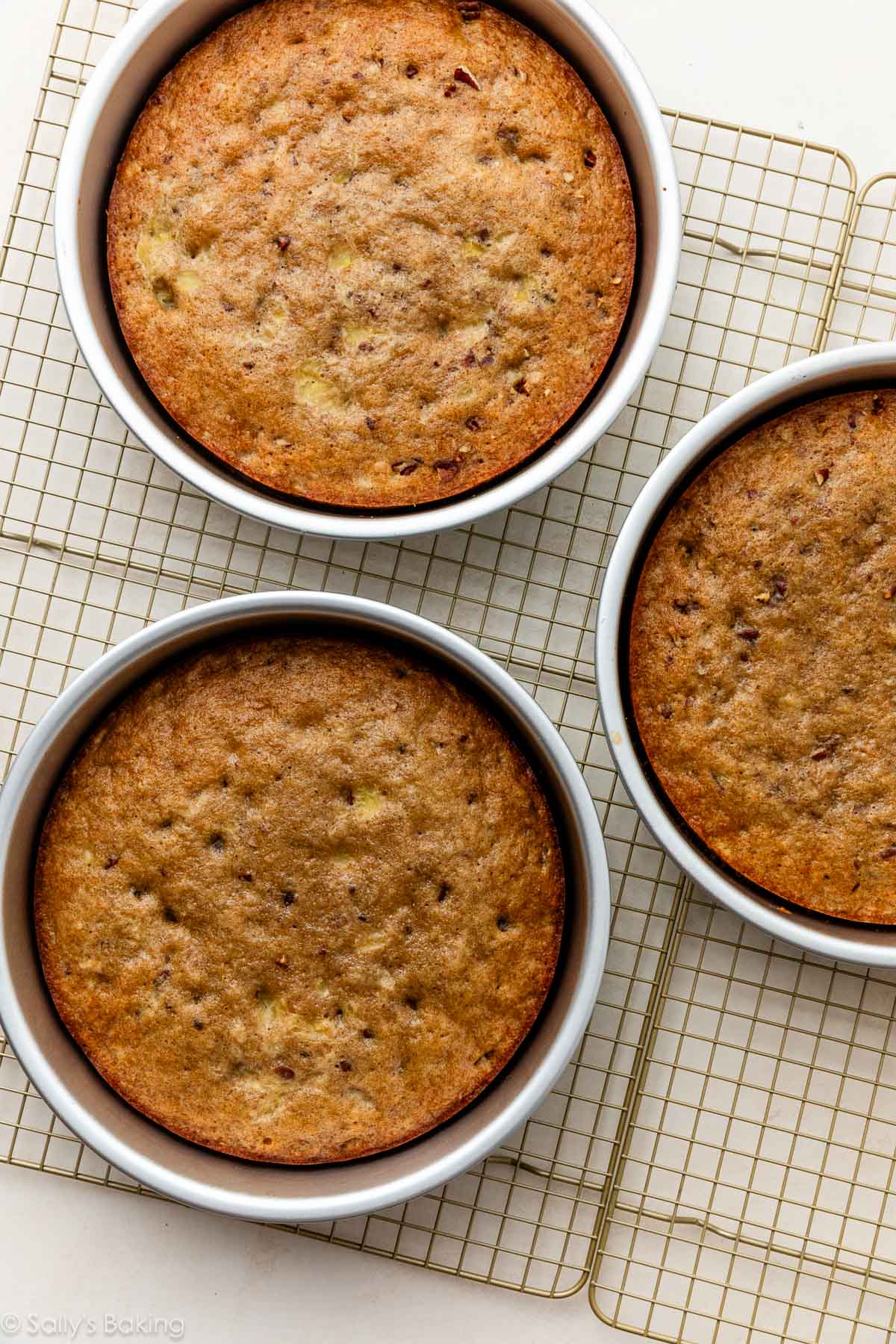
Once baked, the cake layers must be allowed to cool completely on wire racks before frosting. This step is critical; frosting warm cake layers will result in a melted, runny mess. The cream cheese frosting, prepared separately, should be beaten until smooth, fluffy, and spreadable. If the frosting appears too soft or "gloppy" (a common characteristic of cream cheese frosting, especially in warmer environments), a brief chill in the refrigerator can help it firm up to a more workable consistency.
Assembling the cake involves layering the cooled cake with generous amounts of frosting, typically starting with a bottom layer, frosting, then the next cake layer, and so on. While a "crumb coat" (a thin layer of frosting applied to seal in crumbs before the final frosting) can be used, the moist nature of Hummingbird cake and the creamy texture of the frosting often make it unnecessary, simplifying the process. The cake is then finished with the remaining toasted pecans, often pressed around the sides or sprinkled on top for an elegant presentation.
The Benefits of Time: An Enhanced Flavor Profile
One of the remarkable qualities of Hummingbird cake is its ability to improve with time. Unlike many cakes that are best enjoyed immediately, the flavors of Hummingbird cake meld and deepen over several hours, or even overnight. This characteristic makes it an ideal dessert for advance preparation, a significant advantage for hosts planning special events or holidays like Easter. The fruits continue to release their moisture, further tenderizing the cake, and the spices become more pronounced, creating a more harmonious and complex flavor profile. Many enthusiasts even report that cold leftover slices are superior, suggesting that refrigeration allows the flavors to truly "marry" and settle.
Beyond the Layer Cake: Adaptability and Innovation
The enduring appeal of Hummingbird cake has also led to its adaptation into various forms. The mention of a Hummingbird Bundt cake, for instance, highlights its versatility. This adaptation offers a simpler presentation, often with a cream cheese glaze rather than a full frosting, yet retains the core flavors and moist texture that define the original. Such variations demonstrate the cake’s fundamental deliciousness and its ability to transcend traditional formats while maintaining its identity. This adaptability speaks to the robust nature of its flavor combination, which translates well across different baking applications, from cupcakes to loaves.
Public Reception and Continued Relevance
The consistent "rave reviews" and enthusiastic feedback from home bakers underscore the Hummingbird cake’s unwavering popularity. Reader comments, such as Marcy’s affirmation of its "Delicious!!!!" taste and ease of preparation, reflect a common sentiment. This feedback loop, where accessible recipes lead to successful baking experiences, fuels the cake’s continued relevance. It embodies comfort, celebration, and a touch of the exotic, making it a perennial favorite for diverse occasions.
In an era where culinary trends constantly shift, the Hummingbird cake stands as a testament to the power of well-balanced flavors and a compelling backstory. From its humble origins as the "Doctor Bird Cake" in Jamaica to its iconic status in Southern Living, it has woven itself into the fabric of American dessert culture. Its combination of tropical fruits, warm spices, and the signature tangy cream cheese frosting offers a uniquely satisfying experience that continues to charm new generations of bakers and eaters alike, securing its place as a truly unforgettable Southern classic.