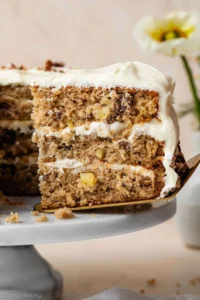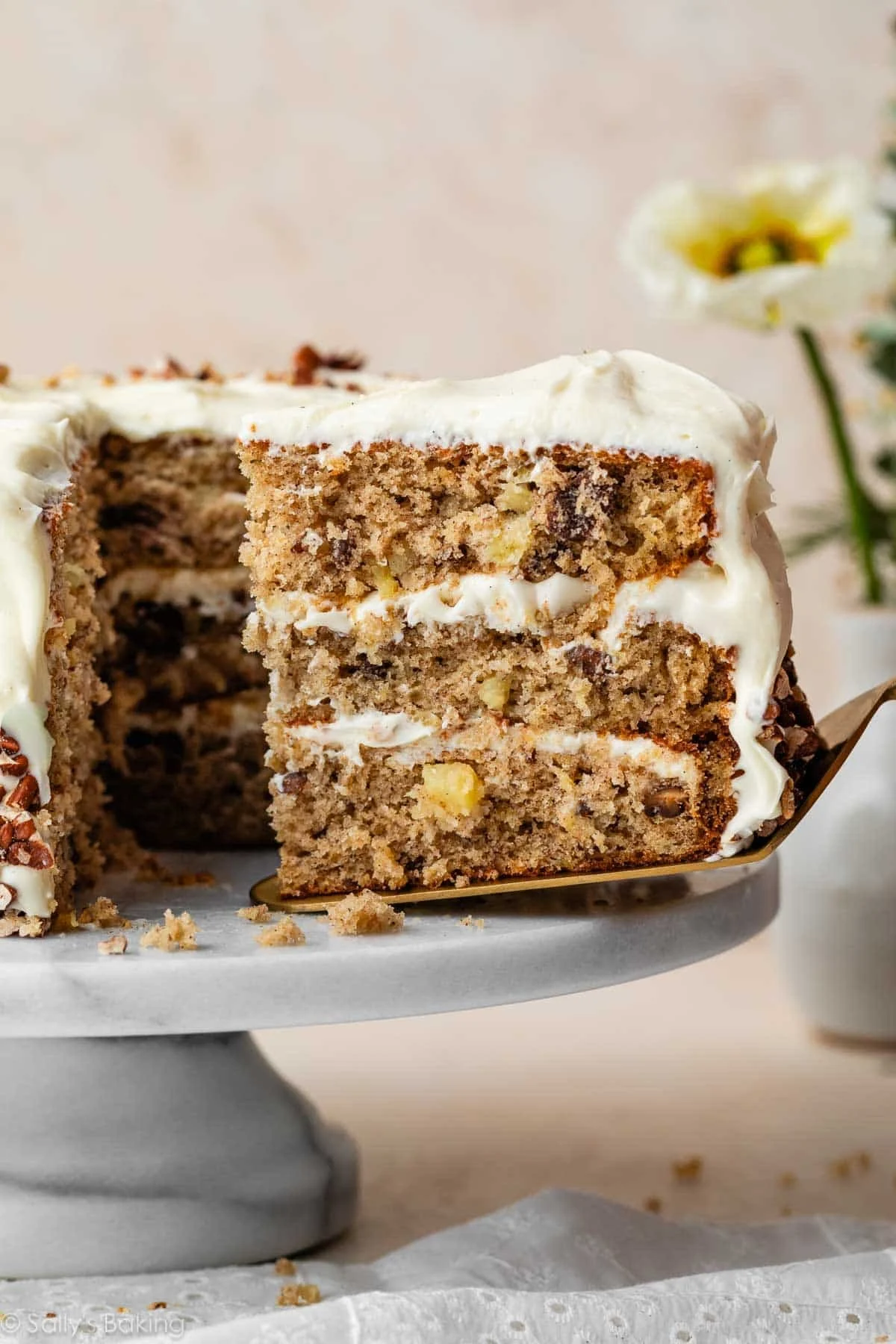

This classic Southern layer cake, celebrated for its unparalleled moisture and complex tropical-spiced flavor profile, continues to captivate dessert enthusiasts worldwide. Often likened to a delightful fusion of carrot cake and banana bread, the Hummingbird Cake distinguishes itself with a unique blend of ripe bananas, crushed pineapple, aromatic warm spices, and toasted pecans, all harmoniously united under a rich, tangy cream cheese frosting. Its consistent popularity, particularly during spring gatherings and festive occasions like Easter, underscores its status as a culinary benchmark.
Historical Roots and Rise to Prominence

The narrative of the Hummingbird Cake is deeply interwoven with a fascinating transatlantic culinary journey. While widely recognized as a quintessential Southern American dessert, its origins trace back to the Caribbean, specifically Jamaica. The cake is believed to be an adaptation of what was locally known as "Doctor Bird Cake," named after Jamaica’s national bird, the swallow-tailed hummingbird, renowned for its vibrant colors and attraction to sweet nectar. This original Jamaican iteration typically featured a rich, fruit-laden batter, often incorporating local produce like bananas and pineapples, which were abundant on the island. The use of tropical fruits was a practical and delicious way to add moisture and natural sweetness to baked goods in a region where fresh produce was plentiful and refrigeration less common, making fruit a natural preservative and flavor enhancer.
The cake’s introduction to the United States occurred sometime before the late 1970s, though its precise entry point remains somewhat debated among culinary historians. However, its meteoric rise to fame in America is unequivocally linked to Southern Living magazine. In February 1978, the esteemed publication featured a recipe for Hummingbird Cake, submitted by Mrs. L.H. Wiggins of Greensboro, North Carolina. The recipe quickly resonated with readers, becoming one of the magazine’s most requested and celebrated dishes. Southern Living, founded in 1966, had by then established itself as a powerful arbiter of Southern culture, lifestyle, and cuisine, influencing countless households across the region. Its endorsement of the Hummingbird Cake cemented the dessert’s place in the pantheon of Southern culinary classics, transforming it from a regional curiosity into a national sensation. The magazine’s widespread distribution and authority ensured that the recipe found its way into countless kitchens, becoming a staple at family gatherings, church potlucks, and celebratory events. This historical timestamp marks a pivotal moment in the cake’s trajectory, propelling it into mainstream American consciousness and solidifying its reputation as a comforting yet elegant dessert.
The Signature Components: A Symphony of Flavors and Textures
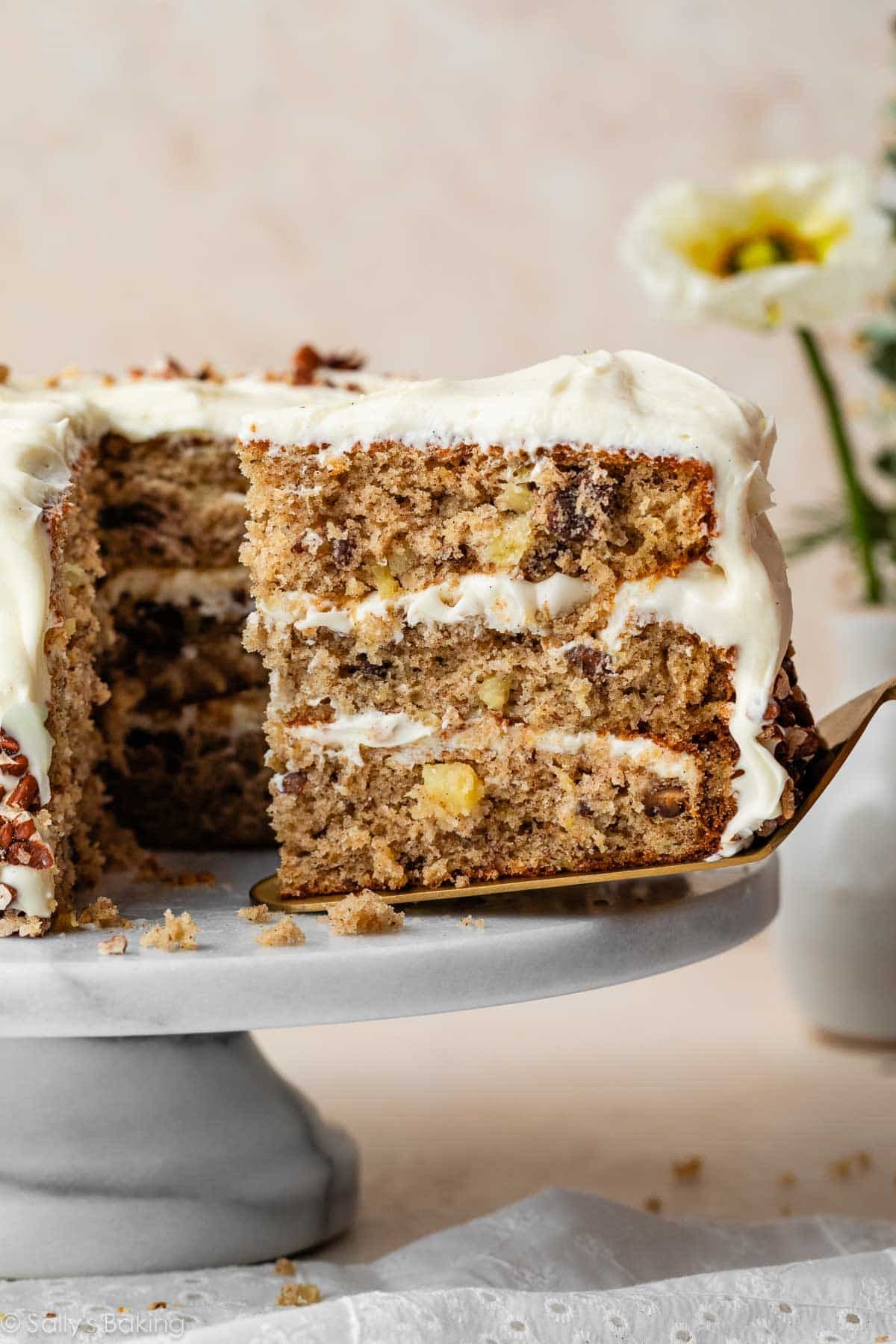
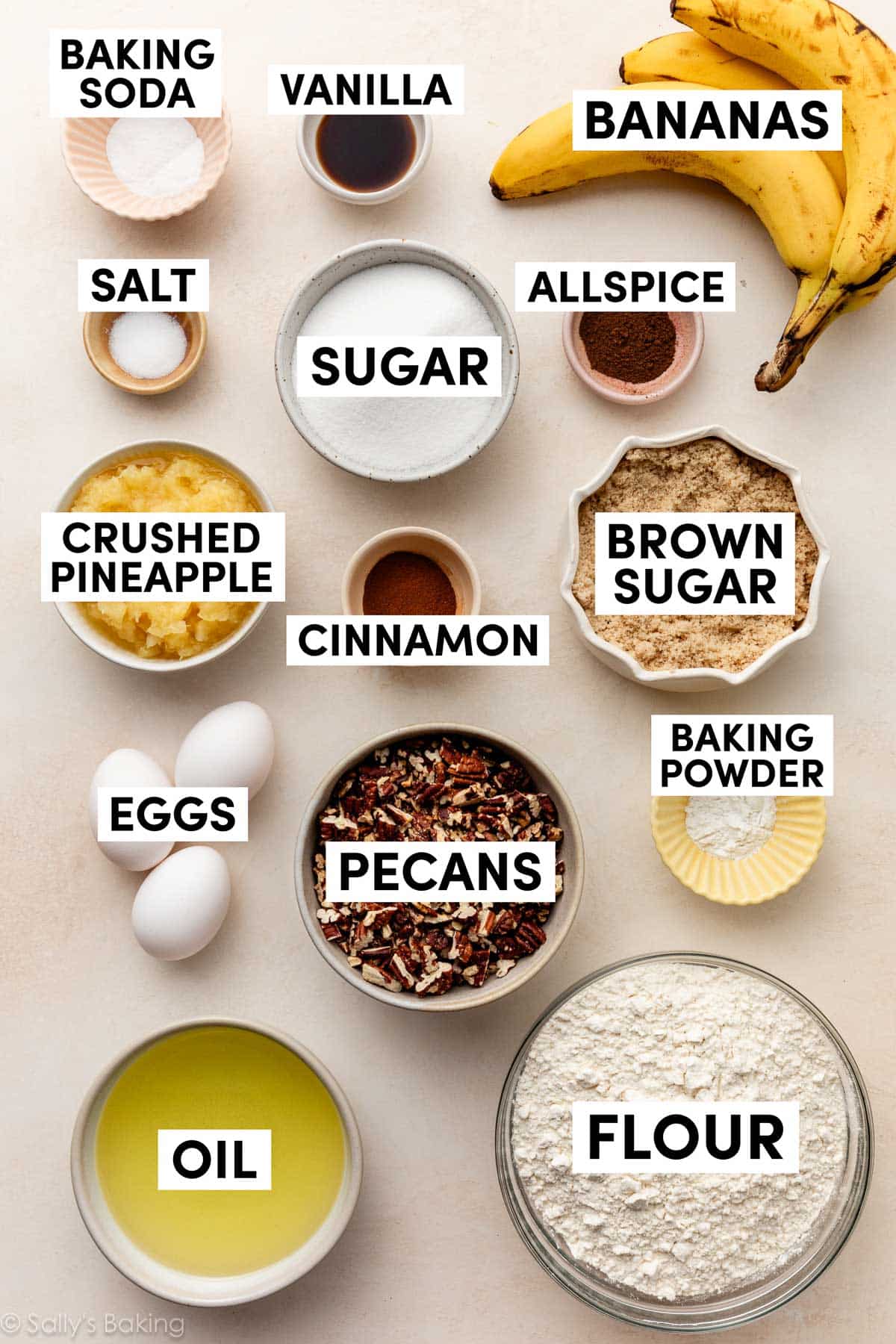
At the heart of the Hummingbird Cake’s enduring appeal lies its meticulously balanced composition of ingredients, each playing a crucial role in delivering its signature moist texture and distinctive taste. The cake batter itself is a testament to resourceful baking, often utilizing overripe bananas—a common pantry item—which contribute natural sweetness and an unparalleled tenderness. Approximately two cups of mashed ripe bananas are typically incorporated, lending a dense, almost pudding-like consistency to the finished cake. This quantity is slightly less than some earlier recipes, a modification often implemented in modern adaptations to ensure the banana flavor, while present, does not overpower other elements. The optimal ripeness of bananas, often indicated by brown spots on the peel, is crucial for maximum sweetness and ease of mashing.
Complementing the banana is approximately one 20-ounce can of crushed pineapple, ideally drained thoroughly to prevent the batter from becoming too watery. The pineapple introduces a bright, tangy counterpoint to the sweetness of the bananas and sugars, adding another layer of moisture and a subtle tropical zest. Its finely crushed form ensures even distribution throughout the cake, preventing large chunks that could disrupt the delicate crumb. The natural acidity of pineapple also plays a role in activating baking soda, contributing to the cake’s rise and tender texture.
The spice profile is another critical element, traditionally featuring a blend of warm spices. Cinnamon is a primary player, contributing a comforting, earthy sweetness that evokes traditional home baking. Modern adaptations, such as the widely acclaimed version from Sally’s Baking Addiction, often introduce allspice, which brings a nuanced, complex flavor reminiscent of cloves, nutmeg, and cinnamon, further enriching the cake’s aromatic depth. These spices, typically one to two teaspoons of cinnamon and half a teaspoon of allspice, are integral to the cake’s character, evoking the cozy warmth associated with Southern baking.
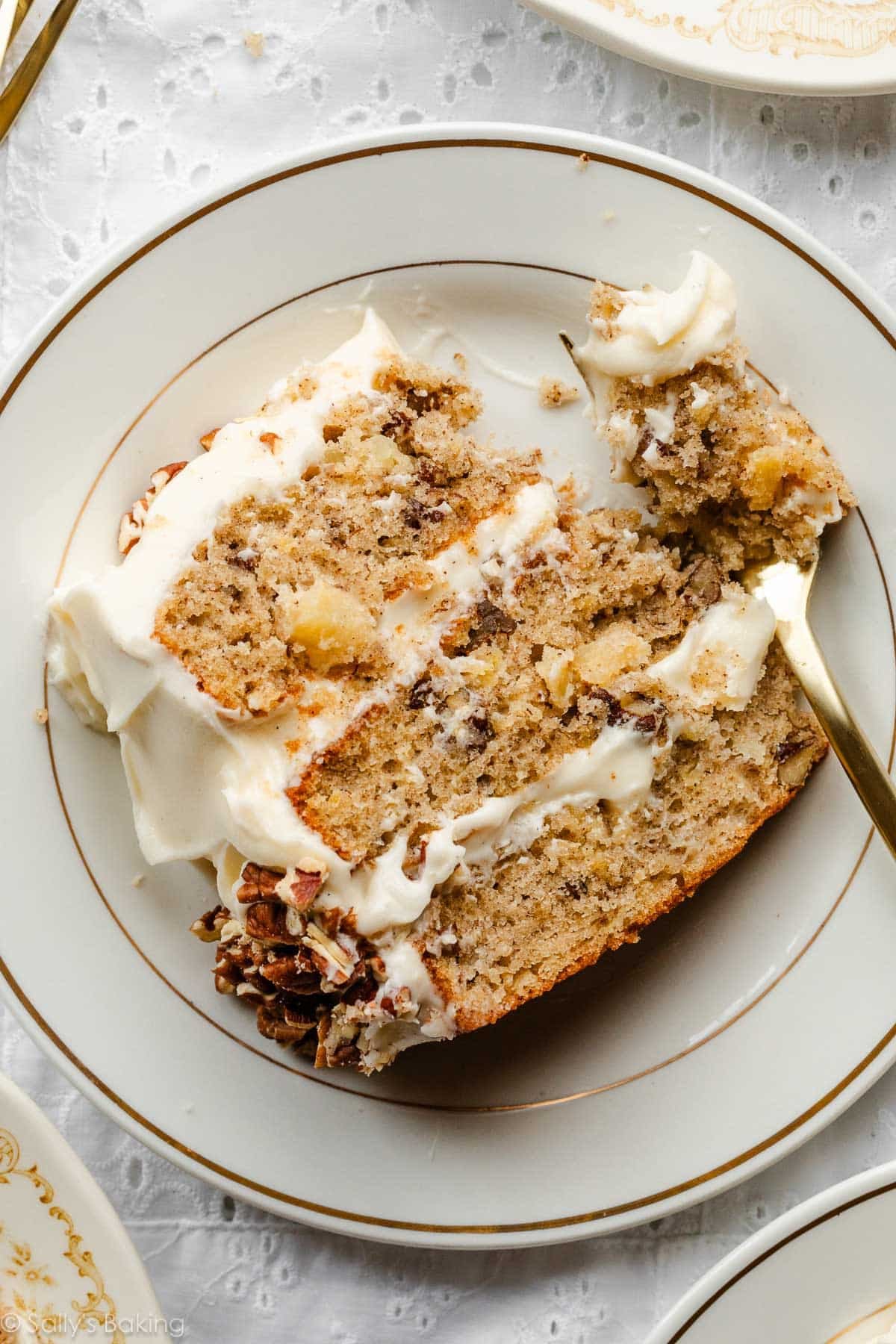
Finally, toasted pecans are indispensable, providing a delightful crunch and nutty depth that contrasts beautifully with the soft, moist cake layers. About one and a half cups of chopped pecans are usually folded into the batter and often reserved for garnish, adding both textural interest and a characteristic Southern flair. Toasting the pecans beforehand intensifies their flavor, ensuring they stand out in each bite and prevents them from becoming soggy within the moist cake.
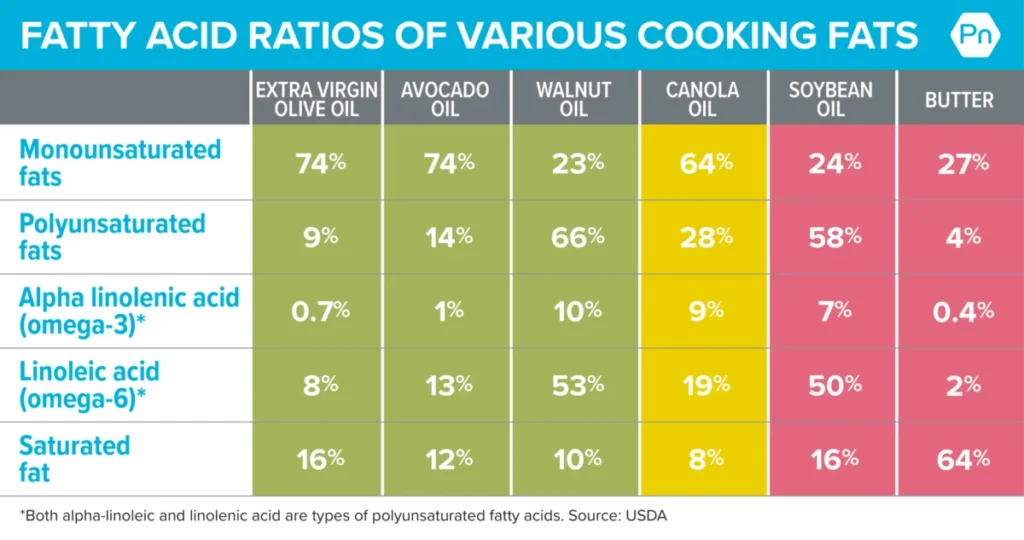
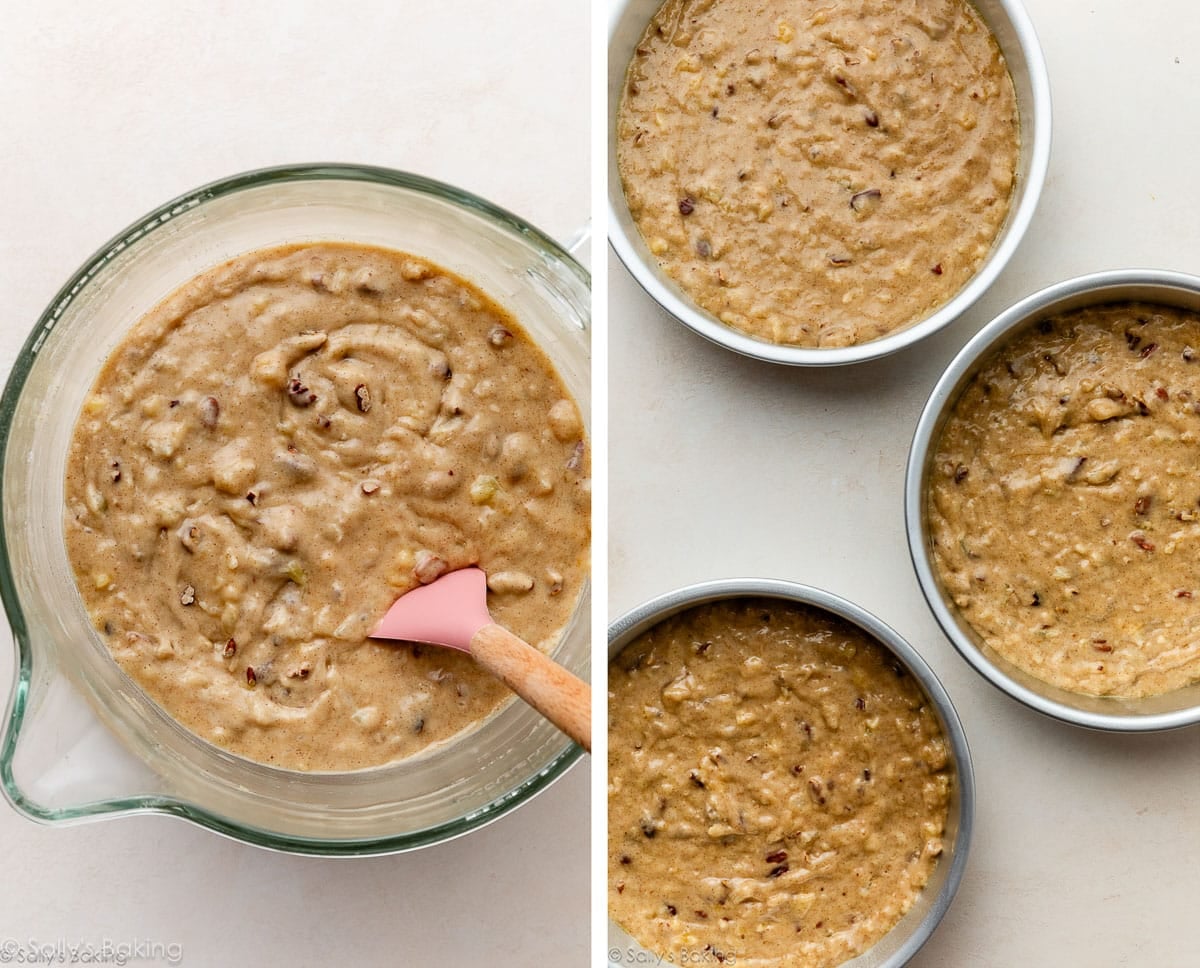
The wet ingredients, beyond the fruits, typically include vegetable oil (about three-quarters of a cup), which is a key contributor to the cake’s exceptional moisture, especially when compared to butter-based cakes. Oil creates a finer, more tender crumb and helps the cake stay moist for longer. A blend of granulated sugar and light brown sugar (around one and three-quarter cups total) provides sweetness, with brown sugar also adding a hint of molasses depth and additional moisture. Eggs (two large) act as binders and contribute to the cake’s structure and richness, while vanilla extract (one to two teaspoons) enhances the overall flavor profile. Leavening agents, such as baking soda (two teaspoons), ensure a proper rise and tender crumb, reacting with the acidic pineapple and brown sugar. The dry ingredients are typically all-purpose flour (about two and a half cups) and a pinch of salt to balance the sweetness and enhance other flavors. The simplicity of combining dry and wet ingredients separately, often requiring no electric mixer for the cake batter itself, further adds to its appeal for home bakers.
The Essential Cream Cheese Frosting
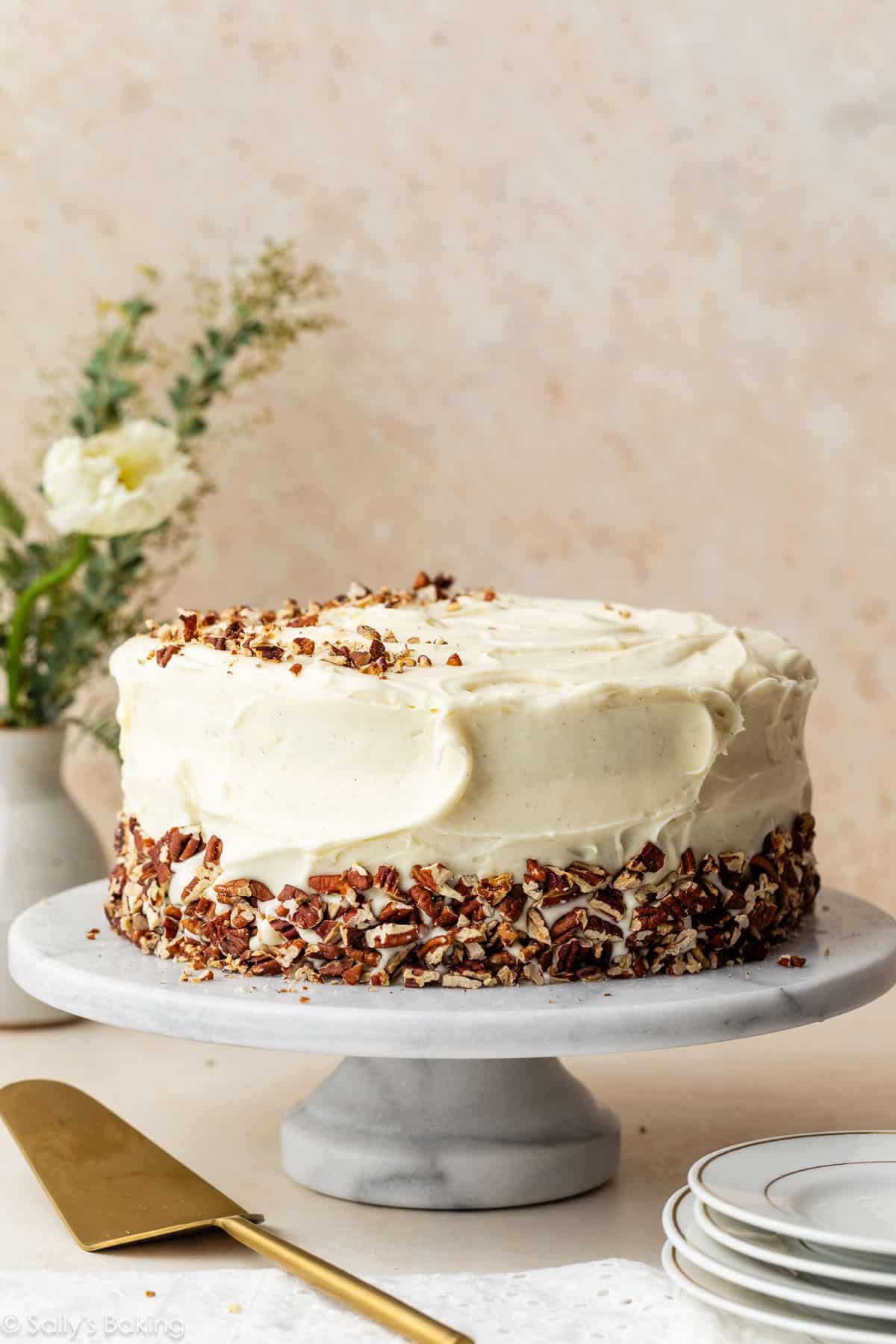
No Hummingbird Cake is complete without its iconic cream cheese frosting. This tangy, sweet, and incredibly smooth topping is not merely an accompaniment but an integral part of the dessert experience, providing a perfect counterpoint to the rich, fruity cake layers. The frosting’s distinctive flavor and texture elevate the cake, cutting through its sweetness with a pleasant acidity that brightens the overall profile.
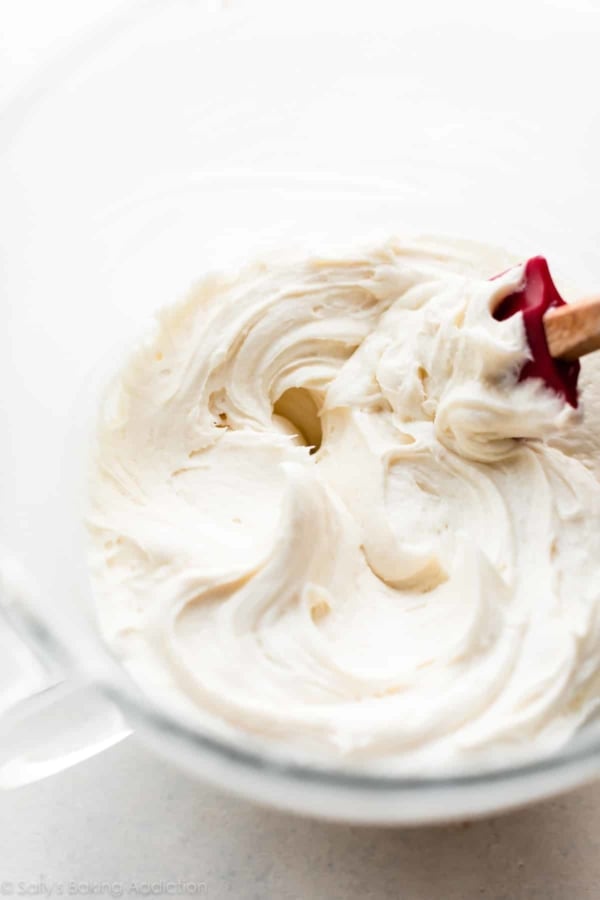
The standard recipe for cream cheese frosting is deceptively simple, yet requires attention to detail for optimal results. Key ingredients include full-fat, brick-style cream cheese (typically 16 ounces), which is crucial for achieving the desired thickness and stability. Using spreadable or low-fat cream cheese can result in a runny frosting. Softened unsalted butter (one stick or half a cup) adds richness and helps create a stable emulsion. A generous amount of confectioners’ sugar (approximately four cups), sifted to prevent lumps, provides the necessary sweetness and structure. A dash of pure vanilla extract (one to two teaspoons) for aromatic depth and a pinch of salt to balance the flavors are also essential.
The preparation involves creaming the softened butter and cream cheese together until light and fluffy. This step is critical, as over-beating at this stage can incorporate too much air, leading to a less stable frosting that might break down later. Gradually, the sifted confectioners’ sugar is added, followed by vanilla extract and salt. The mixture is then beaten until it reaches a smooth, spreadable consistency. A common challenge encountered by bakers is an overly soft or "gloppy" frosting, especially in warmer environments or if the cream cheese is too warm. Culinary experts often advise a brief chill in the refrigerator—typically 15-30 minutes—to firm up the frosting before application, ensuring it holds its shape beautifully between layers and on the exterior of the cake. This temporary chilling allows the fats in the butter and cream cheese to firm up slightly, making the frosting more manageable.
When frosting a multi-layered cake, precision and technique are beneficial. The soft and creamy nature of this particular cream cheese frosting often allows it to glide onto the cake effortlessly, even without a preliminary crumb coat, which is a thin layer of frosting applied to trap loose crumbs before the final frosting. However, for those seeking a pristine finish, a light crumb coat can be applied, followed by a brief chill, before the main frosting layer. Tools like a large flat icing spatula are recommended for smooth application, ensuring an even distribution of the decadent topping across all layers and the entire surface of the cake. The generous quantity of frosting in many recipes ensures ample coverage for a three-layer cake, allowing for both thick layers between the cake and a decorative exterior finish, often adorned with additional toasted pecans.
Modern Adaptations and Baking Insights
While the core essence of the Hummingbird Cake remains timeless, recipes have seen thoughtful adaptations over the decades to suit evolving palates and baking techniques. Sally’s Baking Addiction, a prominent online culinary resource, published its rendition in 2017, later updating it with enhanced photographs and detailed success tips. This evolution reflects a broader trend in home baking where classic recipes are refined for consistency, flavor balance, and ease of preparation.
Key modifications in modern versions often include:
- Reduced Oil and Banana: The original Southern Living recipe was known for its high moisture content, partly due to a generous amount of oil and bananas. Contemporary adaptations often slightly reduce these quantities. For instance, Sally’s version uses three-quarters of a cup of oil compared to a full cup in some older recipes, and a more measured amount of banana. This adjustment aims to prevent the cake from becoming overly dense or greasy, while still retaining its signature moistness.
- Enhanced Leavening: To achieve a lighter, loftier crumb, modern recipes might slightly increase leavening agents like baking soda. This ensures the cake rises beautifully, creating distinct, airy layers despite the heavy fruit content, and helps to counteract the density contributed by the fruits and oil.
- Refined Sweetness and Spice Profile: A common adjustment involves slightly reducing the overall sugar content to cater to contemporary preferences for less intensely sweet desserts. The incorporation of both granulated and brown sugar, and the addition of spices like allspice alongside cinnamon, creates a more complex and balanced flavor profile, moving beyond a simple "fruit cake" to a sophisticated spiced dessert that appeals to a broader audience.
- Toasted Pecans: While pecans have always been a staple, emphasizing "toasted" pecans is a crucial tip. Toasting nuts intensifies their flavor and aroma, making a significant difference in the overall taste and texture of the cake. This small step is often highlighted in detailed recipe instructions for optimal results, ensuring a more pronounced nutty contribution.
Baking professionals and experienced home cooks offer several critical tips for consistently excellent results:
- Ingredient Temperature: Ensure all cold ingredients, particularly eggs and cream cheese for the frosting, are at room temperature. This allows for smoother mixing and proper emulsification, leading to a more uniform batter and frosting, preventing curdling in the frosting.
- Do Not Overmix: Overmixing the batter, especially after flour is added, can develop the gluten excessively, resulting in a tough cake. Gentle folding is key to maintaining a tender crumb.
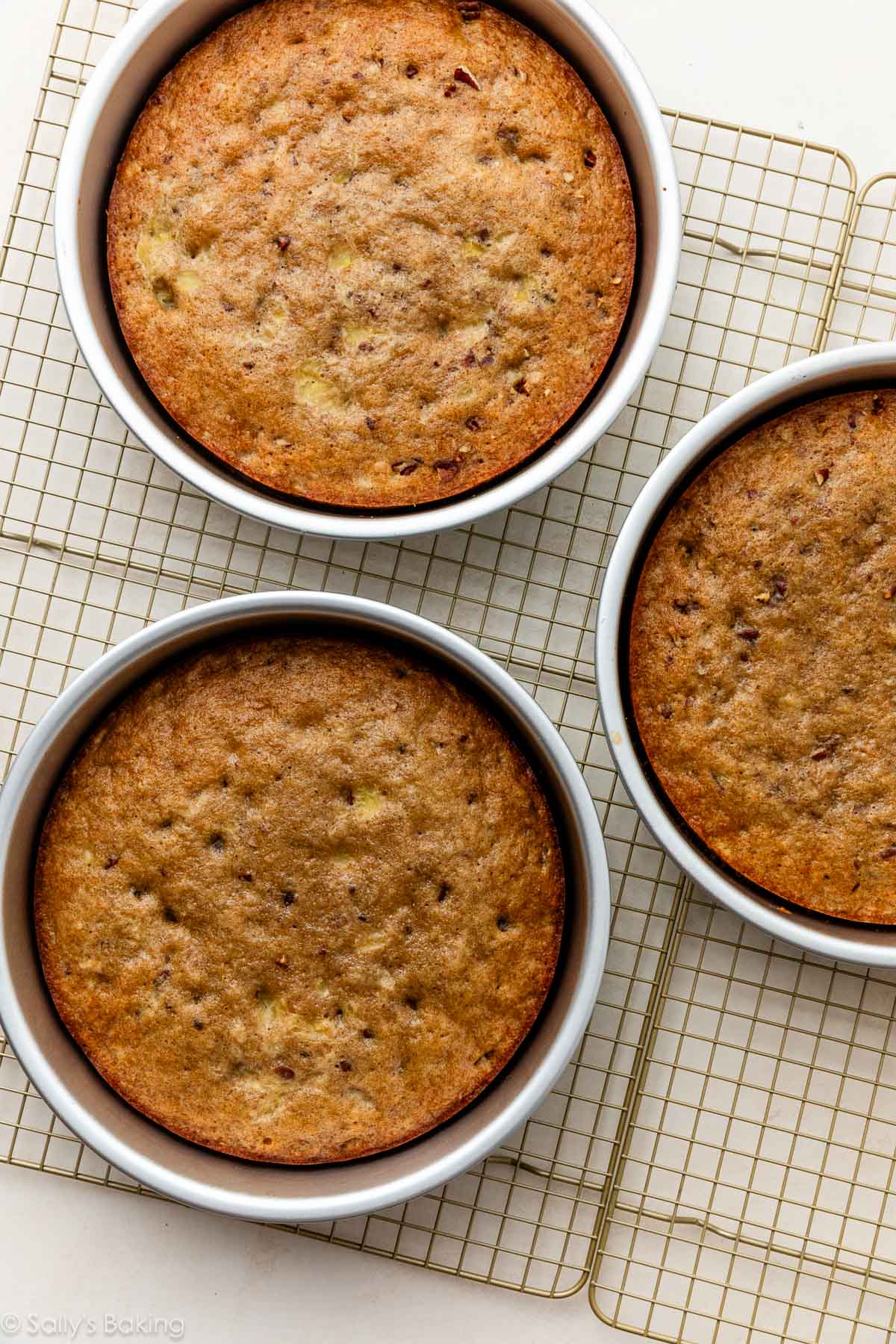
- Pan Preparation: Properly greasing and flouring or lining cake pans with parchment paper is vital to prevent sticking and ensure easy release of the delicate layers. Using 8-inch round cake pans is often recommended for thick, substantial layers, while 9-inch pans will produce thinner layers, potentially requiring a slight adjustment in baking time.
- Cooling Completely: Allowing the cake layers to cool completely on wire racks before frosting is non-negotiable. Frosting warm cakes will cause the frosting to melt and slide off, compromising the structure and appearance. Patience here is rewarded.
- Flavor Development: The Hummingbird Cake, much like many fruit and spice cakes, benefits significantly from resting. Its flavors "marry" and deepen over several hours, or even overnight. This makes it an ideal make-ahead dessert, with many aficionados claiming that leftover, chilled slices are even more delicious as the moisture distributes evenly throughout the cake.
Cultural Significance and Broader Implications
Beyond its delectable taste, the Hummingbird Cake holds a significant place in Southern culinary tradition and broader food culture. It represents a confluence of historical influences, regional agricultural bounty, and a community-driven approach to recipe sharing. Its consistent presence at key social events—from bridal showers, as an anecdote suggests, to holiday feasts and casual family gatherings—underscores its role as a symbol of hospitality and celebration in the American South. The cake often serves as a focal point, sparking conversations about heritage and cherished family recipes.
The cake’s enduring popularity also highlights several broader implications within the food industry and culinary landscape:
- Preservation of Culinary Heritage: Recipes like the Hummingbird Cake are more than just instructions for baking; they are cultural artifacts that preserve regional identities and traditions. The continued interest in and adaptation of such recipes by food bloggers and home cooks ensure that this heritage is passed down through generations, often with modern refinements that keep them relevant to contemporary tastes while honoring their origins.
- Economic Impact: The widespread demand for Hummingbird Cake contributes to the economy through the supply chain of its key ingredients. Pecan growers in states like Georgia and Texas, banana importers (often from Central and South America), pineapple producers (globally and domestically), and dairy farmers supplying cream cheese all benefit from the cake’s popularity. This micro-economy, while perhaps not immediately apparent, is a testament to the ripple effect of beloved culinary creations.
- Influence of Food Media: The historical impact of Southern Living magazine in popularizing the cake demonstrates the immense power of traditional food media. In the digital age, this role has been extended and amplified by online platforms like Sally’s Baking Addiction, which not only share recipes but also provide detailed tutorials, troubleshooting tips, and community engagement, thereby sustaining and expanding the cake’s reach to a global audience. The detailed updates and success tips offered by such platforms are crucial in empowering modern bakers to tackle complex-seeming recipes with confidence, fostering a new generation of home bakers.
- Evolution of Taste and Technique: The subtle changes in recipes over time—such as reducing sugar or oil—reflect evolving dietary preferences and an increased understanding of baking science. These adaptations ensure that classic dishes remain appealing to contemporary palates without losing their authentic essence, demonstrating the dynamic nature of culinary arts.
Conclusion
The Hummingbird Cake stands as a testament to the enduring power of a well-crafted dessert. From its humble origins as a "Doctor Bird Cake" in Jamaica to its iconic status in the American South, popularized by Southern Living magazine and continually refined by contemporary bakers, it has carved a unique niche in the culinary world. Its rich, moist texture, achieved through a thoughtful combination of bananas, pineapple, and oil, coupled with the aromatic warmth of spices and the satisfying crunch of pecans, all crowned by a tangy cream cheese frosting, creates an unforgettable sensory experience. The ease of its preparation, often requiring no specialized equipment for the cake batter itself, further solidifies its appeal, making it accessible to a wide range of bakers. As a beloved staple for celebrations and a comforting indulgence, the Hummingbird Cake transcends mere ingredients; it embodies a rich history, a vibrant cultural legacy, and the simple joy of sharing a truly exceptional dessert. Its continued resonance with home bakers and professional chefs alike ensures that this sweet, spiced, and utterly delightful Southern icon will remain a cherished favorite for many years to come.